The Daily Habits in Your 50s That Determine How Healthy Your 70s Will Be

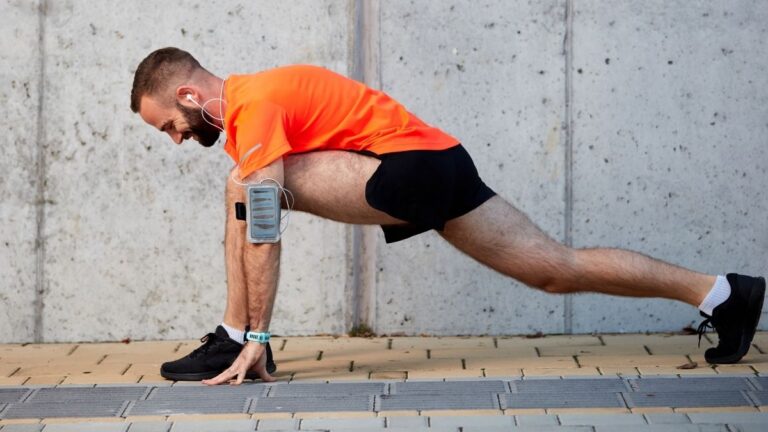
Dr. David Dodick starts every morning at 6:30 AM in the gym—even on weekends. At 62, this neurologist knows something most people discover too late. Sleep, fitness, diet, and stress management determine how many years you live fit and disease-free.
Here’s the truth about habits in your 50s. Women who skip healthy habits live until 79 on average. Men make it to 75.5. But those who adopt five key lifestyle habits? Women live to 93. Men reach 87. That’s over a decade of extra life. The window to act is right now.
This article reveals eight daily habits backed by 2025 longevity research. These habits protect your brain health, bone density, heart function, and metabolism in your 70s.
Recent studies prove people who started healthy aging practices later in life gained four-and-a-half years. Even those in their eighties and nineties benefited. You can prevent chronic disease starting today.
HABIT 1: Build Muscle Mass Through Resistance Training
The Strength Training Habit That Protects Your Independence
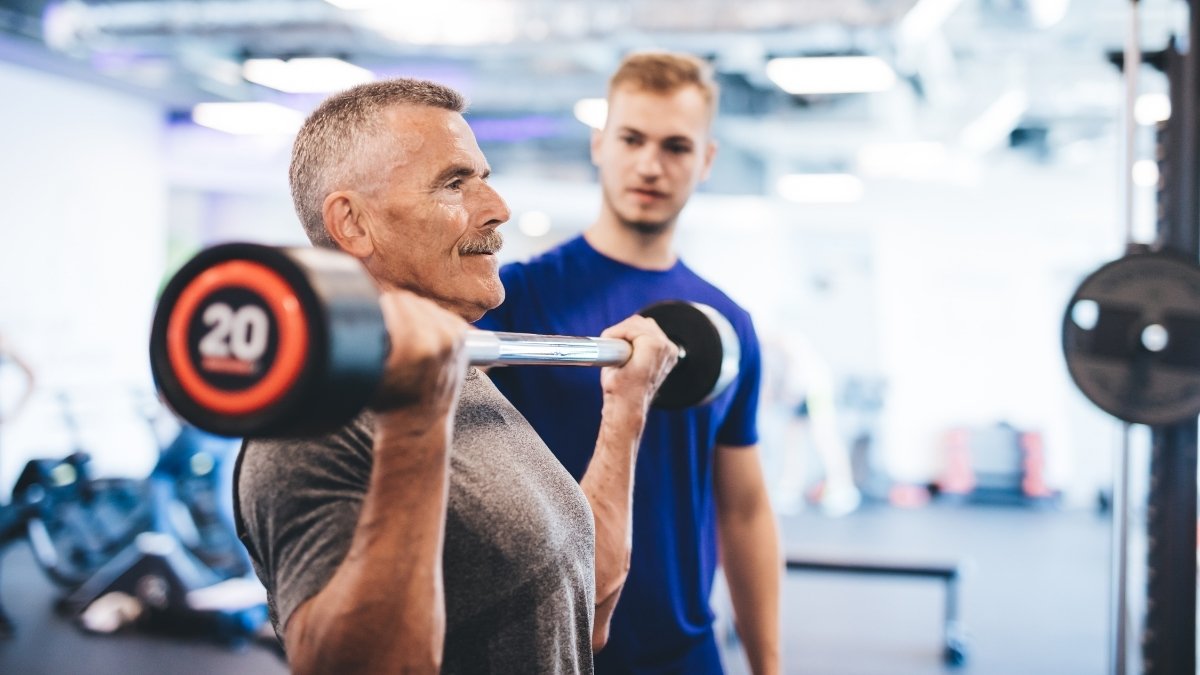
Picture yourself at 75, struggling to get up from a chair. Or worse, falling and breaking a hip. That’s the reality for people who skip strength training after 50. But it doesn’t have to be your story.
Here’s what happens if you do nothing. After 50, you lose 1-2% of your muscle mass every year. Your strength drops even faster—about 3% annually. This loss has a name: sarcopenia. And it steals your independence.
But strength training after 50 changes everything. When you lift weights or use resistance bands, your muscles contract. This sends signals to your bones. Your body responds by building new bone tissue. The result? Stronger muscles and denser bones.
A 2025 study proved this works. Older adults who did resistance training twice a week cut their fall risk by 48%. They moved better. They balanced better. They stayed independent longer.
The CDC says you need just two days per week. Target all major muscle groups. Even 10-30 minutes makes a difference.
Start simple. Do bodyweight squats while brushing your teeth. Use resistance bands during TV commercials. Pick up light dumbbells at home. Sarah, 52, started with 5-pound weights twice a week. At 75, she still gardens, travels, and lives alone. That’s the power of consistent strength training.

Your 70-year-old self will thank you.
HABIT 2: Prioritize Sleep Quality Over Quantity
The Sleep Pattern That Protects Your Brain for Decades

You probably think eight hours of sleep is the goal. But researchers at UC San Francisco discovered something surprising. Sleep quality matters more than quantity for preventing dementia. And what happens in your 50s sets the stage for your brain health in your 70s.
The study tracked people starting at age 40. Those with fragmented sleep—waking up often during the night—faced serious consequences. They were 2 to 3 times more likely to score poorly on memory tests, problem-solving, and thinking speed. The scary part? This happened decades before any dementia symptoms appeared.
Quality Over Quantity
Protecting Your Brain for Decades
The Discovery
UC San Francisco researchers found that sleep quality matters more than 8 hours for preventing dementia.
The Risk Factors
Fragmented sleep in your 40s leads to 2-3x poorer memory scores. Sleeping <6 hours in your 50s increases dementia risk later.
The Science
Poor sleep allows Amyloid Beta protein to build up, damaging brain cells decades before symptoms appear.
Fix It Tonight
Another study found that sleeping less than six hours nightly in your 50s increases dementia risk 20 years later. Scientists found why. Poor sleep lets a protein called amyloid beta build up in your brain. This protein damages brain cells over time.
But here’s the good news. You can fix your sleep quality right now. Stick to the same bedtime every night—even weekends. Keep your bedroom dark and cool. Turn off screens one hour before bed. If you wake up often, talk to your doctor.
HABIT 3: Cultivate Strong Social Connections
The Relationship Habit That Extends Your Life by Years
Loneliness kills. That’s not drama—it’s science. The World Health Organization found that loneliness causes 100 deaths every hour. That’s 871,000 people dying each year from being alone.

Your body treats loneliness like physical pain. When you feel isolated, stress hormones flood your system. This triggers chronic inflammation. Your immune system weakens. You become sick more easily.
The numbers are frightening. Social isolation increases your dementia risk by 50%. It raises your chance of heart disease or stroke by 30%. Your overall death risk jumps 26%. These aren’t small numbers. Social connections affect longevity as much as diet and exercise.
Here’s what makes this urgent. One in four Americans over 65 lives in social isolation. If you’re between 45 and 65 right now, 35% of your peers feel lonely. This is the critical period to build meaningful relationships that will protect you later.
Start this week. Join a walking group in your neighborhood. Sign up for a book club at your library. Volunteer at a local organization. Schedule weekly dinners with family or friends. Make these commitments non-negotiable.
Tom, 54, joined a Tuesday night bowling league. Five years later, those friends visited him daily during his heart surgery recovery. That’s community engagement health in action. Your social circle is medicine. Build it now, before you need it.
HABIT 4: Follow Mediterranean-Style Eating Patterns
The Eating Pattern That Adds Over a Decade to Your Life
Most diets promise results but fail long-term. The Mediterranean diet is different. A 2025 Nature study tracked 105,000 people for 30 years. Only 9% reached 70 without major diseases. Guess what they ate? Mediterranean-style foods.
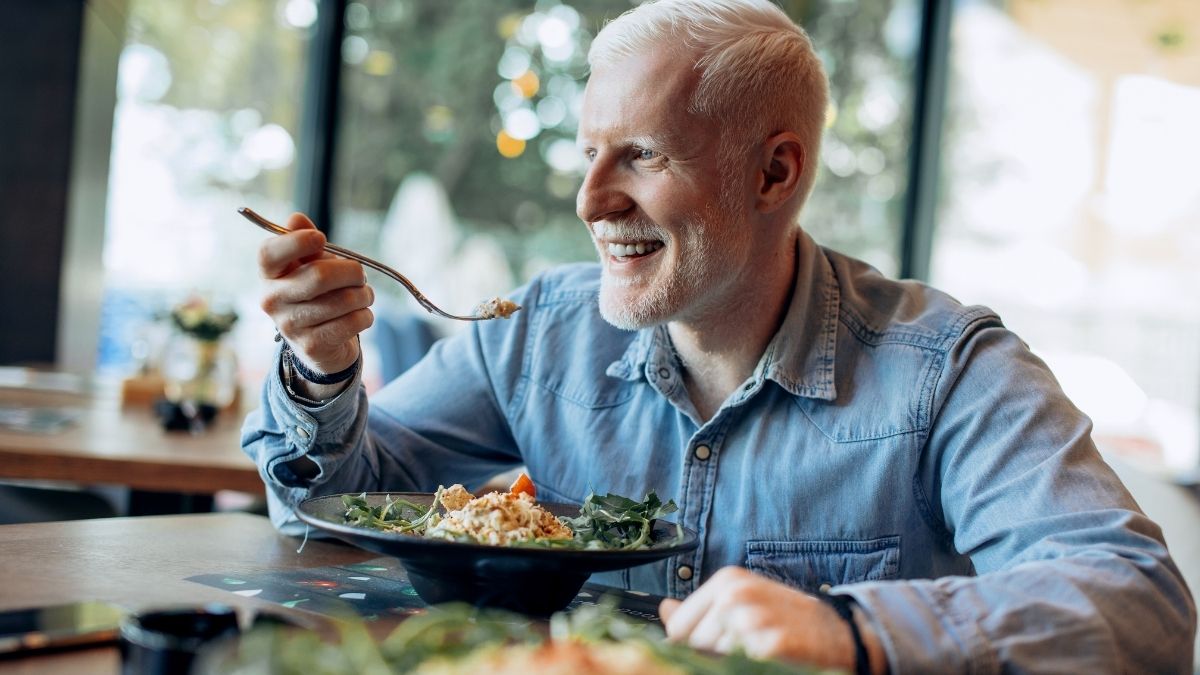
This isn’t a fad. Large clinical trials lasting years prove it works. People following this pattern have significantly lower rates of heart disease, stroke, and cognitive decline. One study found it slashes sudden cardiac death risk dramatically.
What makes Mediterranean diet benefits so powerful? It’s not one magic food. The pattern works because it fights inflammation throughout your body. Olive oil protects your arteries. Fatty fish feeds your brain. Vegetables and whole grains stabilize your blood sugar.
Here’s what you eat. Fill your plate with 7-9 servings of vegetables and fruits daily. Eat fatty fish like salmon or sardines 2-3 times each week. Use olive oil instead of butter. Snack on nuts. Choose whole grains over white bread and pasta.
Red meat becomes a monthly treat, not a daily meal. You’re adding brain-healthy nutrition, not removing everything you love. Maria, 51, swapped her butter for olive oil and added more fish. By 55, her cholesterol dropped 40 points without medication.
Start small. Add one Mediterranean meal this week. Next week, add another. This is anti-inflammatory food that tastes good and keeps you healthy for decades.
HABIT 5: Move Your Body Daily (Not Just Exercise)
The Movement Habit That’s More Powerful Than Genetics
You think your genes decide how long you’ll live. That’s wrong. A 20-year study of 36,000 adults over 65 proved that daily physical activity beats genetics every single time.

Here’s what shocked researchers. People born with genes linked to shorter lifespans gained MORE years from moving their bodies than people with good genes. Your daily choices matter more than your DNA. That’s huge news if health problems run in your family.
You don’t need a gym membership. You don’t need fancy equipment. You need 3.5 hours of movement each week. That’s 30 minutes most days. Walk briskly. Do yoga in your living room. Climb stairs. These activities cost nothing and add years to your life.
The key is consistency, not intensity. Walking 7,000 to 10,000 steps daily works better than occasional intense workouts. Park farther from store entrances. Take phone calls while walking. Stand at your desk for an hour. These small changes create active lifestyle benefits that compound over time.
Linda, 53, started walking during her lunch break. She added stairs instead of elevators. Five years later, her doctor said her heart looked 10 years younger. Movement habits aging well don’t require perfection. They require showing up daily.
HABIT 6: Manage Stress Through Consistent Practices
The Stress Habit That Protects Your Cells From Aging
Stress is aging you faster than you think. When you’re stressed, your body pumps out cortisol. High cortisol constantly flooding your system damages your cells. It disrupts your sleep. It weakens your immune system. You literally age faster at the cellular level.

But here’s what gives you power. Stress management aging techniques actually change your brain’s structure. Scientists can see these changes on brain scans. Mindfulness, gratitude journaling, and deep breathing rebuild your brain through neuroplasticity. Your brain creates new pathways that handle stress better.
You don’t need hours of meditation. Start with 5-10 minutes daily. Sit quietly and breathe deeply for five counts in, five counts out. Write down three things you’re grateful for before bed. Take a 10-minute walk outside without your phone.
Health experts rank stress management alongside sleep, fitness, and diet as fundamental to longevity. That’s how important cortisol control is for your health. Chronic stress steals years from your life. Managing it gives those years back.
James, 56, started meditating for 10 minutes each morning. Within three months, his blood pressure dropped. His sleep improved. His wife said he seemed calmer. Building emotional resilience doesn’t happen overnight. But every day you practice, you protect your cells from aging damage.
HABIT 7: Maintain Healthy Weight and Metabolic Function
The Metabolic Habit That Prevents Multiple Diseases
Your scale number matters less than you think. Metabolic health matters more. You can be at a “normal” weight but have high blood pressure, high blood sugar, and bad cholesterol. That’s metabolic disease waiting to happen.
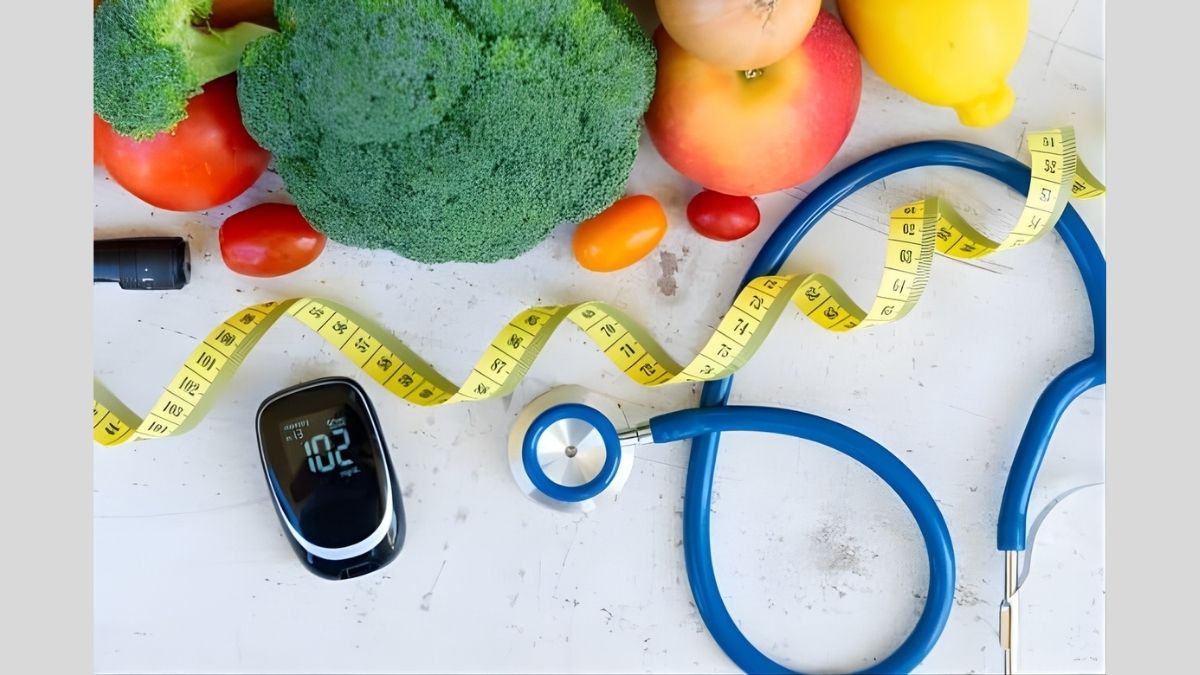
Research shows that maintaining a BMI between 18.5 and 24.9 adds over a decade to your lifespan. But here’s what doctors want you to know. Your waist circumference, blood pressure, fasting glucose, and lipid panel tell the real story about your health.
Excess weight creates constant inflammation in your body. It stresses your joints. It raises your risk for heart disease, diabetes, and cancer. Weight management over 50 becomes harder because your metabolism slows. But harder doesn’t mean impossible.
Focus on protein first. Adults over 50 need 1.2 to 1.6 grams of protein per kilogram of body weight daily. Spread it across all meals. Your muscles need more protein now to maintain mass and strength. This protects your metabolic health as you age.
Skip crash diets. They don’t work long-term. Make small changes you can keep forever. Eat more vegetables. Control portion sizes. Prioritize lean proteins. Track your body composition, not just weight. Rachel, 52, focused on these markers instead of the scale. Her energy doubled. Her doctor cut her blood pressure medication in half.
HABIT 8: Stay Mentally Active and Continuously Learn
The Learning Habit That Builds Cognitive Reserve
Your brain needs exercise just like your muscles. Mental fitness protects you from cognitive decline. Scientists call this building “cognitive reserve”—your brain’s backup system when age-related changes begin.
An 80-year study revealed something fascinating. People who stay conscientious—who pay attention to details and think things through—live longer. They make better choices. They build stronger relationships. They keep their minds sharp by constantly learning.
Learning new skills creates new pathways in your brain. When you study a language, play an instrument, or master a hobby, your brain grows stronger. This brain health aging strategy works at any age. You’re never too old to learn.
Here’s your action plan. Learn something new each week. Take an online course. Pick up a musical instrument. Study a foreign language. Play strategy games like chess or bridge. Read books outside your usual topics. Teach skills to others—teaching forces your brain to organize information differently.
Combine mental stimulation with social connections and physical activity for maximum protection. George, 55, started learning Spanish and joined a conversation group. At 70, his memory tests score better than people 20 years younger. Lifelong learning isn’t about being perfect. It’s about staying curious and engaged with the world around you.
Final Thoughts:
LIFESTYLE
BEATS DNA
Research Proven
Bad genes + Healthy habits = 12 extra years. Good genes + Poor habits = Early death.
Your 50s determine the health of your brain, bones, and heart for your 70s.
Pick one habit. Master it for 30 days. It takes 66 days to stick. Consistency > Perfection.
“Your future self is counting on the choices you make today.”