The Critical Age When Your Strength Declines — And How to Reverse It
You’re 35, and suddenly that grocery bag feels heavier. At 42, climbing stairs winds you more than it used to. By 50, you’re wondering why your body feels weaker despite no major health changes.
Here’s what most people don’t know: age-related muscle loss starts in your 30s and 40s—decades before you retire. Every year after 30, you lose a little more muscle. Scientists call this sarcopenia, which is the medical term for age-related muscle strength decline.
This isn’t about how you look in the mirror. It’s about staying independent. It’s about not falling and breaking a hip when you’re 70. It’s about reducing your risk of diabetes, heart disease, and early death.
The good news? You can reverse it. In this guide, you’ll learn the exact age when muscle decline begins, backed by 2025 research. You’ll see why it happens at the cellular level. Most importantly, you’ll get proven strategies to reverse up to several decades of decline.
You’ll walk away with a practical action plan you can start today. No confusion. No guesswork. Just clear steps that work.

- Based on 2024-2025 studies (Lancet, MDPI).
- Muscle loss starts at age 30: 0.37%/yr (women), 0.47%/yr (men).
- Vitamin D deficiency increases sarcopenia risk 3x (2024 data).
- Heavy strength training can reverse decades of decline.
- Specific protein targets: 1.2-1.5 g/kg/day.
- Training frequency: 2-3x weekly at 70-85% max load.
- 12-week timeline with week-by-week actions.
- Expected results: 30-40% strength gain.
- VU Amsterdam mitochondrial research (2025).
- Swedish longitudinal study showing 15-20% decline from age 34-52.
- ESPEN Expert Group protein guidelines.
- Multiple peer-reviewed journals.
The Good News: Muscle Loss Is Largely Reversible
Here’s what changes everything: you can reverse muscle loss at any age. A 2024 study found that progressive strength training can reverse sarcopenia stage in middle-aged and older adults regardless of their genetic profile. Even people in their 85+ can build muscle.
Research from April 2025 shows something even more impressive. Heavy strength training can reverse several decades of age-related decline. We’re talking about complete reversal of muscle architecture changes—not just slowing things down, but actually turning back the clock.

How fast can you see results? Your muscles start responding within days. Your body begins making more protein to repair and build muscle tissue almost immediately. You’ll notice real strength gains in 2-4 weeks. By 8-12 weeks, the improvements become significant. Most people gain 1-2% muscle mass per month with consistent training.
It’s never too late to start. Studies show frail nursing home residents making major improvements with sarcopenia treatment. Research includes adults from 65 to 90+ years old. Your genetics don’t stop you from getting results. Your starting point doesn’t matter either.
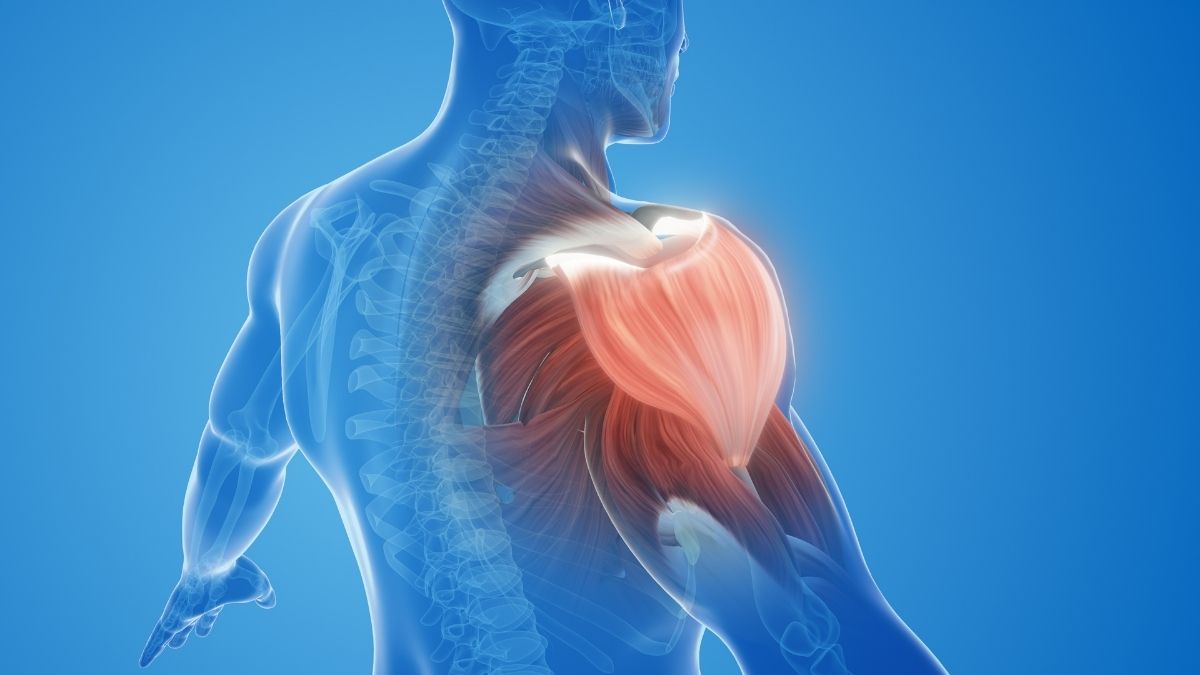
The combination approach works best for muscle regrowth older adults. Strength training plus protein gives you better results than either one alone. Eat protein right after your workout—timing matters. The key is consistency. Stick with it, and the strength training benefits keep coming. Stop, and you’ll lose what you gained.
Strategy #1: The Right Type of Strength Training
If you could only make one change to reverse muscle loss, this would be it. Resistance training is the only exercise proven to rebuild muscle mass. Cardio is great for your heart, but it won’t stop sarcopenia.
Here’s what the science shows: people who do strength training older adults gain 1-2% muscle mass every month. Their strength shoots up 30-40% within just a few months. A 2025 study found that heavy strength training can reverse several decades of age-related decline.

How often should you train? Start with 2 sessions per week. That’s your minimum. If you can do 3 sessions, even better. Just make sure you rest 48 hours between working the same muscles. Your body needs time to rebuild.
Pick the right exercises. Focus on your legs first. Why? You lose muscle faster in your legs, and leg strength affects everything you do—climbing stairs, getting out of chairs, walking without falling. Do squats, leg presses, lunges, or step-ups. Then add upper body work like push-ups, rows, and overhead presses. Finish with core exercises like planks.

How heavy should you lift? The research is clear: heavier weights work better for preventing muscle loss. Aim for weights that feel challenging on your last 2-3 reps. If you’re new to this, start with just your body weight. You can always add resistance later.
Do 2-3 sets of each exercise. Aim for 8-12 reps per set. When those reps feel easy, add 2.5-5 pounds. That’s called progressive overload, and it’s how you keep building strength.

A simple routine: Monday and Thursday, warm up for 5-10 minutes. Do squats (3 sets of 10), chest presses (3 sets of 10), rows (3 sets of 10), and lunges (2 sets of 8 each leg). Stretch when you’re done.
Form matters more than weight. If something hurts (sharp pain, not muscle burn), stop. Some soreness the next day is normal. If you’re frail or have health issues, work with a physical therapist first.
Strategy #2: Protein Intake That Actually Works
Most people over 50 aren’t eating enough protein. And timing matters more than you think. Here’s what you need to know.
The old rules don’t work. For years, doctors said you need 0.8 grams of protein per kilogram of body weight. That’s outdated. New research from 2024 shows older adults need 1.2-1.5 g/kg daily to preserve muscle mass. If you exercise, bump that up to 1.6 g/kg.
Let’s make this simple. If you weigh 150 pounds, you need 82-109 grams of protein every day. That’s more than most people eat.

Why do older adults need more? Your muscles become resistant to protein as you age. Scientists call this “anabolic resistance.” Your body needs a bigger dose of protein intake muscle mass to trigger muscle building. Young people need about 20 grams per meal. You need 25-40 grams.
When you eat protein matters too. Don’t save it all for dinner. Spread it across three meals. Your muscles can only use so much protein at once. Eating 30 grams at breakfast, 30 at lunch, and 35 at dinner works better than eating 95 grams at dinner.
After you work out, eat protein within 2 hours. This is when your muscles are ready to rebuild. Even eating protein before bed helps with overnight muscle repair.
What should you eat? Animal proteins work best because they contain leucine, the muscle-building amino acid your body needs most. Three eggs plus a cup of Greek yogurt gives you 30 grams at breakfast. Four ounces of chicken with a cup of quinoa is 35 grams at lunch. Six ounces of salmon with beans at dinner gets you 45 grams.
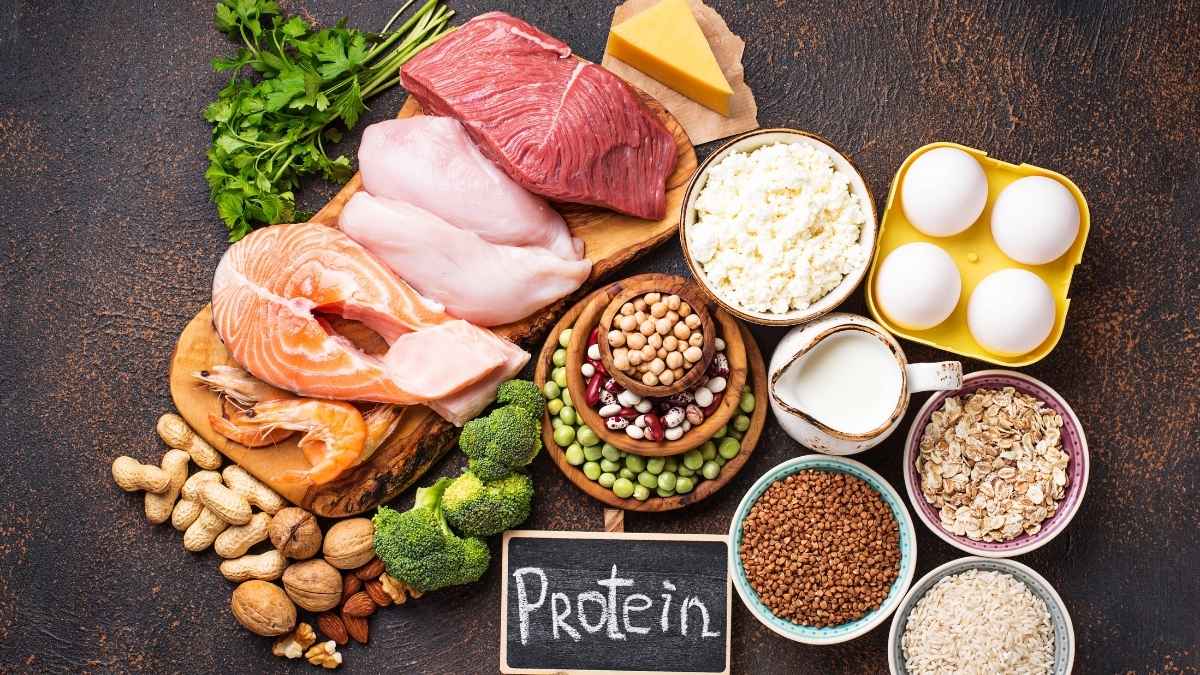
Plant proteins work too, but you need more of them. Combine beans, lentils, tofu, and quinoa throughout the day. Add a plant-based protein shake if you can’t hit your numbers with food alone.
Common mistakes: Most people eat all their protein at dinner. They skip protein at breakfast. They don’t track what they’re eating and guess wrong. And many worry protein will hurt their kidneys—that’s only true if you already have kidney disease.
Strategy #3: The Overlooked Nutrients
Exercise and protein do the heavy lifting. But a few key nutrients can speed up your results—especially if you’re running low on them.
Vitamin D is the big one for vitamin D muscle strength. Your muscles have vitamin D receptors built into them. When you don’t get enough, your muscles get weaker. A 2024 study in the Lancet found that people with low vitamin D were three times more likely to develop sarcopenia.
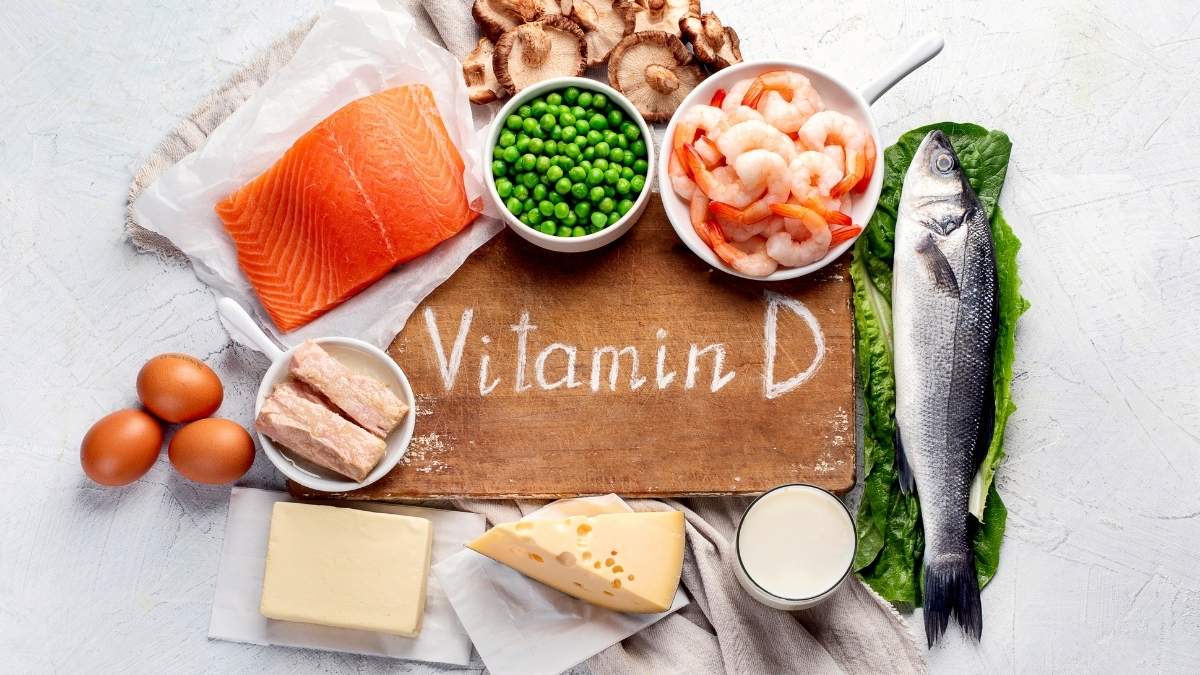
Get your blood tested first. If your levels are below 20 ng/mL, you’re deficient. Take 1,000-4,000 IU daily. Sun exposure helps, but most people still need supplements to hit the right levels.
Omega-3 fatty acids fight the inflammation that speeds up muscle loss. They may also help your muscles respond better to protein. Eat fatty fish like salmon or mackerel twice a week. Or take 1-2 grams of EPA and DHA daily through fish oil supplements prevent muscle loss.

Creatine isn’t just for bodybuilders. Your body makes it naturally, but production drops as you age. Studies show creatine older adults combined with strength training builds more muscle than training alone. Take 3-5 grams daily. Creatine monohydrate is the form with the most research behind it. It’s safe for long-term use if you’re healthy.
Don’t forget vitamin B12 and magnesium. Many older adults run low on both. B12 helps your body use protein and keeps the nerves that control your muscles working right. You’ll find it in eggs, dairy, and meat. Magnesium helps muscles contract and plays a role in building protein. Eat leafy greens, nuts, seeds, and whole grains.

Skip these supplements: Testosterone boosters don’t work unless a doctor prescribes them. BCAAs (branched-chain amino acids) are a waste of money—whole protein sources work better. And those expensive “anti-aging” supplements? Most have zero proof they do anything.
Additional Strategies for Maximum Results
Strength training and protein are your foundation. But these lifestyle factors muscle loss can either speed up your progress or slow it down.
Sleep is when your muscles actually grow. Your body releases growth hormone during deep sleep. That’s when all the repair work happens. Aim for 7-9 hours every night. When you sleep poorly, your body pumps out cortisol, which breaks down muscle tissue.

Keep inflammation under control. Chronic inflammation muscle aging speeds up muscle breakdown. Eat like people in the Mediterranean do—lots of colorful vegetables, berries, olive oil, and fish. Cut back on processed foods, sugar, and anything with trans fats.
Move throughout your day, not just at the gym. Scientists call it NEAT—non-exercise activity thermogenesis. It’s all the movement you do outside of workouts. Take the stairs. Walk to get your mail. Work in your garden. Sitting all day makes muscle loss worse. Try to hit 7,000-10,000 steps daily.

Avoid things that destroy muscle. Smoking cuts down protein synthesis in your muscles. Too much alcohol messes with recovery. Chronic stress keeps cortisol high, which eats away at muscle. Long periods of sitting or bed rest accelerate loss. And crash diets with very few calories? They burn muscle along with fat.
See your doctor regularly. Chronic diseases speed up sarcopenia. Thyroid problems change how your body builds muscle. If you have diabetes, keeping it managed matters. Some medications affect muscle too—ask your doctor about alternatives.

Get professional help if you need it. A physical therapist can teach you proper form and modify exercises for any joint problems. A registered dietitian can create meal plans that hit your protein targets. A personal trainer who works with older adults knows how to progress safely. They can also do baseline tests like grip strength and walking speed to track your progress.
Your 12-Week Action Plan to Reverse Muscle Loss
Here’s your step-by-step muscle building program to reverse muscle loss steps. Follow this sarcopenia exercise plan, and you’ll see real results in three months.

Weeks 1-2: Foundation Phase Get your starting numbers. Test your grip strength, see how many times you can stand up from a chair in 30 seconds, and time how long it takes to walk 4 meters. Calculate your protein needs: take your weight in kilograms and multiply by 1.2-1.5. Track what you eat for 3-5 days to see where you’re at now.
Schedule two strength training sessions per week. Pick 4-5 basic exercises like squats, push-ups, and rows. Focus on learning the right form, not lifting heavy. Start with your body weight or light weights. Make sure you’re eating protein at every meal.
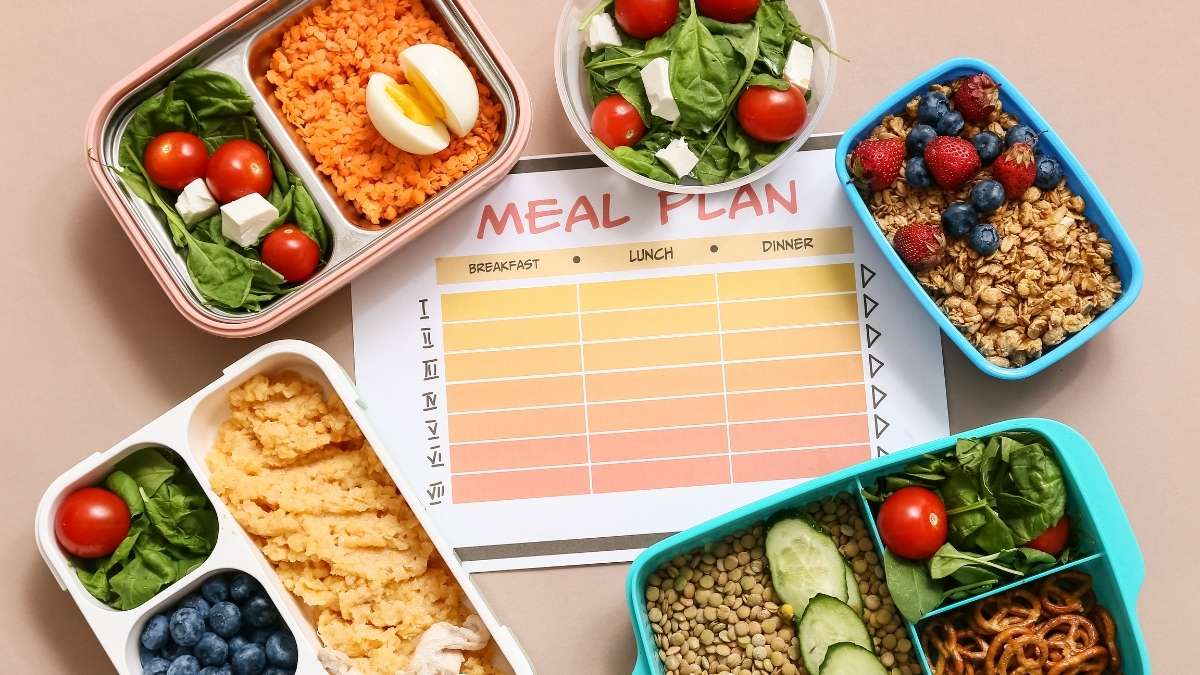
Weeks 3-4: Establishment Phase Bump up to 2-3 training sessions if you feel good. When an exercise feels easy, add a little weight. Hit your protein target every single day. If your vitamin D is low, start taking a supplement. Set a regular sleep schedule and stick to it. Write down your workouts so you can track progress.
Weeks 5-8: Progression Phase This is where the strength training schedule gets serious. Add weight every 1-2 weeks. If you’re doing 2 sets, increase to 3. Add 1-2 new exercises to your routine. Spread your protein evenly across breakfast, lunch, and dinner. You’ll start noticing real changes—stairs feel easier, carrying groceries isn’t as hard. Think about adding omega-3 or creatine. Your energy should be going up.

Weeks 9-12: Optimization Phase Test yourself again with the same measurements from week 1. You should see 5-15% stronger results. You might have gained 0.5-1 kg of lean muscle. Look at what worked and what didn’t. Plan your next 12-week cycle with bigger goals. Consider adding power training—like standing up from a chair quickly. Adjust your diet and routine based on your results.
What to expect after 12 weeks: Your muscle strength should jump 30-40%. Muscle mass increases 1-2%. You’ll walk faster, balance better, and feel less tired during daily tasks. Energy and sleep improve too.
Keep your results: Don’t stop training—2-3 sessions per week is non-negotiable. Keep eating 1.2-1.5 g/kg of protein daily. Keep adding weight or reps. Test yourself once a year to make sure you’re still improving.
Track these numbers: Grip strength with a hand dynamometer. Chair stands in 30 seconds. How fast you walk 4 meters. Body weight and muscle percentage. How much weight you lift in exercises. How your energy feels on a 1-10 scale.
Final Thoughts:
Muscle loss starts at age 30, not when you retire. But here’s what matters: the decline is reversible at any age if you take the right steps.
The formula is straightforward. Do resistance training 2-3 times per week. Eat 1.2-1.5 grams of protein per kilogram of your body weight every day. Add vitamin D and other key nutrients to support the process. Stick with it for 12 weeks, and you’ll see real, measurable results.

Don’t wait until muscle loss takes over your daily life. The strategies that work—strength training and enough protein—are simple, safe, and backed by solid science. Start with one change this week. Schedule your first strength training session. Or sit down and calculate exactly how much protein you need each day.
Age-related muscle loss and sarcopenia are preventable and reversible conditions. With evidence-based strategies, you can maintain strength, independence, and quality of life well into your later years. Your future self will thank you for taking action today.