Stop Believing These 7 Aging Myths That Are Keeping You Old And Tired
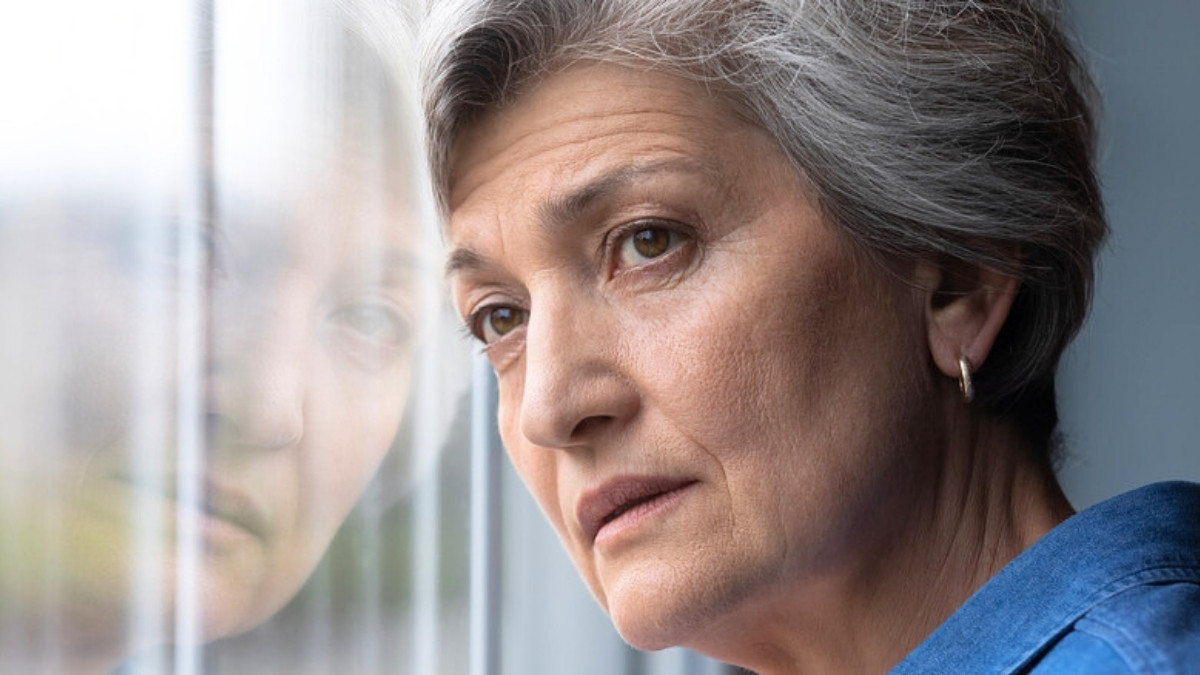
Most people are not aging badly because of their genes. They are aging badly because of what they believe about aging.
Here is the painful truth: millions of people feel tired, weak, and mentally slow — and they have just accepted it. They stopped trying. They told themselves, “This is just what getting older feels like.” But that belief is costing them years of good health.
Science has changed the story completely. What researchers now know about aging is very different from what most people were taught. Seven specific myths are keeping people stuck. Each one has been proven false.
And once you know the truth, you can do something about it — starting this week.
Myth 1: Your Genes Control How You Age, So There Is Nothing You Can Do

This is one of the most common excuses people use — and it turns out to be mostly wrong. Family studies show that only about 25% of how long you live comes from your genes. That means the large majority of your health outcome is in your hands.
The current science is clear: roughly 70 to 80% of your health and longevity comes from epigenetics. That is the process where your daily habits — what you eat, how you move, how much you sleep — actually change how your genes behave. Your genes are not a fixed sentence.
Scientists say that for the first seven or eight decades of life, your lifestyle matters more than your DNA. Even a new 2026 study that found genetics may account for up to 55% of biological aging had its own author say this: lifestyle, exercise, and diet still shift the outcome. Genes load the gun. Your habits pull the trigger.
Do this now: Write down three habits you stopped because you blamed your genes. Pick one. Restart it this week.
Myth 2: Physical Decline After 60 Is Inevitable and Cannot Be Stopped

People often confuse two very different things. Yes, some muscle loss happens as you age. But that does not mean it cannot be reversed. Those are not the same thing — and this difference matters a lot.
Frailty is mostly caused by inactivity, poor nutrition, and ongoing inflammation. Not by age itself. The CDC reports that regular exercise can cut fall risk by nearly 30% in older adults. Research from the American Journal of Clinical Nutrition found that people over 60 can gain up to 20% more muscle strength with consistent strength training.
Adults in their 70s and beyond can still improve strength, balance, and mobility when they exercise regularly. A major 2025 global report on exercise and aging found that just 75 minutes of brisk walking per week added nearly two years to life expectancy compared to no activity.
Do this now: Start two resistance training sessions per week. Bodyweight squats or resistance bands — even 20 minutes — produce real results. Do not wait to feel ready.
Myth 3: Memory Loss and Mental Slowdown Are Just Part of Getting Older

Some things do change as your brain ages. Processing speed slows a little. That is real. But major memory loss is not a guaranteed part of aging. And that is a critical difference most people never hear.
Harvard Medical School confirms that your basic ability to learn stays with you for your whole life. As you age, connections between distant parts of your brain actually get stronger. A study in Nature Aging found that staying socially active in midlife lowers dementia risk by 30 to 50%.
A 2024 Lancet report found that roughly 45% of dementia cases could be prevented by changing 14 modifiable risk factors throughout life. Brain plasticity does not stop at retirement. Older adults can still learn new skills, build new memories, and improve — the brain changes, but it keeps working.
Do this now: Pick one new skill this month. A new recipe. A new walking route. One word in another language. Novelty is protective for your brain.
Myth 4: It Is Too Late to Start Healthy Habits After 60 or 70

If you have ever thought “I’ve left it too late,” this section is for you. And the evidence here might surprise you.
Research shows that older adults who adopted four or more healthy habits in their 70s cut their risk of death by as much as 50%. Other studies show that healthy aging strategies work even when started late in life — and some can actually reverse existing decline, not just slow it down.
A doctor at Northwell Health put it simply: “I have seen people in their 60s, 70s, and beyond make significant improvements. They sleep better. They lose weight. Their blood pressure normalizes. Their energy comes back. The body wants to heal.”
The idea of a “point of no return” is one of the most damaging myths in aging culture. It removes your motivation before you even try. The real question is not whether it is too late. The real question is: what is the smallest habit you can start today?
Do this now: Write down one health habit you abandoned — no matter how long ago. Start the smallest version of it tomorrow morning.
Myth 5: Older Adults Need Less Sleep and Feeling Tired Is Just Normal

This myth causes real damage. Many older adults accept constant tiredness as part of life — and suffer for it every single day.
The truth: older adults still need seven to nine hours of sleep per night. The actual amount your body requires does not drop much with age. What changes is sleep quality — and that is often caused by fixable problems, not aging itself. Health conditions, medications, poor habits, and undiagnosed sleep apnea are common culprits.
Chronic tiredness is almost never “just age.” Sleep deprivation at any age damages memory, mood, metabolism, and immune function. One important and often missed issue is sleep apnea — very common in adults over 50, and frequently undiagnosed. A simple sleep study and CPAP treatment can reverse years of exhaustion.
Tiredness is a symptom. It is not a life sentence.
Do this now: Remove screens from your bedroom, set a consistent bedtime, and cut caffeine after 1 PM. If you snore heavily or wake up exhausted, ask your doctor about a sleep study.
Myth 6: Your Brain and Personality Are Fixed — You Cannot Really Change After a Certain Age
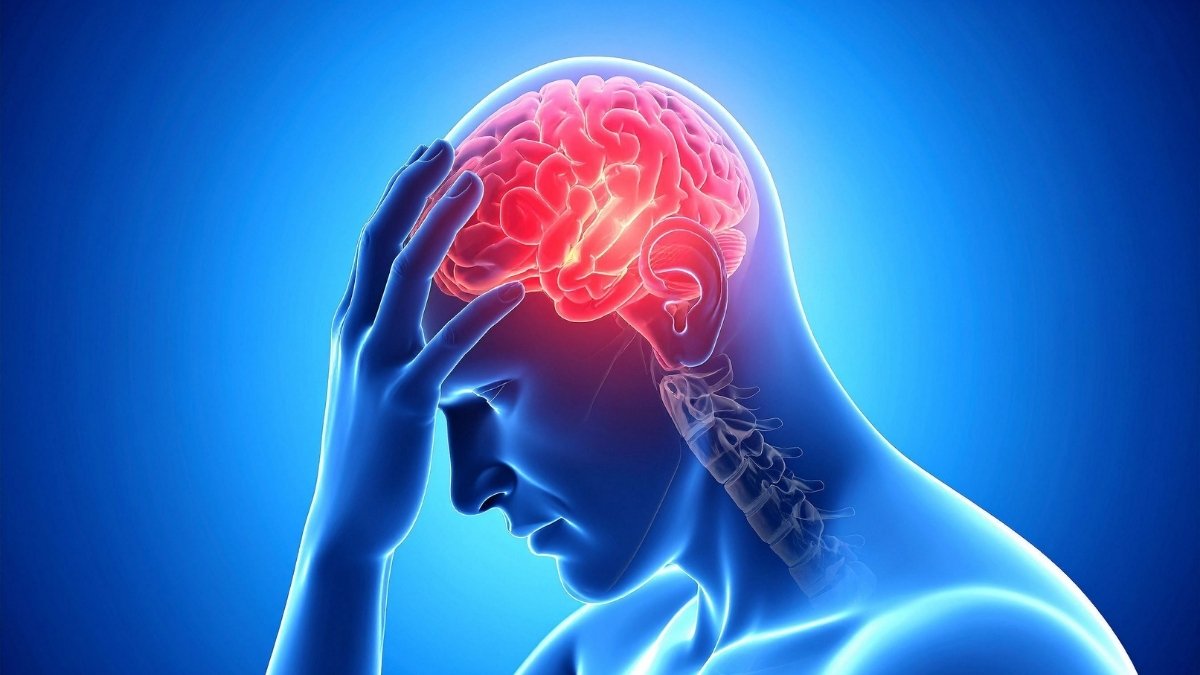
This myth does not just affect memory. It affects how people see themselves. And that is why it is so damaging.
The brain continues to create new cells and form new connections at any age — a process called neuroplasticity. Many older adults successfully learn new technologies, languages, and hobbies. This kind of mental activity builds a cognitive reserve — a kind of buffer that helps your brain stay adaptable and compensate for age-related challenges.
Personality is more flexible than most people think too. Studies show that emotional control, patience, and wisdom actually improve with age. Older adults often shine in problem-solving and drawing from experience — what researchers call “crystallized intelligence.” The “can’t teach an old dog new tricks” idea is not just false. It is actively harmful because it stops people from investing in themselves.
Do this now: Commit to one deliberate learning activity per week. A YouTube tutorial, a library book, a conversation with someone younger than you. Your brain needs novelty to stay sharp.
Myth 7: Aging Automatically Means Depression, Loneliness, and Unhappiness

This is the myth that robs people of their later years before those years even arrive.
Some studies show that happiness and life satisfaction actually go up with age. Older adults often report higher emotional well-being than younger people — because they have better emotion regulation and a clearer sense of what truly matters. Loneliness in older adults is not caused by age. It is caused by social withdrawal, often driven by false beliefs about aging itself.
Social connection is not just good for your mood. It is biologically protective. The same research that found social engagement cuts dementia risk by 30 to 50% shows how powerful connection really is. And research also shows that simply expecting physical and emotional decline makes it more likely to happen.
You do not need to fight aging. You need to stop believing it is a fight you have already lost.
Do this now: Schedule one social engagement this week. A phone call counts. A walk with a neighbor counts. Social connection is one of the most powerful tools for healthy aging that exists.
Final Words,
Genetics, physical decline, memory loss, missed chances, exhaustion, fixed personality, and unhappiness — all seven of these myths have been proven wrong. You now have the truth and a clear first step for each one.
Pick the myth you have believed the longest. Take the action under it this week. That one shift is how healthy aging actually starts — and it proves that aging myths do not have to control your life.