Seniors Who Do This Cardio 3x Weekly Have 40% Lower Mortality (30-Year Study Confirms)
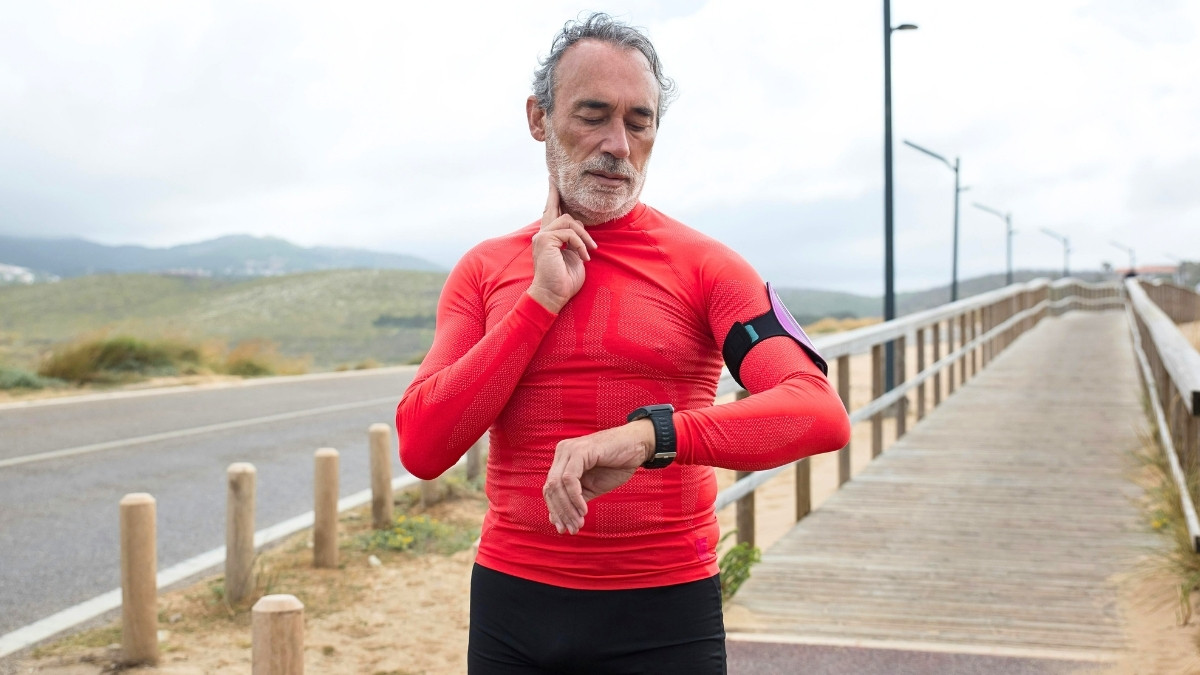
Adults who remain consistently physically active throughout their lives show a 30-40% lower risk of death compared to those who stay inactive, according to research published in 2025. That’s not a small difference. It’s the gap between independence at 80 and struggling to climb stairs.
You already know exercise matters. But you’re probably confused about the details. How much cardio do you actually need? How hard should you push? Three times a week or five? The internet gives you a thousand different answers, and your doctor says “stay active” without explaining what that means.
Here’s what this guide covers: the exact cardio for seniors mortality reduction that science proves works. You’ll learn which cardiovascular exercise types protect your heart without hurting your joints. You’ll get a simple 3-day weekly routine you can start Monday, no gym required.

Most importantly, you’ll see how to increase your physical activity levels safely. No guessing, no confusion, no conflicting advice. Just the proven plan that cuts your death risk by 40%. This isn’t about becoming an athlete. It’s about adding years to your life through consistent activity that actually fits your schedule.
This Cardio 3x Weekly
The 30-Year Study: What the Research Actually Shows
The evidence comes from multiple landmark studies tracking over 100,000 people for three decades. These aren’t short-term observations. Researchers followed the same adults from middle age into their senior years, watching who stayed healthy and who didn’t.

Here’s what they found: Adults who did 150-600 minutes of moderate physical activity each week had 26-31% lower risk of dying from any cause. That’s walking, swimming, or biking at a pace where you can still talk but feel your heart working.
The cardiovascular disease prevention numbers are even better. People who stayed consistently active had roughly 40% lower risk of dying from heart-related problems. That’s nearly half the risk just from moving regularly.
You don’t need to become a marathon runner. Even 75-149 minutes of vigorous activity weekly (like brisk walking or water aerobics) dropped mortality reduction by 19%. Start with just 75 minutes of moderate activity and you’ll see benefits.

The best part? More movement kept adding years. Researchers found no upper limit where extra activity stopped helping. Whether you’re 60 or 85, fit or just starting, the 30-year longitudinal study showed benefits for everyone.
Why Cardio Exercise Specifically Protects Against Early Death
Your heart is a muscle. Like any muscle, it gets stronger when you use it regularly. But cardio does something special that other exercises can’t match for cardiovascular health seniors.

Regular cardio activity cuts your cardiovascular mortality risk by 27%. That’s more than one in four deaths prevented. Here’s the interesting part: scientists can’t explain 40% of how this works. Traditional factors like lower cholesterol and blood pressure only tell part of the story.
What happens inside your body? Your resting heart rate drops because your heart pumps more blood with each beat. You’ll see blood pressure fall by about 7/5 mmHg. Your arteries stay flexible instead of getting stiff. Inflammation markers in your blood go down.
The numbers get even better with simple walking. Hitting 6,500 steps daily links to a 49% drop in heart disease deaths. That’s less than half the risk for something you can do while listening to podcasts.

But heart disease prevention isn’t the only win. Your brain gets more oxygen, which protects memory. Your balance improves, preventing falls. You keep muscle that usually disappears with age. Better cardiorespiratory fitness means you stay independent longer.
Your heart works 100,000 times per day. Make those beats count.
7 Safest and Most Effective Cardio Exercises for Seniors
You don’t need fancy equipment or a gym membership. These seven low-impact cardio seniors options work for any fitness level and protect your joints while strengthening your heart.
1. Brisk Walking
This is the easiest way to start. Just 20-30 minutes most days strengthens your heart and drops your blood pressure. You can do it anywhere, anytime.
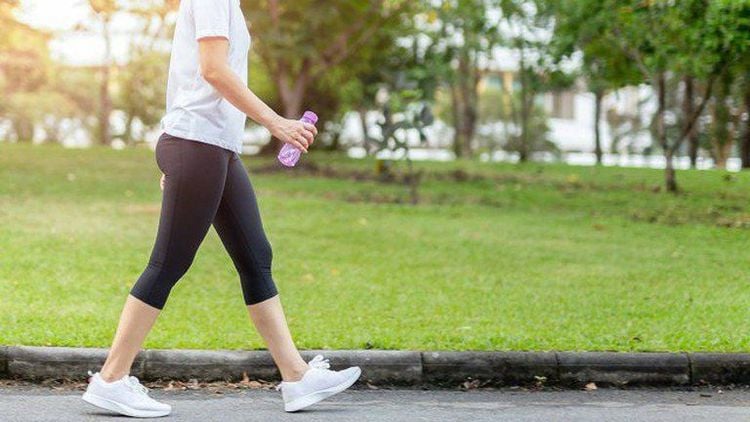
Aim for 3 mph or faster. That’s roughly one mile in 20 minutes. You should be able to talk but feel slightly breathless. Wear shoes with good arch support and cushioning. Stick to sidewalks, tracks, or smooth trails to avoid tripping hazards.
Start with 10 minutes if that’s all you can do. Add 2-3 minutes each week until you hit 30 minutes.
2. Water Aerobics
Water is your friend if you have joint pain or arthritis. This low-impact exercise carries almost no injury risk, which is why it’s so popular with older adults.
The water’s resistance makes your muscles work harder without stress on your knees or hips. Most community pools offer senior water aerobics classes. The social aspect keeps you coming back.

You don’t need to know how to swim. Most classes happen in shallow water where you can stand comfortably.
3. Stationary Cycling
A bike that doesn’t move might sound boring, but it’s one of the safest cardiovascular exercises you can do. Recumbent bikes work best because they support your back and eliminate balance worries.

Start with just 10 minutes at low resistance. Your legs might feel tired at first. Build up to 30-50 minutes over several weeks. Adjust the resistance dial slowly as you get stronger.
You can read, watch TV, or listen to music while pedaling. Many seniors find this easier to stick with than other exercises.
4. Swimming
If you like water but want more intensity than aerobics, swimming gives you a full-body workout with zero impact on your joints. The buoyancy supports your body weight, so there’s no stress on your back, knees, or ankles.

Any stroke works—freestyle, backstroke, or breaststroke. Can’t swim well? Pool walking in chest-deep water gives similar benefits. Walk forward, backward, and sideways to work different muscles.
Start with 10-15 minutes and add time as your stamina improves.
5. Dancing
This might be the most fun option on the list. Dancing combines cardio with balance training and coordination work. The music and social connection make you forget you’re exercising.

Ballroom, line dancing, and Zumba Gold all count as senior-friendly workouts. You don’t need a partner or previous experience. Most community centers offer beginner classes specifically for older adults.
Even dancing in your living room to your favorite songs counts. Move for 20-30 minutes and you’ve hit your cardio goal.
6. Elliptical Machine
This machine looks intimidating but it’s actually gentler on your body than walking. It cuts the impact on your ankles and knees while still giving you a solid cardio workout.

Hold the handrails until you feel steady. Most machines let you adjust the stride length and resistance. Start slow and short—just 5-10 minutes. Your heart and lungs will adapt quickly.
The digital display shows your heart rate, so you can stay in your target zone without guessing.
7. Rowing Machine
Rowing works your entire body at once—legs, core, back, and arms. It’s safe and effective with minimal joint pressure, making it perfect for seniors who want efficient workouts.
Proper form matters here. Push with your legs first, then pull with your arms. Start with 5-minute sessions to learn the movement pattern. Build to 20-30 minutes as it feels easier.
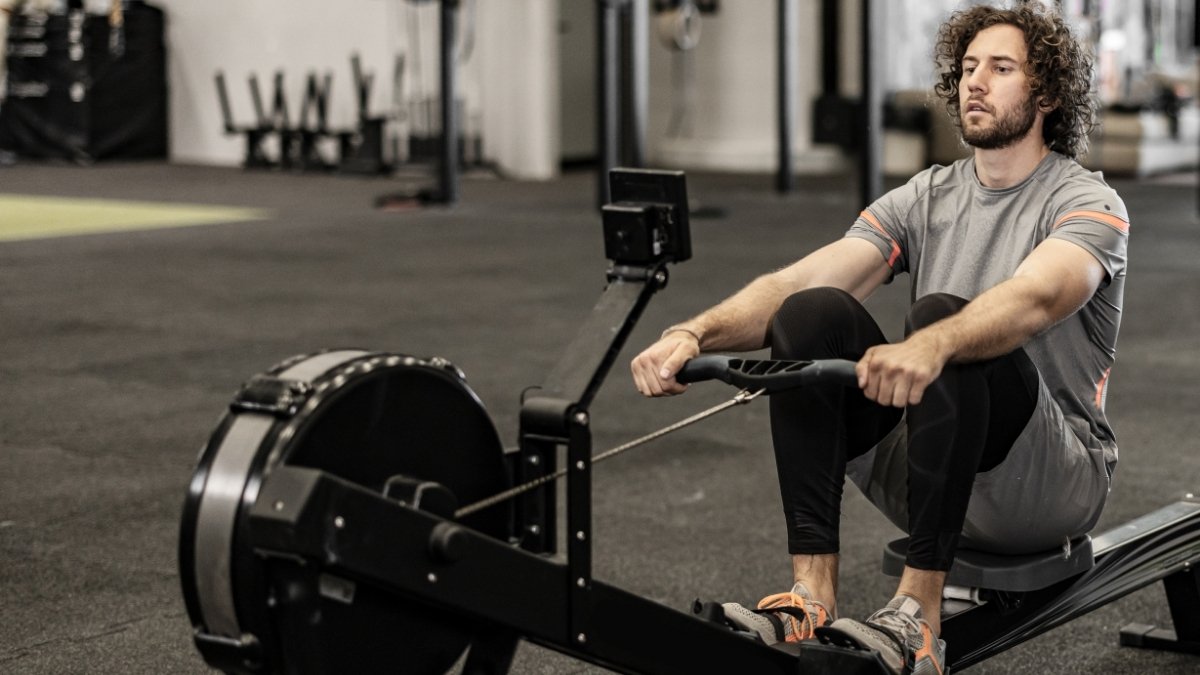
Many seniors are surprised by how much they enjoy rowing once they get the rhythm down.
Mix and match these exercises throughout your week. Variety keeps you interested and works different muscle groups. The best cardio is the one you’ll actually do three times per week.
Common Mistakes That Reduce Effectiveness (And How to Avoid Them)
Even with good intentions, these five exercise mistakes seniors make can stop your progress or cause injury. Here’s how to avoid them.
Mistake #1: Doing Too Much Too Soon
You feel excited and push hard the first week. Then your knees hurt, you’re exhausted, and you quit. This is the fastest way to fail.

The fix: Follow the 10% rule for safe progression. If you walk 20 minutes this week, do 22 minutes next week. Small increases add up without breaking down your body. Write your plan down so you don’t guess.
Mistake #2: Skipping Warm-Up and Cool-Down
Jumping straight into exercise when your muscles are cold increases injury risk. Stopping abruptly makes you dizzy and stresses your heart.

The fix: Spend 5 minutes moving slowly before you start. Walk at an easy pace or do gentle arm circles. After your workout, slow down gradually for 5 minutes. This helps your heart rate return to normal safely.
Mistake #3: Never Increasing Intensity
Your body adapts fast. If you do the same workout for months, the benefits plateau. You stop seeing improvements in your heart health and stamina.

The fix: Every 2-3 weeks, add a small challenge. Walk a bit faster, increase the bike resistance slightly, or add 5 more minutes. Track your workouts in a simple journal so you can see when it’s time to progress.
Mistake #4: Exercising Through Pain
Discomfort is normal when you start. Sharp pain is not. Many seniors push through warning signs and end up injured for weeks.

The fix: Learn your body signals. Muscle fatigue and breathing hard are okay. Joint pain, chest pain, or dizziness mean stop immediately. If something hurts the next day, rest that area. Pain is your body asking for a break.
Mistake #5: Working Out Randomly
You exercise when you feel like it—Monday, then not until Saturday, then skip a week. This inconsistent schedule wipes out the mortality benefits you’re working for.

The fix: Set calendar reminders for the same three days each week. Treat these like doctor appointments you can’t miss. Monday, Wednesday, Friday works well. Your body responds best to regular patterns, and injury prevention depends on consistency.
The goal isn’t perfection. It’s avoiding these traps that derail most seniors in their first three months.
Show more
10:43 PM
Getting Started: Your First 30 Days
This cardio for beginners seniors plan removes all guesswork. Follow it exactly and you’ll build a habit that sticks.
Week 1: Assessment & Setup

Schedule your doctor visit first. Get clearance before starting exercise program activities. Pick 1-2 activities you actually enjoy—walking, water aerobics, or cycling work best.
Test your baseline. How long can you walk comfortably? Five minutes? Ten? Be honest. Do three 10-minute sessions this week on Monday, Wednesday, and Friday.
Week 2: Building Consistency
Keep the same three-day schedule. Your body likes patterns. Increase to 12-15 minutes per session.
Notice how you feel the next day. Write down your energy levels and how long you need to recover.
Some soreness is normal. Sharp pain is not.
Week 3: Increasing Duration
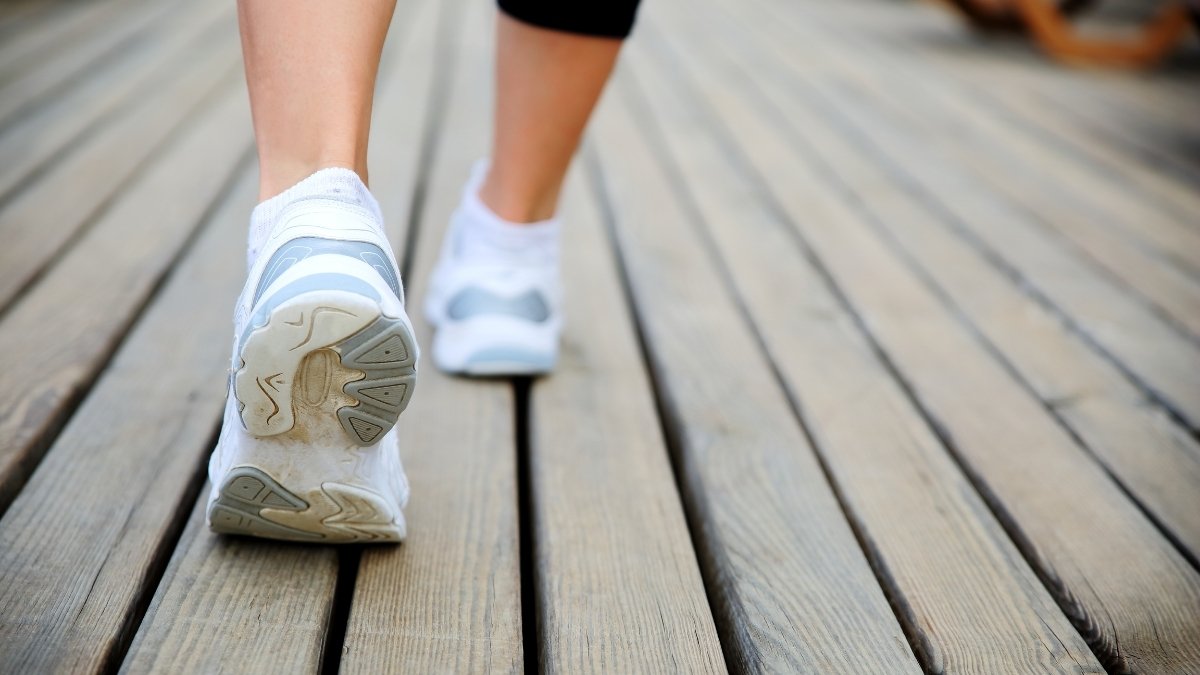
Push to 18-20 minutes per session. Add a tiny bit more intensity—walk slightly faster or increase bike resistance one notch.
This exercise progression plan works because changes are small.
You should feel challenged but not exhausted.
Week 4: Establishing Habit
Hit 22-25 minutes three times this week. Look back at week one. You’ve more than doubled your time. Evaluate what’s working and what’s not.
Set your month two goals. Most seniors can reach 30 minutes per session by week six. By the end of month one, exercise should feel like part of your routine, not a chore.
Lastly,
The science is clear. Consistent physical activity in adulthood links to 30-40% lower death risk. That’s real years added to your life, not just theory.
Your target is simple: 150 minutes of moderate cardio weekly. Break it into three 50-minute sessions. Start wherever you are now—even 10 minutes counts. Progress by 10% each week and your body will adapt safely.

Any movement beats sitting still. It’s never too late to start seeing benefits. Whether you’re 60 or 85, your heart responds to exercise.
Here’s what to do right now: Call your doctor’s office and schedule a clearance visit. Pick one activity from this guide that sounds enjoyable. Open your calendar and block off three days this week—Monday, Wednesday, Friday works well.
Your future self will thank you for starting today. In six months, you’ll wonder why you waited.
Cardio for seniors mortality reduction isn’t just possible—it’s proven science. The 30-year studies, the thousands of participants, and the consistent results all point to the same truth: regular cardio adds years to your life and life to your years.