

If you wake up with stiff joints, feel drained before noon, or forget things more often — inflammation may be the real reason. Not just age.
Researchers call it “inflammaging.” It is a slow, silent state of low-grade inflammation that builds up as you get older. And it is directly linked to arthritis, heart disease, type 2 diabetes, and memory decline.
According to NCOA data published in 2025, 93% of adults aged 65 and older have at least one chronic condition. Most of those conditions connect back to inflammation.
The good news? Food can change this. Starting tomorrow. This article shows you exactly which foods reduce inflammation, how much to eat, and a simple one-day meal plan you can follow right away.
Why Inflammation Gets Worse After 60

Your immune system is supposed to fight infections, then calm down. But as you age, it stays switched on even when there is no real threat. This is inflammaging — your body in a constant low-level state of alert.
Research from the NIH (StatPearls, 2026) confirms that this ongoing inflammation drives heart disease, type 2 diabetes, cognitive decline, and more. A UK Biobank study of 273,804 adults published in Scientific Reports (2024) found that chronic low-grade inflammation caused earlier onset of stroke, hypertension, and diabetes.
Older adults have inflammatory marker levels two to four times higher than younger adults on average. These markers — CRP, IL-6, and TNF-α — are measurable in blood tests. A Whitehall II study found that persistently high IL-6 over five years nearly halved the odds of aging in good health.
The real point here is simple. Inflammation is not abstract. It shows up in your joints, your energy, and your memory. And what you eat every day is one of the most direct ways to lower it.
Quick Tips:
- Ask your doctor to check your CRP and IL-6 levels at your next visit
- Write down one symptom (joint pain, fatigue, brain fog) that you want to improve
- Commit to making one food change this week, not ten
Fatty Fish: The Most Powerful Food to Reduce Inflammation
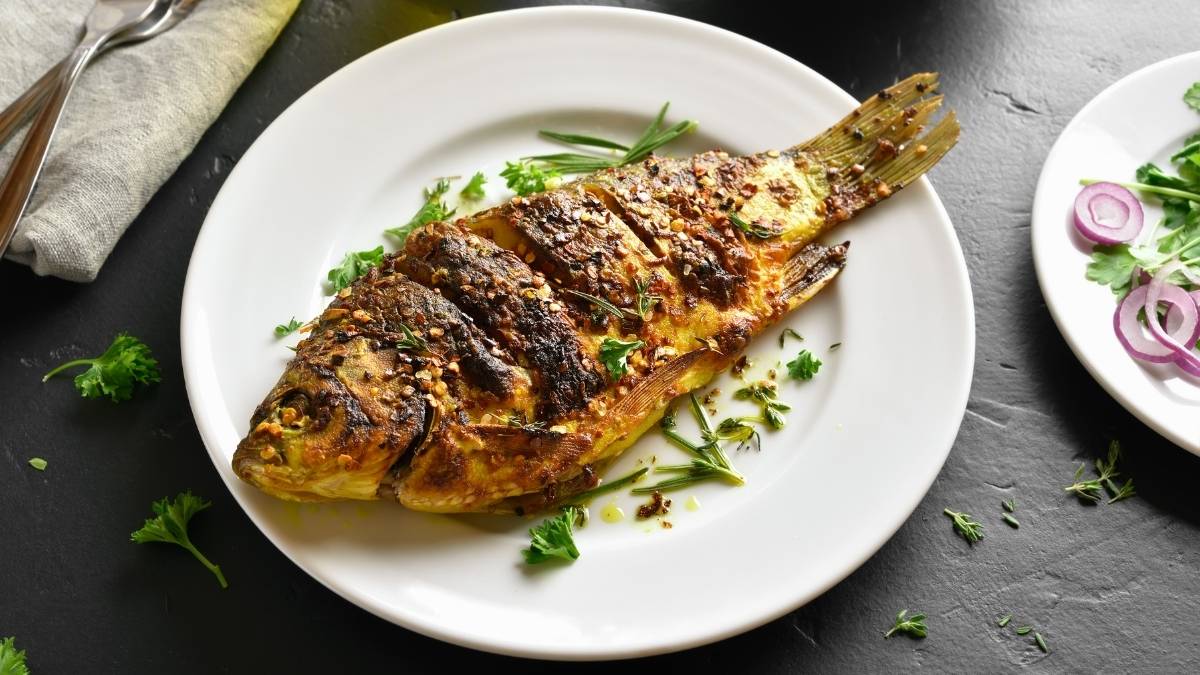
Salmon, sardines, mackerel, herring, and anchovies are loaded with EPA and DHA. These are omega-3 fatty acids. Your body uses them to make compounds called resolvins and protectins. These compounds actually shut down inflammation at the cell level.
Research cited by the Arthritis Foundation shows that people with the highest omega-3 intake had measurably lower CRP and IL-6 — two of the most tracked inflammation markers. Fish oil supplements also reduced joint swelling and morning stiffness in people with rheumatoid arthritis.
The Arthritis Foundation recommends three to four ounces of fatty fish at least twice a week. Arthritis specialists say more is even better for joint health.
Dr. Zachary Mulvihill from NewYork-Presbyterian stated in December 2025 that fish oil is the number one anti-inflammatory supplement available. But eating actual fish is always better than a pill.
Canned sardines and canned salmon are cheap, require no cooking, and are two of the most nutrient-dense options at any grocery store.
Quick Tips:
- Keep two cans of sardines or salmon in your pantry for quick no-cook lunches
- Add canned salmon to a green salad with olive oil dressing — done in five minutes
- If you take blood thinners, ask your doctor before increasing fish intake significantly
Berries: The Easiest Anti-Inflammatory Food to Start With
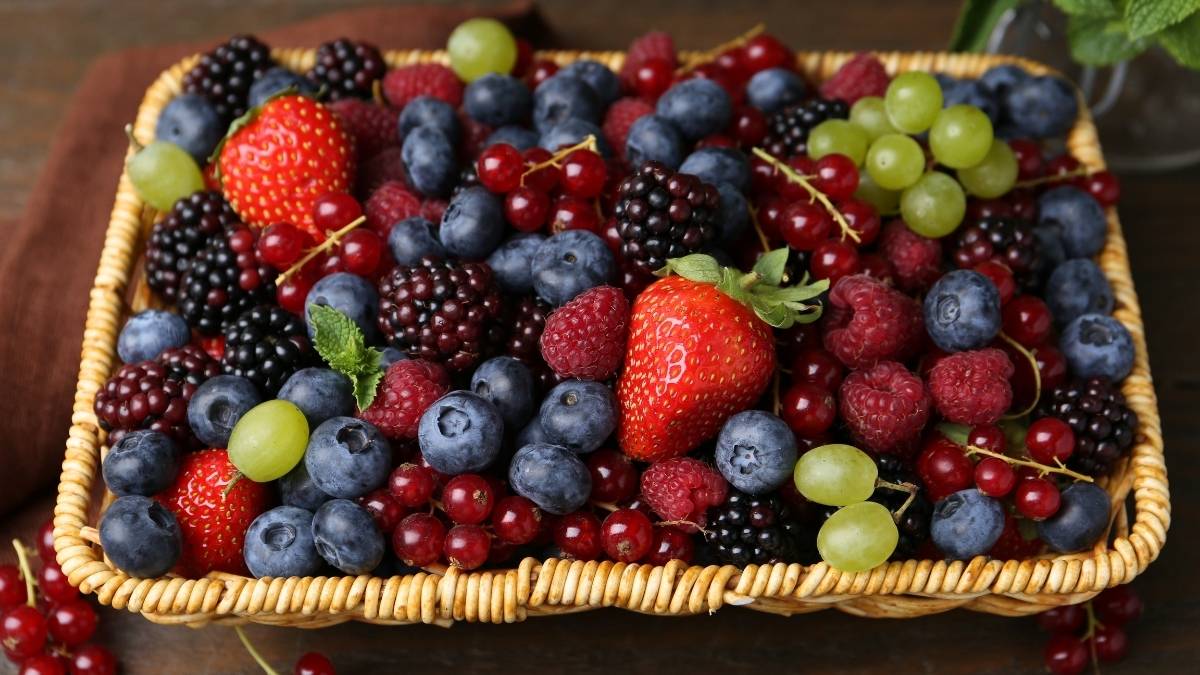
Blueberries, strawberries, blackberries, and raspberries are packed with anthocyanins. These are plant compounds that give berries their deep color. They also signal your body to reduce inflammatory responses at the cell level.
Wild blueberries rank among the top antioxidant foods on the USDA’s list. Mayo Clinic (updated February 2026) confirms that eating colorful fruits like berries helps fight oxidative stress, which is one of the main triggers of chronic inflammation.
Berries are soft and easy to chew. Frozen berries are just as potent as fresh ones. A bag of frozen blueberries costs less than two dollars and lasts two weeks.
This is the single easiest change you can make tomorrow. Add half a cup of frozen blueberries to your morning oatmeal. That is it. You are already getting one of the most studied anti-inflammatory foods available. Pair berries with walnuts or ground flaxseed in the same bowl to hit multiple inflammation pathways at once.
Quick Tips:
- Buy a bag of frozen mixed berries — cheaper and just as effective as fresh
- Stir berries into plain Greek yogurt for a quick breakfast or snack
- Add a handful of berries to any smoothie for an easy daily habit
Turmeric and Ginger: Two Spices That Have Real Clinical Proof
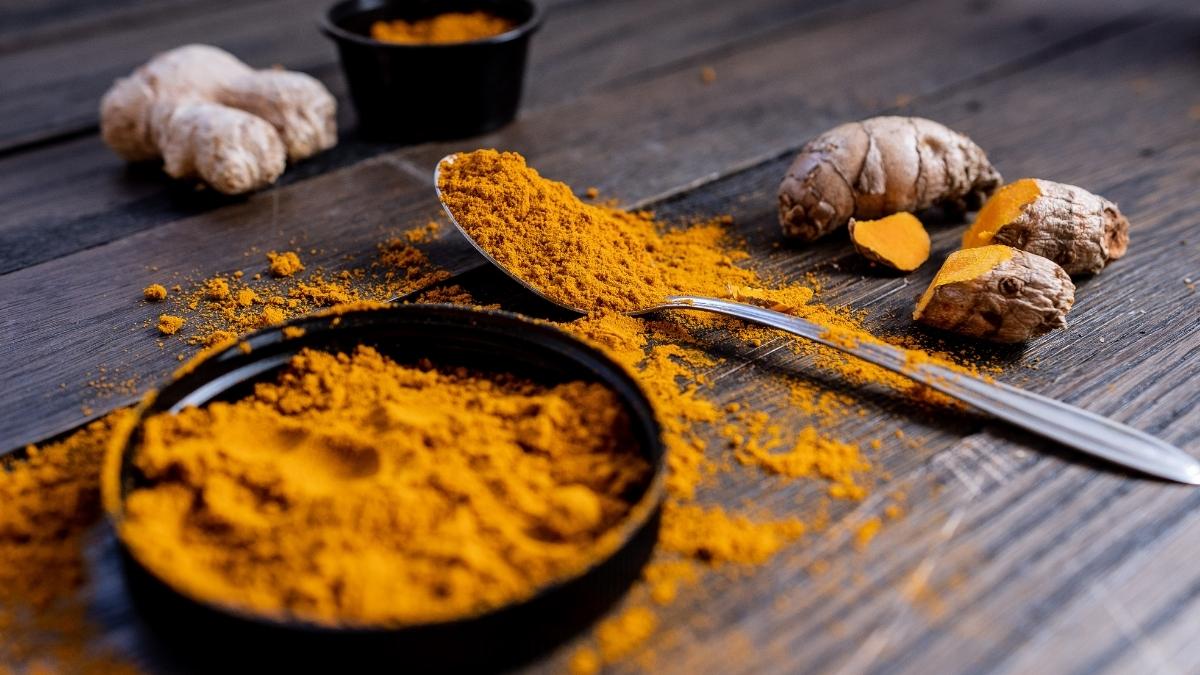
Curcumin is the active compound inside turmeric. A meta-analysis of 66 randomized controlled trials found that curcumin significantly reduced three major inflammation markers: CRP, TNF-α, and IL-6. A January 2025 study from the University of Campania confirmed that turmeric extracts reduced CRP, ferritin, and LDL cholesterol in participants.
Here is the most important thing most people miss. Curcumin is poorly absorbed on its own. Combining it with black pepper increases its absorption by up to 2,000%. Always use turmeric with a pinch of black pepper. Adding a healthy fat like olive oil helps even more.
Ginger contains compounds called gingerols and shogaols. These work through similar anti-inflammatory pathways as turmeric. Using both together in cooking or tea gives you a stronger combined effect.
Add half a teaspoon of turmeric and a crack of black pepper to eggs, soup, rice, or a smoothie. This takes ten seconds. And it works.
Quick Tips:
- Make golden milk: warm oat milk + half teaspoon turmeric + pinch of black pepper + a little honey
- Add fresh grated ginger and turmeric to any stir-fry or vegetable soup
- High-dose turmeric supplements can interact with blood thinners — stick to food amounts unless your doctor says otherwise
Dark Leafy Greens and Colorful Vegetables: What Your Plate Needs Every Day
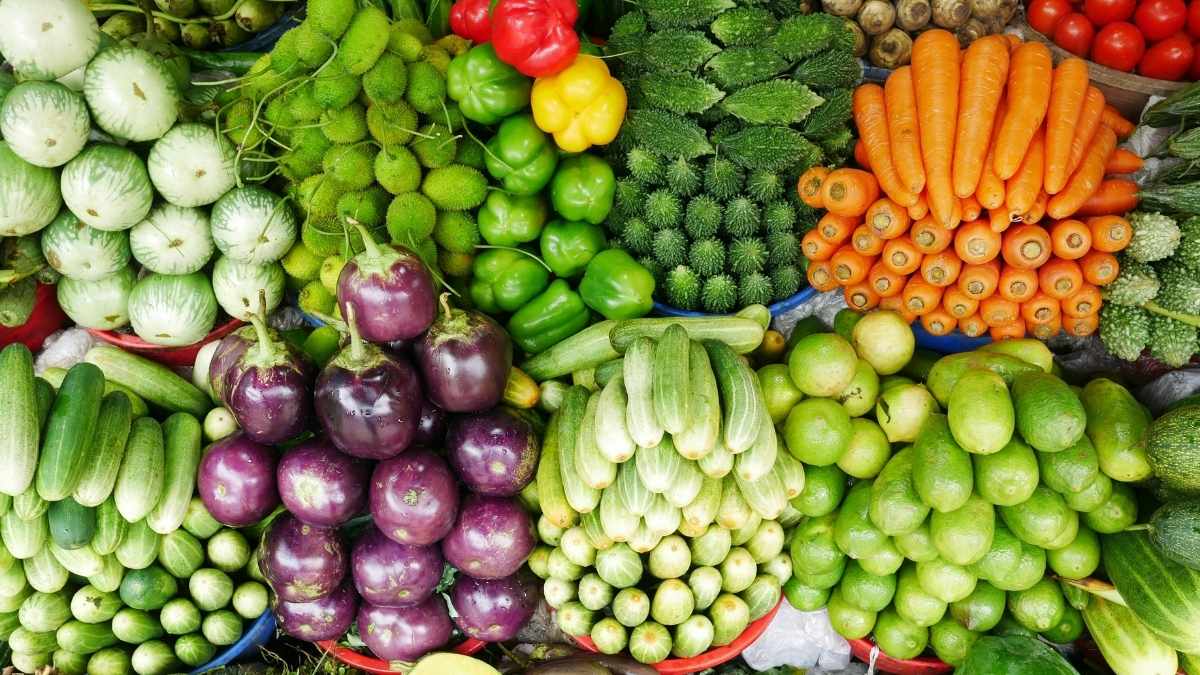
Spinach, kale, Swiss chard, broccoli, and Brussels sprouts are full of vitamins C, E, and K, plus magnesium and polyphenols. These nutrients directly suppress inflammatory signaling in your body.
Johns Hopkins Medicine identifies colorful, plant-based foods as essential for fighting inflammation because of their high polyphenol content. Mayo Clinic gives you a simple rule: fill half your plate with colorful vegetables at every meal. No measuring. No calorie counting. Just color.
One thing worth clearing up. Many seniors with arthritis avoid tomatoes, bell peppers, and eggplant because they have heard nightshades cause inflammation.
According to the Arthritis Foundation (2025), there is no scientific evidence that nightshades trigger inflammation in people without celiac disease or gluten sensitivity. These vegetables are actually disease-fighting foods.
Cooking method matters. Steaming and stir-frying preserve the most anti-inflammatory compounds. Deep frying destroys them. Johns Hopkins notes that microwaving is actually one of the healthier cooking methods.
Quick Tips:
- Sauté a handful of spinach in olive oil with garlic — three minutes, done, add it to anything
- Roast a tray of broccoli and bell peppers on Sunday so they are ready for the week
- Aim for at least three different vegetable colors on your plate every dinner
Extra Virgin Olive Oil and Walnuts: The Healthy Fats You Need Every Day
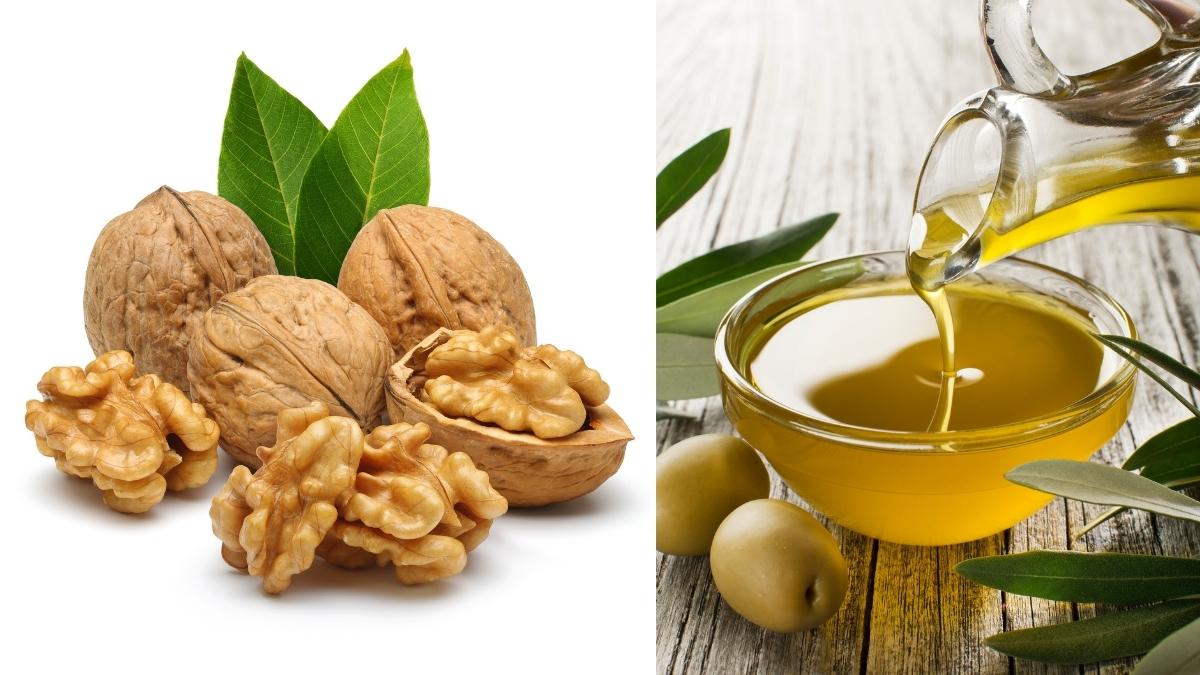
Extra virgin olive oil contains a compound called oleocanthal. It works the same way ibuprofen works — blocking the same inflammatory enzymes (COX-1 and COX-2) — but without the stomach problems that come with taking pain medication daily.
Harvard Health (updated February 2026) confirms that nuts are directly linked to reduced inflammatory markers and lower risk of heart disease and diabetes. Walnuts specifically contain ALA (a plant omega-3), ellagic acid, and polyphenols.
The Mediterranean diet is built on olive oil, fish, vegetables, and legumes. Johns Hopkins Medicine calls it “the most beneficial” dietary approach for controlling inflammation. It is not a trend. It is the most studied eating pattern in the world for chronic disease prevention.
Switching from butter or vegetable oil to extra virgin olive oil is the simplest kitchen change you can make today. Use one to two tablespoons per meal.
Quick Tips:
- Replace butter on toast with olive oil — drizzle it on, add a pinch of salt
- Keep a small bag of walnuts nearby as your default daily snack
- For seniors with chewing difficulties, blend walnuts into a smoothie or stir into oatmeal
Gut Health Foods: The Inflammation Connection Most Seniors Miss
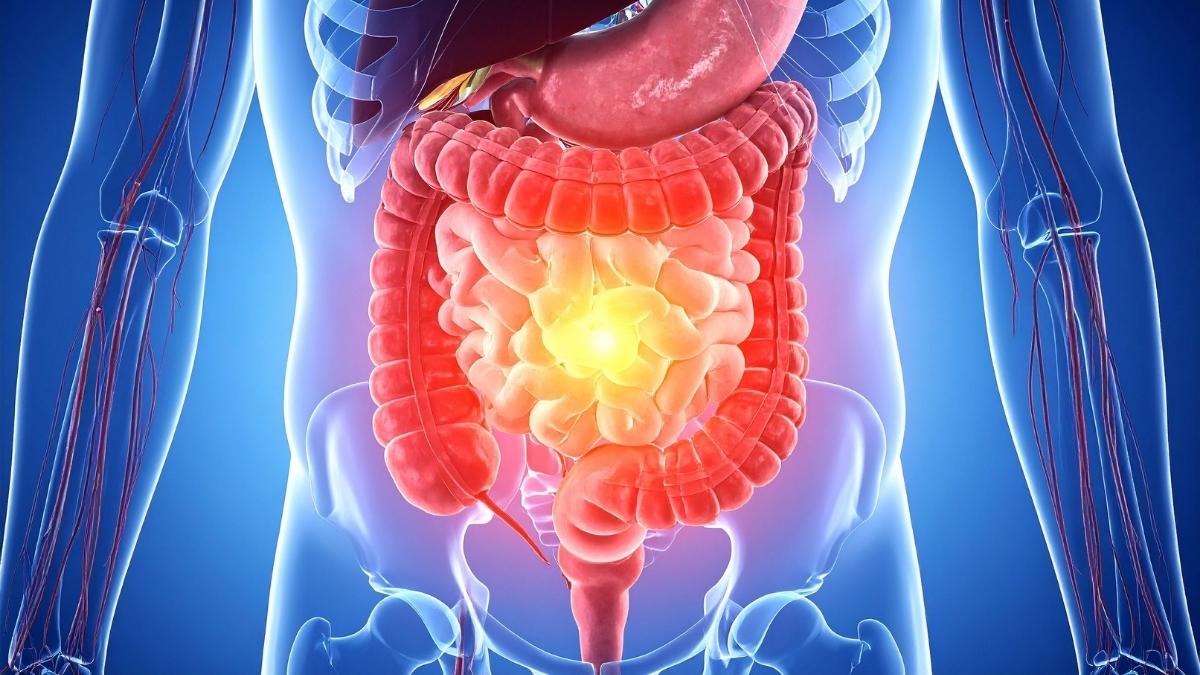
Your gut and your inflammation levels are directly connected. Johns Hopkins Medicine confirms that a healthy population of gut bacteria can actively keep inflammation down. Most anti-inflammatory food advice ignores this completely.
Two types of foods matter here. Probiotics are live bacteria that support your gut: plain yogurt with live active cultures, kefir, sauerkraut, kimchi, and cottage cheese with live cultures. Check the label for the words “live active cultures.” Not all fermented foods contain them.
Prebiotics feed those good bacteria: asparagus, bananas, garlic, onions, oats, and chicory. They contain a fiber called inulin that specifically nourishes beneficial gut bacteria.
Whole grains — oatmeal, quinoa, brown rice, barley — provide dietary fiber that studies show lowers CRP directly (Arthritis Foundation). Fiber is not just about digestion. It is an inflammation tool.
The simplest gut-health breakfast you can make: plain Greek yogurt, frozen berries, one tablespoon of ground flaxseed. That one bowl covers probiotics, prebiotics, antioxidants, and plant-based omega-3s at the same time.
Quick Tips:
- Always check yogurt labels for “live active cultures” — many brands do not contain them
- Add a sliced banana and some oats to your yogurt for prebiotic fiber in the same meal
- Swap white rice and white bread for brown rice and whole-grain bread — same meal, lower CRP over time
Your “Start Tomorrow” Meal Plan: What to Actually Eat

You do not need to change everything. You need one good day. Here is exactly what to eat tomorrow.
Frozen fish, frozen berries, canned sardines, oats, and plain yogurt are affordable and available at every grocery store. This meal plan is not expensive. It is not complicated. It works.
One important note: if you manage a chronic condition or take prescription medications — especially blood thinners — talk to your doctor or a registered dietitian before making big dietary changes.
Quick Tips:
- Write your grocery list tonight: oats, frozen blueberries, canned sardines, Greek yogurt, spinach, olive oil, walnuts, brown rice, broccoli
- Prep your lunch the night before so there are no excuses
- Repeat this day three to four times per week — consistency matters more than perfection
Final Words,
Inflammation is not something you just live with. It is something you can change, starting with your next meal.

Fatty fish, berries, turmeric with black pepper, leafy greens, olive oil, walnuts, and gut-supporting yogurt — these foods have real clinical evidence behind them. Pick one from this list. Add it to tomorrow’s breakfast. That is enough to start.