Science Says You Can Age Slower: These Daily Behaviors Make the Difference
What if the difference between someone who’s vibrant at 70 and someone who’s struggling isn’t genetics, but daily choices made years before? Many people think aging is fixed. They think “biological aging” can’t change.
They try expensive products and still feel lost. The real issue is that few people know which habits actually slow down aging at the cellular level.
Here’s the good news. New longevity research shows you can influence your biological age. In this guide, you’ll learn the difference between biological and chronological age. You’ll see seven daily habits that support an anti-aging lifestyle.
You’ll learn how to start each habit today and which biomarkers scientists use to measure progress.
Discover the vital difference between
Biological & Chronological Age.
Understanding Biological Age vs. Chronological Age
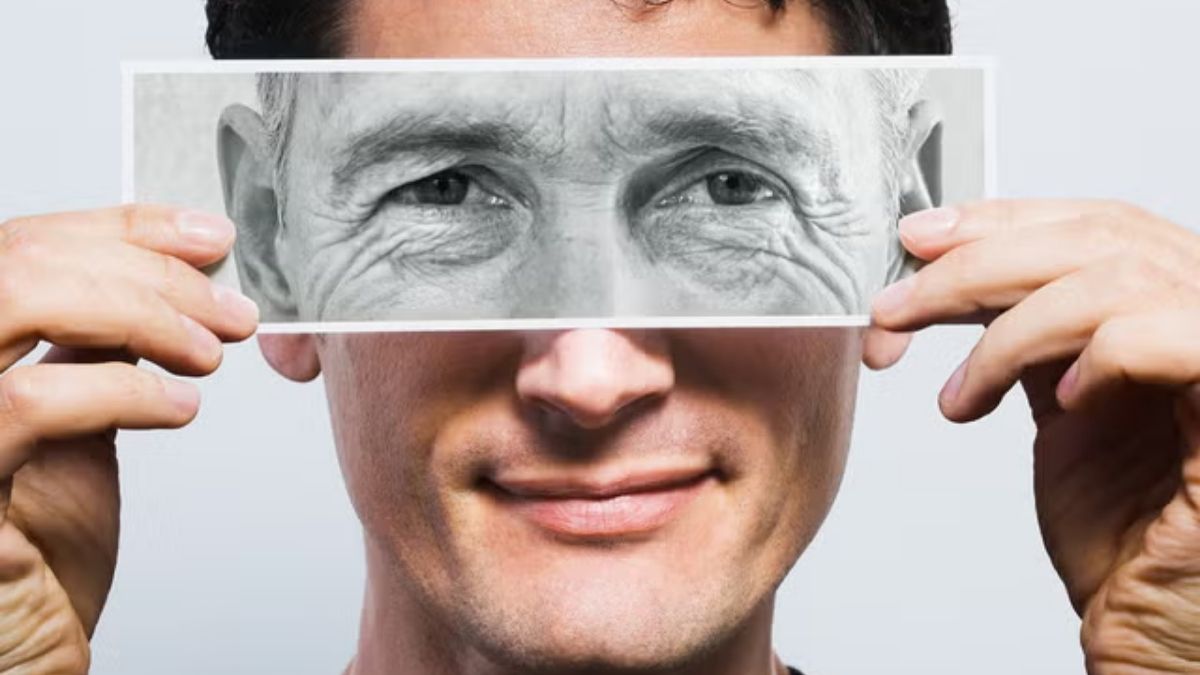
Your body might be younger—or older—than your birth certificate says. That’s biological age. It measures how well your cells, organs, and systems actually work. Your chronological age just counts birthdays.
Scientists can now test this. They look at DNA methylation patterns using tests called GrimAge and PhenoAge. These tests check chemical markers on your DNA that change as you age. Think of it like checking the miles on a car engine, not just the year it was made.
Here’s what matters: two 60-year-olds can have biological ages that are 10+ years apart. One might have the body of a 55-year-old. The other might test as 70. Northwestern University’s research proves you can change this. People who eat vegetables, stay lean, and exercise actually slow their epigenetic age.
The goal isn’t just living longer. It’s extending your healthspan—the years you feel good and stay independent. NIH research found that people with slower biological aging face less risk of chronic disease. Their bodies function better for longer.

Your chronological age is fixed. But biological markers of aging? Those respond to what you do every single day. That’s the difference between aging and getting old.
Habit #1 – Prioritize Quality Sleep (7-8 Hours Nightly)
Sleep too little or too much, and you age faster. A study of 500,000 people found the sweet spot: 6.4 to 7.8 hours, depending on your body. Short sleep (under 6 hours) raises your death risk by 14%. Long sleep (over 8 hours) raises it by 34%.
But here’s the thing: quality beats quantity. Better sleep quality and aging are directly linked. For every point you improve your sleep quality, your biological age drops by about 0.1 years. Good sleep can even offset damage from air pollution.

Your brain needs sleep to clean itself. Between 10pm and 1am, your glymphatic system kicks in. Think of it as your brain’s garbage disposal. It flushes out waste that builds up during the day. Poor sleep shuts this down. Toxins pile up. Your brain ages faster.
What to do tonight:
Aim for 7-8 hours consistently. Get to bed before 11pm to catch that crucial deep sleep window. Keep your bedroom cold—65 to 68 degrees works best. Turn off screens one hour before bed. The blue light messes with your sleep hormones.
You can track your sleep if it helps. But don’t stress about perfect numbers. Some people develop “orthosomnia”—anxiety about sleep data. If tracking makes you worry, skip it. Focus on how you feel instead.
Habit #2 – Strength Train 3-4 Times Weekly
You lose 3-5% of your muscle mass every decade after 30. That’s not just about looking weaker. It affects how your brain works, how your nerves fire, and how long you live.
Resistance training for longevity does something cardio can’t. It preserves muscle and bone density. Research shows heavy strength training can reverse decades of age-related decline in strength and power. We’re talking about turning back the clock on your muscles.

Here’s what happens in your brain. Weight training increases blood flow up there. It thickens the cortex in your hippocampus and prefrontal cortex—the parts that usually shrink with age. These areas control memory and decision-making. Lifting weights literally grows your brain.
New 2025 research found something else. Resistance training speeds up nerve conduction velocity. Your nerves send signals faster. This keeps your coordination sharp and may slow nerve deterioration as you age. That’s why older people who lift weights don’t shuffle or stumble as much.
How to start:
Begin with bodyweight exercises or resistance bands. Progress to free weights when you’re ready. Focus on compound movements: squats, deadlifts, rows. These work multiple muscle groups at once.
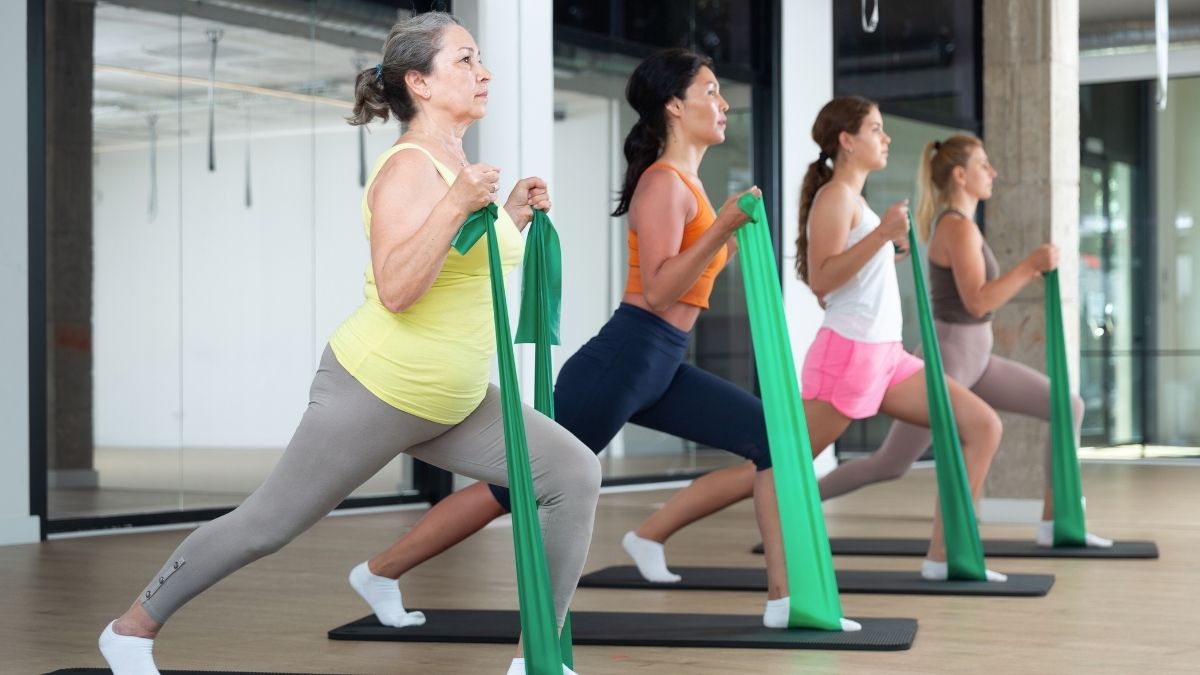
Train the same muscles every 48-72 hours. Your body needs recovery time. Pick weights where the last two reps feel hard. If you can easily do 12 reps, go heavier.
Eat 1.2-1.5 grams of protein per kilogram of bodyweight. For a 150-pound person, that’s about 80-100 grams daily. Your muscles need fuel to grow.
Habit #3 – Build Strong Social Connections
Your friendships change your cells. An October 2025 study found that people with strong, lasting social connections age more slowly at the cellular level. This isn’t about feeling good. It’s measurable biology.
Researchers tracked something called cumulative social advantage over people’s lives. Those with better social connections had lower inflammation markers, specifically interleukin-6. This protein drives heart disease, diabetes, and brain degeneration. Less of it means slower aging.
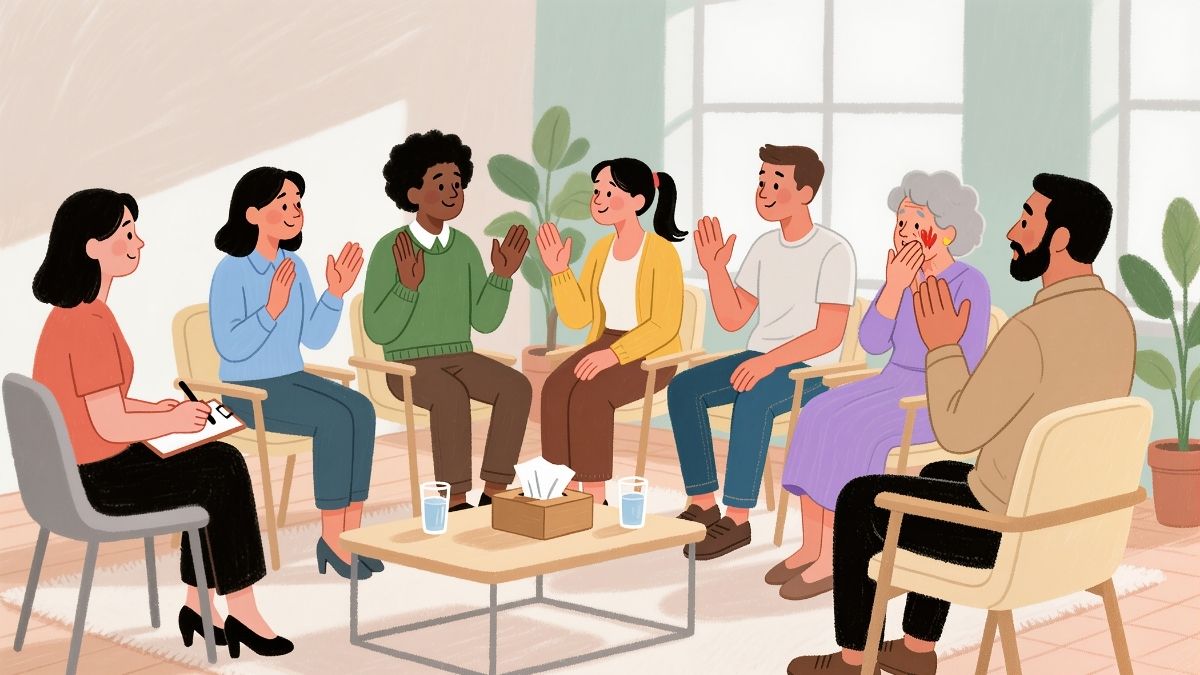
A Cornell researcher put it simply: “Strong social ties can literally slow down the biological aging process.” The effect is as powerful as diet and exercise. Loneliness and aging are directly linked, independent of everything else you do right.
Quality beats quantity here too. Three close friends who energize you matter more than 50 casual contacts. Social media doesn’t count the same way. Your body knows the difference between real connection and scrolling.
What to do this week:
Schedule regular time with close friends or family. Weekly or every other week works. Join a community group that matches your interests. Volunteer somewhere local. These activities build real bonds.
Limit social media time. Prioritize face-to-face meetings instead. Spend time with people who make you feel alive, not drained. Pay attention to who energizes you. Those are your people.
Habit #4 – Follow an Anti-Inflammatory Diet
A 2024 study tracked 25,000 women for 25 years. Those who followed a Mediterranean diet had a 23% lower risk of dying from any cause. They also had better cholesterol, less diabetes, and lower blood pressure. That’s the power of anti-inflammatory foods.
Your dietary inflammatory index affects how fast you age. A UK Biobank study found that diet, activity, and sleep work together to control biological aging. What you eat either feeds inflammation or fights it.
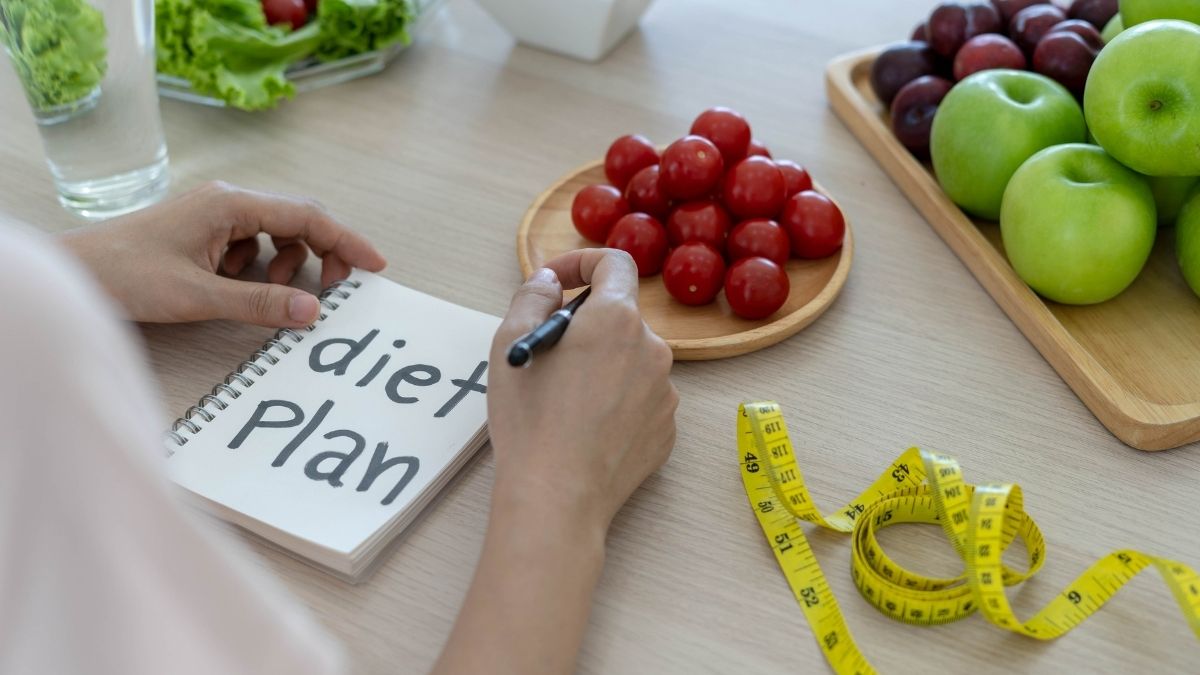
Young adults eating lots of processed foods, fast food, and sugary drinks age faster at the cellular level. Those eating vegetables, fruits, and whole foods age slower. 2025 research confirms this pattern holds across all age groups.
Your daily eating plan:
Fill half your plate with vegetables at lunch and dinner. Eat fatty fish like salmon, mackerel, or sardines 2-3 times weekly for omega-3s. Start every day with 25-30 grams of protein—eggs, Greek yogurt, or a protein smoothie. This protects against age-related muscle loss.
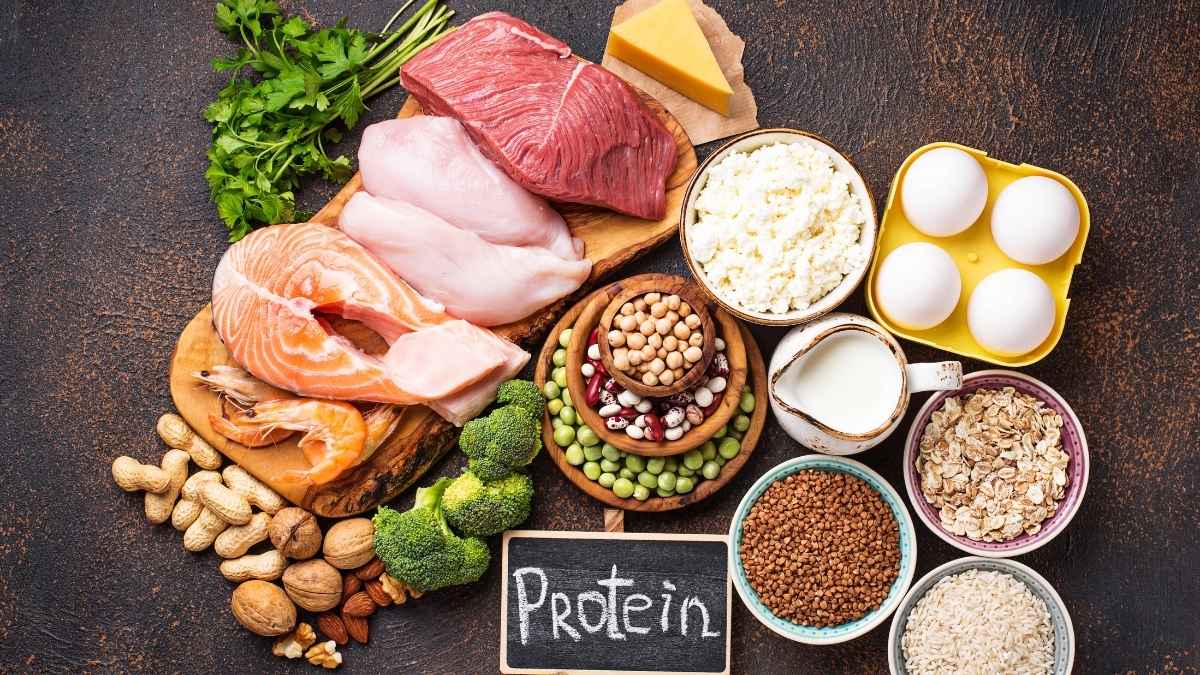
Choose whole grains over white bread and pasta. Limit red meat to once or twice weekly. Skip processed meats entirely. Add berries, leafy greens, nuts, and olive oil every single day. These are nutrition for longevity basics that actually work.
Habit #5 – Manage Stress Through Daily Practices
Stress ages you faster than almost anything else. Working over 40 hours weekly adds two years to your biological age. When cortisol levels double, your biological age jumps by 50%. That’s stress and biological aging in hard numbers.
Cortisol is your stress hormone. High levels at night damage your DNA and shorten telomeres—the protective caps on your chromosomes. They’re like the plastic tips on shoelaces. When they fray, your cells age faster. Chronic stress also triggers inflammation, limits physical ability, and hurts brain function.

But here’s good news: you can reverse this. A 6-week stress management program lowered cortisol levels in older adults. Some people see improvements in just three weeks with simple practices.
Start today with these:
Meditate for 12 minutes daily. That’s the research-backed minimum that works. Try box breathing when stressed: breathe in for 4 counts, hold for 4, out for 4, hold for 4. Repeat five times.

Schedule buffer time between tasks so you’re not always rushing. Use the Pomodoro technique: work 25 minutes, break for 5. Identify your chronic stressors—bad job, toxic relationship, money problems—and make a plan to address them. Consider yoga or tai chi. Both combine movement with proven stress management techniques.
Habit #6: How Time-Restricted Eating or Mild Calorie Cuts Can Slow Aging
You might wonder why you feel tired or stuck with your health even when you try to eat “better.” One reason is that when and how much you eat can affect how fast your body ages. This habit gives you a simple way to support your metabolism without extreme diets.
Studies show this clearly. In the NIH CALERIE study, people who cut about 12.5% of their daily calories (around 250 calories) aged more slowly. A 2024 Nature study with 960 mice found that both intermittent fasting and calorie restriction helped mice live longer, and the more consistent the habit, the better the results.
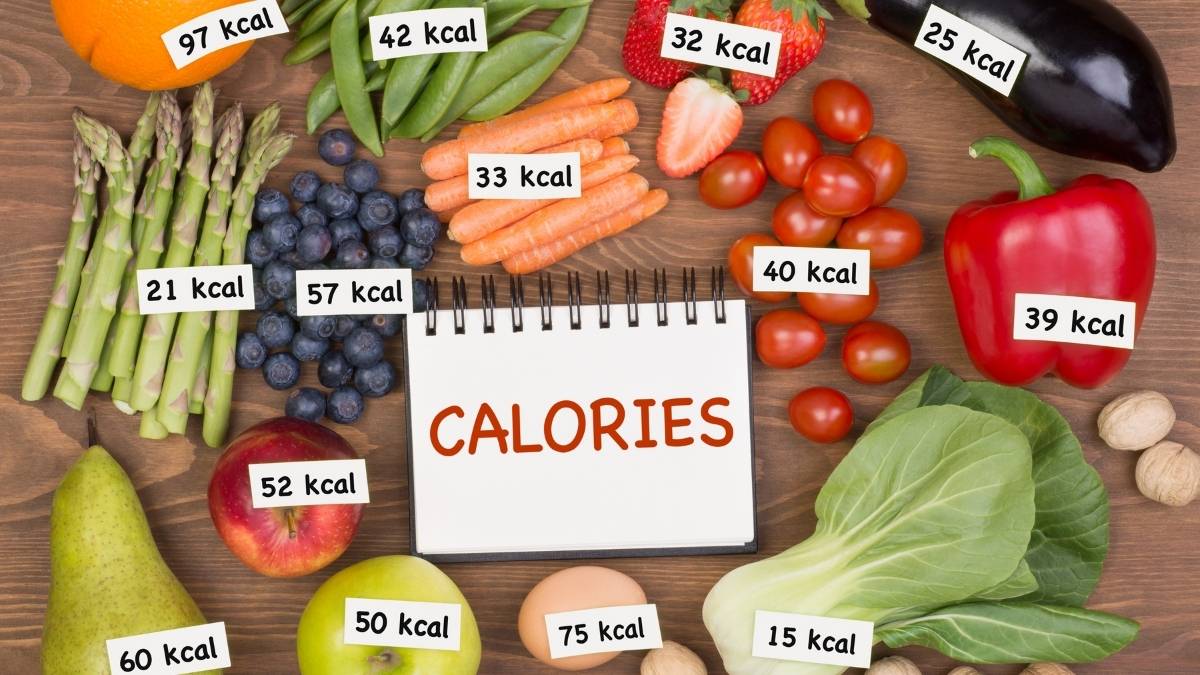
At The Jackson Laboratory, mice on a daily fasting schedule lived about 28 months, compared to 25 months with regular eating. A strong calorie cut of 40% led to an average lifespan of 34 months. Oddly, the longest-lived mice were the ones who lost the least weight even though they ate less.
For people, intermittent fasting is often easier to keep up than strict calorie cutting. A review from MDPI shows that fasting and calorie restriction work about the same for heart health, cancer risk, and brain health, but fasting has better long-term follow-through.
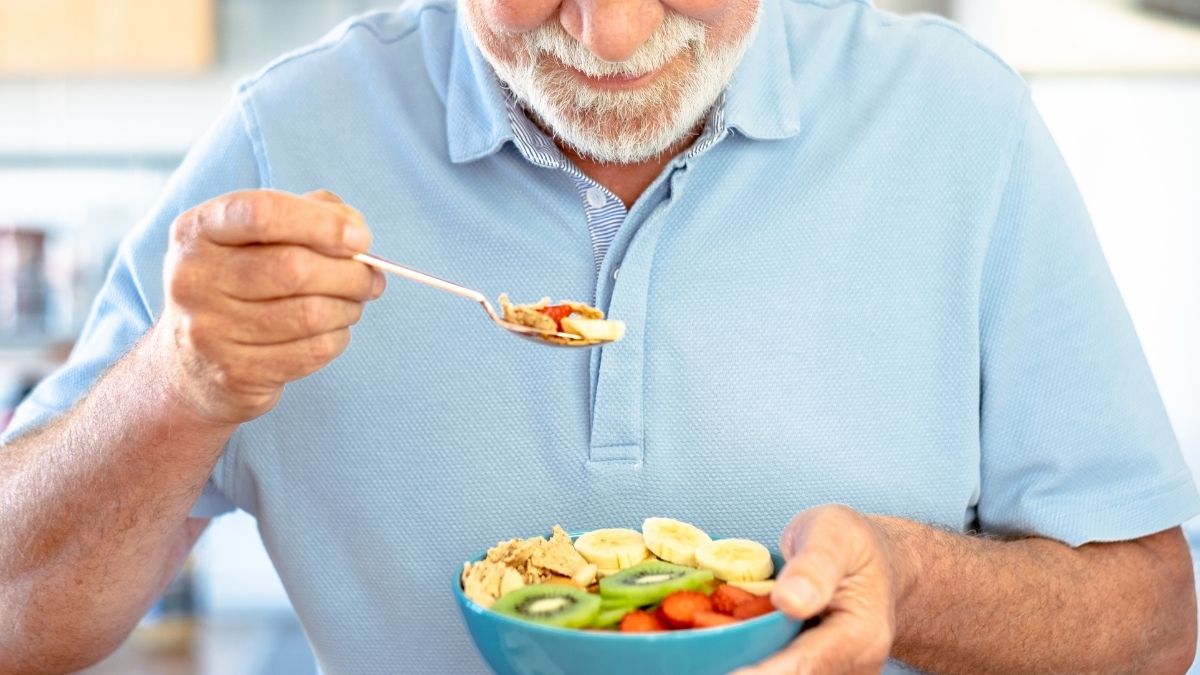
You can start with a simple 16:8 schedule, such as eating from noon to 8 p.m. Or cut each meal by 10–15%. Keep your food nutrient-dense.
Important: These methods are not for pregnant women, people with a history of eating disorders, very elderly adults, or anyone with certain medical issues. Talk to a healthcare provider before making big changes.
Habit #7: How to Stay Active All Day So Your Body Ages Better
You might sit for long hours and wonder why your body feels stiff or slow. Long sitting makes aging harder. Small bursts of movement fix that.
Research shows that people who stay active across their whole life have a lower risk of death from all causes. And here’s the part most people miss: movement outside your workout matters just as much. Even short breaks protect your heart, muscles, and energy levels. Walking after meals also helps your body handle sugar better, which is key as you age.
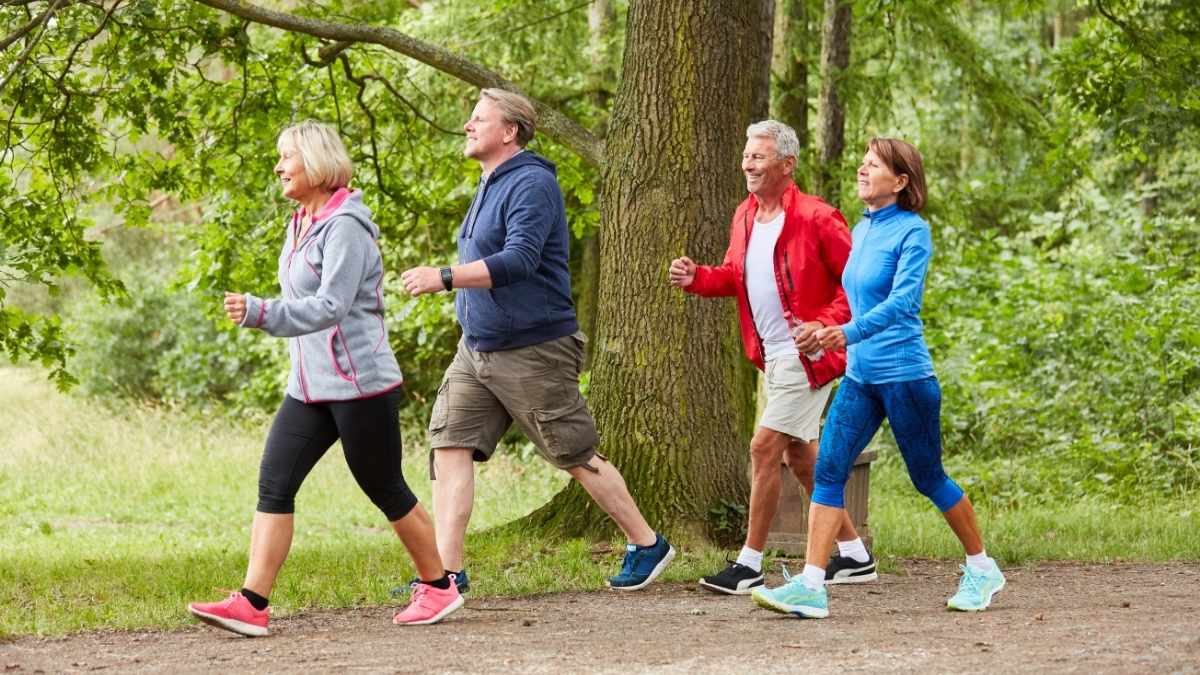
The best plan mixes aerobic work with resistance training. This means walking, biking, or swimming plus simple strength moves. Current guidelines suggest a mix of aerobic, strength, balance, and flexibility work. Frail older adults even keep more function when they break up long sitting. That tells you how powerful small movements are.
You don’t need intense workouts. You need steady ones. Consistency is what keeps you strong as you get older.
You can start with simple steps. Aim for 150 minutes of brisk walking each week. Take a 2–5 minute break each hour if you sit at a desk. Walk for 10–15 minutes after dinner. Take the stairs. Park farther away. Try “exercise snacks” like 10 squats or push-ups a few times a day. And pick activities you enjoy so you stick with them.
Final Thoughts:
Science now shows that aging can slow down when you change simple daily habits. Good sleep, strength work, close relationships, an anti-inflammatory eating style, steady stress care, smart eating patterns, and staying active all help your cells stay healthier. Recent studies from 2024–2025 show real changes in things like DNA methylation, telomere length, and inflammation. So this is more than feeling better. Your body actually works younger.
Start with one habit this week. Small steps add up. You don’t need to be perfect. Most people see progress when they keep just two or three habits going. And that is why today matters. Waiting only makes it harder.
Your birthday age is fixed, but your biological age can shift. These simple, science-backed ideas for how to slow aging naturally are meant to help you live better, not just longer.