Breaking: Scientists Reverse Biological Age By 5 Years With One Simple Lifestyle Change

You have two ages. The one on your birth certificate. And the one inside your cells.
They are not always the same number. Your biological age is how old your body actually functions — not how many years you have been alive. And here is the part most people miss: you can change it.
Real clinical trials, published in peer-reviewed journals, have shown reductions of 2.5 to 4.6 years in biological age. No surgery. No experimental drugs. Just specific, tested lifestyle changes.
This article breaks down what those studies found, what they actually did, and what you can start doing this week. Every claim here comes from published research. Nothing is made up.
Point One — What Biological Age Actually Means and Why It Matters More Than Your Birthday
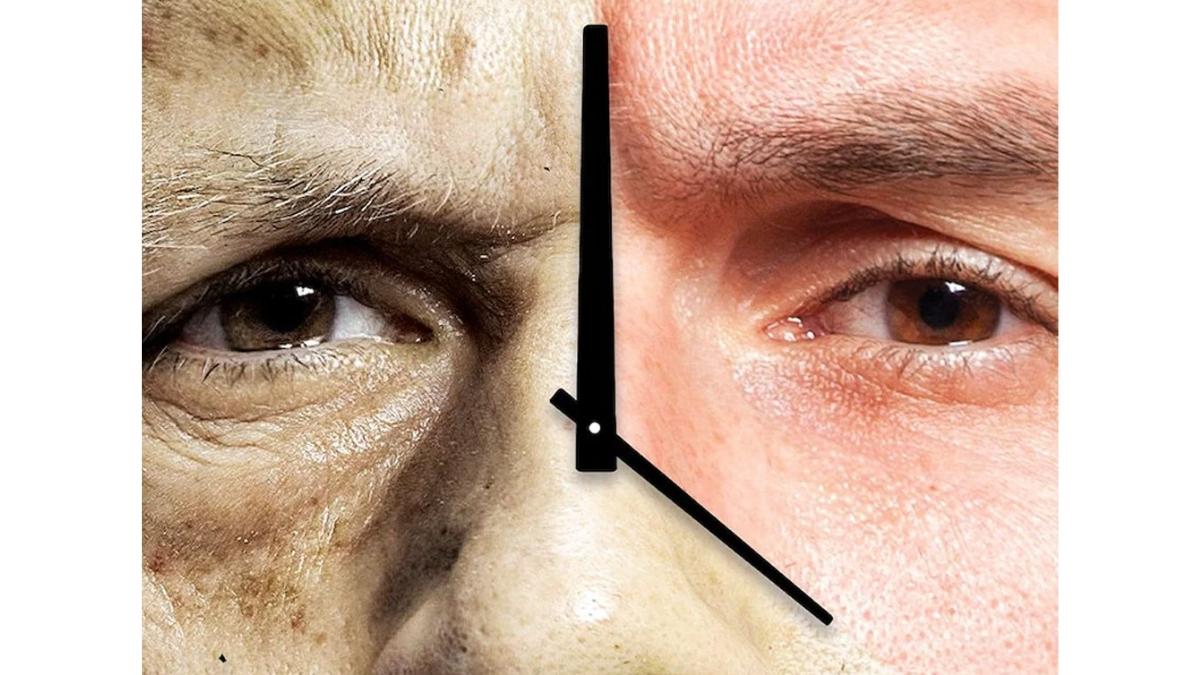
Think of two cars built the same year. One has been maintained well — clean fuel, regular service, stored properly. The other has been left out in the rain with no oil changes. Same year. Very different condition. That is exactly what biological age means for your body.
Biological age measures how old your cells actually function. It is different from your chronological age, which just counts the years you have been alive. Two people born the same year can have biological ages ten years apart based on how they live.
Scientists measure biological age using something called the epigenetic clock. It looks at DNA methylation — tiny chemical tags on your genes that change based on your lifestyle, diet, stress, and sleep. The most trusted version is called the Horvath Clock, developed by Dr. Steve Horvath. It reads patterns across your genome to give you a real age estimate.
Why does this matter? Dr. Douglas Vaughan at Northwestern University says aging is the primary driver behind diabetes, heart disease, dementia, arthritis, and cancer. The higher your biological age compared to your real age, the more risk you carry for all of them.
3 Quick Tips:
- Ask your doctor for a standard blood panel — it reveals early signs of accelerated aging
- Think of your biological age as a score you can actually improve
- Lifestyle choices affect your epigenetic clock starting today, not someday
Point Two — The Clinical Trials That Started This Conversation

Skeptical? Good. Here is the actual proof.
In 2021, Dr. Kara Fitzgerald ran a controlled trial with 43 men aged 50 to 72. They followed an 8-week program — specific diet, structured exercise, sleep guidance, and relaxation. The result: their biological age dropped by 3.23 years compared to the control group. This was published in the journal Aging.
In 2023, she ran a follow-up with six women aged 46 to 65. Five of the six saw their biological age drop. The average reduction was 4.6 years. One participant dropped 11 years in 8 weeks.
Then in February 2024, Dr. Valter Longo at USC published a study in Nature Communications — one of the most respected science journals in the world. Participants who completed three monthly cycles of his Fasting-Mimicking Diet showed a median biological age reduction of 2.5 years. And here is the key detail: that result was completely independent of weight loss. The biological rollback was happening at a deeper level.
These are not blog posts. These are controlled trials with real measurements.
3 Quick Tips:
- Search “Fitzgerald epigenetic clock study 2021” on PubMed to read the original research
- Look up Nature Communications DOI: 10.1038/s41467-024-45260-9 for the Longo study
- The Fitzgerald 2023 case series is freely available in the journal Aging online
Point Three — The Fasting-Mimicking Diet: The Most Evidence-Backed Tool Available Right Now

Of everything tested in human clinical trials so far, the Fasting-Mimicking Diet has the strongest single-intervention evidence. So what is it, exactly?
It is a 5-day eating program that tricks your body into thinking it is fasting. Day one is around 700 calories. Days two through five drop lower. The food is plant-based, high in healthy fats, and low in protein and sugar. After 5 days, you return to normal eating for 25 days. Then repeat.
When your body thinks it is fasting, it triggers autophagy — a cellular cleanup process where your body breaks down and recycles damaged cells. It also reduces inflammation, improves insulin sensitivity, and lowers liver fat.
In the Longo trial, 86 people across two randomized studies completed three monthly cycles. Their median biological age dropped 2.5 years. Their immune cell profiles also improved in ways that suggest genuine immune rejuvenation.
The branded kit is called ProLon, sold at prolon.com. Important disclosure: Dr. Longo co-founded the company that makes it. You can also follow the general approach with whole foods using guidelines from his book The Longevity Diet.
3 Quick Tips:
- Always consult your doctor before starting the FMD, especially if you are underweight or diabetic
- You do not need the ProLon kit — Dr. Longo’s book outlines the macronutrient ratios you can follow yourself
- Three cycles over three consecutive months is the protocol used in the published trial
Point Four — What a Polyphenol-Rich Diet Does to Your Epigenetic Clock

Here is a number worth remembering: 4.7 years.
That is how much biological age dropped in Dr. Fitzgerald’s research when participants ate around 3,000 milligrams of polyphenols per day for 8 weeks. Polyphenols are plant compounds that fight inflammation and support healthy DNA methylation — the exact mechanism the epigenetic clock measures.
You do not need a supplement. They are in real food. Blueberries, leafy greens, broccoli, extra-virgin olive oil, dark chocolate above 70% cacao, turmeric, and green tea are all high sources.
A 2024 twin study made this even clearer. Researchers tracked 22 pairs of identical twins for 8 weeks. One twin ate a healthy vegan diet. The other ate a healthy omnivore diet. The vegan twin’s biological age dropped. The omnivore twin’s did not.
And on the other side: a 2024 study of over 340 women found that added sugar from ultra-processed foods directly accelerated biological aging.
The message is simple. More polyphenol-rich food. Less packaged food with added sugar.
3 Quick Tips:
- Add one cup of blueberries or spinach to your daily meals — it requires zero cooking
- Replace vegetable oils with extra-virgin olive oil immediately
- Check ingredient labels for “added sugar” — even “healthy” snacks often contain it
Point Five — How Exercise Resets Your Epigenetic Clock According to Current Research

You already know exercise is good for you. But here is what most people do not know: not all exercise has the same effect on your biological age.
A 2025 research review by Kawamura et al. at Tohoku University found that structured, goal-directed exercise has a much stronger effect on slowing epigenetic aging than casual movement. Intention matters. A gentle walk while scrolling your phone is not the same as a focused 30-minute strength session.
The numbers back this up. Sedentary middle-aged women who did 8 weeks of combined aerobic and strength training reduced their epigenetic age by 2 years. A January 2026 preprint from SportRxiv found yoga practitioners had biological ages about 9 years younger than their chronological age. Resistance training athletes showed the same. Team sport athletes came in at 7 years younger. Even consistent walking produced a 2-year reduction.
A 12-year study of 3,686 people found that active participants showed 1.26 fewer years of biological aging compared to inactive ones.
3 Quick Tips:
- Combine at least one strength session with one cardio session per week to get the best results
- Yoga is not just flexibility training — the research shows it has real epigenetic impact
- Consistency over 12 months matters more than intensity in any single week
Point Six — Sleep, Stress, and Their Direct Impact on How Fast You Age at the Cellular Level

You can eat perfectly and exercise every day. But if you are sleeping 5 hours a night and running on chronic stress, you are actively aging faster at the cellular level. This is not an opinion. It is what the research shows.
A March 2025 paper in Scientific Reports by Zhao et al. used Mendelian randomization — a method that establishes actual cause and effect, not just association. Their conclusion: sleep traits directly cause changes in epigenetic aging. This is a strong research design. It rules out the possibility that aging causes bad sleep.
A separate 2024 study found that both too little and too much sleep are linked to older biological age. The sweet spot is 7 to 8 hours. Not 6. Not 9.
Chronic stress raises cortisol, which speeds up harmful DNA methylation changes. The Fitzgerald trial included relaxation guidance as a formal part of the protocol — not as an afterthought, but as a measured variable.
Sleep deprivation is not a productivity strategy. It is a biological aging accelerator.
3 Quick Tips:
- Set a consistent bedtime — same time every night, including weekends
- Cut screens 30 minutes before bed to improve sleep depth
- Even 10 minutes of slow breathing per day measurably lowers cortisol levels
Point Seven — How to Build Your Own Biological Age Reduction Protocol Starting This Week

Here is how you put all of this into a real plan you can actually follow.
Do not change everything at once. The Fitzgerald studies staggered changes over weeks. Start with food in week one. Add more leafy greens, blueberries, olive oil, and dark chocolate. Cut added sugar and ultra-processed food. This one shift alone showed a 4.7-year biological age reduction in research.
In week two, add structured exercise. Three to five sessions per week. Mix strength training and cardio. Be consistent, not perfect.
In week three, fix your sleep. Seven to eight hours. Same schedule daily. Add a simple stress-reduction habit — 10 minutes of breathing or stretching before bed.
In month two, consider a Fasting-Mimicking Diet cycle. Either use the ProLon kit or follow the macros from The Longevity Diet book. Consult your doctor first.
To track progress, get a standard blood panel. Measure triglycerides, fasting insulin, blood pressure, LDL, CRP, and fasting glucose. These are the same markers used in the Longo study’s biological age panel. You can also use DNA methylation tests from companies like TruMe or Elysium, though they are not medical diagnostics.
3 Quick Tips:
- Start your blood panel now so you have a baseline to compare against in 8 weeks
- Use Dr. Longo’s book The Longevity Diet as a free-of-cost alternative to the ProLon kit
- Stack changes one week at a time — this is how the actual study protocols were designed
Point Eight — What Researchers and Experts Are Saying About Biological Age Reversal Right Now in 2026

The scientists doing this work are not hiding in fringe labs. These are senior researchers at major institutions.
Dr. Valter Longo, director of the USC Longevity Institute, said after the 2024 trial: “This study shows for the first time evidence for biological age reduction from two different clinical trials, accompanied by evidence of rejuvenation of metabolic and immune function.” He added that he hopes more doctors will recommend FMD cycles to their patients.
Dr. Douglas Vaughan at Northwestern University’s Potocsnak Longevity Institute put it plainly: “The biological processes that drive aging may be malleable. We think we can slow that process down, delay it, even theoretically reverse it.” His lab is now running formal longitudinal studies to test exactly that.
But not everyone agrees. Joanne Slavin, PhD, a nutrition professor at the University of Minnesota, told Fortune that the FMD is basically a starvation diet being packaged as something easy and health-giving. That is a fair criticism. The studies are promising but not enormous in sample size.
The honest summary: the science is real. It is early but growing fast. What you can act on right now is solid.
3 Quick Tips:
- Follow Dr. Valter Longo’s public updates at longevity.usc.edu for new research as it publishes
- If you are skeptical of the FMD, focus on diet quality and exercise first — both have strong independent evidence
- Check whether Northwestern’s Human Longevity Laboratory is recruiting study participants — being in a trial gives you access to cutting-edge testing
Final Words,

Your biological age is real. It is measurable. And it responds to how you live.
The research shows the Fasting-Mimicking Diet, polyphenol-rich food, structured exercise, and 7 to 8 hours of sleep can meaningfully roll it back.
Pick one thing from this article and start today. Your cells are already listening.




![Researchers Reveal the Best Time of Day to Move for Health [You're Probably Doing It Wrong]](https://savvyhipster.com/wp-content/uploads/Add-a-heading-2025-12-15T165903.370-768x432.jpg)