Rethinking Alzheimer’s: Why Your Brain’s “Clean-Up Crew” Might Be the Real Key to Prevention

A 2026 study of 40,000 adults just proved something shocking. Your brain has a waste disposal system. When it breaks down, your dementia risk shoots up.
You’ve probably tried everything. Crossword puzzles. Brain games. Supplements. Staying active. But people still get Alzheimer’s. Why? Because most advice misses the point.
Scientists discovered this cleaning system in 2012. It’s called the glymphatic system. Think of it as your brain’s night shift that hauls away toxic proteins while you sleep. When it stops working, those proteins pile up. That’s when Alzheimer’s starts.
Here’s what you’ll learn. How this system works. Why it’s the missing piece in prevention. And seven ways to boost it starting tonight. No complicated protocols. Just simple changes backed by real science.
What Scientists Just Discovered About Your Brain’s Waste System

Your brain makes waste every single day. Just like your kidneys filter blood, your brain needs to clear out junk. But for years, scientists couldn’t figure out how it happened.
Then in 2012, researcher Maiken Nedergaard found the answer. She discovered the glymphatic system. It’s a network of channels that flush cerebrospinal fluid through your brain. This fluid picks up toxic proteins and carries them out.
The two main toxins are amyloid-beta and tau. These proteins clump together in Alzheimer’s patients. Your glymphatic system should wash them away every night. But when it fails, they stick around and damage brain cells.
A January 2026 study tested 39 people. After normal sleep, their brains cleared these proteins. After sleep deprivation, the proteins stayed put. The UK Biobank tracked 40,000 adults. Those with poor cerebrospinal fluid movement had higher dementia risk.
MIT researchers found something else. When they used 40Hz light and sound, it boosted this cleaning process. Your brain has special water channels called aquaporin-4. These act like gates that let fluid in and waste out.
Why Your Sleep Position Might Matter More Than You Think

Your glymphatic system kicks into high gear when you sleep. It becomes 60% more active than during the day. But here’s the catch. How you sleep changes how well it works.
Research shows side sleeping beats sleeping on your back or stomach. Scientists tested different positions. Lateral sleeping (on your side) moved waste out fastest. Your brain’s interstitial space actually expands during sleep. This gives the cleaning fluid more room to work.
Deep sleep matters most. A January 2025 study in Cell found that norepinephrine oscillations predict how much cleaning happens. These happen during NREM sleep. That’s the deep, dreamless kind. You need to reach this stage for maximum waste clearance.
One bad night hurts you. Sleep deprivation immediately stops your brain from clearing amyloid-beta and tau proteins. Do this repeatedly and those proteins build up fast.
Sleep disorders like sleep apnea destroy this process. When you stop breathing at night, your brain can’t clean itself properly. Fix your sleep quality first. Then worry about everything else.
The Exercise Protocol That Activates Your Brain’s Cleaning System

Exercise does more than make you sweat. It powers up your glymphatic system both day and night. You don’t need a gym membership or fancy equipment.
Walking works. A Mass General Brigham study tracked step counts. People who walked 3,000-5,000 steps daily delayed cognitive decline by three years. Those who hit 5,000-7,500 steps delayed it by seven years. That’s just a 25-minute walk.
Aerobic exercise works best. Swimming and moderate cardio improved glymphatic efficiency in studies. How? It upregulates those AQP4 water channels we talked about. More channels mean better waste removal. It also reduces amyloid burden directly and improves memory.
Your heart matters too. Regular exercise lowers your resting heart rate. Lower heart rate links to better glymphatic function. The mechanism is simple. Exercise improves vascular compliance. That means your blood vessels stay flexible. Flexible vessels pump cerebrospinal fluid more efficiently.
Start small. Walk 5,000 steps tomorrow. Add swimming or cycling twice a week. Your brain’s cleaning system will respond within days.
The Omega-3 Connection: Why Fish Oil Does More Than You Think
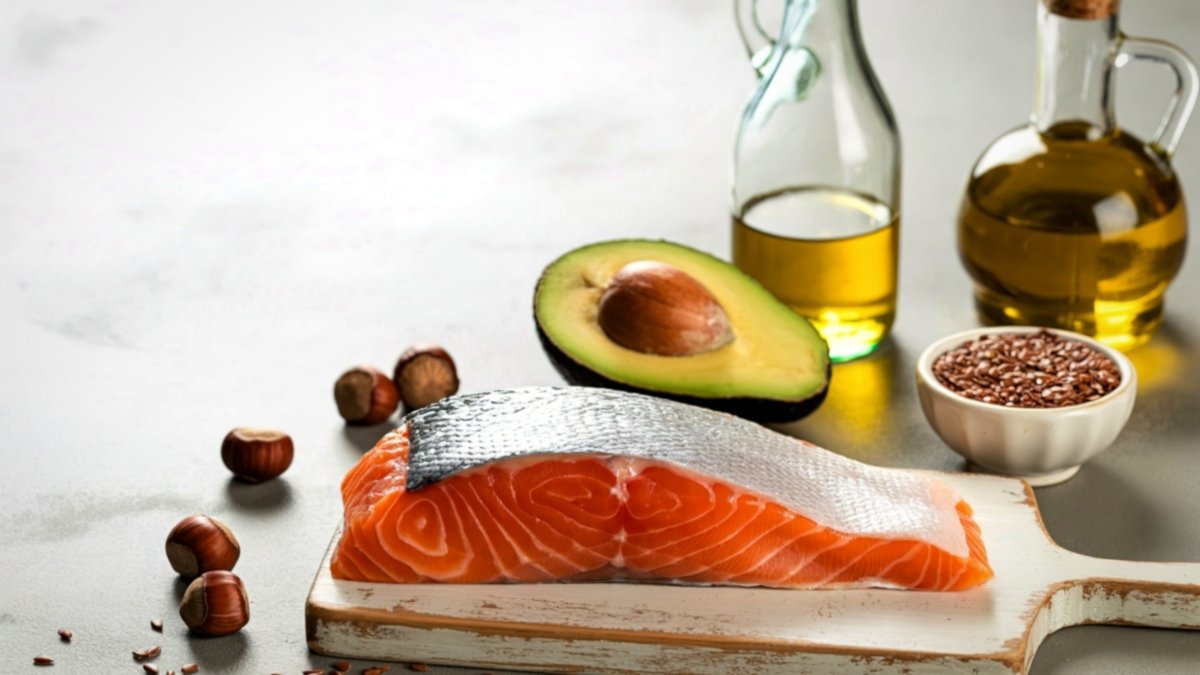
Fish oil supplements sit in millions of cabinets. Most people think they’re just good for the heart. They do way more for your brain’s waste system.
DHA (one type of omega-3) maintains those AQP4 water channels. Without enough DHA, the channels lose their shape and stop working right. Think of DHA as the grease that keeps the gates opening and closing smoothly.
A 2025 study tested dosing. Taking 2,500mg of DHA daily for two months improved working memory and slowed cognitive decline. Each 0.1 gram per day of DHA or EPA cut cognitive decline risk by 8-9.9%. Long-term users showed 64% lower Alzheimer’s risk.
You need both EPA and DHA, but DHA matters more for brain cleaning. Get it from fatty fish like salmon, mackerel, and sardines. Or take a high-quality supplement. Check the label. You want at least 2,000mg combined EPA and DHA.
Timing doesn’t matter much. Just take it daily with food. If you have the APOE4 gene (which raises Alzheimer’s risk), omega-3s become even more critical.
Blood Pressure and Your Brain: The Surprising Connection

Your blood pressure does more than strain your heart. It powers your brain’s cleaning system. Here’s how it works.
Your arteries pulse with each heartbeat. This pulsing pushes cerebrospinal fluid through your brain. High blood pressure stiffens your arteries. Stiff arteries don’t pulse well. Weak pulsing means weak fluid movement. Waste builds up.
The UK study found that blood pressure and smoking account for at least 25% of dementia risk. The SPRINT MIND trial proved treatment works. Getting systolic blood pressure below 120 mm Hg cut cognitive decline by 20%.
Your nighttime pressure matters most. Normal “dipping” means your blood pressure drops at night. People with normal dipping had 63% lower dementia risk than “non-dippers.” Non-dippers keep high pressure all night. Their brains never get a break.
Check your blood pressure at home. Aim for under 120/80. If you’re high, talk to your doctor. Small vessel disease from high pressure directly damages the glymphatic system. Control it now before damage accumulates.
Cutting-Edge Interventions: What’s Working in 2026
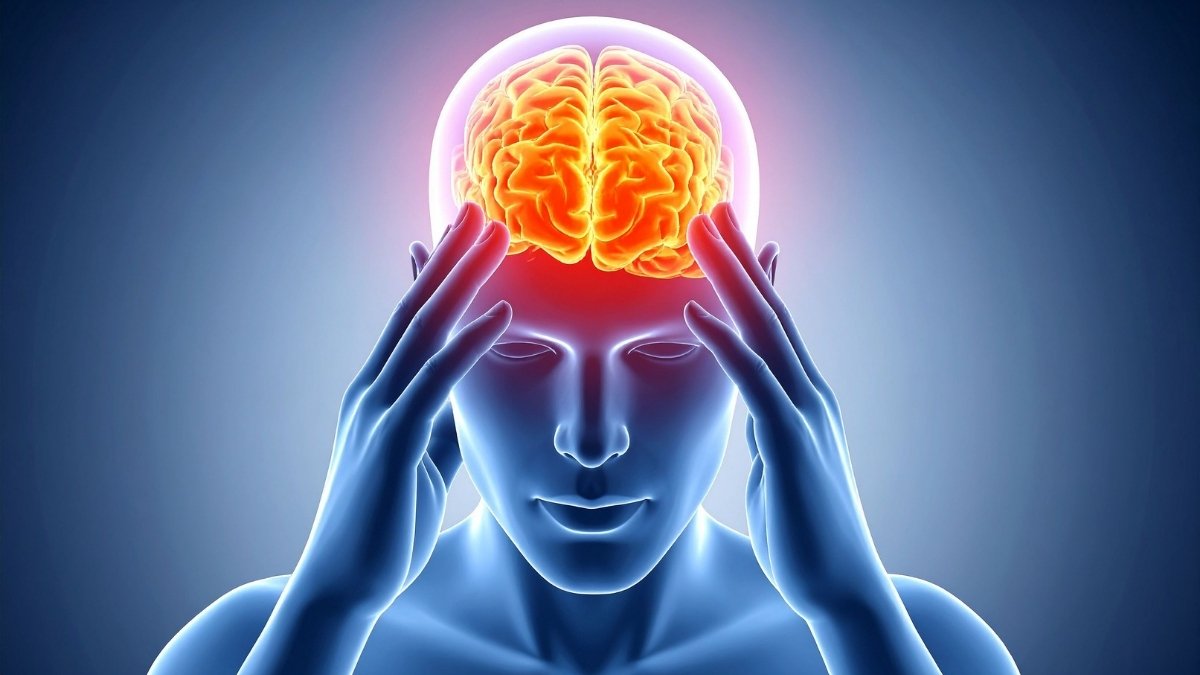
Scientists are testing new ways to boost brain cleaning. Some are available now. Others are coming soon.
The most promising is 40Hz stimulation. MIT spent 10 years studying this. They use light and sound flickering at 40 times per second. This triggers VIP peptide release. That peptide tells your glymphatic system to speed up. Studies show it reduces amyloid, tau, and prevents neuron death.
Photobiomodulation uses red light therapy. Wavelengths between 630-808nm can inhibit amyloid buildup. The light promotes interstitial fluid drainage. Some people use red light panels at home. Clinical trials are testing this now.
Non-invasive brain stimulation shows promise too. Researchers are testing transcranial magnetic stimulation and other methods. These could activate the cleaning system without drugs.
Future drugs might target AQP4 channels directly. Make them work better or last longer. But these are years away from approval.
The best approach? Combine multiple methods. Use lifestyle changes as your foundation. Add new therapies as they become available and proven safe.
Glymphatic Cleanse
- Prioritize Side Sleeping (Left side preferred).
- Use knee pillow for alignment.
- Target 7-8 hours (set alarm).
- Goal: Open glymphatic channels.
- Download step tracker.
- Walk 10 min after every meal.
- Add 15 min evening walk.
- Goal: 5,000 steps daily minimum.
- Buy Omega-3 (2,000mg EPA/DHA).
- Take daily with breakfast.
- Eat fatty fish 2x for dinner.
- Goal: Reduce inflammation.
- Check Blood Pressure.
- Alert: If > 130/80, schedule doctor.
- Practice 5-min deep breathing.
- Goal: Regulate flow pressure.
What to Avoid: The Glymphatic System Disruptors
You can do everything right and still sabotage yourself. Avoid these brain-cleaning killers.
Chronic sleep deprivation tops the list. Missing sleep even once stops your brain from clearing amyloid-beta and tau. Do it repeatedly and you’re building up toxins every single night. Treat sleep like medicine. Non-negotiable.
Alcohol disrupts the cleaning process. One drink occasionally won’t hurt. But regular heavy drinking damages your glymphatic system permanently. It also wrecks your sleep quality. Two problems in one.
Sitting all day shuts down the benefits of exercise. Even if you walk 5,000 steps, sitting for 10 hours damages your vascular health. Stand up every 30 minutes. Move around for two minutes.
Chronic stress and inflammation mess with AQP4 channels. High cortisol levels disrupt their function. Find a stress practice that works for you. Breathing exercises. Walking. Whatever gets your stress down.
High blood pressure and smoking form a deadly combo. Both damage glymphatic function directly. Quit smoking. Control your blood pressure.
Final Words,
Your brain has a cleaning system. Most people ignore it until it’s too late. The glymphatic system clears toxic proteins that cause Alzheimer’s. Optimize it through sleep, exercise, omega-3s, and blood pressure control.

Start tonight. Sleep on your side for 7-8 hours. Tomorrow, walk 5,000 steps. Add omega-3s this week. These aren’t just prevention tactics. You’re giving your brain the tools it needs to stay healthy for decades.