Must-Follow 25 Fitness Rules That Keep People Over 50 Out of the Hospital (Do You 25/0?)

More than one in four adults over 65 falls each year, leading to 3 million emergency department visits. Yet only 15% of seniors meet federal physical activity guidelines. This gap is deadly.
Adults over 50 face a critical choice right now. Commit to evidence-based fitness habits or risk losing independence to preventable hospitalizations. Most people know exercise is important. They just don’t follow the proven fitness rules over 50 that actually keep them out of the hospital.
This guide gives you 25 research-backed strategies that directly reduce hospitalization risk. These aren’t generic tips about moving more. They’re specific, actionable rules based on 2024-2025 CDC guidelines, Johns Hopkins research, and international expert consensus.
You’ll learn exactly how much exercise for people over 50 prevents falls, how much protein preserves muscle, and which strength training after 50 protocols protect your independence.
These 25 rules address the five leading causes of hospitalization in older adults: falls, cardiovascular disease, muscle loss, dehydration, and chronic disease complications. Follow them and you stay independent. Ignore them and you risk everything.
Rule 1: Meet the 150-Minute Minimum

Your body needs movement to stay strong. The CDC recommends 150 minutes of moderate exercise for people over 50 every week. That’s just 30 minutes, five days a week. This isn’t about running marathons. Brisk walking counts. So does swimming, cycling, or dancing.
Here’s what matters. Adults who get 6,000 to 9,000 steps daily cut their heart disease risk by 40-50% compared to those who barely move. After 50, your heart works harder to pump blood. Regular aerobic activity keeps your cardiovascular system efficient and strong.
Start by walking around your neighborhood for 15 minutes twice a day. Use the stairs instead of the elevator. Park farther from store entrances. These small changes add up fast. Track your weekly minutes on your phone or a simple calendar.
When you hit 150 minutes consistently, your body fights off heart attacks, strokes, and hospital stays. Exercise for people over 50 doesn’t need to be extreme. It just needs to be regular.
Rule 2: Never Skip Three Days in a Row

Your muscles have a short memory after 50. Miss three days of activity and your body starts breaking down muscle protein faster than it builds it back up. This process is called deconditioning, and it speeds up dramatically with age.
Research shows muscle protein synthesis drops significantly after 72 hours of inactivity. That means sitting on the couch for a long weekend can set you back weeks. Your strength fades. Your balance gets shaky. Your risk of falling increases.
Keep moving even when you’re tired or busy. If you can’t do your full workout, do 10 minutes. Walk to the mailbox. Do chair squats during TV commercials. Something is always better than nothing.
Physical activity guidelines for older adults emphasize consistency over intensity. Missing one day is fine. Missing two days happens. But three days?
That’s when your body shifts into decline mode. Stay in the game by moving at least every other day. Your independence depends on it.
Rule 3: Move Every 30 Minutes

Sitting is dangerous for people over 50. Your blood pools in your legs. Your muscles shut down. Your risk of blood clots and heart problems climbs higher with every hour you spend in a chair.
Standing up and moving for just 2-3 minutes every half hour changes everything. Walk to the kitchen for water. Stretch your arms overhead. Do 10 calf raises while you stand. These micro-movements keep your blood flowing and your muscles engaged.
Set a timer on your phone if you need reminders. After 50, prolonged sitting increases hospitalization risk more than it does for younger people. Your body loses its ability to bounce back from inactivity.
If you work at a desk, stand during phone calls. If you watch TV in the evening, get up during commercials. The goal isn’t intense exercise for people over 50 during these breaks. The goal is interrupting the sitting.
Studies show these movement breaks lower blood sugar, reduce inflammation, and keep your cardiovascular system responsive. Two minutes every 30 minutes protects you more than you’d think.
Rule 4: Track Your Movement
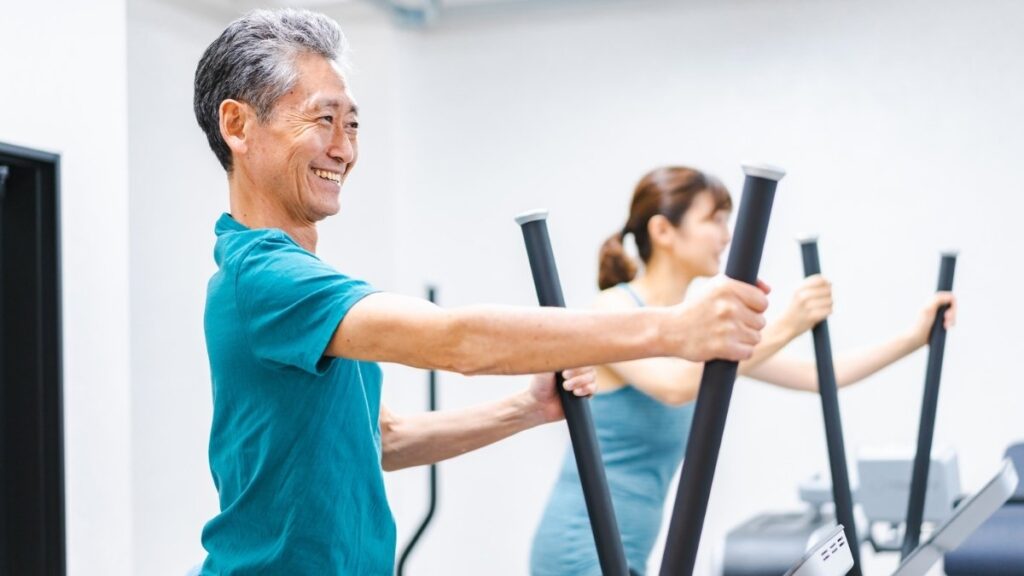
Only 15.5% of adults over 65 meet federal physical activity guidelines. Most people think they move more than they actually do. Your brain lies to you about how active you’ve been. The solution is simple. Track it.
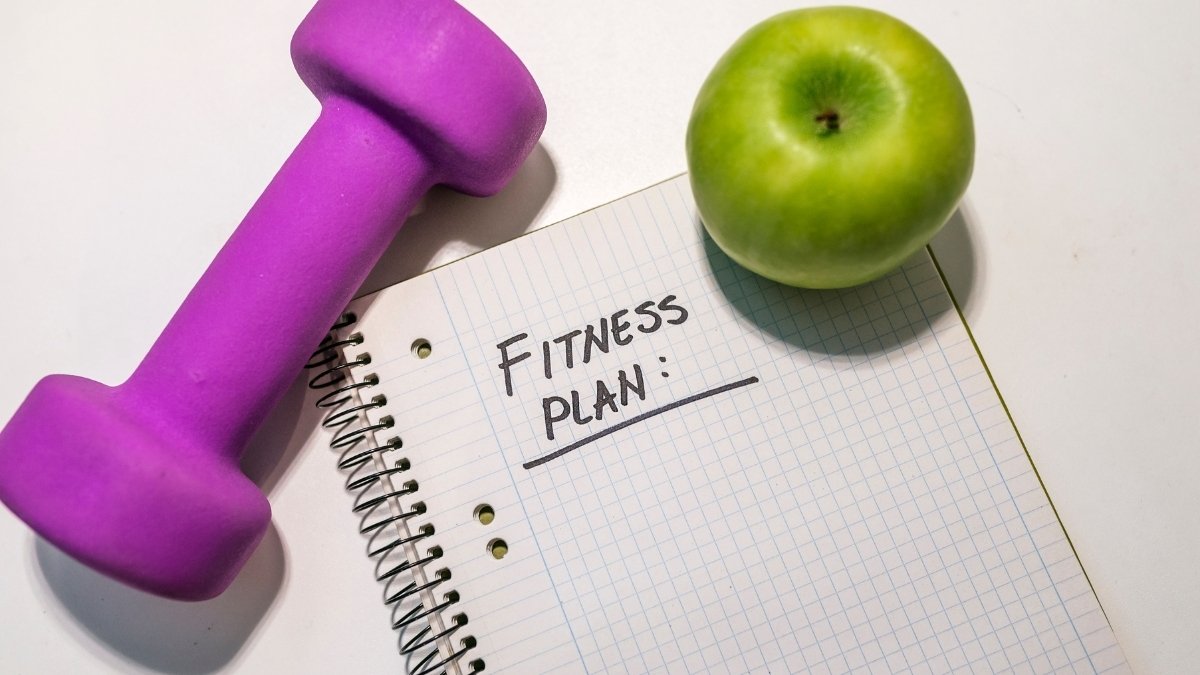
Research from 2024 shows that tracking increases exercise adherence by 30%. When you write down your walks or log your workouts, you’re more likely to stick with them. Use a fitness tracker, a smartphone app, or a paper calendar. The method doesn’t matter. What matters is seeing your progress.
Write down how many minutes you moved each day. Count your steps if you have a tracker. Note which exercises you did and for how long. This data shows you patterns. Maybe you move less on Wednesdays.
Maybe you skip weekends. Once you see the gaps, you can fix them. Exercise for people over 50 works best when it’s consistent, and tracking creates consistency.
You can’t improve what you don’t measure. Start tracking today and watch your motivation grow with every completed workout.
Rule 5: Start Where You Are
The WHO confirms that some activity is infinitely better than none. This matters because many people over 50 give up before they start. They think they need to exercise for an hour or it doesn’t count. That’s wrong.
Even 10-minute walks provide real benefits. Your heart gets stronger. Your muscles engage. Your mood improves. Three 10-minute walks spread throughout the day work just as well as one 30-minute walk. Physical activity guidelines for older adults recognize that shorter bouts of movement add up to better health.
Don’t compare yourself to people who’ve been exercising for years. Start with what you can do today. If you can walk for five minutes, do that. If you can do five chair squats, start there.
Add one more minute or one more repetition next week. Progress comes from consistent small steps, not dramatic changes that you can’t maintain.
Adults who move regularly have 27-53% lower cardiovascular disease risk than those who stay sedentary. That protection starts the day you begin moving, no matter how small that movement is.
Rule 6: Strength Train at Least Twice Weekly
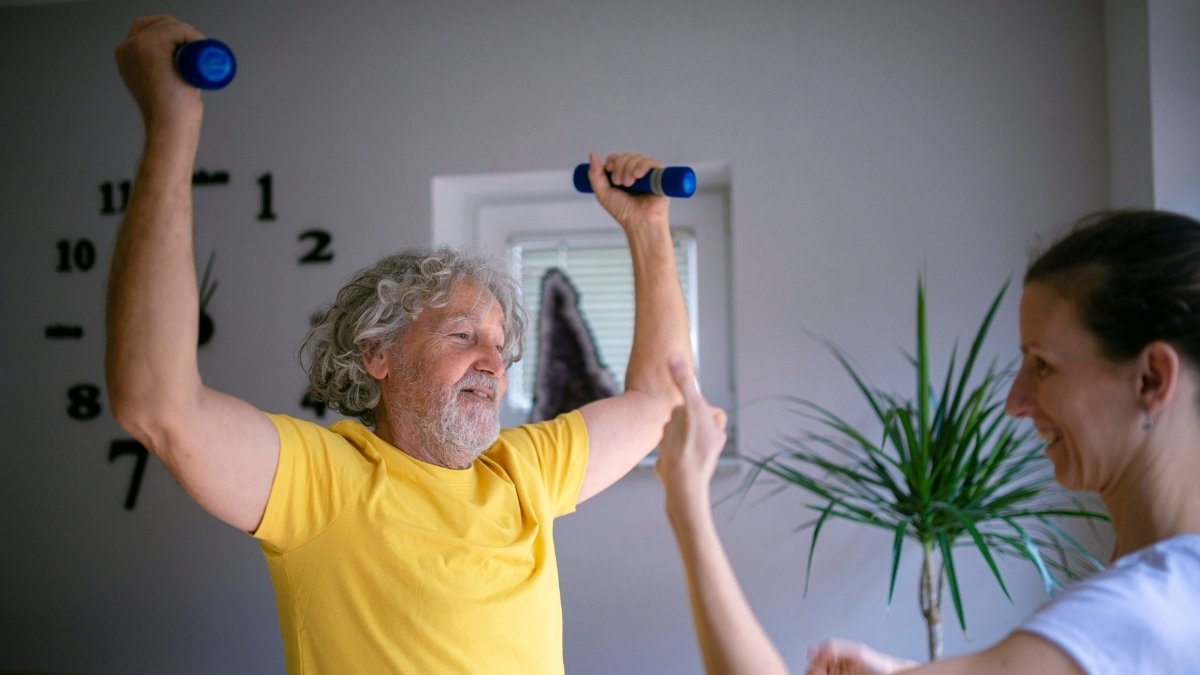
Strength training after 50 is your best defense against falls, fractures, and hospital stays. The American College of Sports Medicine calls resistance training the most important intervention for preventing muscle loss and maintaining independence. Twice per week is the minimum. Three times is better.
You don’t need a fancy gym. Resistance bands, dumbbells, or bodyweight exercises all work. The key is challenging your muscles until they feel fatigued. After 50, you lose 4-6 pounds of muscle per decade without strength training according to Johns Hopkins research. That muscle loss makes you weaker, slower, and more likely to fall.
Pick two days each week for strength work. Monday and Thursday works well. Target all major muscle groups including legs, back, chest, shoulders, and arms. Do 8-12 repetitions of each exercise for 2-3 sets.
If you can do more than 12 easily, increase the weight or resistance. Resistance exercise for older adults rebuilds what age tries to take away. Your bones get denser. Your balance improves.
Your risk of falling drops by 27% according to research. Two sessions per week keeps you out of the hospital.
Rule 7: Progressive Overload Is Non-Negotiable

Your muscles need a reason to stay strong. If you lift the same light weights month after month, your strength plateaus. Progressive overload means gradually increasing the challenge over time. This prevents the 4-6 pounds of muscle loss per decade that affects inactive adults.
Start with weights at 50-60% of the maximum you could lift once. As you get stronger, progress to 70-80%. Add small amounts of weight every 2-3 weeks. If you’re using dumbbells, go up by 2-5 pounds. With resistance bands, move to the next color. With bodyweight exercises, add more repetitions or slow down the movement.
Write down what you lift each session. When you can complete 12 repetitions easily, it’s time to increase the challenge. Strength training after 50 only works when you push your muscles beyond what they’re used to.
Harvard Health reports that sarcopenia affects up to 50% of adults over 80. Progressive overload is how you avoid becoming that statistic. Your muscles respond to challenge at any age. Keep increasing the difficulty and your strength keeps growing.
Rule 8: Don’t Fear Heavy Weights
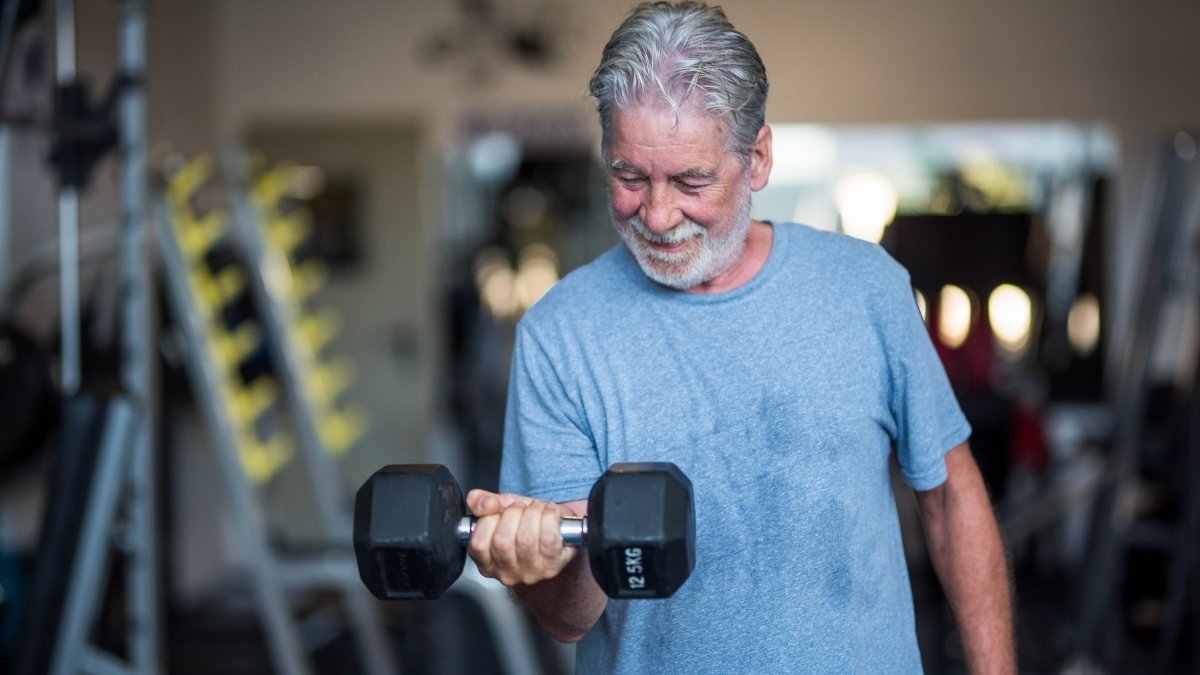
Many people over 50 think light weights are safer. Research from 2024 proves this wrong. Properly supervised strength training at higher intensities is both safe and more effective for adults 50-80 than endless repetitions with tiny dumbbells.
Heavy is relative to your ability. If you can lift a weight 15-20 times easily, it’s too light to build strength. You need resistance that challenges you within 8-12 repetitions. That’s when your muscles grow stronger and your bones get denser. Light weights won’t give you the fall protection you need.
Get guidance from a trainer or physical therapist when starting. They’ll teach you proper form so you can lift heavier safely. Focus on controlled movements. Breathe steadily. Stop if you feel sharp pain, but don’t stop just because your muscles burn.
That burning sensation means your muscles are working. Resistance training reduces fall-related fractures by 27%. Those benefits come from challenging your muscles with real weight, not from curling soup cans.
Strength training after 50 needs intensity to work. Don’t be afraid to lift heavy.
Rule 9: Compound Movements First
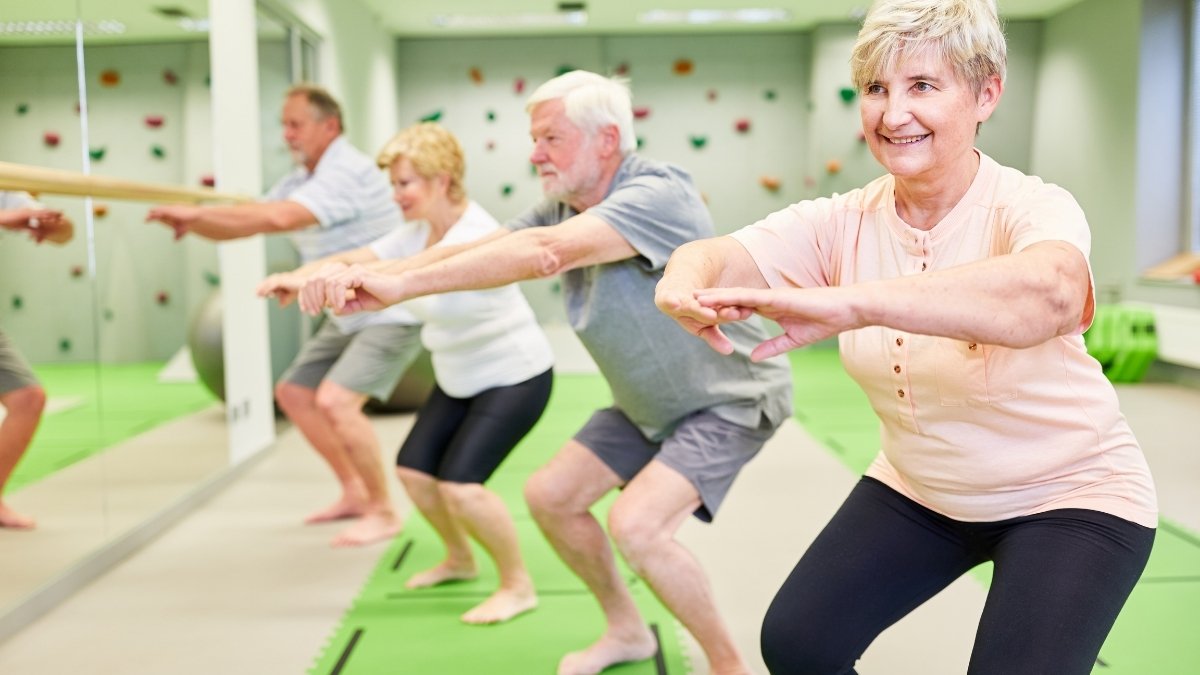
Compound exercises work multiple muscle groups at once. Squats engage your legs, core, and back. Rows work your back, shoulders, and arms. These movements mirror real life activities like getting up from a chair, carrying groceries, or climbing stairs.
Start every strength session with compound movements while you’re fresh. Save single-muscle exercises like bicep curls for the end if you have time. Squats, deadlifts, rows, chest presses, and overhead presses build functional strength that keeps you independent.
Modify these exercises to match your ability. Can’t do a full squat? Squat to a chair. Can’t deadlift from the floor? Start with the weight on blocks. Can’t do push-ups? Do them against a wall or counter.
The movement pattern matters more than the difficulty level. Resistance exercise for older adults should prepare you for daily activities. When your legs are strong enough to squat, you won’t struggle getting off the toilet.
When your back is strong enough to row, you won’t hurt yourself lifting your grandchild. Compound movements build the whole-body strength that prevents hospital stays.
Rule 10: Track Your Strength Gains
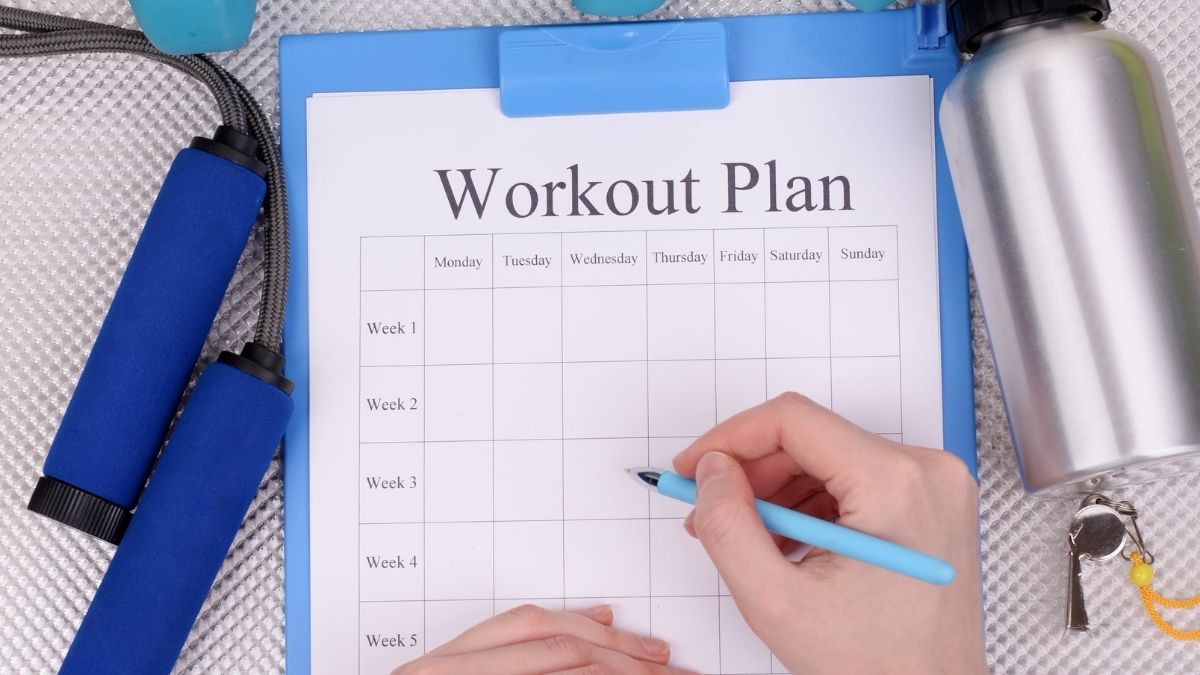
Sarcopenia affects up to 50% of adults over 80 according to Harvard Health research. The only way to know if you’re staying ahead of muscle loss is to track your progress. Write down every workout. Record the weights you use and how many repetitions you complete.
This data tells you when to increase difficulty. It shows you which muscle groups are getting stronger and which need more work. It motivates you on days when you don’t feel like exercising. Looking back at where you started proves your effort is working.
Use a simple notebook or a fitness app. List the date, exercise name, weight used, and repetitions completed. Check your progress every four weeks. If you’re not getting stronger, something needs to change.
Maybe you need more protein. Maybe you’re not resting enough between sessions. Tracking reveals these patterns. Strength training after 50 requires consistency and progression. You can’t manage what you don’t measure.
Keep detailed records and you’ll see real gains. Those gains in the gym translate to independence in life and fewer trips to the hospital.
Rule 11: Practice Single-Leg Stands Daily
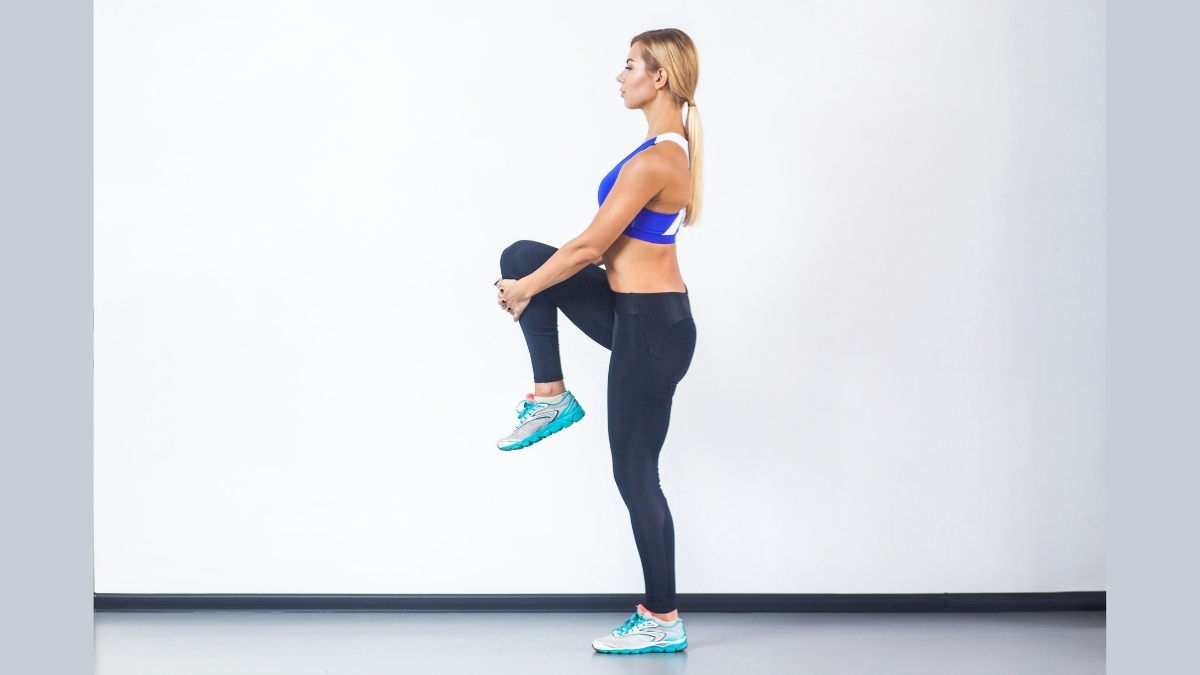
Balance deteriorates faster than most people realize after 50. One in four adults over 65 falls each year, leading to 1 million hospitalizations. Your ability to stand on one leg predicts your fall risk better than almost any other test.
Try this right now. Stand on one foot and time yourself. Can you hold it for 10 seconds without grabbing something? If not, you need balance work immediately. Work up to 30 seconds per leg. This simple exercise strengthens the small stabilizer muscles in your feet, ankles, and hips that keep you upright.
Practice single-leg stands while brushing your teeth. Stand on one leg while waiting for coffee to brew. Hold onto a counter at first if needed, then let go as you improve. Alternate legs each time.
Fall prevention exercises like this one save lives. The CDC reports 3 million emergency room visits yearly from older adult falls. Most of those falls are preventable.
Single-leg stands improve your balance, reaction time, and confidence. Better balance means fewer falls. Fewer falls means staying out of the hospital. Do this every single day.
Rule 12: Add Balance Work Three Times Weekly
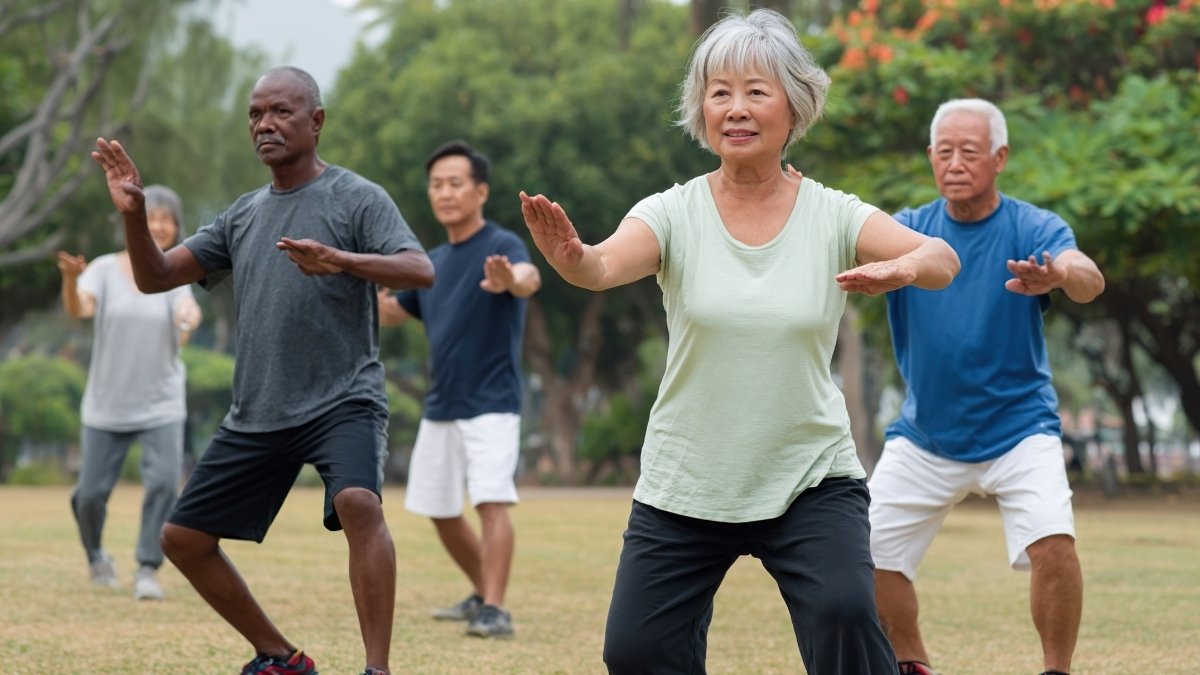
Tai chi, yoga, and dedicated balance exercises reduce falls by 15% in older adults who practice them regularly. Three sessions per week provides the protection you need. This isn’t optional if you want to stay independent.
Balance training works differently than strength training. You’re teaching your nervous system to react quickly when you stumble. You’re improving your body’s ability to make tiny adjustments that keep you upright. These skills fade rapidly with age unless you practice them consistently.
Find a tai chi class at your local senior center. Try a beginner yoga class focused on balance poses like tree pose or warrior three. Use balance boards or wobble cushions at home. Stand on one leg while doing simple tasks.
Walk heel-to-toe in a straight line. These exercises feel awkward at first because your balance is rusty. That awkwardness is exactly why you need them.
Balance training for older adults strengthens the connection between your brain, muscles, and inner ear. Practice three times weekly and your fall risk drops significantly. Skip it and you’re gambling with your independence.
Rule 13: Train Your Reaction Time

Catching a ball sounds simple until you’re over 50 and your reflexes have slowed down. Reaction time training prevents the kind of falls that land you in the hospital. A study at a Dallas trauma center found that hospital admissions from falls decreased significantly when balance programs were added.
Your brain needs practice responding quickly to unexpected movements. Stand facing a wall and toss a tennis ball against it, catching it as it bounces back. Have someone gently toss you a ball from different angles. Do agility ladder drills or step quickly side-to-side over a line. These exercises train your nervous system to react faster.
The difference between catching yourself when you trip and hitting the ground is often just milliseconds. Those milliseconds come from practiced reactions.
Fall prevention exercises that include reaction time training give you that split-second advantage. Most falls happen when something unexpected occurs and your body can’t adjust quickly enough.
The trash bag tears as you’re carrying it. Your foot catches on a rug. Someone bumps you in a crowded store. Train your reactions and you’ll catch yourself instead of falling.
Rule 14: Don’t Ignore Dizziness

Dizziness when standing up is common after 50. Many people brush it off as normal aging. This is dangerous. Postural hypotension means your blood pressure drops when you stand, leaving your brain temporarily short on oxygen. That moment of lightheadedness is when falls happen.
Report any dizziness, vertigo, or balance changes to your doctor immediately. These symptoms might indicate medication problems, dehydration, inner ear issues, or cardiovascular concerns. All of these are treatable. None should be ignored.
Stand up slowly from sitting or lying positions. Sit on the edge of your bed for a few seconds before standing in the morning. Stay hydrated throughout the day. If you feel dizzy, sit down right away.
Don’t try to push through it. Exercise for people over 50 should make you stronger, not more vulnerable. Track when dizziness occurs and what you were doing at the time. This information helps your doctor identify the cause.
Treating the underlying problem often eliminates the dizziness entirely. Don’t let pride keep you from reporting symptoms. Catching these issues early prevents the falls that lead to hospital stays.
Rule 15: Strengthen Your Ankles
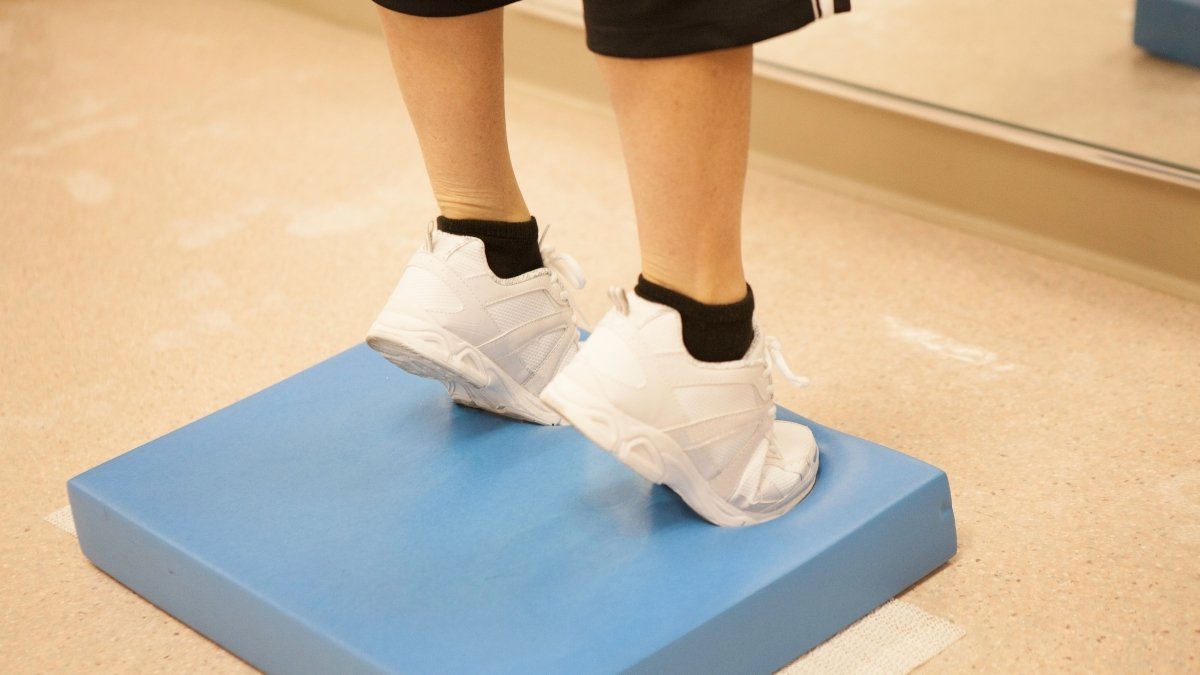
Weak ankles cause instability that leads directly to falls. Your ankles are your foundation. When they’re strong and flexible, you can recover from stumbles. When they’re weak, you go down.
Do calf raises daily. Stand with your feet hip-width apart and rise up onto your toes, then lower back down. Start with 10 repetitions, work up to 30. Add ankle circles while sitting. Rotate each foot 10 times in each direction. Use resistance bands to strengthen the muscles that move your ankle side-to-side and up-and-down.
Strong ankles improve your balance during every step you take. They adjust automatically when you walk on uneven ground. They catch you when you step wrong on a curb. The CDC reports that 62% of trauma center admissions for older adults are fall-related.
Many of those falls start with an ankle giving out. Fall prevention exercises for your ankles take five minutes a day. That small investment protects you every time you stand up. Add single-leg calf raises as you get stronger. Stand on one foot and do calf raises for an extra challenge. Your ankles support everything else. Keep them strong.
Rule 16: Hit Moderate Intensity Regularly

Moderate intensity means working at 50-70% of your maximum heart rate. You should be able to talk but not sing during exercise. This level of effort provides serious protection against heart disease without overdoing it.
You don’t need to check your heart rate constantly. Use the talk test. If you can hold a conversation while exercising, you’re in the moderate zone. If you’re gasping for breath, slow down. If you can easily sing, speed up. Most of your weekly exercise for people over 50 should happen at this moderate intensity.
Brisk walking, swimming, cycling, and dancing all work. The key is maintaining that effort for 20-30 minutes at a time. Your heart strengthens when you challenge it consistently. Your blood vessels become more flexible.
Your blood pressure drops. Adults who move regularly at moderate intensity have 27-53% lower cardiovascular disease risk according to UK Biobank data from 2024. That protection is massive. Moderate intensity isn’t easy, but it’s sustainable.
You can do it several times per week without burning out. Make moderate-intensity cardio exercise over 50 the foundation of your fitness program and your heart will thank you.
Rule 17: Don’t Fear Intensity

Research from 2024-2025 contradicts old advice that older adults should only do light exercise. The truth is more surprising. Properly supervised vigorous exercise provides substantial benefits for adults over 50 and is safe when done correctly.
Vigorous intensity means working at 70-85% of your maximum heart rate. You can only speak a few words at a time. This level of effort strengthens your heart faster and burns more calories in less time. Include at least one or two sessions per week at higher intensity if your doctor clears you for vigorous exercise.
Start with interval training. Walk briskly for two minutes, then walk very fast or jog slowly for 30 seconds. Recover for two minutes and repeat. Build up gradually. These bursts of intensity improve your cardiovascular fitness more efficiently than steady moderate exercise alone.
Physical inactivity causes 686,000 deaths annually worldwide according to WHO data from 2021. Higher-intensity exercise gives you more protection in less time. You’re not fragile. Your body adapts to challenge at any age. Don’t let fear keep you from the workouts that provide the best heart health protection. Push yourself within safe limits.
Rule 18: Know Your Numbers

Track your resting heart rate and blood pressure monthly. These numbers tell you how well your cardiovascular system is working. Knowing them helps you catch problems early before they become emergencies.
Your resting heart rate should be between 60-100 beats per minute. Lower is generally better, showing your heart is efficient. Check it first thing in the morning before getting out of bed.
Blood pressure should stay below 120/80. Higher numbers mean your heart is working too hard. In 2021, 397,000 cardiovascular deaths were attributed to inadequate physical activity.
Buy a home blood pressure monitor. They cost less than $30 and provide valuable data. Write down your readings in a notebook or tracking app. Show these numbers to your doctor at checkups.
Regular cardio exercise over 50 lowers both resting heart rate and blood pressure. A 2024 systematic review confirms that aerobic exercise in hypertensive adults reduces blood pressure and cardiovascular risk markers.
When your numbers improve, you know your exercise program is working. When they stay high or get worse, you know something needs to change. Don’t exercise blindly. Measure your progress with real data that predicts heart health.
Rule 19: Eat 1.0-1.2g Protein Per Kilogram Daily

Your body needs more protein after 50, not less. This surprises most people. Research shows 46% of adults over 51 don’t meet their protein needs. Without enough protein, your muscles break down faster than you can rebuild them through exercise.
Calculate your needs by converting your weight from pounds to kilograms. Divide your weight in pounds by 2.2. A 165-pound person weighs 75 kilograms and needs 75-90 grams of protein daily. That’s about 25-30 grams per meal if you eat three times a day.
Protein comes from meat, fish, eggs, dairy, beans, and tofu. A palm-sized serving of chicken provides about 30 grams. Three eggs give you 18 grams. A cup of Greek yogurt has 20 grams. Track your protein for a few days to see where you stand.
Most people are shocked to discover they’re eating half of what they need. Protein intake for older adults directly impacts muscle preservation. Without enough protein, strength training after 50 doesn’t work as well.
Your muscles need the building blocks to repair and grow. Hit your protein target every single day. This one change prevents muscle loss that leads to falls, fractures, and hospital stays.
Rule 20: Distribute Protein Across Meals

Eating all your protein at dinner doesn’t work after 50. Your body develops something called anabolic resistance. You need more protein at each meal to trigger muscle building compared to younger people. Stanford research shows adults over 70 need 40 grams of protein per meal to get the same muscle response that 20 grams provides in younger adults.
Aim for 30-35 grams of protein at breakfast, lunch, and dinner. This distribution keeps your muscles in building mode throughout the day. A breakfast with two eggs and yogurt hits 30 grams. Lunch with a chicken breast gets you 35 grams. Dinner with fish or beef reaches the target easily.
Spreading protein across meals is more effective than having one large protein serving. Your body can only process about 40 grams at once for muscle building. Anything beyond that gets used for energy or stored as fat.
US dietary data shows 30% of men and 50% of women over 71 consume inadequate protein. Don’t be part of that statistic. Plan each meal around a protein source. This strategy for protein intake for older adults maximizes muscle preservation.
Three protein-rich meals daily give your muscles constant repair signals. That’s how you maintain strength and independence.
Rule 21: Prioritize Protein After Exercise

Your muscles are hungry for protein immediately after strength training. This two-hour window is when your body repairs and rebuilds muscle tissue most efficiently. Miss this window and you lose some of the benefits from your workout.
Consume 30-35 grams of protein within two hours of finishing resistance exercise. A protein shake works well if you’re not hungry for a full meal. Two scoops of whey protein mixed with milk provides about 35 grams. A can of tuna has 40 grams. A large chicken breast has 55 grams.
The protein you eat after working out goes straight to your muscles. It repairs the small tears created during exercise, making your muscles stronger. Without post-workout protein, strength training after 50 loses effectiveness.
You put in the work but don’t get the full results. Research on older adults shows that combining resistance exercise with adequate protein intake produces significantly better strength gains than exercise alone. Keep protein shakes or bars in your gym bag.
Plan your workout timing so you can eat a protein-rich meal afterward. This simple habit amplifies your training results. The work you do in the gym only pays off when you feed your muscles properly.
Rule 22: Don’t Ignore Hydration

Dehydration causes 17-28% of hospital admissions in older adults. Over one-third of seniors are already dehydrated when they arrive at the hospital. This is preventable, yet most people over 50 don’t drink enough water.
Your thirst signal weakens with age. By the time you feel thirsty, you’re already dehydrated. Studies show 25-33% of adults in the US and Europe consume less than 1.5 liters of fluid daily. The HOOP study found that dehydrated patients were six times more likely to die in the hospital than properly hydrated patients.
Drink water throughout the day even when you’re not thirsty. Keep a water bottle with you. Drink a full glass when you wake up. Have another glass with each meal. Sip water during exercise for people over 50.
Your urine should be pale yellow. Dark yellow or amber means you need more water. Set phone reminders if you forget to drink. Coffee and tea count toward hydration, but plain water is best.
Chronic dehydration makes you dizzy, weak, and confused. It thickens your blood and strains your heart. All of this increases hospitalization risk. The solution is simple. Drink more water. Aim for at least eight cups daily, more if you exercise or live in a hot climate.
Rule 23: Schedule True Rest Days

Recovery becomes more important after 50. Your body needs time to repair muscle tissue, replenish energy stores, and adapt to training. Without rest, you break down faster than you build up. That path leads to injury and burnout.
Plan one to two complete rest days every week. On rest days, do nothing intense. Light stretching is fine. A gentle walk is okay. But no strength training, no hard cardio, no demanding balance work. Let your body recover completely.
More rest might be needed if you’re feeling constantly sore or fatigued. Listen to your body. Pushing through exhaustion after 50 causes injuries that sideline you for weeks or months. Those injuries often cascade into bigger health problems that require hospitalization.
Exercise safety for older adults means respecting your need for recovery. Your muscles grow stronger during rest, not during workouts. Training breaks them down. Rest builds them back up. Young people bounce back in 24 hours.
You might need 48 hours between hard sessions. That’s normal. Schedule rest like you schedule workouts. Both are essential for maintaining fitness over 50. Consistent moderate effort with adequate rest beats sporadic intense effort every time.
Rule 24: Listen to Pain, Not Discomfort

Sharp pain is your body screaming stop. Muscle fatigue is your body saying this is working. Learning the difference prevents injuries that lead to hospitalization. This skill matters more after 50 when your body takes longer to heal.
Sharp, stabbing, or shooting pain means something is wrong. Stop immediately. Joint pain that gets worse during exercise is a red flag. Chest pain or difficulty breathing requires emergency attention. These are not signs to push through. Muscle burning or heaviness is different. That’s normal fatigue from working your muscles hard. It should fade within minutes of stopping exercise.
If pain persists for more than a few days or prevents normal movement, see your doctor. Don’t ignore warning signs. Many people over 50 hurt themselves by confusing productive discomfort with dangerous pain.
Exercise for people over 50 should challenge you, not injure you. A good rule is this: if the pain is localized to one spot and sharp, stop. If the sensation is a general muscle burn spread across the working muscles, you’re fine.
Injury prevention means knowing when to push and when to rest. This wisdom keeps you exercising consistently for years instead of sitting injured on the sidelines.
Rule 25: Get Your Doctor’s Clearance

If you have cardiovascular disease, diabetes, kidney problems, or other chronic conditions, talk to your doctor before starting a new exercise program. This isn’t optional. It’s essential for exercise safety for older adults. Your doctor needs to know your plans so they can guide you on what’s safe.
Some conditions require modifications. Heart disease might mean keeping your heart rate below a certain level. Diabetes requires monitoring blood sugar before and after exercise. Kidney disease affects how much protein you should eat. These details matter.
Bring a written plan to your doctor’s appointment. Tell them what exercises you want to do, how often, and at what intensity. Ask specific questions about limitations or precautions. Get their approval in writing if possible. This conversation protects you from preventable complications.
Most doctors enthusiastically support exercise for their patients over 50. They might suggest working with a physical therapist initially to learn proper form. They might recommend cardiac rehabilitation programs. Follow their guidance.
The goal is starting safely and progressing steadily. Medical clearance doesn’t mean you can’t exercise. It means you’ll exercise with knowledge of your specific health situation. That knowledge prevents the emergencies that result in hospital admission. Start smart and you’ll stay strong for years.
Conclusion:

These 25 fitness rules keep adults over 50 independent and out of the hospital. The evidence is clear.
Regular strength training, adequate protein, proper hydration, and consistent movement reduce your risk of falls, heart disease, and muscle loss by up to 50%. Choose three rules to implement this week.
Track your progress. In three months, you’ll have built habits that protect your health and independence. Start today because your body won’t wait. These fitness rules over 50 work, but only if you follow them.