Is This the Most Effective Way to Prevent Dementia Naturally? (Spoiler: It’s Not Puzzles or Games)
Millions of people do the daily crossword thinking it protects their brain. It feels productive. It feels smart. But the science tells a different story.
Dementia affects 57 million people worldwide right now. That number will hit 190 million by 2050. And most people have no idea that the habits they think are protecting them are not the ones that actually work.
Here is the good news. Research shows that up to 45% of dementia cases could be prevented or delayed through lifestyle changes. Real, simple, daily habits — not expensive drugs or special programs.
This article breaks down what the latest research actually says. No guessing. No hype. Just clear, honest information you can act on starting this week.

Preventing
Dementia
This article is structured into 8 points—read them one by one to explore a natural approach to preventing dementia that goes beyond puzzles and games.
Point One: Why Puzzles and Brain Games Are Not Enough to Prevent Dementia Naturally
Most people believe crosswords and Sudoku are the best way to keep their brain sharp. It is a reasonable belief. But the clinical research does not back it up strongly.
Here is what the science actually found. A 20-year study called the ACTIVE Study — published in February 2026 — followed thousands of older adults. The only type of brain training that showed a significant long-term result was “speed of processing” training.
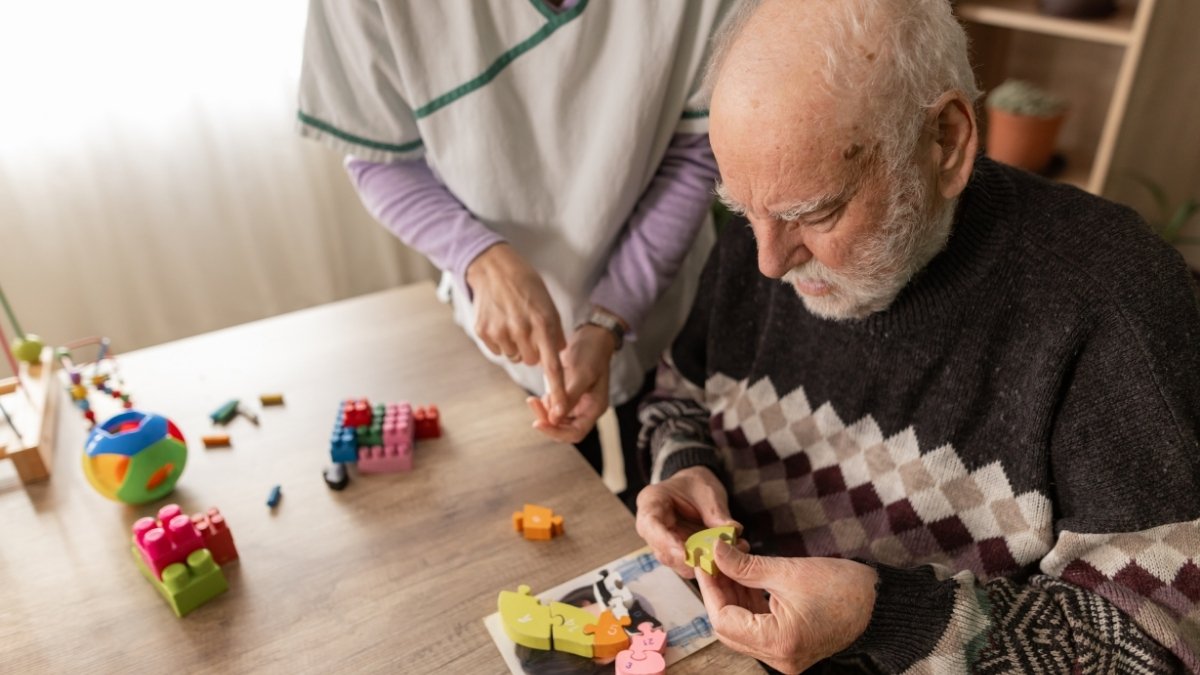
Not memory games. Not reasoning puzzles. Speed training specifically. People who completed about 10 hours of this adaptive training had a 25% lower rate of dementia diagnoses 20 years later.
But even that result ranged from 5% to 41% depending on margin of error. So it is promising — not a guarantee.
Regular puzzles do not adapt to your skill level the way clinical training does. They keep your brain busy. But busy is not the same as protected.
Dr. Marilyn Albert of Johns Hopkins Medicine noted that reducing dementia among just 25% of the U.S. population could save $100 billion in care costs. That tells you how serious this is.
3 Helpful Tips:
- Try free adaptive speed-training tools like BrainHQ instead of standard puzzle apps
- Do not rely on puzzles alone as your only brain health strategy
- Think of mental activity as one piece — not the whole picture
Point Two: The Single Most Effective Habit to Reduce Dementia Risk Naturally Is Physical Movement

This is the big one. And the numbers are hard to ignore.
A 2025 study from Johns Hopkins Bloomberg School of Public Health looked at data from 89,667 adults in the UK. Researchers tracked their movement using wrist devices. The result was clear: just 35 minutes of moderate exercise per week — five minutes per day — was linked to a 41% lower dementia risk.
Five minutes a day. That is not a typo.
The more you move, the better it gets. Here is the breakdown:
60 to 70 minutes per week cut risk by 60%. 70 to 140 minutes per week cut it by 63%. Over 140 minutes per week cut it by 69%.
Every extra 30-minute session reduced risk by an additional 4%. And this held true even for frail, older adults who do not exercise much at all.
Why does movement work? It raises BDNF — a protein that helps grow and protect brain cells. It also improves blood flow to the parts of your brain responsible for memory and thinking.
Brisk walking counts. So does cycling, swimming, or dancing.
3 Helpful Tips:
- Start with a 5-minute walk after dinner — just one meal, every day
- Use a free app like Google Fit or Apple Health to track your weekly minutes
- Never sit still for more than 60 minutes without getting up and moving
Point Three: Deep Sleep Is One of the Most Overlooked Natural Ways to Protect Brain Health

Your brain does not rest when you sleep. It cleans itself.
There is a system called the glymphatic system. It runs mostly during deep sleep and flushes out toxic waste — including amyloid-beta and tau proteins. These are the same proteins that build up in the brains of people with Alzheimer’s disease.
When you sleep less than 7 hours, this cleaning process gets cut short. One night of poor sleep raises tau protein levels in your brain fluid by over 50%. That is measurable damage from a single bad night.
A 2025 meta-analysis looked at 76 studies. It found that sleeping less than 7 hours raised the risk of cognitive decline by 27%. Sleeping over 8 hours regularly was linked to a 43% higher risk of all-cause dementia and a 66% higher risk of Alzheimer’s.
The sweet spot is 7 to 8 hours. Consistent. Every night.
Insomnia alone raised dementia risk by 13% in the same analysis.
Think of sleep as free brain maintenance. Missing it has real consequences.
3 Helpful Tips:
- Set the same bedtime and wake time every day — yes, on weekends too
- Keep your bedroom cool (around 65 to 68°F), dark, and phone-free
- If you snore heavily or feel tired after a full night’s sleep, ask your doctor about a sleep apnea test
Point Four: The MIND Diet Is One of the Most Researched Natural Approaches to Preventing Alzheimer’s
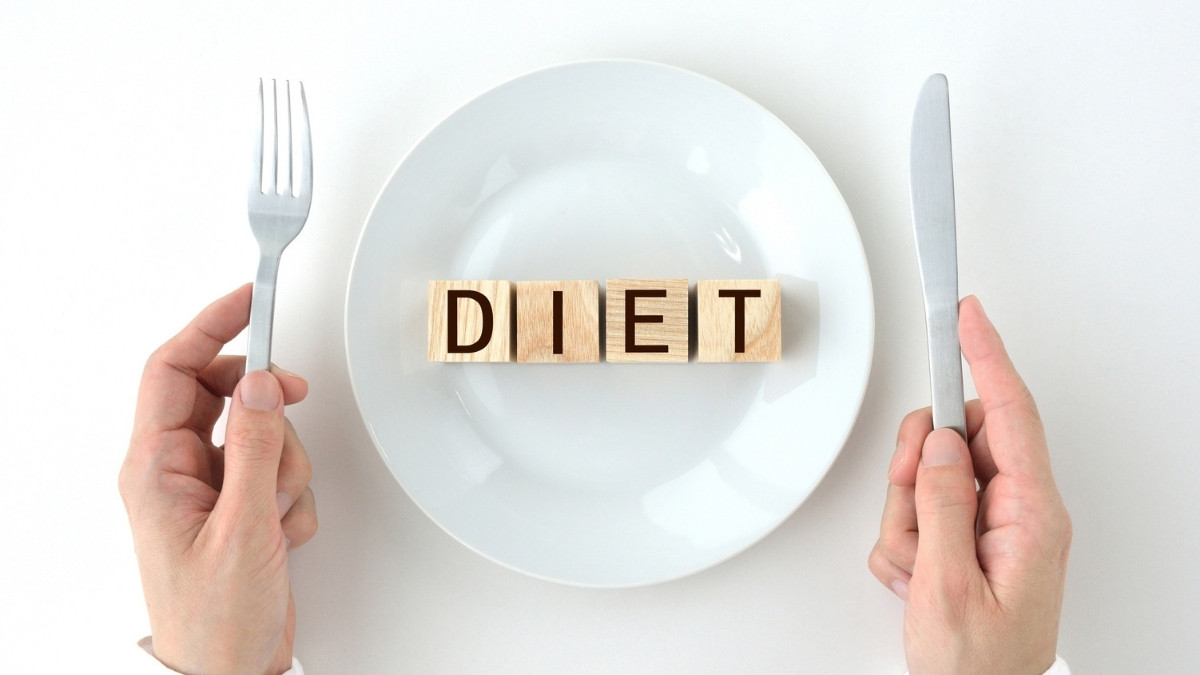
Food directly affects your brain. Not in a vague, general way — in a specific, measurable way.
The MIND diet was designed specifically for brain health at Rush University Medical Center. It combines the best of the Mediterranean and DASH diets and targets the brain directly.
A 2025 systematic review covered 39 studies from 14 countries, with some follow-ups lasting 24 years. Ten out of eleven studies found that following the MIND diet was linked to lower dementia and Alzheimer’s risk. Fourteen out of nineteen studies showed better overall brain function.
People with the highest MIND diet adherence had a 53% lower rate of Alzheimer’s. Even moderate adherence cut risk by 35%.
The MIND diet includes: leafy greens, berries, nuts, beans, whole grains, fish, poultry, and olive oil — at least 6 servings of leafy greens per week. It limits red meat, butter, cheese, sweets, and fried food.
A University of Hawaiʻi study confirmed the benefits even when people started the diet later in life. It is never too late.
3 Helpful Tips:
- Add one handful of berries and one portion of leafy greens to your meals every single day
- Swap butter for olive oil when cooking — it is a small change that adds up over years
- Aim to follow the MIND diet 5 out of 7 days, not perfectly, just consistently
Point Five: Managing Your Blood Pressure Is a Proven Natural Strategy to Prevent Dementia

Most people think high blood pressure is a heart problem. It is also a brain problem.
The 2024 Lancet Commission — the most respected global review of dementia prevention — identified 14 modifiable risk factors. Together, they account for 45% of all dementia cases worldwide. Hypertension, meaning high blood pressure, is one of the most confirmed and damaging risk factors on that list. Especially when it develops in midlife.
The SPRINT-MIND trial tested what happens when doctors lower blood pressure more aggressively — to below 120 mmHg instead of the standard 140 mmHg target. The result: significantly fewer cases of mild cognitive impairment, which is a common first step toward dementia.
A review of data from 31,000 adults across six studies found that treating high blood pressure brought dementia risk down to the same level as someone who naturally had normal blood pressure.
The 2024 Lancet update also added high LDL cholesterol as a newly confirmed risk factor. Obesity and diabetes are also on the list.
Your heart and brain share the same blood supply. When vessels get damaged, both suffer.
3 Helpful Tips:
- Get your blood pressure checked at least once per year — aim to keep systolic below 130 mmHg
- Ask your doctor about your LDL cholesterol levels — this is now a confirmed dementia risk factor
- Reducing salt, increasing movement, and managing weight all help lower blood pressure naturally
Point Six: Loneliness and Social Isolation Are Measurable Risk Factors for Dementia You Can Naturally Reduce
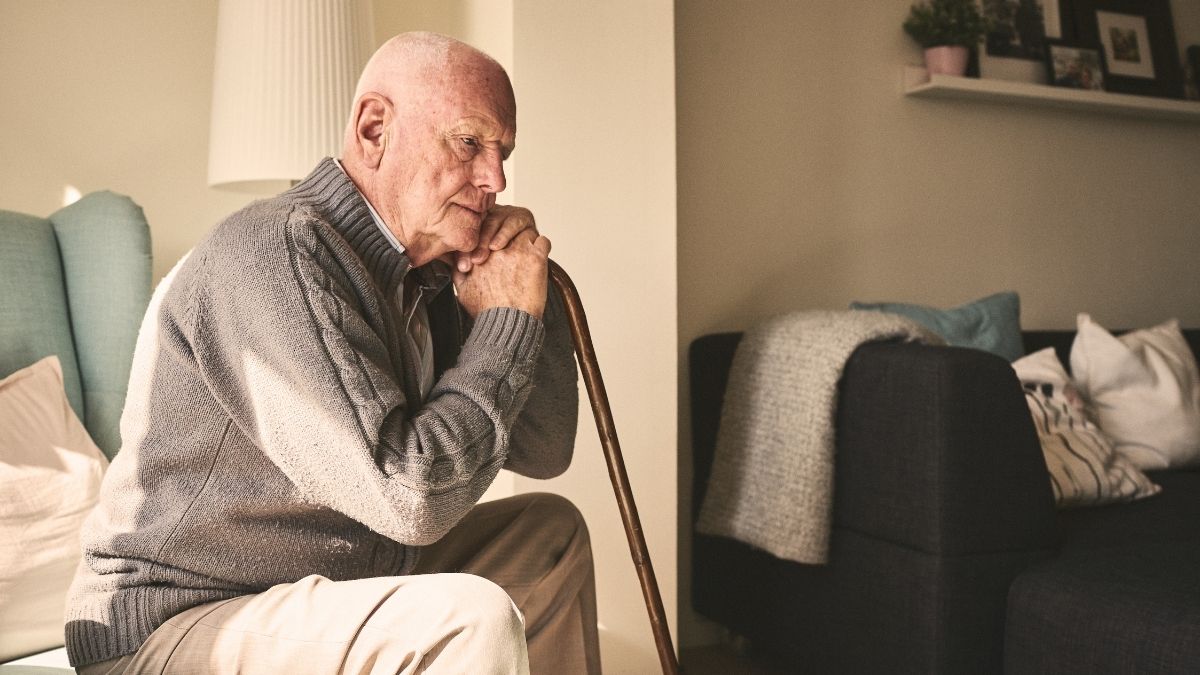
This one surprises most people. But loneliness is not just an emotional problem. It is a biological one.
Social isolation is listed as one of the 14 confirmed modifiable dementia risk factors in the 2024 Lancet Commission. A meta-analysis of multiple NIA-funded studies found that loneliness was linked to a 14% higher risk of Alzheimer’s, a 17% higher risk of vascular dementia, and a 12% higher risk of mild cognitive impairment.
Here is an important distinction. Social isolation and loneliness are not the same thing. You can be surrounded by people and still feel deeply lonely. Both carry real cognitive risk — but in different ways.
Why does connection protect the brain? When you interact with other people, your brain is doing a lot. It processes language. It reads emotions. It manages expectations and responds in real time. That is genuine cognitive exercise — far more complex than any single puzzle.
People who live alone or have lost a spouse are at higher risk. Building consistent social contact into your week is not optional if brain health matters to you.
3 Helpful Tips:
- Schedule one phone or video call with a friend or family member each week — put it in your calendar
- Join one group activity: a class, a club, a volunteer role, or a place of worship
- Eating with other people regularly is one of the simplest and most powerful social habits you can build
Point Seven: Treating Hearing Loss Is One of the Easiest Natural Steps Toward Preventing Cognitive Decline

This is the most overlooked point in this entire article.
Hearing loss is the single largest modifiable risk factor for dementia identified in the 2024 Lancet Commission. It contributes more to preventable dementia than any other single factor on the list. And most people either do not know this or are waiting too long to act.
Here is why it matters. When your hearing is damaged, your brain has to work harder just to understand sounds. That extra mental effort — called cognitive load — diverts resources away from memory and thinking. Over years, this wears down cognitive function.
Research cited by the National Institute on Aging found that people with untreated hearing loss who started using hearing aids had significantly lower rates of long-term cognitive decline.
Vision loss is also now a confirmed risk factor in the 2024 Lancet update. Treating cataracts and wearing prescription glasses reduces cognitive risk too.
The problem? People wait an average of 7 years between noticing hearing problems and getting help. That is 7 years of unnecessary cognitive load.
3 Helpful Tips:
- Get a hearing test if you are over 50 or regularly ask people to repeat themselves
- Do not wait until hearing loss feels “serious enough” — act earlier, not later
- Also book a vision check — correcting eyesight is now linked to lower dementia risk per the 2024 Lancet data
Point Eight: Your Practical, Science-Backed Action Plan to Prevent Dementia Naturally in 2026
Now you have the full picture. Here is how to put it together.

These habits do not work in isolation. They stack. Exercise improves sleep. Better sleep reduces brain inflammation. The MIND diet protects your blood vessels. Social connection gives you motivation to keep moving. Fixing your hearing frees up mental energy for everything else.
Start small. Here is your Week 1 minimum:
Move 5 more minutes per day than you do right now. Set one consistent bedtime and stick to it. Add one serving of leafy greens and a handful of berries to your meals. Make one real social connection — call someone, meet someone, eat with someone. Book a hearing or vision test if you have been putting it off.
That is it. That is the starting dose the research supports.
Over time, build toward 140 minutes of movement per week, 7 to 8 hours of consistent sleep, and the MIND diet 5 days out of 7.
No single habit guarantees anything. Genetics and age are real. But up to 45% of dementia cases are linked to factors you can change. That is not a small number. That is a real opportunity.
3 Helpful Tips:
- Track your weekly movement minutes using a free app — seeing progress makes it easier to keep going
- Revisit your blood pressure and cholesterol numbers with your doctor at least once per year
- Pick one habit from this article to start today — not Monday, not next month, today
Final Words:
The real way to protect your brain is not a puzzle. It is movement, sleep, food, blood pressure, connection, and hearing health — working together.
The research is clear, the actions are simple, and the window to act is now. These are the most evidence-based natural ways to prevent dementia and protect your brain for decades to come.