Longevity Experts Agree: This One Factor Predicts Healthy Aging Better Than Genetics

Your genes load the gun, but your lifestyle pulls the trigger—and when it comes to healthy aging, scientists now agree that daily choices matter far more than DNA.
If aging runs poorly in your family, it’s easy to feel helpless. Many people assume bad genes mean weak health, low energy, and shorter lives, no matter what they do.
The problem is confusion. One source says food is everything. Another says exercise is the key. Others blame stress or sleep. With so much mixed advice, it’s hard to know which healthy aging factors truly affect longevity and which ones don’t really move the needle.
In this article, you’ll learn why genetics vs lifestyle isn’t an even fight. Lifestyle controls 70–80% of what helps predict healthy aging. You’ll see why Blue Zones live about ten years longer and how simple daily choices can reduce genetic disadvantages starting today.
THIS ONE
FACTOR
Predicts healthy aging
Better Than Genetics
The Genetics Myth: Why Your DNA Isn’t Destiny

If you’ve blamed your genes for health problems, here’s good news. The Danish Twin Study found that only 20-30% of how long you live comes from your DNA. The other 70-80% is controlled by lifestyle and environment. Your genetic predisposition doesn’t seal your fate.
A 2022 UC San Diego study made this clear. Researchers said “even if you aren’t likely to live long based on your genes, you can still extend your lifespan.” Physical activity worked for everyone, no matter their genetics. In a 2025 survey, 53 health experts agreed that lifestyle factors matter most for healthy aging.
Here’s the real surprise. A 2023 study in Lancet Healthy Longevity showed people with “bad genes” got even bigger benefits from healthy living than people with “good genes.” Bad genetics just means you have more to gain from making changes.
Think of it this way. Your genes load the gun. But your lifestyle pulls the trigger. You have way more control than you think.
The #1 Factor That Predicts Healthy Aging: Social Connection
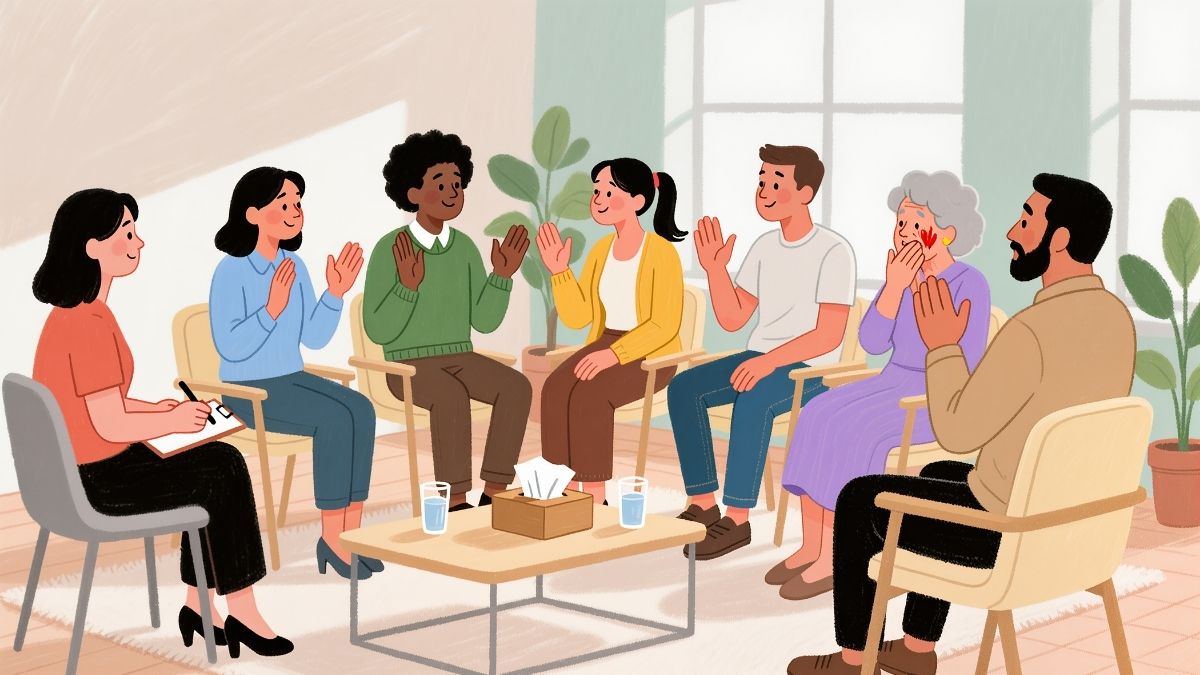
Feel lonely? You’re not alone. Nearly one in three U.S. adults report feeling lonely. One in four older Americans ages 50-80 feel isolated. But here’s what most people don’t know. Social isolation isn’t just sad. It’s deadly.
A meta-analysis of 148 studies found that people with strong social ties were over 50% more likely to survive than isolated people. Stanford research backs this up. Strong relationships increase longevity by roughly 50 percent. That’s huge.
To put it in perspective, social isolation equals smoking 15 cigarettes daily. A January 2024 JAMA study showed that reducing social isolation could cut mortality risk, especially in people with obesity. The link between social connections and longevity is undeniable.
An October 2025 Cornell study went even deeper. People with richer, sustained relationships showed younger biological profiles on epigenetic clocks. These clocks measure your real age at the cellular level. Healthy relationships literally slow down aging in your cells.
Quality beats quantity here. You don’t need 100 friends. You need a few deep connections. Why does this work? Social bonds reduce inflammation in your body. They lower cortisol, your stress hormone. They release oxytocin, which protects your heart and immune system.
Physical Activity: The Second Most Powerful Longevity Predictor

Forget the gym guilt. The longest-lived people on Earth never lifted weights or ran on treadmills. They just moved naturally throughout their day.
A December 2025 study in Lancet Healthy Longevity tracked 36,000+ adults aged 65+ for 20 years. Physical activity was the clear winner, adding 4+ years to life. Even better? You can start after 65 and still get these benefits.
Move Naturally
Longevity Predictor #2Forget Gym Guilt
The longest-lived people didn’t run marathons. They gardened, walked, and took stairs.
Beats Your Genes
Lancet (2025): Added 4+ years to life.
BMC Medicine: Cut mortality by 16% even with “bad genes.”
The Anti-Sit Rule
Sitting is harmful even if you exercise. Break up sedentary time every hour. Your body was built to move.
In a September 2025 U.S. News survey, nearly half of 53 health experts said physical activity aging was their top priority. Movement for healthy aging doesn’t mean CrossFit or marathons. It means walking, gardening, taking stairs, and playing with grandkids.
Here’s what matters. Sitting for long periods is harmful on its own, even if you exercise later. Break up sedentary time every hour. Stand up. Walk around. Your body was built to move, not sit.
Blue Zones: Real-World Proof That Lifestyle Trumps Genetics

Five places on Earth prove that healthy aging habits beat genetics. Blue Zones residents reach age 100 at 10 times greater rates than in the United States. These aren’t special people with super genes. They just live differently.
The five Blue Zones are Okinawa (Japan), Sardinia (Italy), Nicoya (Costa Rica), Ikaria (Greece), and Loma Linda (California). Kyotango, Japan has a centenarian rate nearly three times the national average. Dan Buettner’s research found that 80% of lifespan comes from lifestyle and environment, not DNA.
What do these places share? Natural movement built into daily life. Plant-based diets with meat only 5 times per month. Strong social ties. A sense of purpose. In Okinawa, friendship groups called “moai” meet for life. One group has been together for 97 years with an average age of 102.
Cellular
Connection
The Epigenetic Clock
Tests like GrimAge reveal your biological age. Rich relationships make cells look years younger than isolated ones.
Inflammation Shield
Strong ties reduce chronic, low-grade inflammation—the key driver of accelerated aging.
The Chemical Release
Connection releases hormones that boost immunity and lower cortisol (stress).
Visible Results
Doctors see it in blood work: Lower markers, better immunity. It’s not just a feeling; your cells actually get younger.
Researcher Dan Buettner identified the “Power 9” principles. These include moving naturally, eating until 80% full, having purpose, managing stress, belonging to a community, putting family first, having the right tribe, and drinking wine in moderation.
You don’t need to move to Okinawa. Blue Zones longevity principles work anywhere. The centenarians lifestyle isn’t exotic. It’s simple, consistent habits done for decades.
Diet and Nutrition: Supporting Cast, Not Leading Role
Diet matters for healthy aging, but it’s not the star of the show. Social connections and movement matter more. That said, what you eat still counts.
Blue Zones residents eat 95% plant-based diet. They consume meat only about 5 times per month. This pattern shows up across all five longevity hotspots. Plant-based longevity is real, but you don’t need to be perfect.
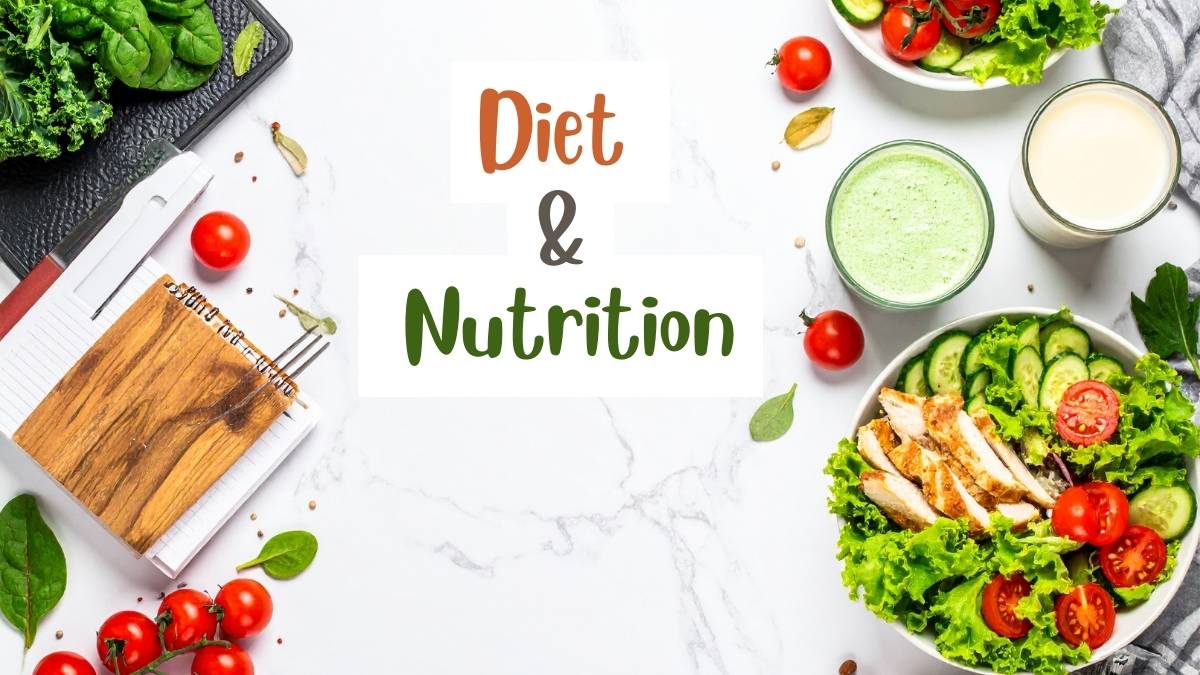
Dr. David Katz from Yale put it well. “Food is the fuel that runs every function of the incredible human machine.” Quality beats fancy diet names. Mediterranean, DASH, and plant-based diets all show benefits. The common thread? Lots of vegetables, fruits, beans, and whole grains.
Okinawans practice “Hara Hachi Bu.” They eat until they’re 80% full, not stuffed. This simple rule creates natural caloric restriction without counting calories. Your stomach needs 20 minutes to tell your brain it’s full. Stop before that happens.
A Harvard study tracked people with five low-risk lifestyle factors, including high-quality diet. They had 74% lower all-cause mortality risk. But notice the word “including.” Nutrition and aging work best with other healthy habits.
Focus on plants. Eat slowly. Stop at 80% full. Don’t overthink it.
The Combined Effect
How Lifestyle Factors Multiply Power
Healthy aging factors don’t just add up. They multiply exponentially.
The Virtuous Cycle Feeds Itself
Actionable Steps: Your 90-Day Healthy Aging Plan
You don’t need a perfect plan. You need a simple one you’ll actually follow. This 90-day approach focuses on healthy aging tips that work in real life.
Month 1: Build your social foundation.
Loneliness speeds aging, and connection slows it down. Start small. Call one friend every week. Join a walking group, mosque group, or community class. Even one strong relationship improves longevity habits. Your goal this month is consistency, not popularity.
Month 2: Add natural movement.
You don’t need a gym. Walk after meals. Take stairs. Stretch while watching TV. Begin with 10-minute walks and slowly build to 30 minutes most days. Movement supports your heart, muscles, and brain. This is one of the strongest aging well strategies, even if you start late.
Month 3: Optimize diet and stress.
Eat until you’re about 80% full. Slow down at meals. Add more plants to your plate. Reduce stress by finding purpose—your ikigai. It could be family, faith, or helping others.
Weekly checkpoints matter.
Each week, ask: Did I connect, move, and eat with care?
Long term:
Create accountability partnerships. Simple habits done daily beat perfect plans done once.
Conclusion:
Your genes shape only 20–30% of healthy aging. Lifestyle controls the rest. Strong social ties offer a 50% survival advantage.
Physical activity works even with poor genetic predisposition. Blue Zones prove these longevity factors work anywhere. Don’t wait. Call a friend, walk for 10 minutes, or join a group today. Your future self will thank you.