Your Joint Pain Is A Warning Sign: Here Is What Your Body Needs.

Every time your knee aches climbing the stairs, or your fingers stiffen in the morning, your body is not just getting older. It is sending you a warning you cannot afford to ignore.
Most people are told their joint pain is normal. They are told to rest, take a pill, and accept it. But that is not the full story.
In this article, you will learn what is really causing your joint pain, which nutrients your body is missing, what foods are quietly making it worse, and what you can do starting today.
This is practical, clear information — no confusing medical terms, no false promises.
Why Joint Pain Is Not Just Normal Aging — And What the Numbers Say

Most people wake up stiff and think, “I guess I’m getting old.” But here’s the truth: joint pain is not just an age thing. It’s a data point. Your body is telling you something is wrong.
According to the CDC, about 58.5 million U.S. adults have arthritis right now. That number is expected to grow to 78 million by 2040. This is not a small problem. It’s a national health crisis.
One in four adults with arthritis says their pain is severe — rating it a 7 or higher out of 10. And arthritis-related medical costs and lost work already top $300 billion every year in the U.S. alone.
Here’s what matters most: in many cases, joint pain is caused by nutrient deficiencies, chronic inflammation, and daily habits — all of which you can actually change. Pain is data, not your destiny. Before you accept it, find out what is really causing it.
The Vitamin D Problem Most People with Joint Pain Have Never Heard About

Vitamin D is the most overlooked cause of joint pain. Without enough of it, your body cannot absorb calcium properly. That leads to weaker bones and joints that break down faster than they should.
Research shows that people with rheumatoid arthritis have significantly lower Vitamin D levels in their blood compared to those without it. A 2012 study also linked low Vitamin D to a higher risk of inflammatory diseases like RA.
Signs you may be deficient: constant fatigue, muscle weakness, mood changes, and bone pain — not just stiff joints. These often appear together and get worse over time.
You can boost Vitamin D through sunlight (10 to 30 minutes several times a week), food (salmon, egg yolks, beef liver, mushrooms), or supplements. The standard adult dose is 600 to 800 IU daily, but always check with your doctor first. Ask for a 25-hydroxyvitamin D blood test — it takes five minutes and could explain years of pain.
3 Nutrients Your Joints Are Running Low On Right Now
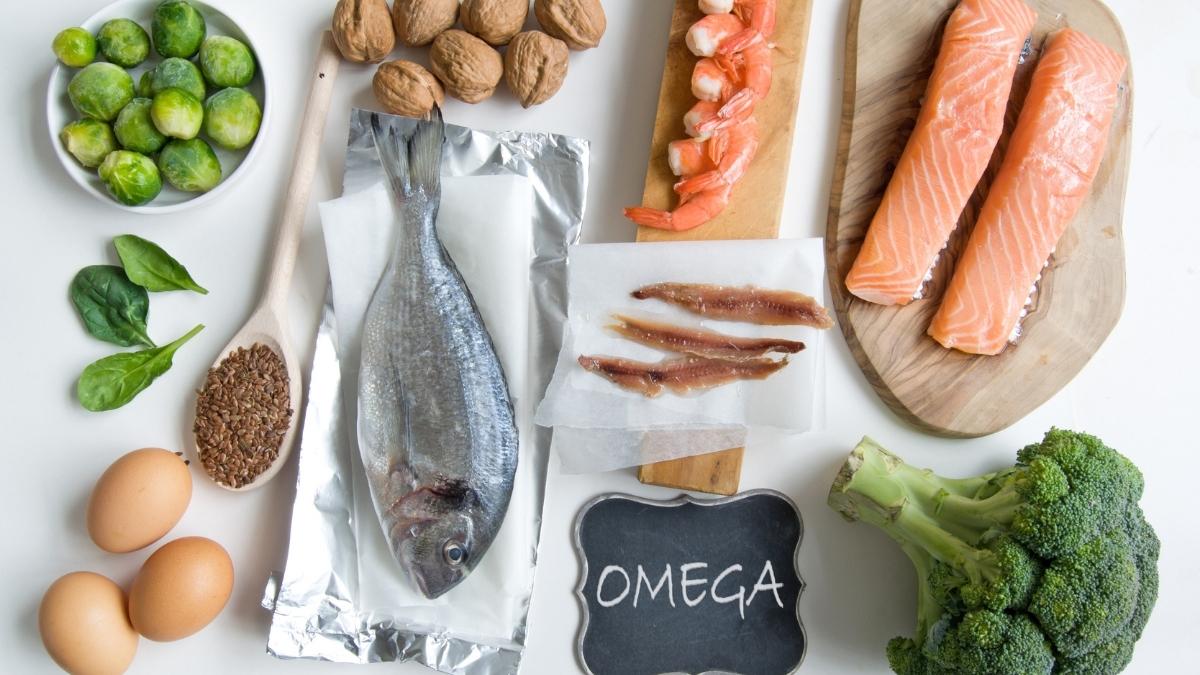
If you eat a typical Western diet, your joints are probably not getting enough of three key nutrients: B vitamins, magnesium, and omega-3 fatty acids. Most people don’t know until the pain shows up.
B vitamins protect your nerve coverings and reduce inflammation in joints. Vitamin B3 has been shown in research to relieve osteoarthritis pain and reduce the need for anti-inflammatory medication.
B12 deficiency causes nerve pain, tingling, and joint aching. Magnesium deficiency causes muscle cramps and chronic pain. Medications like Prilosec, diuretics, and some antibiotics quietly drain magnesium from your body.
Omega-3 fatty acids (EPA and DHA) are powerful inflammation fighters. A 2024 review of 8 clinical trials found that diets high in omega-3s significantly cut pain and improved physical movement. For real benefit, research suggests up to 3,000 mg of EPA + DHA per day.
Food-first approach: eat meat, fish, eggs, leafy greens, salmon, walnuts, and sardines. Your gut absorbs nutrients from whole food far better than from capsules.
How Chronic Inflammation Is Silently Destroying Your Joints

Inflammation is your body’s repair tool. But when it never turns off, it becomes the problem. Low-grade chronic inflammation quietly damages cartilage, wears down joint tissue, and dries out the fluid that keeps joints moving smoothly.
Research published in Nature Medicine found that sugars, refined grains, and salt in ultra-processed foods change gut bacteria, damage the gut lining, and switch on inflammatory genes.
The gut-joint connection is real. When your gut is damaged, inflammation spreads — including into your joints.
A 2025 study of over 37,000 Americans found that each 10% increase in ultra-processed food intake was linked to a 4% higher chance of arthritis and a 6% higher chance of rheumatoid arthritis. Those numbers add up fast over years of bad eating habits.
Foods that fuel the fire: white bread, white pasta, sugary drinks, processed meats, and bottled salad dressings. Cutting these out is the first step. But removing the bad is only half the work.
The Anti-Inflammatory Eating Plan That Actually Helps Joint Pain

Eating for your joints doesn’t mean eating less. It means eating differently. And the good news is the foods that fight joint inflammation are also the ones most people actually enjoy.
A 2025 review of 14 major studies found that diets rich in polyunsaturated fats, probiotics, and anti-inflammatory foods significantly reduced rheumatoid arthritis activity.
A separate 2024 review found that Mediterranean, vegetarian, and fasting-style diets all reduced joint pain and stiffness through changes in gut bacteria and inflammation pathways.
Every 5 grams of cereal fiber per day — from oats, barley, or wheat bran — was linked to lower RA rates in a study of over 15,000 Americans. Fiber is not just for digestion. It matters for your joints too.
What to eat more of: colorful fruits and vegetables, whole grains, fatty fish, legumes, nuts, olive oil, and low-fat dairy. What to reduce: sugary drinks, white flour products, processed meats, and alcohol.
Quick 3-Day Starter
The Habits That Speed Up Joint Damage — And the Ones That Rebuild It

Here’s the irony: the best natural painkiller for joint pain is movement. But most people with joint pain sit still. And that avoidance makes everything worse, faster.
Excess weight is one of the biggest joint destroyers. Every extra pound puts about 4 pounds of pressure on your knees. Obesity raises your risk of osteoarthritis by up to four times. Physical inactivity in arthritis patients jumped from 29% in 2019 to over 72% in 2022 — a huge and alarming rise.
Poor sleep raises CRP (a key inflammation marker) in your blood, which directly worsens joint symptoms. Smoking has been strongly linked to worse RA progression. These are lifestyle factors that are making your pain worse right now.
What actually helps: 150 to 300 minutes of moderate activity per week (per the 2018 Physical Activity Guidelines), 7 to 9 hours of sleep, and stress management. Best exercises for joints: swimming, cycling, yoga, and strength training. Even a 10-minute daily walk reduces arthritis pain. Start there. Consistency beats intensity every time.
Blood Tests to Request and Red Flags That Mean See a Doctor Now
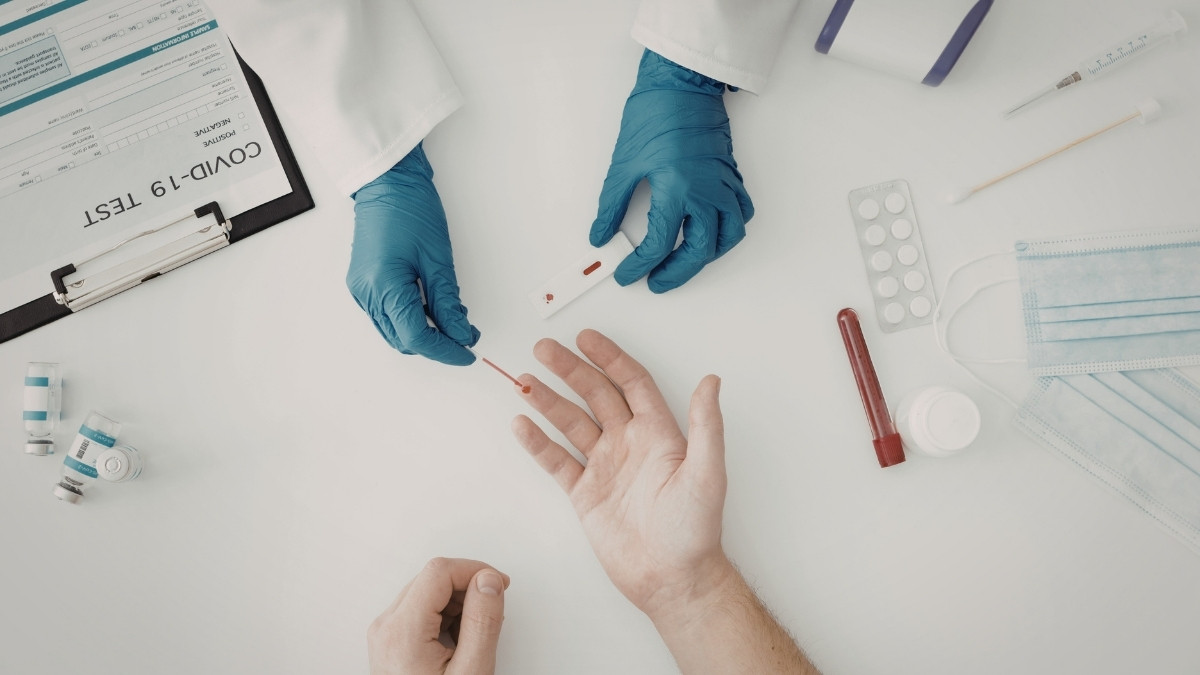
Nutrition and lifestyle can fix a lot. But they cannot fix everything. Some joint pain needs medical testing to find the real cause. Getting tested is not scary — it’s smart.
Ask your doctor for these specific tests: 25-hydroxyvitamin D (your Vitamin D level), serum B12, complete blood count (to check for anemia), C-reactive protein or CRP (measures inflammation), ESR (another inflammation marker), rheumatoid factor (RF), and anti-CCP antibodies (screens for RA). If your Vitamin D is below 20 ng/mL, supplementation is typically recommended.
Red flags that need prompt medical attention: joint pain with a fever, significant swelling and redness, pain that follows a recent infection, sudden severe joint pain with no clear cause, or pain that wakes you from sleep. These are not “normal aging” symptoms.
88% of people with arthritis say it affects their quality of life — yet many never get comprehensive testing. Write down those test names above and bring them to your next appointment. You deserve answers, not just painkillers.
Your 7-Day Joint Pain Reset Plan — Start Today
You now know more about your joint pain than most people ever learn. That knowledge only helps if you use it. Here is a simple 7-day plan you can start right now.
7-Day Starter Protocol
Book a blood test for Vitamin D, B12, and CRP. Remove one ultra-processed food from your daily routine.
Add an omega-3-rich meal — salmon, walnuts, or sardines. Take a 10-minute walk.
Swap white bread and pasta for whole grain versions. Add a serving of leafy greens.
Start a 5-to-10-minute morning stretch or gentle yoga routine. Drink at least 2 liters of water.
Add a Vitamin C source to every meal — bell peppers, citrus, or broccoli. Aim for 8 hours of sleep tonight.
Cook a Mediterranean-style meal. Talk to a pharmacist about whether your current medications deplete joint nutrients.
Review your week. Note any changes in stiffness or pain. Share your blood test results with your doctor.
Final Thoughts,
Joint pain is a signal, not a life sentence. Vitamin D gaps, chronic inflammation, poor sleep, bad food choices — these are all fixable. The data is clear, and the solutions are practical.

Start by booking that blood test. Then change one meal. Then take one walk. Small steps on the right path create lasting change. Your body sends joint pain warning signs for a reason — listen to what it needs.