‘I’m 63 and My Brain is Faster than My Body. Here’s the “Coordination Ladder” Drill that Keeps Me Sharp’
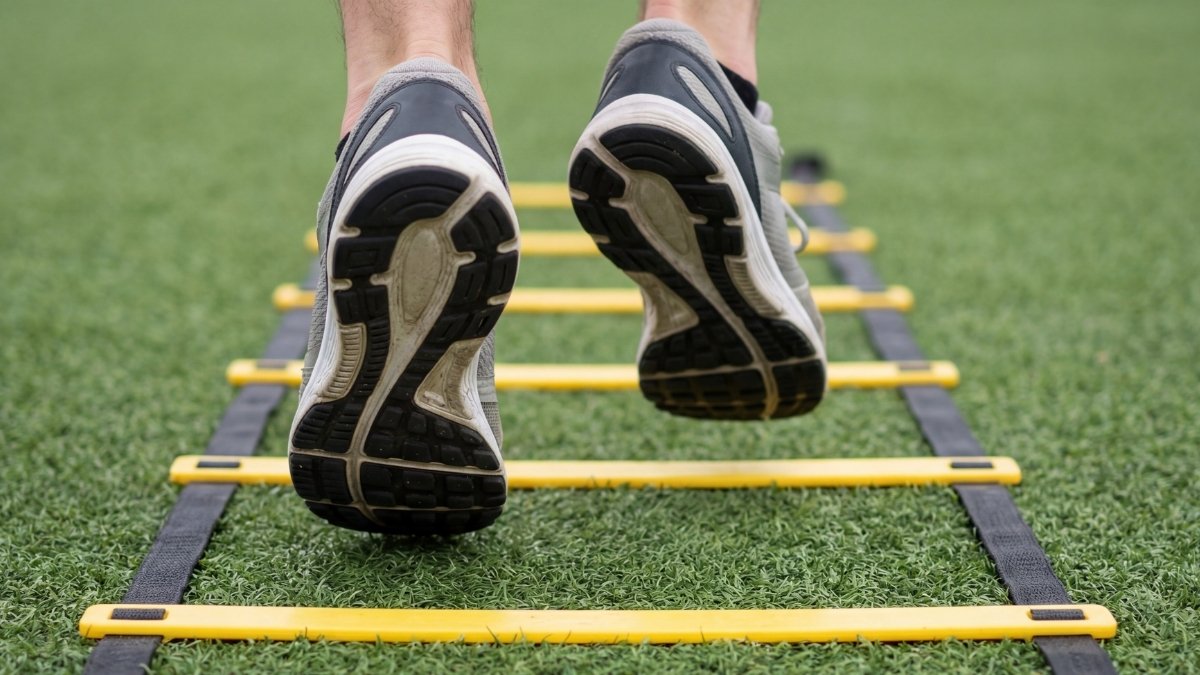
Last Tuesday, I caught myself mid-stumble on the sidewalk and my feet corrected before my brain fully registered the crack in the pavement. That split-second save is what coordination ladder training has given me at 63.
You know this frustration. Your mind is sharp, but your body doesn’t respond as quickly anymore. You miss steps. Your reactions lag. You worry that falls are part of getting older.
They’re not. The exact coordination ladder drill system I use maintains the brain-body connection. Research from 2025 shows dual-task training improves cognitive function by 8-14% and reduces fall risk by up to 35%.
This beginner-friendly progression works for anyone. You can start today with agility training that costs less than $25 and takes 15 minutes.
Brain & Body Sync
This article is structured into 8 points—read them one by one to discover how a simple coordination ladder drill can sharpen your brain and keep you mentally agile as you age.
Point One: Why My Brain Works Faster Than My Body (And Why That’s Dangerous)

There’s a moment every person over 60 recognizes. Your brain shouts “STEP!” but your foot hasn’t gotten the memo yet.
This is neuromuscular disconnect. After 60, the signal from your brain to your muscles slows down. Your reaction time stays sharp, but execution lags behind. I noticed it when I’d think about stepping over my dog’s toy but my foot would drag through it anyway.
The numbers are scary. One in three adults over 65 fall each year. The World Health Organization found that dual-task difficulty increases with age. You can’t walk and talk as easily as you used to. Your proprioception—knowing where your body is in space—gets fuzzy.
Traditional balance exercises help. Standing on one foot works your stability. But it’s only half the equation. You need dynamic balance that matches real life. Real life doesn’t wait for you to get steady first.
That’s where coordination ladder drills change everything. Studies from 2025 show they increase foot speed by 20% over several weeks.
Point Two: What Coordination Ladders Actually Do For Your Brain
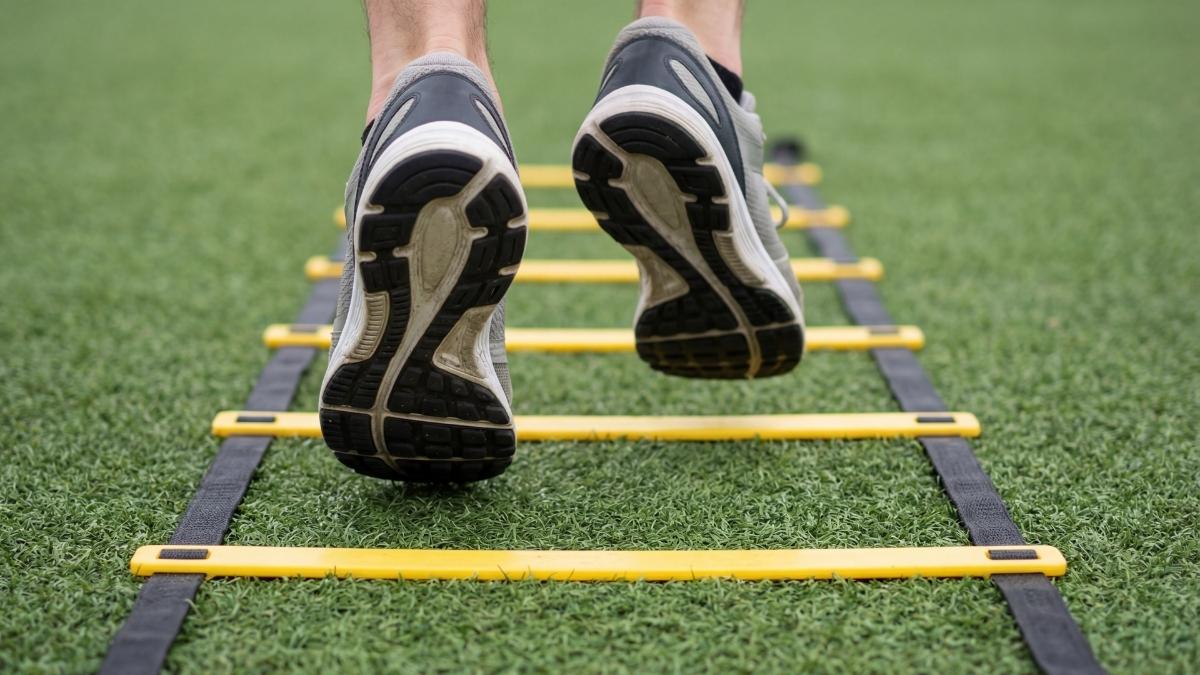
For years, scientists believed your brain’s ability to change peaked in childhood. They were wrong.
Neuroplasticity continues past 65. Your brain builds new connections when you challenge it. Coordination ladders do something special—they force your brain and body to work together at the same time. This is dual-task training.
You move your feet in patterns while your brain processes the next step.
It’s movement intelligence. You’re not just getting stronger. You’re teaching your brain to control your body better. Research from 2025 shows dual-task coordination training improved attention and processing speed by 8-14%.
Sixteen weeks of agility training increased brain-derived neurotrophic factor levels. That’s like fertilizer for your brain.
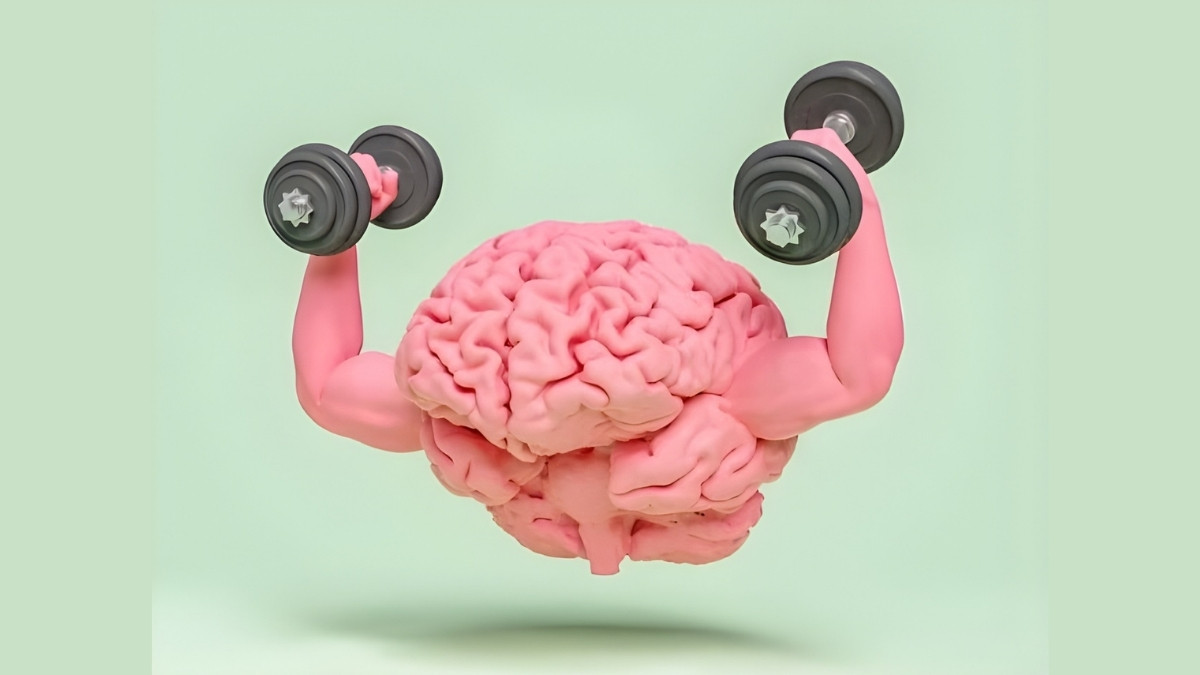
The science backs this up. Coordination training improves working memory and executive function. Mind-body exercises improved gray matter density by 3-5% in memory-related brain regions.
My breakthrough came in week six. I stopped thinking about each step. My feet just knew.
Point Three: The Equipment You Need (It’s Under $25)
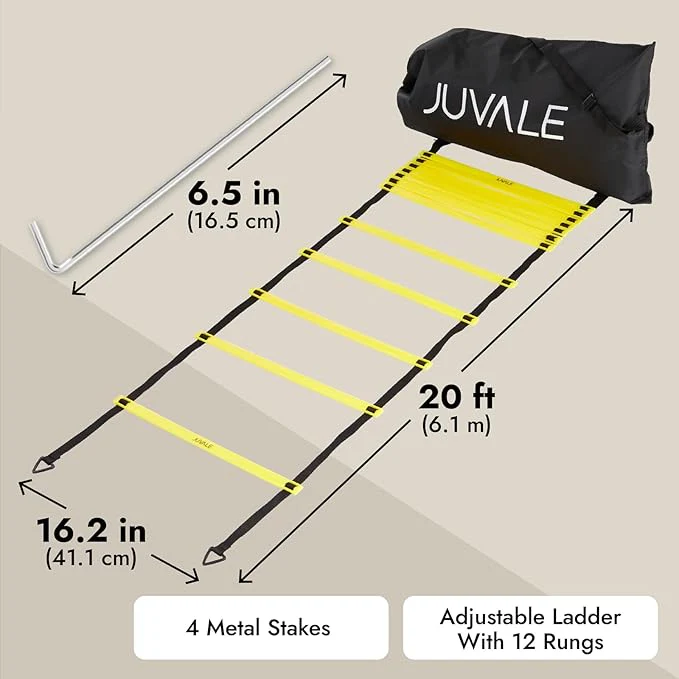
You don’t need a gym membership or fancy equipment. Just 20 feet of space and about twenty dollars.
An agility ladder is flat with plastic rungs. It lies on the ground. You step in and out of the squares. That’s it. The Juvale Agility Ladder costs around $20 and includes accessories. The GHB Pro Agility Ladder runs about $25 with adjustable rungs. Standard dimensions are 20 feet long, 12 rungs, 16-inch spacing.
If budget is tight, use painter’s tape. Make squares on your floor or driveway. Chalk works outdoors. Even rope works if you lay it in ladder shapes.
I use mine indoors on hardwood and outdoors on concrete. Both work fine. Just make sure the surface is flat.
What NOT to buy: expensive ladders with lights or apps. You don’t need them. Save your money.
I’ve used the same $18 ladder for two years. It lives rolled up in my closet.
Point Four: The Beginner’s Progression System (Start Here)
My first ladder drill attempt looked like a drunk giraffe learning to ice skate. I laughed at myself. You will too.
Starting slow prevents injuries. Your body needs time to learn new movement patterns. The 3-phase progression system works: learn the pattern, coordinate your movements, then add speed.
Drill
Protocol
Calibrate
Walk through slowly. Focus on mechanics and foot placement. Ignore speed.
Duration: 2-3 Weeks // Mode: LearningSynchronize
Pattern established. Focus on smoothing the movement. Eliminate hesitation.
Duration: 2-3 Weeks // Mode: CoordinationOverdrive
Full intensity. Only increase speed when the drill requires zero conscious thought.
Target: Max Velocity // Mode: Flow StatePhase 1 is learning. Walk through each drill slowly. Focus on foot placement. Don’t worry about speed. This takes 2-3 weeks.
Phase 2 is coordination. Your feet know where to go. Now work on smooth movement. Another 2-3 weeks.
Phase 3 is speed. Only add speed when you can do the drill without thinking.
Start with 2-4 sets of 3-5 repetitions. The first drill is simple: one foot in each square, alternating feet. Master this before moving on.
Studies show 14-week programs at 30 minutes, twice per week create significant improvements. Even 94-year-old Babs McLaren uses modified versions successfully.
It took me three weeks to get through the basic drill without thinking.
Point Five: Five Core Drills That Build Brain-Body Connection
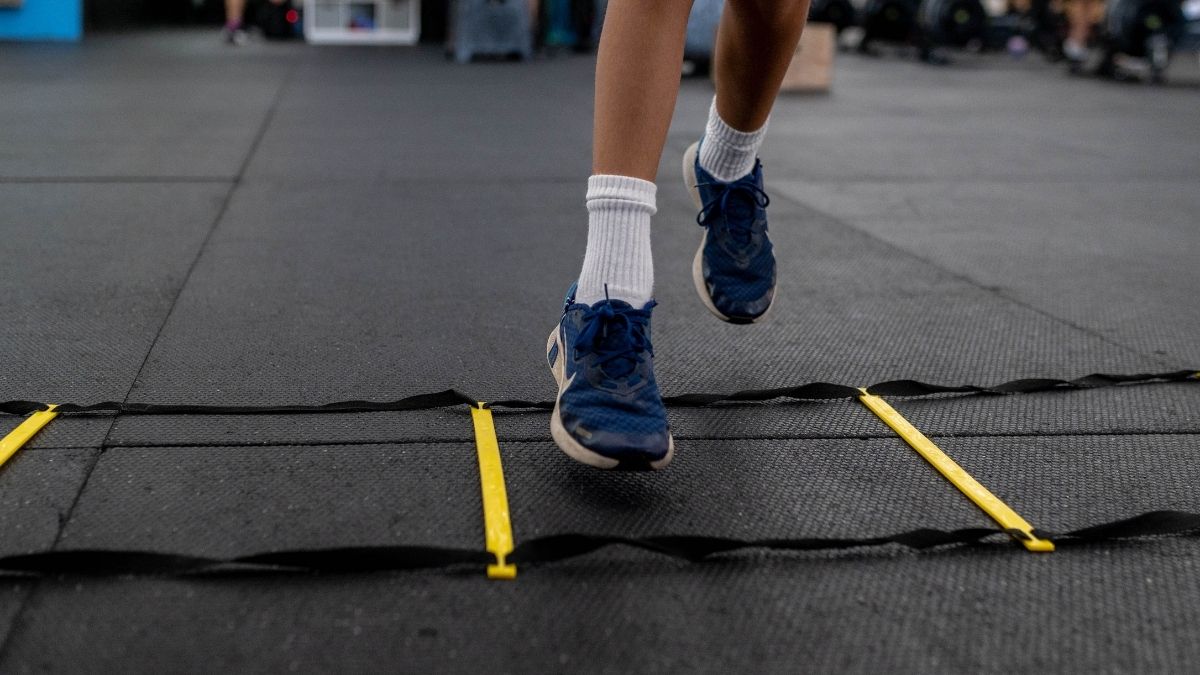
These five drills form the foundation. Master them before adding complexity.
Agility Ladder
Sequence
Speed & Cognitive
Single Foot Alternating
Step one foot in each square (Left, Right, Left, Right). Keep your eyes up, looking ahead.
Two Feet In
Land both feet in each square simultaneously. Aim for a light, springy jump.
Lateral Stepping
Face sideways. Step both feet into each square while moving laterally. Changes directionality.
In-Out Pattern
Step one foot inside the square, then one foot outside. Alternate sides as you move forward.
Cognitive Load
Perform any drill above while counting backwards from 100 by threes (100, 97, 94…).
Run through all five drills once before trying to add speed.
Point Six: How to Add the “Brain Challenge” Layer

Here’s where coordination training becomes brain training.
Dual-task training means doing two things at once. You move your feet AND challenge your brain. This matters more than speed alone. Studies show participants doing verbal fluency plus ladder drills had better improvements than people who just did the physical drills.
Start simple. Count out loud while doing your drills. “One, two, three, four.”
As this gets easier, count backwards. “Ten, nine, eight, seven.”
Then try counting by twos or threes. Name U.S. states alphabetically. Recite months backwards. List animals that start with each letter of the alphabet.
Advanced option: Have someone call out colors or numbers. You respond while moving through the ladder.
I can now count backwards by sevens while doing lateral shuffles. When I hit that milestone, I knew my neural connections were firing strong.
This is how you build cognitive flexibility. Your brain learns to handle multiple tasks.
Point Seven: The Weekly Practice Schedule That Actually Works

Consistency beats intensity every time. The research proves it.
Training Arc
Initiation
Weeks 1-2Duration: 15-20 min total.
• 10m Drills
• 5m Cool-down
Expansion
Weeks 3-6Duration: Increase to 20-25 min.
Maintenance
Week 7+Goal: Neuroplasticity retention.
Don’t skip weeks. Your brain requires consistent practice to maintain the new neural connections.
A 14-week study used 30-minute sessions twice weekly. Participants saw major improvements. You can match those results.
Track your progress in a notebook. Write the date, which drills you did, and how you felt. This helps you see improvement over weeks.
Block these sessions in your calendar like doctor’s appointments. Because they’re preventive medicine.
Point Eight: Results You Can Expect (Based on Real Data)
You’ll feel the difference before you see it in the numbers.
In the first month, your coordination improves. You feel more confident stepping over things. Your feet respond faster when you stumble.

By week 8-12, the data shows up. Fall risk reduction reaches up to 35% with regular practice. Foot speed increases up to 20% over several weeks. Research from 2025 found 40% improvement in gait stability. Balance test scores improve. Executive function scores jump 5-10%.
What does this mean for daily life? You catch yourself on uneven sidewalks. You move through crowded grocery stores easier. You hike with less fear. You trust your body again.
Long-term maintenance is simple. Keep practicing 2-3 times per week. The benefits stick as long as you practice.
My results: I haven’t fallen in two years. I go on steep hikes. I play with my grandkids without worry.
The goal isn’t perfection. It’s maintaining the connection between what your brain wants and what your body can do.
Conclusion,

Coordination ladder drills bridge the gap between your sharp mind and aging body. The science is clear—dual-task training builds lasting neuroplastic changes.
Start with 2-3 sessions weekly. Progress slowly through the five core drills. Add cognitive challenges when ready. Expect measurable improvements in 8-12 weeks.
Mark three 15-minute slots in your calendar this week. Grab tape or a $20 ladder. Start with the single-foot drill. Your future steady self will thank you.