I Trained Like a Powerlifter, Olympic Lifter, and Bodybuilder—Only ONE Method Worked After 50
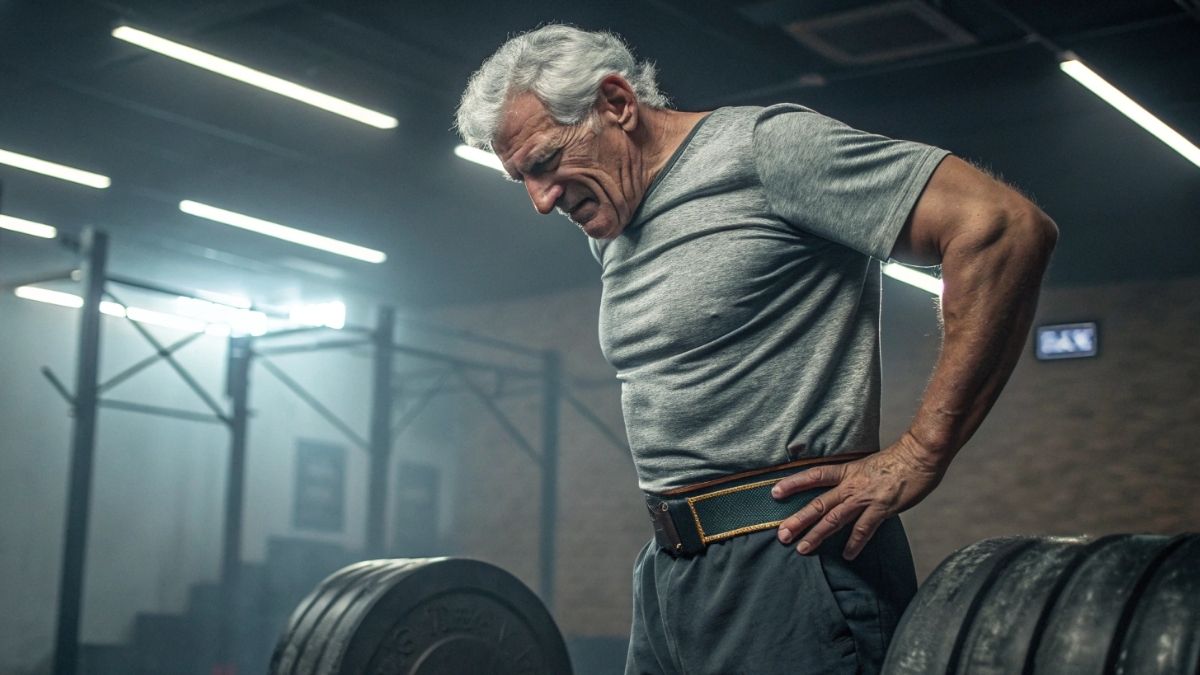
At 52, I stood in my garage gym facing a choice that would shape the next decade of my life. Should I train like a powerlifter chasing max lifts, an Olympic lifter working on explosive moves, or a bodybuilder using steady, moderate weights?
Most men asking about training after 50 face the same question. And here’s the real problem. After 50, you lose 3–8% of muscle every decade. Pick the wrong plan and you speed that loss up. You also raise your risk of injury.
In this guide, you’ll see the real injury rates for each style. You’ll learn why sarcopenia hits up to 45% of older adults and which method slows it best. You’ll find out which style wins for long-term strength and daily life.
By the end, you’ll know how to use strength training over 50 for real sarcopenia prevention and get a 12-week plan you can start today.
Why Training Method Matters More After 50 Than You Think

Here’s what nobody tells you: your muscles are disappearing. Right now.
After 40, you lose 3-8% of your muscle mass every decade. That number jumps after 65. Scientists call it sarcopenia. You’ll call it “why can’t I get up from this chair?”
About 30% of people over 70 struggle with basic tasks. Walking. Climbing stairs. Getting dressed. These aren’t just “old age” problems. They’re muscle loss problems.
Here’s the good news: strength training reverses this. It’s the only exercise proven to stop muscle loss. Research shows people who lift weights cut their fall risk by 48%.
But here’s where it gets tricky. Powerlifters report injuries during 43% of their workouts. That’s nearly half their training sessions ending badly.
The wrong training method doesn’t just waste your time. It can wreck your joints and steal your independence. Choose wrong, and you’ll spend your 60s in pain instead of living the life you want.
Method #1—I Trained Like a Powerlifter for 12 Weeks
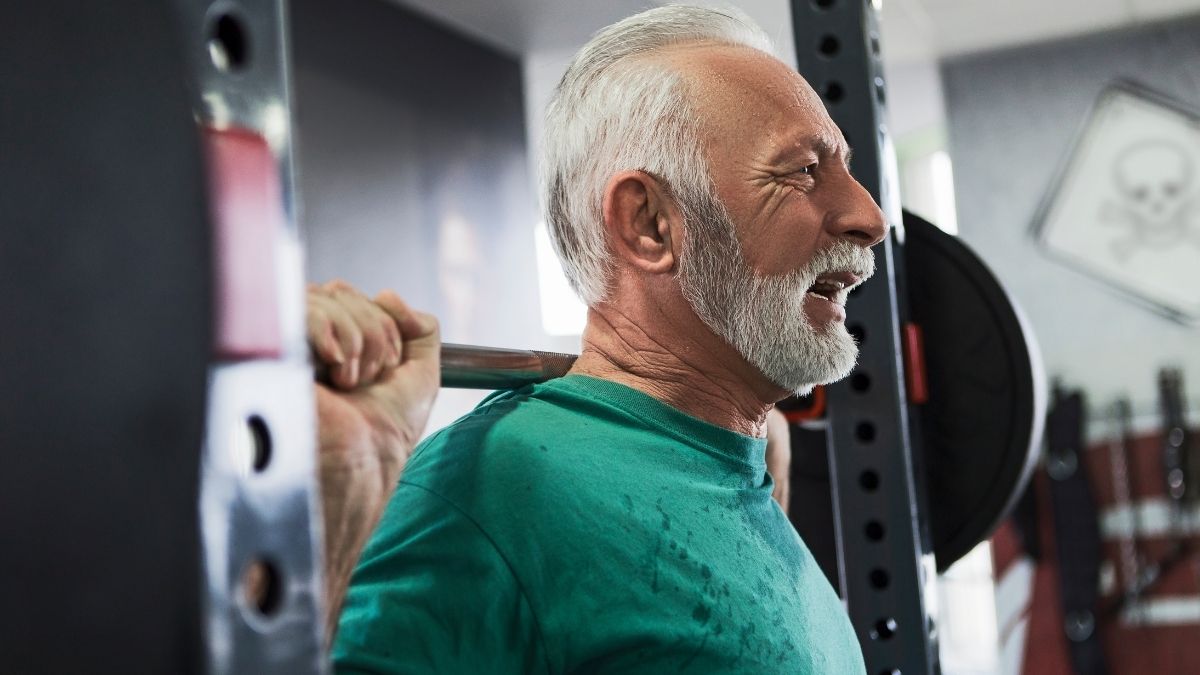
Week 1, Day 1: I loaded 225 pounds on the bar for squats. My ego said “go.” My knees said “please don’t.”
Powerlifting is simple. Three lifts. Squat, bench press, deadlift. You lift heavy weight for low reps. That’s it.
I started with 60-70% of my max weight. The plan looked good on paper. Low-bar squats on Monday. Competition-style bench press Wednesday. Conventional deadlifts Friday. Three to five reps per set. Rest four minutes between sets.
Weeks 1-4 felt manageable. I focused on form. My strength came back fast. Too fast, actually.
By week 5, I pushed to 75-80% of my max. That’s when problems started. My lower back got tight after deadlifts. My shoulders ached the day after bench press. Recovery took longer than it used to.
Here’s what the research shows: powerlifting causes 1.0-4.4 injuries per 1,000 training hours. People over 40 get hurt more often. Yes, powerlifters compete from age 8 to 87. But older lifters pay a price.
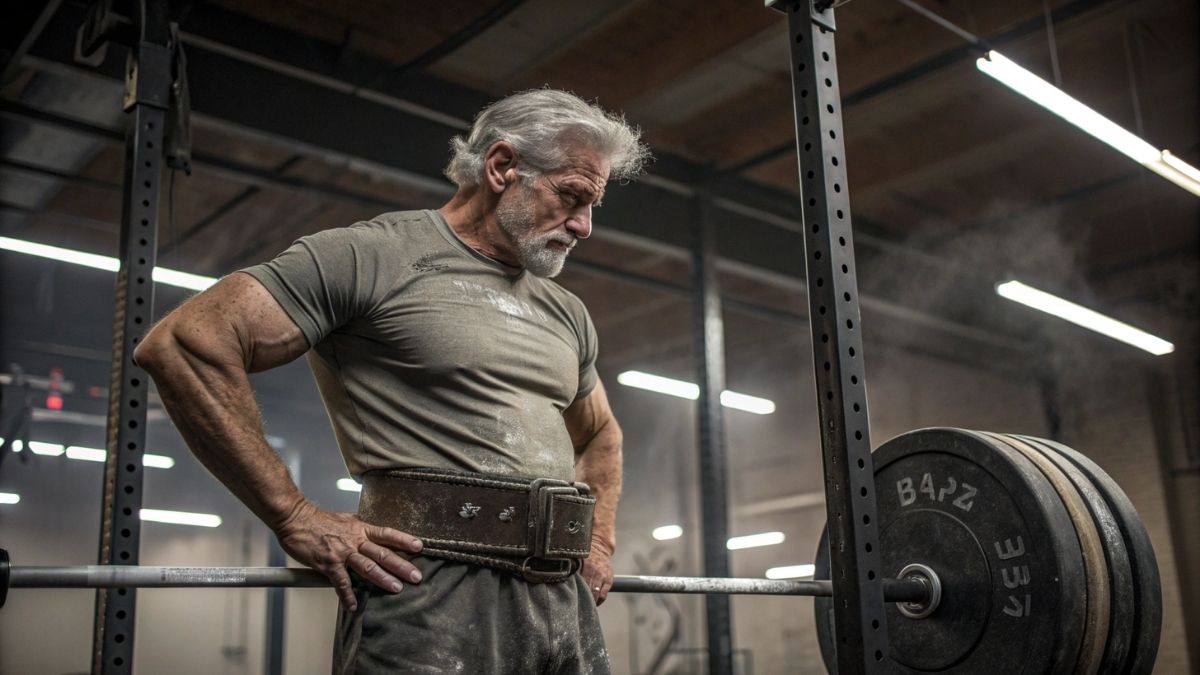
Week 10 broke me. Sharp pain in my shoulder during bench press. Dull ache in my lower back that wouldn’t quit. Heavy lifting after 50 works until it doesn’t.
The cumulative stress on your joints adds up fast when you’re lifting 75-85% of your max three times per week.
Method #2—I Trained Like an Olympic Lifter for 12 Weeks
If powerlifting was about grinding through heavy weight, Olympic lifting was about speed and precision. Two lifts: the snatch and the clean & jerk. Both require you to throw a barbell over your head in one explosive motion.
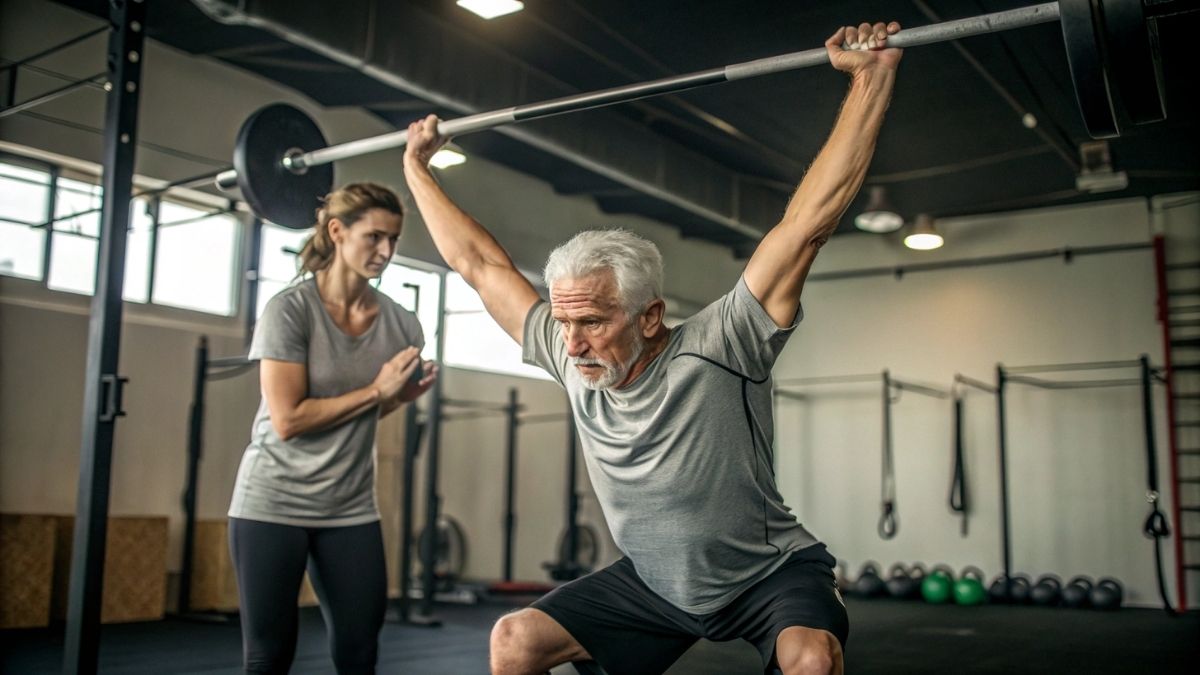
Week 1 humbled me fast. I started with a PVC pipe. Not a barbell. A plastic pipe. My coach said I needed to learn the movement pattern first. She was right.
The snatch alone has 12 different positions your body moves through in under two seconds. Your wrists need to bend back almost 90 degrees. Your shoulders need extreme mobility. Your hips need to be fast and explosive.
I spent four weeks on mobility drills and technique work. Week 5, I finally touched a barbell. An empty 45-pound bar felt awkward and heavy.
By week 8, my wrists screamed. My shoulders felt pinched during overhead positions. The explosive movements used momentum instead of muscle tension. That’s a problem when you’re trying to build strength.
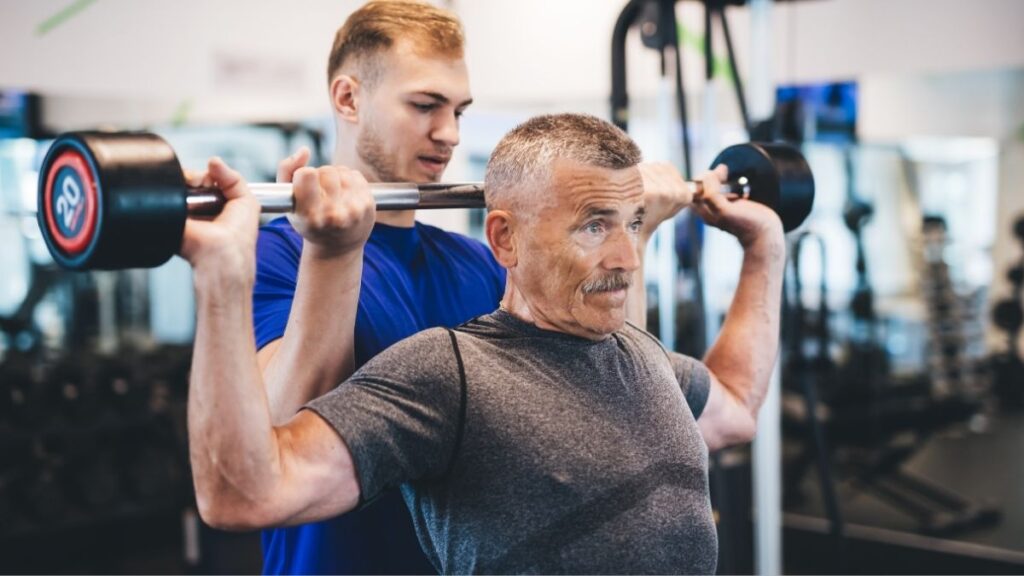
Here’s the truth about Olympic lifting after 50: it takes years to master safely. Most masters weightlifters train 3-4 days per week for 1-2 hours. Common injuries hit your shoulders, back, hips, knees, and wrists.
Week 12 ended with frustration, not progress. Technical lifts demand what aging bodies struggle to give.
Method #3—I Trained Like a Bodybuilder for 12 Weeks (The Winner)
Week 1 of bodybuilding felt almost too easy. Moderate weights. Controlled reps. Manageable soreness. Where was the suffering?
Turns out, suffering isn’t the goal. Results are.
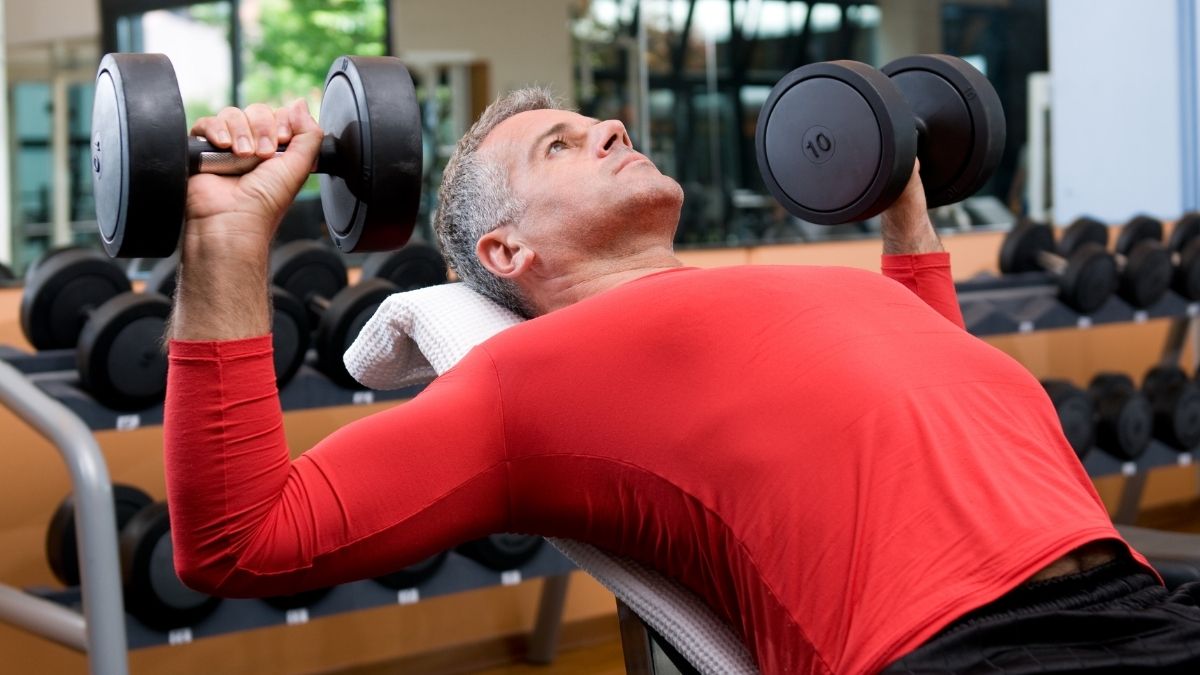
Bodybuilding after 50 uses lighter weight than powerlifting but more reps. I worked at 60-75% of my max. Sets of 8-15 reps. Three to four sets per exercise. Rest periods of 60-90 seconds.
My first month looked like this: Dumbbell bench press, 3 sets of 10-12 reps. Goblet squats, 3 sets of 10-12. Romanian deadlifts, 3 sets of 12. Cable rows, 3 sets of 12-15. Dumbbell shoulder press, 3 sets of 10-12.
I trained four days per week. Monday, Tuesday, Thursday, Friday. Each session took 45-60 minutes. No joint pain. No grinding through heavy singles. Just consistent work that made my muscles burn.
Week 5 changed the game. I bumped up to 4 sets per exercise. Added 5 pounds when I hit the top of my rep range. Progress felt steady and safe.
By week 12, something clicked. My working weights increased 20-30% across all lifts. My shirts fit tighter. Most important? I felt better than the previous 24 weeks combined.
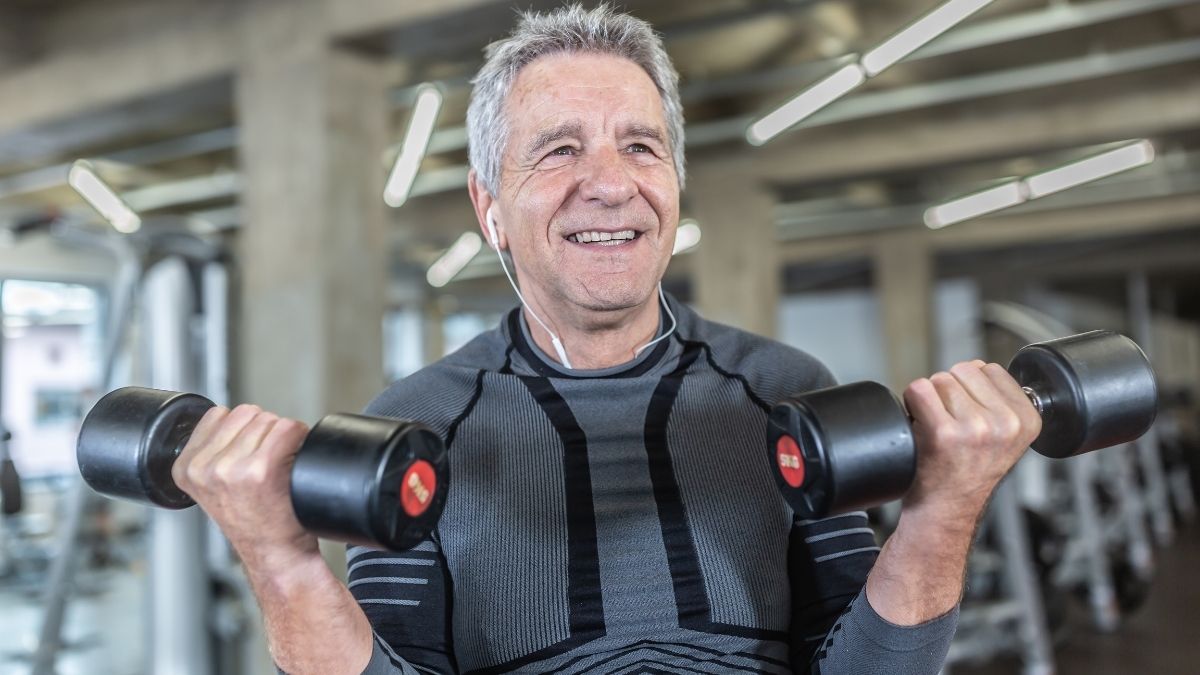
Here’s why bodybuilding won: injury rates of just 0.24-1 per 1,000 training hours. That’s the lowest of any strength sport. Research shows you can gain 1-2% muscle mass per month with this approach.
Moderate weight training works because it builds muscle without destroying your joints.
The Science: Why Bodybuilding-Style Training Won
The numbers don’t lie. Bodybuilding-style training wins on every metric that matters after 50.
First, injury prevention. Lower loads mean less stress on your joints and connective tissue. Your tendons and ligaments age just like your muscles. Heavy weights damage them faster than they can repair.
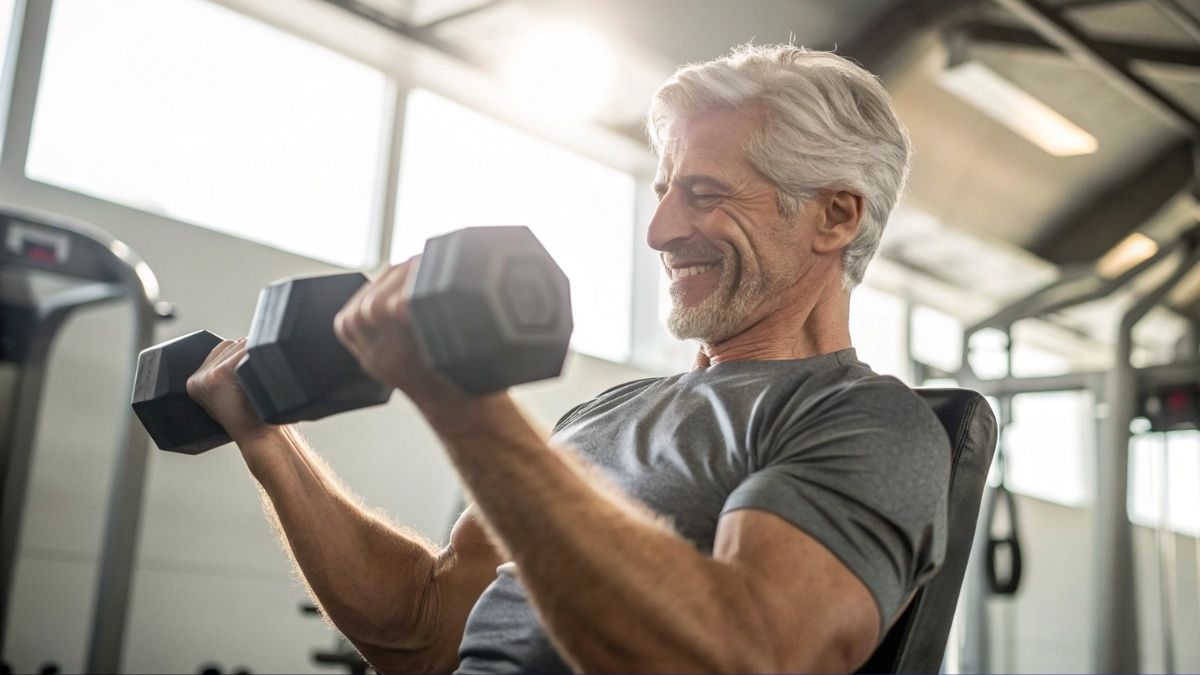
Second, it reverses sarcopenia better than any other method. Progressive resistance training is the most effective way to improve physical function in older adults. Studies show you can gain 30-40% more strength in just 12 weeks.
Third, recovery. Older adults need more time between hard sessions. Moderate weight training lets you train more often without breaking down. You can hit the gym four days per week and still recover.
Fourth, metabolic benefits. Resistance training cuts body fat, reduces metabolic risk, and lowers inflammation. These benefits compound over years.
Here’s the kicker: even light weights work. Blood-flow restricted training at just 20-30% of your max prevents muscle loss effectively. You don’t need to lift heavy to build muscle after 50.
The best training method is the one you can do consistently for years. Bodybuilding-style training checks that box. Safe training methods beat aggressive ones every time when longevity is the goal.
The Optimal Training Protocol for People Over 50
Here’s the exact program that worked. Copy it. Start Monday.
You need at least 12 weeks to see real results. Two training sessions per week minimum. Three to four is better if you recover well.
Day 1 (Monday) – Upper Body
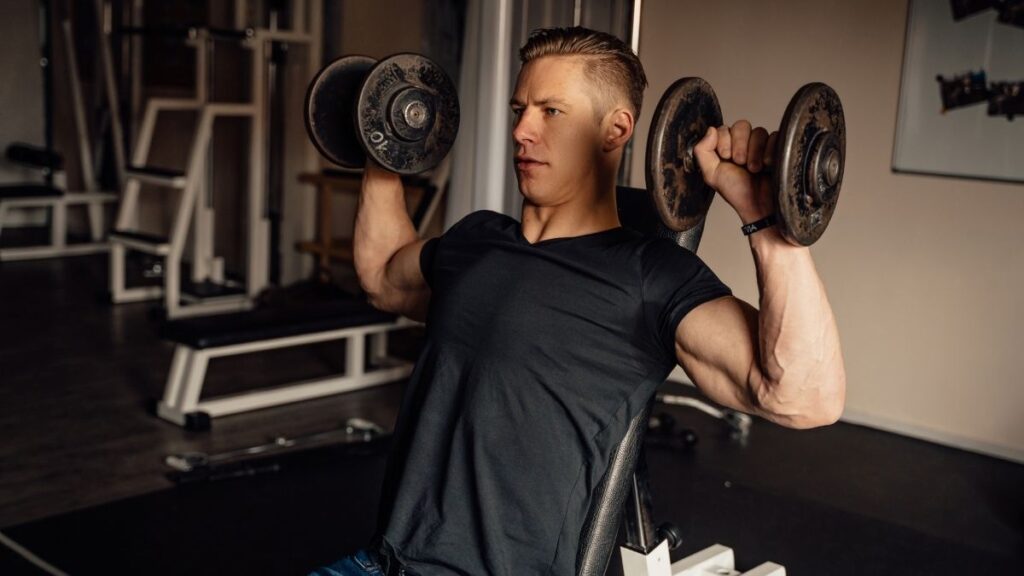
Incline dumbbell press: 3 sets of 10-12 reps. Cable rows: 3 sets of 12-15 reps. Dumbbell shoulder press: 3 sets of 10-12 reps. Bicep curls: 2 sets of 12-15 reps. Tricep extensions: 2 sets of 12-15 reps.
Rest 90 seconds between sets. Total time: 45 minutes.
Day 2 (Thursday or Friday) – Lower Body

Goblet squats: 3 sets of 10-12 reps. Romanian deadlifts: 3 sets of 10-12 reps. Leg press: 3 sets of 12-15 reps. Walking lunges: 2 sets of 10 reps each leg. Calf raises: 3 sets of 15-20 reps.
Rest 2 minutes between lower body exercises. Total time: 50 minutes.
How to Progress
Weeks 1-4: Master form. Use weights that feel like a 6-7 out of 10 difficulty. Stop each set when form breaks down.
Weeks 5-8: Push reps to the top of the range. If the program says 10-12 reps, aim for 12. Keep the same weight.
Weeks 9-12: Add 5-10% more weight. Drop back to the lower rep range. A 30-pound dumbbell becomes 35 pounds.
Week 13: Deload. Cut your volume in half. This lets your body recover and adapt. Then start the cycle again with your new weights.
This training program over 50 works because it builds strength without breaking you down. Progressive overload happens slowly and safely.
Common Mistakes That Sabotage Results After 50
I watched a 54-year-old man load 315 pounds on the deadlift bar. “I used to pull 405 in my 30s,” he said. Three reps later, his back went out. He spent six months in physical therapy.
That’s mistake number one: ego lifting. Your younger self could handle weights your current self can’t. Chasing those numbers leads straight to injury. Start lighter than you think you need. Your joints will thank you.
Mistake number two: training too often. I see guys hit the gym six days a week thinking more equals better results. Wrong. After 50, your recovery capacity drops. Your muscles need 48-72 hours between hard sessions. Train four days maximum. Three is often better.
Mistake number three: skipping warm-ups. You roll out of bed, drive to the gym, and start lifting. Bad idea. Cold muscles and stiff joints get injured easily. Spend 10-15 minutes on dynamic warm-ups. Arm circles. Leg swings. Bodyweight squats. Light cardio. This prevents most training injuries before they happen.
Mistake number four: ignoring mobility work. Your hips are tight. Your shoulders don’t move like they used to. Arthritis makes some movements painful. But you try to squat like a 25-year-old anyway. Modify exercises to fit your body. Use a higher box for step-ups. Try goblet squats instead of back squats. Do incline press instead of flat bench.
Mistake number five: not tracking anything. You show up and lift whatever feels right that day. Three months later, you wonder why nothing changed. Write down your weights and reps. Take progress photos monthly. Track how you feel during workouts. What gets measured gets improved.
Here’s a simple tracking method: Use your phone’s notes app. Write the date, exercises, weight, and reps. Takes 30 seconds. Review it weekly to see if you’re actually progressing.
These training mistakes after 50 are easy to fix. Warm up properly. Lift weights that match your current abilities. Train three to four days per week. Track your progress. Modify exercises for your mobility. Do these things right, and injury prevention becomes automatic.
Nutrition and Supplementation for Muscle Building After 50
Building muscle gets harder after 50 because your body doesn’t respond to protein the way it used to. This means you need more of it. If you’re not eating enough protein, you’ll struggle to recover, and each workout will feel harder than it should.
Aim for 0.8–1.0 grams of protein per pound of body weight. Spread this across the day instead of eating one big meal. Your muscles can only use so much at once, and steady intake keeps you growing.

Vitamin D matters too. Low levels can weaken muscles and throw off your balance. Many adults over 50 are low without knowing it. Get your levels checked and supplement if needed.
Creatine is one of the safest supplements for muscle building in older adults. A simple 5-gram daily dose can help you maintain strength and train harder. It’s cheap, well-studied, and easy to take.
Hydration is another piece people forget. When you’re even a little dehydrated, recovery drops and cramps show up. A good rule is to drink half your body weight in ounces each day.
When you get these basics right—protein, vitamin D, creatine, water—you give your body what it needs to build muscle and stay strong. This is nutrition for seniors that actually works.
At the Last,
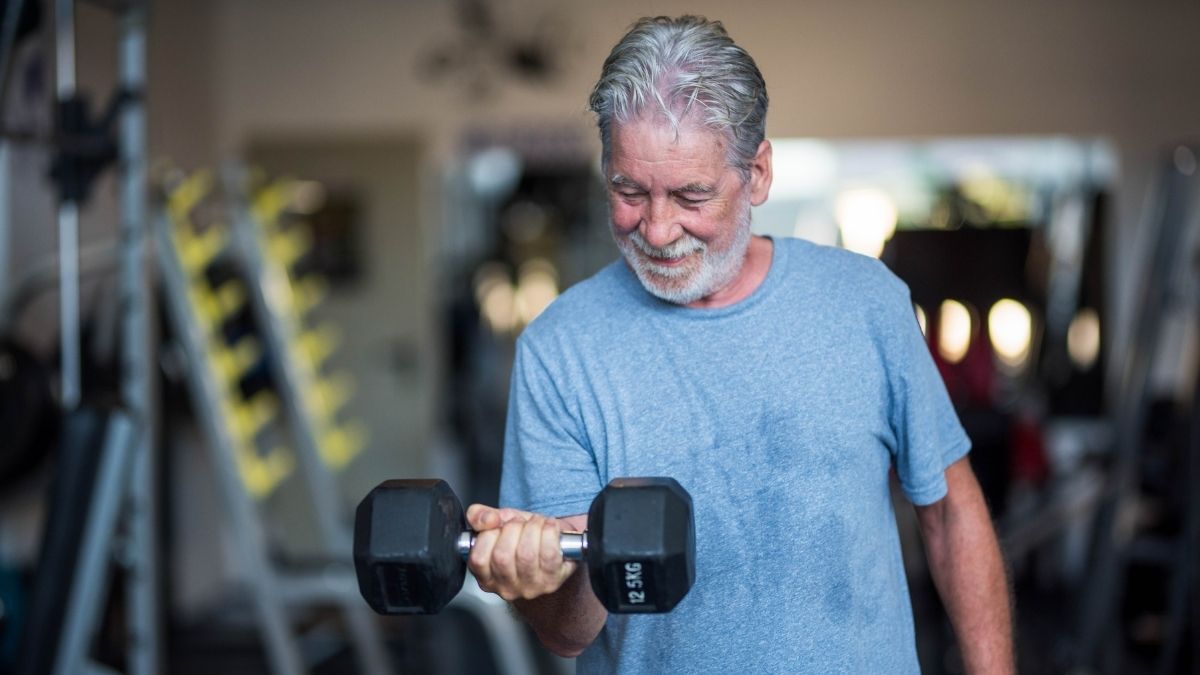
Bodybuilding-style training came out on top because it’s safer, easier to stick with, and strong at fighting muscle loss after 50. The moderate weights protect your joints while still helping you build strength. This matters when you want to stay active without constant pain.
Start the 12-week plan. Train two times a week. Focus on form before weight, and track your progress so you can see real change. The best training after 50 is simple: stay consistent and train smart.