Harvard Study Finds The Exact Walking Time That Extends Life Span By 10 Years
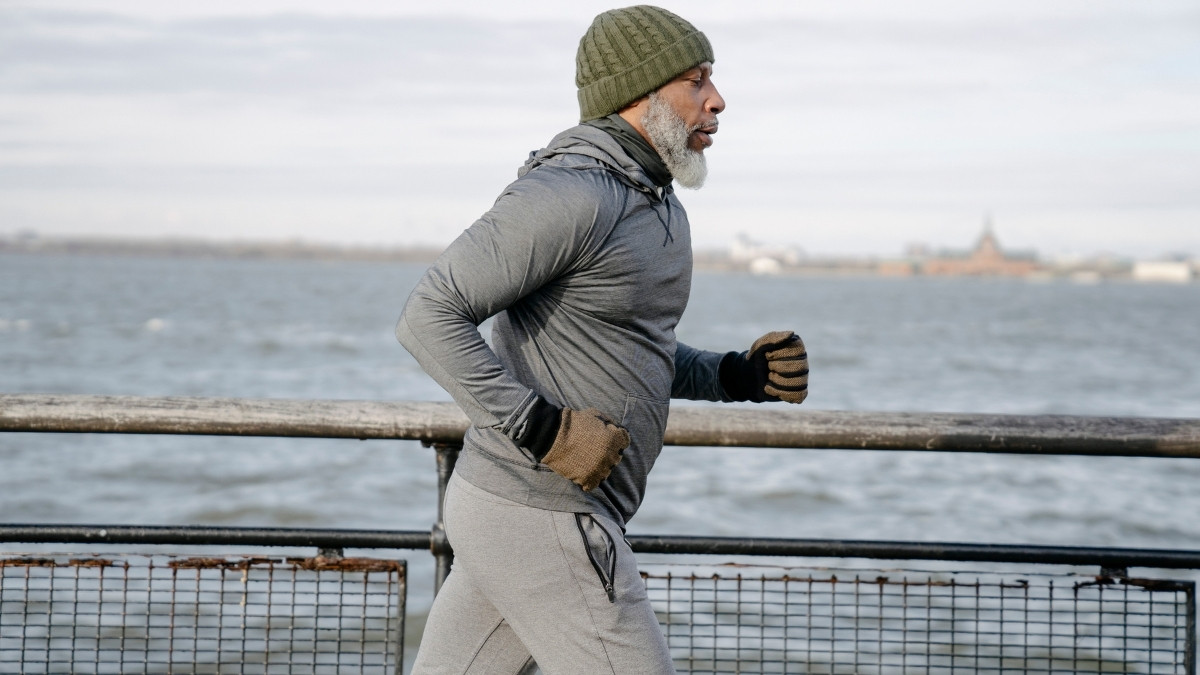
You do not need a gym. You do not need a trainer. You do not need expensive equipment.
The most powerful tool for living longer fits inside a pair of shoes — and it costs nothing.
Most people are confused about exercise. They hear “10,000 steps” one day and “150 minutes per week” the next. They try, feel overwhelmed, and quit.
But a Harvard-backed study changed the conversation completely. Researchers found the exact walking time that links to up to 10.9 extra years of life. Not a range. Not a guess. A specific number backed by real data from real people.
This article breaks down what the science actually says, how long you need to walk, how fast, and how to start this week — in plain words anyone can follow.
Point One: What The Harvard Study Actually Found And Why You Should Care

In 2024, researchers published a life-table analysis in the British Journal of Sports Medicine. They studied adults over 40 using real accelerometer data — not self-reported guesses — from the National Health and Nutrition Examination Survey.
The finding was clear. If the least active Americans increased their activity to match the top 25% most active people, they could gain up to 10.9 extra years of life. Even the average person in the study could gain 5.3 additional years just by moving more.
That top 25% level equals roughly 160 minutes of moderate walking per day. That is about 3 miles per hour — a steady, comfortable pace.
Harvard T.H. Chan School of Public Health Professor I-Min Lee also co-authored a related study in the Annals of Internal Medicine (October 2025), tracking 33,560 middle-aged adults. It confirmed one simple truth: the more you walk consistently, the lower your risk of early death.
3 Quick Tips:
- Start tracking your steps today using a free app like Apple Health or Google Fit
- Do not compare yourself to others — compare yourself to last week’s you
- Even adding 1,000 steps per day to your current routine creates measurable benefit over time
Point Two: Duration Beats Distance — Why Each Walk Must Last At Least 10 Minutes

Here is what most walking articles miss completely. It is not just how many steps you take. It is how long each single walk lasts without stopping.
The Annals of Internal Medicine study (October 2025) showed this clearly. People who walked in uninterrupted sessions of 10 to 15 minutes had a cardiovascular disease risk of just 4.39% over 9.5 years. People who walked in tiny bursts under 5 minutes had a CVD risk of 13.03%. That is three times higher — from the same total number of steps.
A separate study in the Journal of Sports Sciences (December 2025) followed 2,764 US adults over 13 years. It confirmed that walks of 10 or more consecutive minutes — requiring at least 600 steps in one go — reduced all-cause mortality beyond what step totals alone could explain.
Six short walks do not equal one 30-minute walk. The body needs sustained movement to trigger the protective benefits.
The science gives you a clear minimum: 10 to 15 uninterrupted minutes per session. Not 10,000 steps scattered across the day. A real, continuous walk.
3 Quick Tips:
- Set a timer for 10 minutes before you start walking — do not stop until it ends
- Walk around a single block repeatedly if needed — continuity matters more than route
- Avoid checking your phone mid-walk; interruptions break your stride and focus
Point Three: Walking Faster Adds Extra Years — The 15-Minute Brisk Walk Rule

Speed matters. Not because you need to run — but because a faster pace gives your body a different kind of benefit that a slow stroll simply cannot match.
Harvard Health covered a major study from the American Journal of Preventive Medicine (October 2025). It analyzed nearly 85,000 adults aged 40 to 79 over 17 years. People who walked briskly for just 15 minutes per day were nearly 20% less likely to have died than those who walked slowly for longer periods.
A separate study of 400,000 people found that faster walkers age more slowly at the cellular level. Their epigenetic clocks — the biological measure of how fast your DNA ages — ran slower than those of people who walked at a casual pace.
Brisk is defined as above 4 miles per hour. But you do not need a speedometer to test it. Here is the simple rule: if you can talk while walking but could not comfortably sing a song — you are at the right pace. That is all it takes.
3 Quick Tips:
- Walk like you are five minutes late for an appointment — that is close to the right pace
- Swing your arms naturally; it increases speed without extra effort
- Walk uphill when possible — even a slight incline boosts intensity without running
Point Four: The Step Count Baseline — Good News For People Just Starting Out

If 10,000 steps sounds impossible right now, this section will make you feel much better.
A British Journal of Sports Medicine analysis (March 2024) tracked over 70,000 adults aged 53 to 69 using real accelerometer data for seven days, then followed their health outcomes for seven years. Walking just 9,000 to 10,500 steps daily cut the risk of early death by 39% and reduced heart attack or stroke risk by 21%.
But here is the more important number for beginners: any amount above 2,200 steps per day lowered the odds of early death and heart disease. That is roughly 20 minutes of walking. It works regardless of how many hours you spend sitting during the rest of the day.
A 2025 global review of 57 studies also confirmed that 7,000 steps may be just as effective as 10,000 for reducing early death risk. And a Harvard study of 14,000 women in JAMA Internal Medicine (May 2024) found the most active women cut their cardiovascular risk by 30% or more — whether they tracked steps or minutes.
You do not need 10,000 on day one. Start above 2,200 and build from there.
3 Quick Tips:
- Walk to a nearby shop or café instead of driving — that alone often clears 2,000+ steps
- Use a step counter for one week without changing anything, just to see your real baseline
- Aim to add 500 steps per week rather than trying to double your count overnight
Point Five: What Blue Zone Communities Teach Us About Walking For Life

The world’s longest-lived people did not follow a walking plan. They just walked — every single day, as part of normal life.
The five Blue Zone regions — Sardinia in Italy, Okinawa in Japan, Nicoya in Costa Rica, Ikaria in Greece, and Loma Linda in California — share one consistent habit. Their residents walk to do errands, visit neighbors, tend gardens, and move through hilly terrain.
No fitness trackers. No structured workout sessions. Just consistent daily movement built into their environment.
A 2023 paper in the journal Geroscience titled “The Multifaceted Benefits of Walking for Healthy Aging: From Blue Zones to Molecular Mechanisms” studied exactly why these populations outlive others. The answer kept coming back to low-intensity, continuous daily walking as the baseline activity of life — not a bonus.
Former CDC Director Dr. Thomas Frieden described walking as “the closest thing we have to a wonder drug.” The Blue Zone communities did not know the science. They just lived it.
The lesson is simple: make walking your default. Not your workout.
3 Quick Tips:
- Replace one car trip per day with a walk, even if it takes longer
- Walk to talk — catch up with a friend or family member on foot instead of sitting
- Choose stairs over elevators as a daily non-negotiable habit
Point Six: What Walking Actually Does Inside Your Body
Walking is not just burning calories. It triggers a chain of biological repairs that protect you from the inside out.
Harvard Health research found that walking one hour per day may cut the effect of obesity-related genes in half. That means your genetics matter less when you walk consistently. Walking also lowers systemic inflammation — which is a root cause of heart disease, cancer, and dementia.
The 400,000-person study mentioned earlier found that brisk walking slows the biological aging of your DNA. Your epigenetic clock ages more slowly when you walk fast regularly. This is not a theory. It showed up in measurable data across hundreds of thousands of people.
Walking 20 minutes per day, five days per week, was linked to 43% fewer sick days in one immunity study. For women, walking seven or more hours per week was linked to a 14% lower risk of breast cancer. Walking five to six miles per week also reduces the risk of developing arthritis in the knees and hips.
Every step is a repair signal. Your body already knows what to do with it.
3 Quick Tips:
- Walk outside when possible — natural light adds vitamin D and mental health benefits
- Walk after meals; even a 10-minute post-meal walk improves blood sugar control
- Consistency beats intensity — a 20-minute daily walk beats a 2-hour walk once a week
Point Seven: Your Exact 2026 Walking Plan — Start This Week
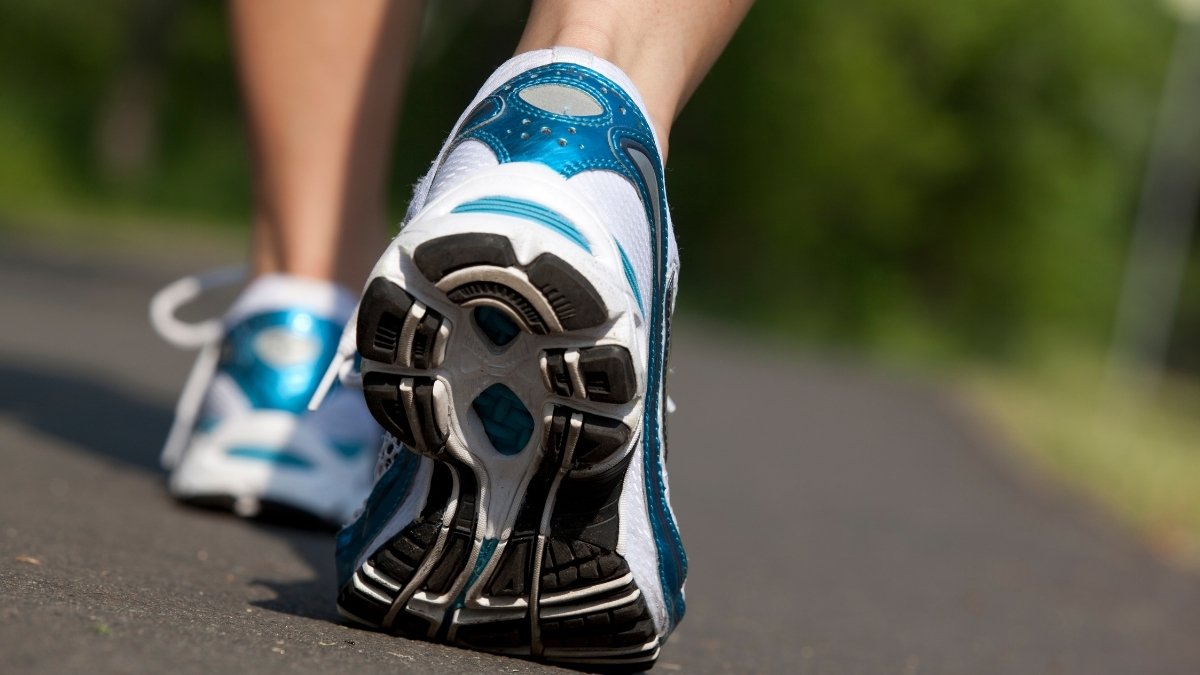
Here is exactly how to put everything you just read into action, starting today.
Week 1 to 2: Take two to three 10-minute continuous walks per day. Do not stop mid-walk. This clears the 2,200-step minimum and builds the habit of real, unbroken movement.
Week 3 to 4: Extend at least one daily walk to 15 minutes at a brisk pace. Use the talk-but-not-sing test to check your speed. This activates the cardiovascular protection from the 2025 study.
Month 2 onward: Work toward one 30-minute continuous brisk walk per day. This matches the activity targets used in most major longevity studies and gets you into the 7,000 to 10,000 steps range.
Long-term goal: Build toward 160 minutes of moderate walking per day — the level associated with up to 10.9 additional years of life. This is a 6 to 12 month target, not a week-one demand.
Use Apple Health, Google Fit, or Samsung Health — all free — to track your progress. The difference between a shorter life and a decade more is not a gym membership. It is a consistent daily decision.
3 Quick Tips:
- Put your walking shoes next to your bed the night before — remove the friction
- Replace one sitting meeting per week with a walking conversation
- Track your streak, not just your steps — consistency is the real goal
Point Eight: The Walking Mistakes That Quietly Cancel Your Results
Most people who try to walk more do not fail because walking is hard. They fail because of a few small errors that cut the benefits completely.
5 Mistakes
Splitting walks into tiny pieces
Six 5-minute walks do not replace one 30-minute walk. The CVD risk from under-5-minute bouts is 13%. From 15-minute bouts, it drops to 4.39%. That gap is enormous.
Walking too slowly
A slow pace produces fewer cellular and cardiovascular benefits. You should feel slightly out of breath — not gasping, just working.
Stopping at your step goal
The benefits keep growing past 7,000 steps. Hitting 10,000 and sitting for the rest of the day is not the full picture.
Skipping weekends
The Harvard JAMA Internal Medicine study (2024) found that average daily steps across all 7 days — not just weekdays — most strongly predicted longevity outcomes. Consistency across every day matters.
Ignoring your posture
Dr. Andrew Freeman, Director of Cardiovascular Prevention and Wellness at National Jewish Health, notes that shoulders back, tall posture, and swinging arms makes longer walks sustainable and prevents injury.
Walking is simple. But doing it right is what actually earns you the extra years.
3 Quick Tips:
- Set a daily reminder at the same time every day — routine beats motivation every time
- Check your posture every few minutes — tall spine, relaxed shoulders, eyes forward
- If you miss a day, do not double up the next — just restart your normal routine
Final Words,

The science is clear. Walk for 10 to 15 uninterrupted minutes, at a brisk pace, every single day of the week. Start at 2,200 steps if that is all you can manage right now. Build from there.
Up to 10.9 extra years of life is the reward. Your first 15-minute walk starts today.