Scientists Discover The Exact Foods That Stop Aging And Extend Your Lifespan

What if eating the right foods today could add a decade to your life? That is not a marketing claim. It is a published finding from Harvard University.
Most people are confused about food. One week, a superfood is trending. The next week, it is off the list. You have tried things that did not work. You have lost trust in health advice. That is fair.
This article is different. Every food listed here is backed by a named study or a real research institution. No guessing. No hype.
You will learn exactly which foods slow your biological aging, protect your DNA, reduce inflammation, and help you live longer. And at the end, you will get a simple daily meal plan you can start today.
This article is structured into 8 points—read them one by one to explore the foods scientists link to slowing aging and supporting a longer, healthier lifespan.
Point One — Why Your Biological Age Is Not the Same as Your Birthday Age

Your birthday tells you how many years you have lived. Your biological age tells you how fast your cells are actually aging. These two numbers are not always the same. And food is one of the biggest factors that controls which direction your biological age goes.
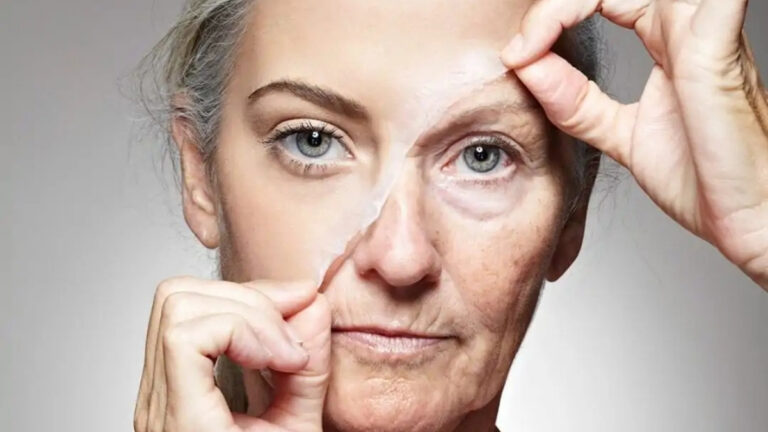
Your body ages through four main processes. Inflammation. Oxidative stress. Telomere shortening. And cellular senescence — where old cells stop working but refuse to die. These zombie cells pump out harmful signals that damage healthy cells around them.
A 2024 study from Harvard’s T.H. Chan School of Public Health, published in the Journal of Internal Medicine, found that combining a healthy diet with basic lifestyle habits can extend disease-free life expectancy by 8 to 10 years.
Research modeling more than 5.75 million people found that high intake of ultra-processed foods, processed meats, and sugary drinks was directly linked to dying earlier from all causes.
The good news: switching to a whole-food, plant-rich diet for 20 years has been modeled to add more than a decade to your life. The foods below are where you start.
Point Two — Blueberries and Berries: The DNA Repair Food You Can Eat By the Handful
Blueberries are not just a healthy snack. They are one of the most studied anti-aging foods on the planet.
They contain anthocyanins — natural compounds that reduce inflammation and repair oxidative damage at the cellular level. Studies show blueberries can reduce DNA damage by 18% within just one hour of eating them. That is not a slow, long-term change. That is fast.
Research from the Ageing Mind Initiative found that women who regularly ate flavonoid-rich berries like blueberries and strawberries delayed memory decline by about 2.5 years compared to those who rarely ate them.
The MIND diet, developed at Rush University and studied at Harvard, specifically rates berries as one of its top foods for protecting the aging brain.
A 2024 study also found that berries are part of a protective food cluster linked to longevity markers in human blood.
One cup of mixed berries per day is enough. Frozen works just as well as fresh. This is one of the easiest and cheapest anti-aging foods you can eat.
Point Three — Extra Virgin Olive Oil: Half a Tablespoon a Day Changes Your Mortality Risk
You may have been told fat is bad. That advice was wrong — especially when it comes to extra virgin olive oil.
Research shows that just half a tablespoon of extra virgin olive oil per day is linked to a 19% lower risk of dying from any cause. That is one of the strongest dietary longevity findings in nutrition science.
Extra virgin olive oil contains two key compounds: oleocanthal and hydroxytyrosol. Both reduce inflammation in a way that works similarly to low-dose ibuprofen — but without side effects.
According to Dr. Martínez González, a Harvard-affiliated researcher who led the PREDIMED trial, these compounds protect LDL cholesterol from oxidation, improve insulin sensitivity, and reduce the risk of diabetes and high blood pressure as you age.
Olive oil also influences how your genes behave as you age.
Use it cold on salads. It is also safe for cooking up to 375–400°F. Replace butter and refined oils with EVOO completely. The swap takes 10 seconds and starts working from day one.
Point Four — Leafy Greens: One Daily Serving Keeps Your Brain 11 Years Younger
One serving of leafy greens per day can make your brain function the equivalent of 11 years younger. That finding came from a study linked to the National Institute on Aging. It is one of the most striking statistics in nutrition research.
Spinach, kale, Swiss chard, collards, and arugula are the top options. They contain vitamins A, C, and K, lutein, folate, and natural nitrates. These compounds improve blood flow to the brain, reduce neuroinflammation, and protect against cognitive decline.
The MIND diet — built specifically to slow brain aging — ranks leafy greens as its highest-rated food category. It recommends six or more servings per week.
Leafy greens also work alongside extra virgin olive oil. The nitrates in greens amplify EVOO’s cardiovascular benefits. This is one reason Blue Zone populations, who naturally combine these foods, live significantly longer.
Add a handful of spinach to a morning smoothie. Use kale as a salad base. One serving at lunch or dinner is all it takes.
Point Five — Fatty Fish and Omega-3s: The Nutrient That Literally Slows Cell Aging
Think of your chromosomes as shoelaces. At each end, there is a protective cap called a telomere. Every time your cells divide, those caps get a little shorter. When they run out, the cell dies. That is aging at the cellular level.
Omega-3 fatty acids from fatty fish have been shown in multiple cohort studies to slow telomere shortening — meaning they literally slow how fast your cells age.
Salmon, sardines, mackerel, and herring are the best sources. Two to three servings per week is the recommended amount. Omega-3s also reduce triglycerides by up to 30%, which is one of the most important cardiovascular aging markers.
The American Heart Association confirms that DHA and EPA from seafood directly protect the heart — the number-one cause of death in adults over 50.
Do not eat fish? Algae-based DHA and EPA supplements give you the same omega-3s. Fish get their omega-3s from algae anyway.
Canned sardines are cheap, require zero cooking, and cover your weekly needs easily.
Point Six — Nuts, Seeds, and Legumes: The Daily Handful That Cuts Heart Death Risk by 25%
Eating just one handful of nuts per day is linked to a 25% lower risk of dying from cardiovascular disease. That is a large benefit for a small, easy habit.
Walnuts are especially powerful. They contain ALA, a plant-based omega-3, and ellagitannins. Your gut converts these into a compound called urolithin A, which cleans out damaged mitochondria — the tiny energy engines inside your cells. A 2025 study found urolithin A supports cardiac function and is now considered one of the most promising nutritional targets in aging research.
Legumes tell an equally strong story. Every single Blue Zone region in the world — Sardinia, Okinawa, Nicoya, Ikaria, and Loma Linda — has legumes at the center of daily eating. Lentils, chickpeas, black beans, and tofu appear across every culture that lives the longest.
One ounce of mixed nuts daily. Add lentils to soup twice a week. Toss chickpeas into salads. Keep a small jar of nuts visible on your counter — research shows visible healthy foods get eaten more often.
Point Seven — Fermented Foods and Gut Health: The Aging Link Nobody Talks About
Your gut microbiome is now considered one of the most important factors in how fast you age. When it is disrupted, chronic inflammation increases. And chronic inflammation drives nearly every age-related disease — from heart disease to Alzheimer’s.
Fermented foods feed and rebuild the healthy bacteria in your gut. Yogurt, kefir, sauerkraut, and kimchi are the most accessible options. Research confirms their direct link to gut health, and the connection between gut health and longevity is growing stronger every year.
A 2024 study published in Pharmacological Research found that the anthocyanins from berries — covered in Point Two — improve aging outcomes specifically by interacting with gut bacteria. Your gut is the delivery system for the benefits of every food on this list.
Polyphenols from olive oil, berries, and fermented plant foods also act as prebiotics — they feed your beneficial gut bacteria.
Start with one serving per day. Greek yogurt at breakfast, or one tablespoon of kimchi at lunch. Start small if fermented foods feel unfamiliar, then increase gradually.
Point Eight — Your Daily Anti-Aging Meal Plan: How to Use All of This Starting Today
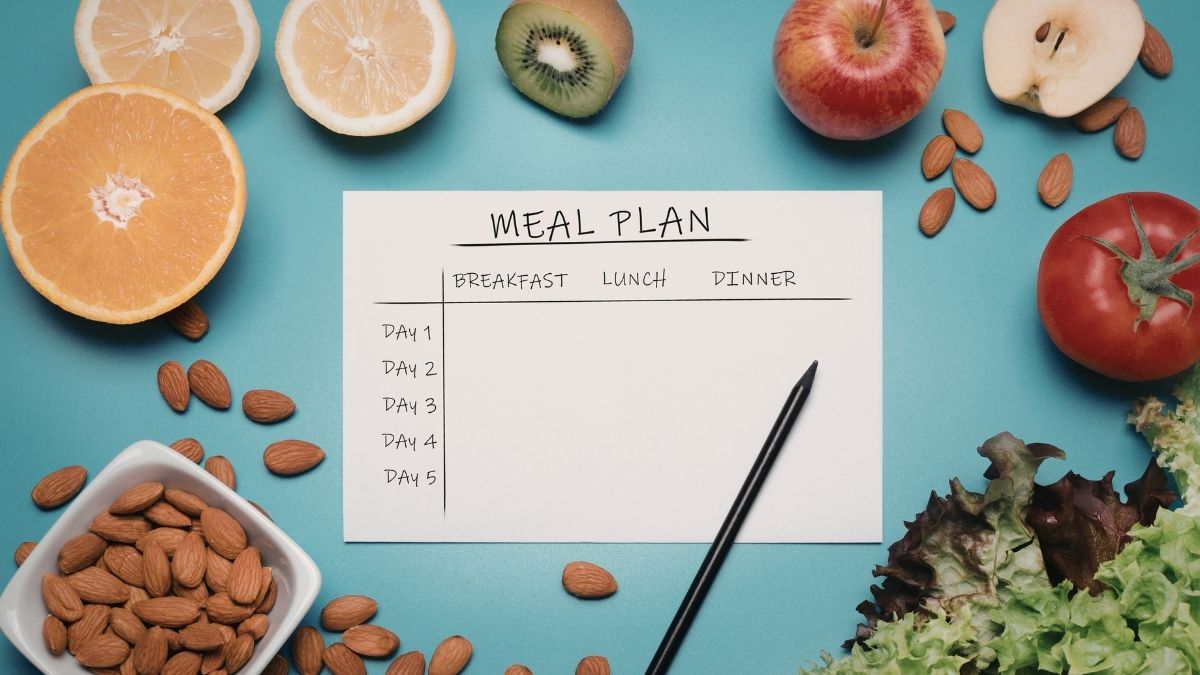
You now have seven food categories backed by science. Here is what one full day looks like when you put them together.
Breakfast: Greek yogurt with one cup of mixed berries and a tablespoon of crushed walnuts. Black coffee or green tea.
Lunch: A large salad with leafy greens, chickpeas, half an avocado, and a dressing of extra virgin olive oil with lemon. One slice of whole-grain bread.
Snack: One ounce of almonds and one or two squares of 70%+ dark chocolate.
Dinner: Baked salmon with roasted broccoli drizzled in EVOO and garlic. A side of lentils or brown rice.
This is not expensive. Sardines, frozen berries, lentils, and walnuts are some of the cheapest groceries you can buy.
One more thing: cut ultra-processed foods first. A meta-analysis of over 5.75 million people confirmed they directly increase all-cause mortality. Removing them creates space for everything above.
You do not need to change everything at once. Add one new food each week. In two months, your plate will look exactly like the research recommends.
Final Words,

The science is clear. Berries, olive oil, leafy greens, fatty fish, nuts, legumes, and fermented foods are the most evidence-backed foods for slowing aging and living longer.
You do not need a special diet. You need consistent, simple choices.
Start with one food today. That is how real change begins.