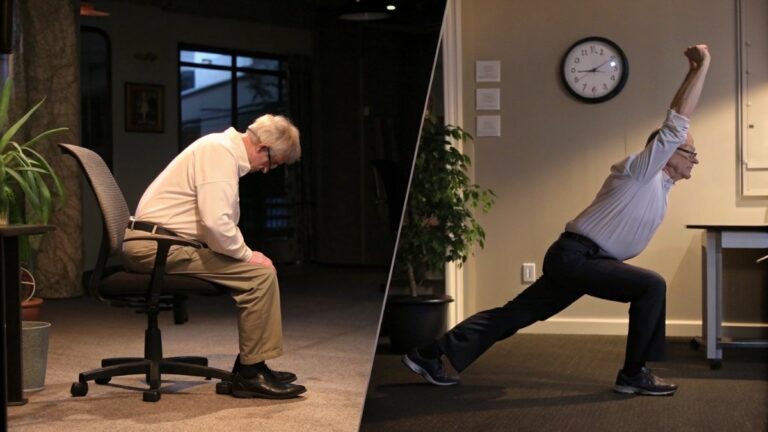
The ‘Too Old for This’ Exercise That Actually Reversed My Sarcopenia at 68—I’m Gaining Muscle, Not Losing It

At 68, my doctor handed me a diagnosis I’d never heard of—sarcopenia—and told me to “accept” that muscle loss was just part of aging.
I was struggling with stairs. Simple tasks left me exhausted. My independence was slipping away. Everyone said I was too old for strength training for seniors. The decline felt inevitable.
They were all wrong.
I reversed my sarcopenia in 12 weeks. I’m now building muscle after 60, not losing it. Here’s what you’ll learn: the specific exercises that work, why the “too old” myth is scientifically false, exact protein requirements, and a progressive action plan you can start today at any fitness level.
Sarcopenia reversal is possible. Let me show you how I did it.
What Sarcopenia Actually Is (And Why You’re Not Too Old)
Sarcopenia is the medical term for age-related muscle loss. It’s not just “getting weaker.” It’s a real condition where your muscles shrink and lose strength as you age.
Here’s what the numbers show. Between ages 60-70, about 5-13% of people have sarcopenia. After 80, that jumps to 50%. Without exercise, you lose 3-8% of your muscle mass every decade after 30. After 60, that speeds up to 15% per decade.
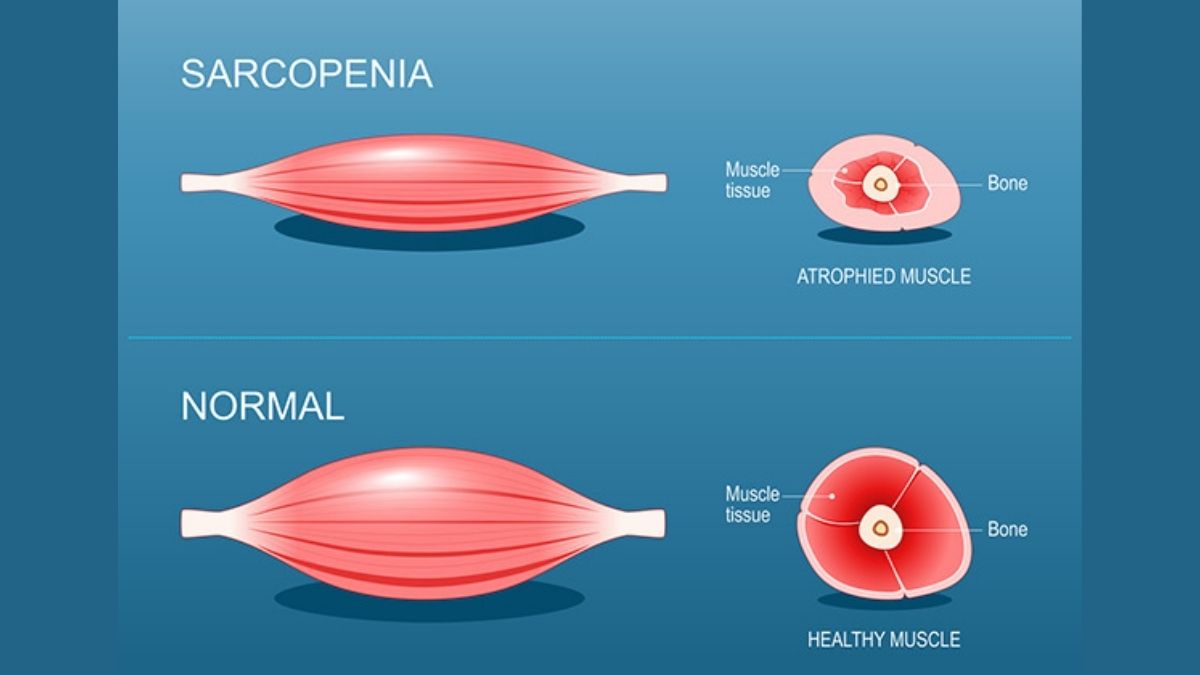
But here’s the good news. Your muscles can still grow at any age. Scientists call this “muscle plasticity.” Studies prove people in their 80s and 90s build real muscle with strength training.
The results are impressive. Older adults see 30-40% strength gains after just months of resistance exercise. One 12-week program reversed sarcopenia stages completely—genetics didn’t matter.
The “too old” excuse? Science says it’s wrong.
The Exercise That Changed Everything: Why Eccentric Training Works
My physical therapist showed me a simple move. Sit in a chair, then stand up slowly—taking 3 full seconds to lower back down. That’s eccentric training. It works the muscle while it’s lengthening under load.
Think about walking downstairs. Your leg muscles stretch while holding your body weight. That’s eccentric resistance training. The lowering part of any exercise counts too—like slowly bringing a weight back down after a curl.
Here’s why this works so well for older adults. It puts less stress on your heart and lungs than regular lifting. You get way less muscle soreness. And it’s safer because you use controlled movements instead of explosive ones.
A 12-week study tracked older adults doing eccentric training once per week. The results were solid. Power went up 13%. Regular strength jumped 17-36%. Eccentric strength shot up 40-50%. Muscle thickness grew 9-18%.
The best part? Once-weekly training worked just as well as twice-weekly programs. You don’t need to live in the gym.
Simple ways to start: Lower yourself into a chair slowly. Walk downstairs with control. Focus on the lowering phase when lifting anything. These low-impact strength training moves add up fast.
My 12-Week Progressive Strength Training Protocol

Here’s exactly what I did, week by week. This strength training program builds on itself. Each phase prepares you for the next.
Weeks 1-4: Foundation Phase
Start with basic movements three times per week. Do 2-3 sets of 10-15 reps for each exercise. Focus on getting the form right, not lifting heavy. Your exercises: chair squats (stand up and sit down with control), wall push-ups, and seated rows with a resistance band.
This phase teaches your body the movement patterns. Don’t skip it.
Weeks 5-8: Building Phase
Now add 5-10% more weight or resistance. Cut your reps to 8-12 per set. Here’s the key change—take 3 full seconds to lower the weight on every rep. This is where progressive resistance training kicks in.
Add leg press, lat pulldowns, and overhead press to your routine. Your muscles should feel challenged by the last two reps.
Weeks 9-12: Strength Phase
This is where real strength builds. Use 90% of the maximum weight you can lift. Do only 4 reps per set. Lower the weight slowly over 2-3 seconds, pause at the bottom, then lift it fast.
Focus on compound movements that work multiple muscles: squats, rows, presses. Rest at least one full day between sessions. Your body needs time to rebuild stronger.
By week 12, you’ll lift weights you never thought possible. The exercise protocol works because each phase builds your capacity for the next.
The Protein Prescription: What Science Says You Actually Need
I thought I was eating enough protein. I was wrong. The standard recommendation of 0.8 grams per kilogram of body weight is too low for older adults fighting sarcopenia.
Here’s what protein requirements seniors actually need. Research shows 1.0-1.2 grams per kilogram daily works for most people over 60. If you already have sarcopenia, you might need 1.2-1.5 grams per kilogram to reverse it.
Let me make this simple. If you weigh 150 pounds (68 kilograms), you need 68-82 grams of protein every day. That’s way more than most people eat.
But timing matters as much as total amount. Split your protein across three meals—about 25-30 grams per meal. This keeps muscle protein synthesis running all day long. One big steak at dinner doesn’t cut it.
Focus on high-quality protein sources. Whey protein powder works fast. Chicken, fish, and lean beef pack complete proteins. Eggs are perfect. Greek yogurt gives you 20 grams per cup. Beans and lentils count too.
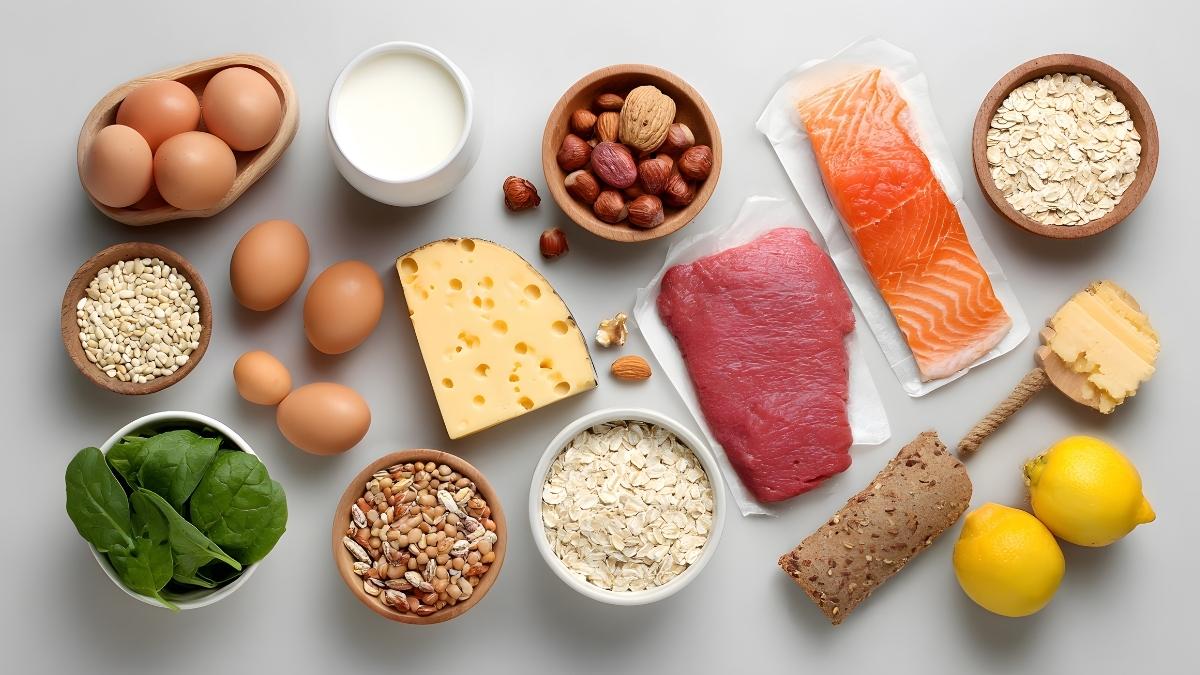
Here’s what a day looks like: 6 ounces of chicken (40 grams), one cup Greek yogurt (20 grams), and a protein shake (25 grams). That hits 85 grams total.
Once I started tracking and hitting these numbers consistently, my strength gains doubled. Protein feeds the muscle your training builds.
The Supplement Stack That Actually Helps (Backed by Research)
I’m not big on supplements. Most are waste of money. But three evidence-based supplements made a real difference when combined with my training.
Creatine Monohydrate
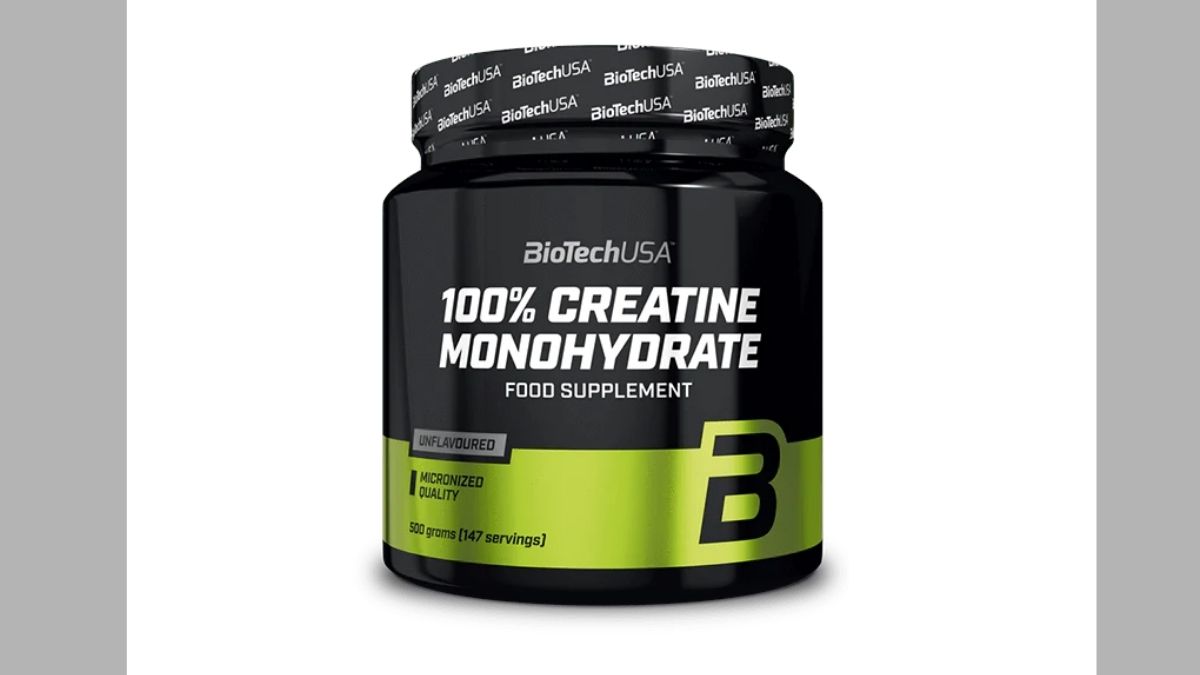
This is the most researched supplement for muscle building. Take 3-5 grams daily—that’s about one teaspoon. Studies show it’s safe for older adults and works. When you pair creatine supplementation with resistance training, you get better muscle mass gains and stronger upper body strength.
I take 5 grams every morning in my coffee. You don’t need a loading phase. Just take the same amount daily.
Vitamin D
Most older adults are low in vitamin D. Your body needs it to build and maintain muscle. A blood test will show if you’re deficient—most people are. Take 1,000-2,000 IU daily. I take 2,000 IU with breakfast since it absorbs better with food.
Vitamin D deficiency slows down everything you’re trying to fix. Get your levels checked.
Omega-3 Fatty Acids

Fish oil reduces inflammation in your muscles. It also helps with muscle protein synthesis. Take 1-2 grams daily of combined EPA and DHA. I use a basic fish oil supplement—nothing fancy.
What to Skip

Don’t waste money on proprietary blends that hide ingredient amounts. Testosterone boosters for older adults don’t work like ads claim. Pre-workout powders are mostly caffeine and marketing. Stick with what research proves works.
These three supplements cost me about $30 per month total. They’re not magic. They support the real work you’re doing with training and protein. Take them consistently, not just when you remember.
Real Results: Success Stories From People Like You

Joan MacDonald started strength training at 70 years old. She lost 42 pounds and got off her blood pressure medication completely. Now she’s 78 and says she’s in the best shape of her life. She posts her workouts online and inspires thousands of older adults.
An 86-year-old woman in a university study couldn’t even lift her foot onto a stool when she started. After months of training, she performs complex movements with confidence. The researchers were shocked by her progress.
One study tracked people aged 80-90 who had never lifted weights before. Every single person gained significant muscle mass and strength. It’s never too late to start. These strength training transformations prove the “too old” excuse is just wrong.
You’re not special or different. If they can do it, you can too.
Conclusion:
Sarcopenia is reversible at any age. Eccentric-focused resistance training works best. Eat 1.0-1.5 grams of protein per kilogram of body weight daily. Consistency beats intensity every time. Start where you are and progress gradually.
Start with one exercise today. Sit in a chair, stand up slowly, and repeat 10 times. That’s your first step toward reversing sarcopenia.
Building muscle after 60 isn’t about turning back the clock—it’s about proving it’s scientifically possible.