

Drinking coffee at this exact amount may matter more for your memory than most seniors realize.
Too little, and the benefit seems to fade. Too much, and it may start working against you.
Dementia is one of the biggest fears after 60, and a daily habit you already have could be nudging the odds in either direction.
Researchers tracked more than 130,000 adults for up to 43 years and found a surprisingly specific sweet spot. They also found that one kind of coffee did almost nothing.
This is not a miracle claim. It is what the strongest long term data shows so far.
Stick with this one, because the three dementia types in the headline do not all have the same level of evidence. We will sort out which ones the research supports best, and which ones it barely touches.
Before making any changes based on this article, talk to your doctor, especially if you take medication or have a heart, blood pressure, or sleep condition.
The Number Researchers Keep Landing On
The sweet spot is 2 to 3 cups of caffeinated coffee a day.

That comes from a large JAMA study published in February 2026 by Mass General Brigham, Harvard T.H. Chan School of Public Health, and the Broad Institute. Of the 131,821 participants, 11,033 developed dementia, and those with the highest caffeinated coffee intake had an 18% lower risk than people who drank little or none.
The benefit was greatest at 2 to 3 cups of caffeinated coffee or 1 to 2 cups of tea, while decaf showed no protective effect.
Here is how the amounts stack up:
Coffee Dose-Response & Dementia Risk Matrix
Epidemiological trial findings evaluating daily caffeine intake against neuroprotective outcomes and dementia risk.
Decaf showed zero protective linkage in epidemiological trials.
Strongest protective link, delivering ~300 mg of active caffeine.
Little additional neuroprotective edge measured beyond 2 to 3 cups.
2021 Australian analysis linked high intake to a 53% higher dementia risk vs. 1–2 cups.
Why Decaf Did Not Show the Same Benefit
This detail surprises people. Coffee contains polyphenols and caffeine, both of which are being studied for reducing inflammation and cellular damage.
Since decaf still has polyphenols but did not show the same results, researchers suspect caffeine itself may be a key ingredient. They stress that more work is needed to confirm it.

Other possible routes exist too. Coffee may improve insulin sensitivity, which could lower diabetes risk, a known dementia risk factor.
Caffeine also blocks adenosine receptors in the brain, and some scientists are exploring those receptors as targets for future Alzheimer’s prevention.
What Does 2 to 3 Cups Look Like in Your Kitchen?
Here is where most seniors get tripped up. A “cup” in the research is not your favorite mug.
A standard 8 ounce cup of brewed coffee holds roughly 80 to 100 mg of caffeine. Many home mugs and coffee shop drinks are larger than 8 ounces, so you may reach your limit sooner than you think.
Quick mug check: fill your usual mug with water, then pour it into a measuring cup. If it holds 12 ounces, two mugs already count as three cups.
The 3 Types of Dementia: What the Evidence Really Says
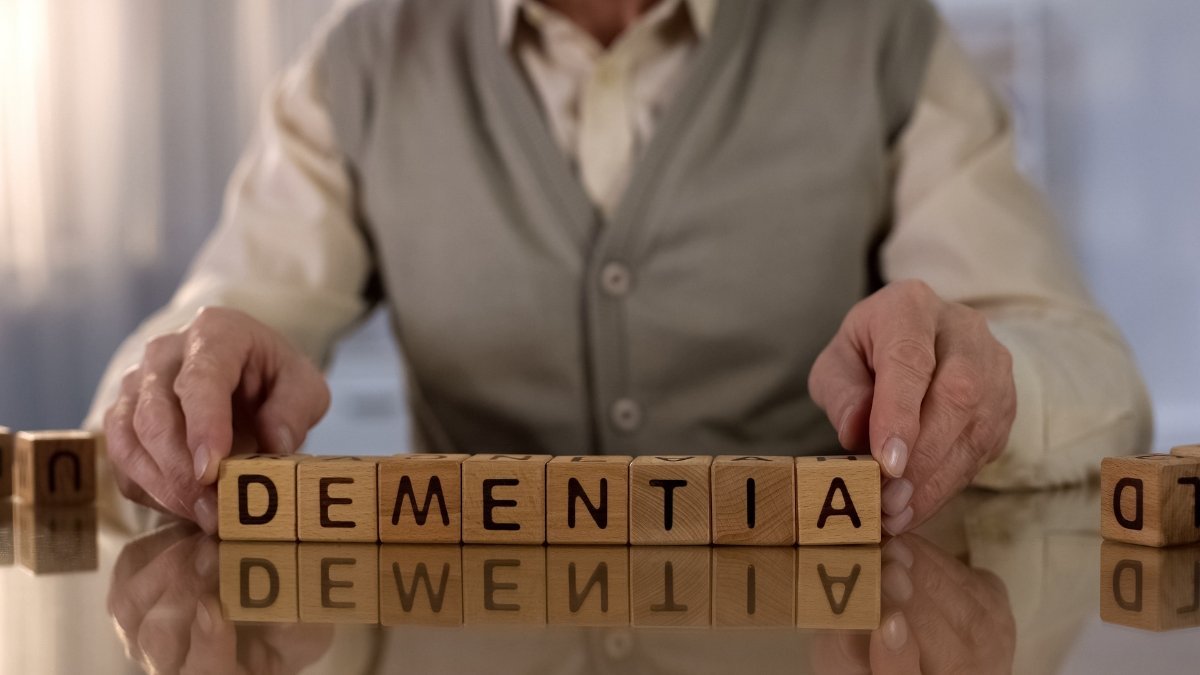
The headline promises protection from three types. The honest version is that the evidence is stronger for some than others.
Caffeine Links Across Dementia Subtypes
Scientific trial findings and strength of evidence evaluating caffeine intake against specific dementia pathologies.
Large UK study linked 100–400 mg daily caffeine to lower risk, though one smaller cohort showed opposing data.
Higher caffeine intake was tied to significantly fewer Lewy body pathology deposits in donated brain tissue.
Indirect protective link proposed primarily through lower overall stroke incidence among habitual coffee drinkers.
Alzheimer’s disease
This is the most studied type, and the picture is not perfectly tidy.
In the UK Biobank, which included more than 300,000 people, daily caffeine between 100 and 400 mg was linked to lower dementia risk. In a smaller Chicago area study, intake above 100 mg was linked to a higher hazard instead.
The study authors suggested the mismatch may come from differences in what was causing dementia in each group.
Lewy body dementia
This type, tied to protein clumps in the brain, produced the most interesting signal. In brain tissue donated by older adults, caffeine intake above 100 mg a day was associated with lower odds of widespread Lewy body deposits.
It is early research on a small group. It points to a possible link and does not prove one.
Vascular dementia
Vascular dementia comes from damaged blood vessels in the brain, so stroke risk matters. A meta analysis found coffee consumption was linked to lower overall stroke risk.
Polyphenols in coffee and tea may support nitric oxide production and blood vessel function. But one study of midlife men found no significant link between coffee intake and vascular dementia.
That is why this is the weakest of the three claims.
Everyone’s body responds differently, so check with your doctor before adjusting your coffee habit if you have heart disease, high blood pressure, or take regular medication.
When More Coffee Backfires
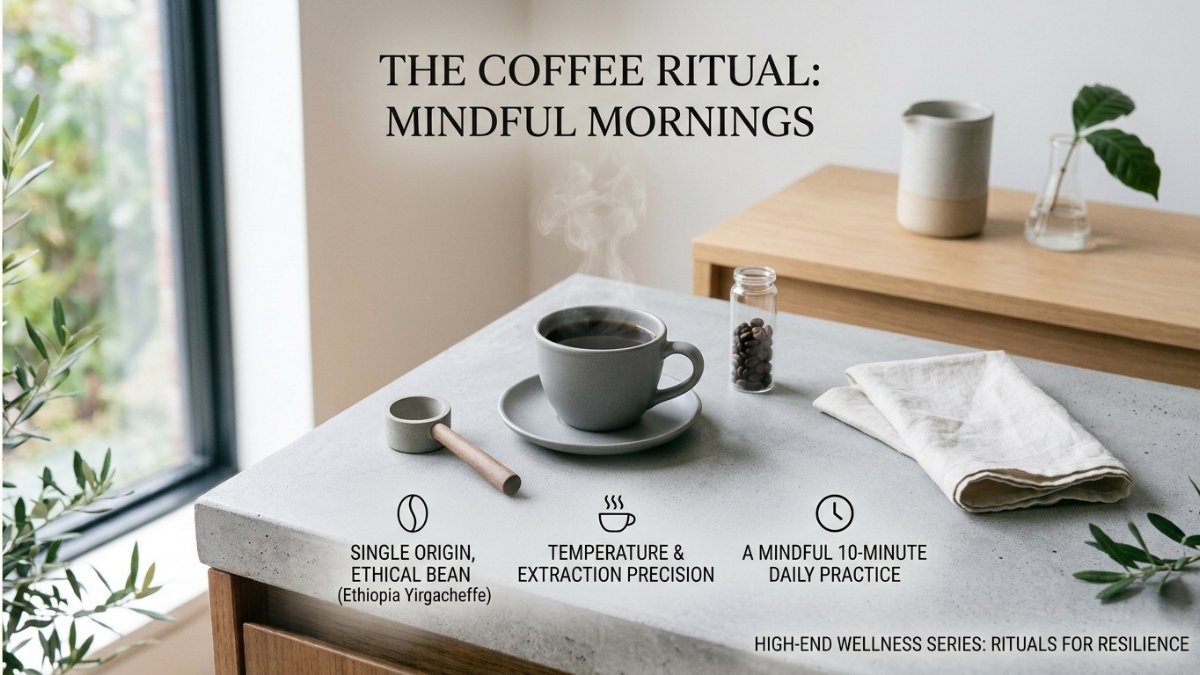
Seniors often handle caffeine differently than they did at 40. Some research suggests older adults clear caffeine more slowly, so the buzz lasts longer.
Caffeine can also make it harder to fall asleep and can shorten sleep, and older adults already struggle with sleep more often. Poor sleep is a brain health issue on its own.
Caffeine can also raise blood pressure temporarily. An American Heart Association review says most adults can safely have up to 400 mg a day, but sleep problems, palpitations, and personal sensitivity may still be reasons to cut back.
The Honest Limits of This Research
This is an association, not a guarantee. People who drink moderate coffee may also differ in other healthy ways.
Reverse causation is another concern: people in the earliest stages of cognitive decline may naturally drink less coffee.
Both cohorts were made up of health professionals, which may limit how well results apply to everyone.
One encouraging detail: the researchers saw the same pattern in people with high and low genetic risk of dementia.
Questions Seniors Ask Next
What if I only drink one cup?
The lowest risk showed up around 2 to 3 cups, but the 18% figure compares the highest group with people who drank little or none. One cup is still a reasonable habit if that is what suits you.
Should I start drinking coffee to prevent dementia?
No. The evidence shows an association, not proof of cause. Do not add caffeine without talking to your doctor, especially with heart or sleep issues.
What about tea?
Tea at 1 to 2 cups a day showed a similar benefit. It makes a gentler option if coffee makes you jittery.
Does it matter when I drink it?
Timing matters for sleep. A good rule is to stop caffeine at least four hours before bed.
Try This Today
The Daily Coffee Habit That Fits the Research
- Measure your mug once, so you know what “one cup” really means.
- Aim for 2 to 3 standard cups of caffeinated coffee, and keep total caffeine under 400 mg.
- Finish your last cup early in the afternoon to protect your sleep.
- Skip heavy sugar and flavored syrups, which add calories without helping your brain.
- Swap in tea for one cup if coffee leaves you jittery.
Red Flags: Call Your Doctor
Stop reading and get medical advice if you notice any of these:
- Memory loss that disrupts daily life, such as getting lost in familiar places
- A racing heart, chest discomfort, or palpitations after coffee
- Severe or ongoing trouble sleeping
- Sudden confusion, face drooping, or weakness on one side (call emergency services right away)
The Bottom Line,
Two to 3 cups of caffeinated coffee a day sits at the center of the best evidence on coffee and dementia risk. More does not seem to help, and decaf did not show the same effect.
The “3 types” claim is best read as a promising pattern, strongest for dementia overall, early for Lewy body, and weakest for vascular. Coffee is one small piece of the puzzle next to exercise, sleep, and staying socially active.
This article is for informational purposes only and is not a substitute for professional medical advice, diagnosis, or treatment. Always consult your doctor or a qualified healthcare provider before making changes to your diet, caffeine intake, or medications, especially if you have an existing health condition.