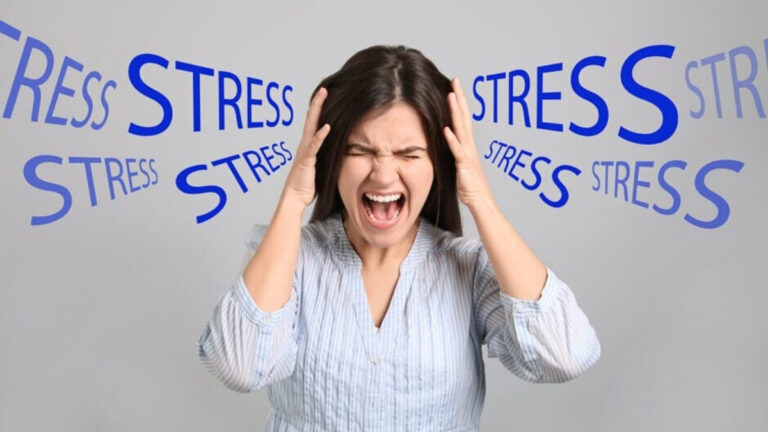
Don’t Marry The Wrong Person: Toxic Relationships Shorten Lifespan More Than Smoking

Most people track their calories. They go to the gym. They take vitamins. But they completely ignore the one thing that may be killing them fastest — the person sleeping next to them.
Science now confirms it. A bad marriage does more damage to your body than smoking a pack of cigarettes daily. That is not an opinion. That is published, peer-reviewed research from major universities.
This article is for anyone dating, married, or thinking about commitment. It will show you the real science, the red flags you must not ignore, and a clear action plan to protect your health and your life.
You will leave with specific tools. No fluff. No guesswork. Just real information that could add years to your life — starting today.
The Impact of
Toxic Relationships
This article is structured into 8 points—read them one by one to understand how toxic relationships can impact your health and longevity more than you might expect.
Point One: The Science Proves It — Toxic Relationships Shorten Lifespan More Than Smoking

Dr. Julianne Holt-Lunstad at Brigham Young University studied 308,849 people across 148 studies. Her finding was clear. People with strong, healthy relationships were 50% more likely to survive compared to those with weak or harmful ones.
She also found that lacking good social connection is as deadly as smoking 15 cigarettes every day. That number is not a typo. Fifteen cigarettes. Daily.
A 2025 study from NYU made it even more specific. Researchers used biological clocks — tools that measure actual aging in your DNA — and found that each toxic relationship in your life speeds up your aging by 1.5%. That equals about nine months of added biological age per difficult relationship.
A review published in the Proceedings of the National Academy of Sciences confirmed causal links between social relationships and death rates. The damage is strongest in middle age — exactly when most people are married.
This is not emotional advice. This is biology with data behind it.
3 Tips:
- Search “Holt-Lunstad social relationships mortality” to read the original research yourself
- Think of your relationship the same way you think of your diet — it directly affects your health
- If you would not smoke 15 cigarettes a day, do not stay in a relationship that causes the same damage
Point Two: What a Toxic Marriage Does to Your Body at the Cellular Level
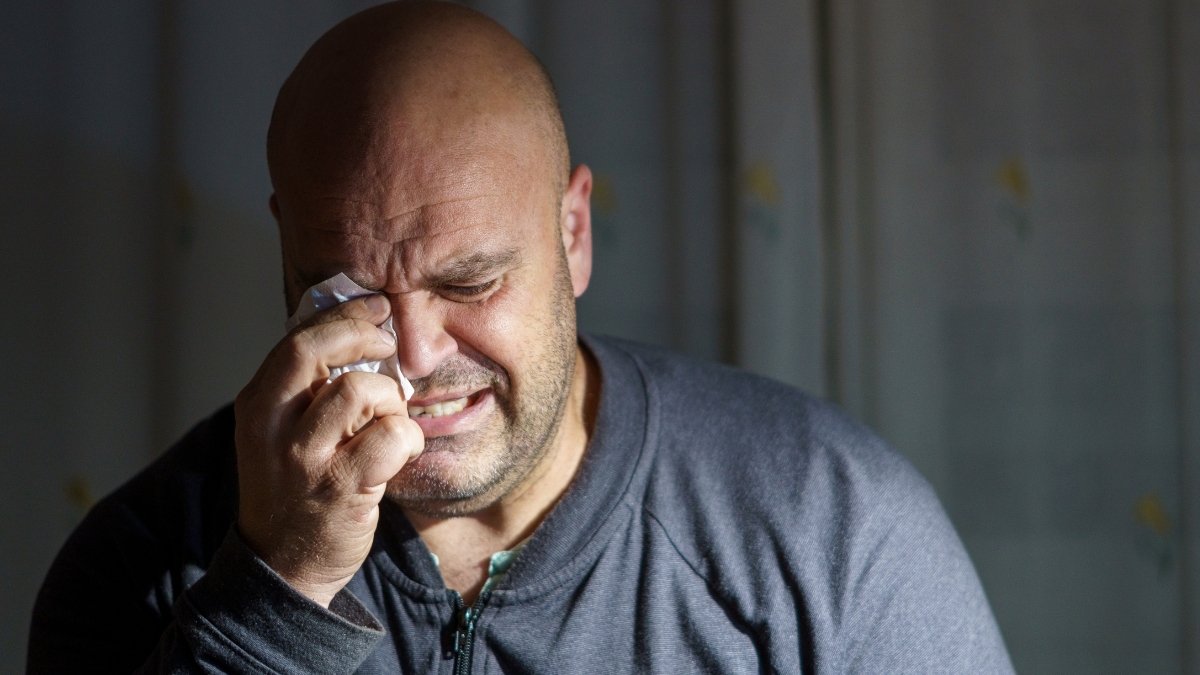
When you live with constant conflict, your body activates its stress response. Your nervous system releases cortisol and adrenaline. Your heart rate rises. Your blood pressure climbs. Your blood vessels tighten.
This is called the “fight or flight” response. It is designed for short-term danger — not for living with someone 24 hours a day, 365 days a year. When this response stays switched on for years, it causes something called allostatic load. Think of it as biological wear and tear that piles up over time.
Research from 2024 showed that hostile marital arguments raise two specific inflammation markers — IL-6 and TNF-α — in the bloodstream. One study found that a spouse’s emotional distress can actually change how your genes express themselves. Your partner’s mood is literally rewriting your biology.
Your immune system weakens. Your heart works harder. Your blood sugar becomes harder to control. You can eat perfectly, sleep eight hours, and exercise daily — and a toxic marriage will still undo much of that work.
3 Tips:
- Notice physical symptoms: frequent headaches, poor sleep, and getting sick often are body signals, not coincidences
- Search “Kiecolt-Glaser marital conflict immune system” to see the published research on this
- Track your stress levels over two weeks — if your worst stress comes from home, that data matters
Point Three: The 8 Non-Negotiable Red Flags of a Toxic Partner

Dr. John Gottman spent 40+ years studying couples. He identified what he called the “Four Horsemen” — the four behaviors that predict relationship breakdown with over 90% accuracy. They are criticism, contempt, defensiveness, and stonewalling.
Contempt is the most dangerous. It includes eye-rolling, mockery, sarcasm, and treating your partner as beneath you. Gottman’s research also linked contempt directly to a weakened immune system. The person being treated with contempt gets sick more often. This is documented.
Here are 8 red flags that signal danger. Your partner controls who you see and where you go. They use jealousy to justify that control. They punish you with silence or emotional withdrawal. They lie repeatedly and minimize it. They sabotage your finances. They mock your goals. You feel anxious before going home. And arguments always end with you feeling smaller than when they started.
One or two of these occasionally may be human error. Four or more, consistently — that is a pattern. Patterns are what damage your health.
3 Tips:
- Write down how you feel after your last five arguments — patterns appear quickly on paper
- Ask yourself: “Do I feel better or worse about myself since being with this person?”
- Share Gottman’s Four Horsemen list with a trusted friend and ask for honest feedback
Point Four: Why Smart, Successful People End Up in Toxic Relationships

High achievers are trained to push through difficulty. That works at work. It does not work in broken relationships. A toxic partner is not a problem you can outwork. But smart people keep trying anyway, because quitting feels like failure to them.
Many people also grew up in households with conflict, emotional distance, or unpredictability. Their nervous system learned to read chaos as normal. As adults, they feel comfortable in tense, unstable relationships — not because they enjoy pain, but because it feels familiar.
Then there is intermittent reinforcement. A partner who is sometimes warm and sometimes cruel creates a reward cycle in your brain similar to a slot machine. You keep pulling the lever, hoping for the loving version. This pattern is neurologically addictive. It is not weakness. It is brain chemistry.
Neuroscience confirms this. Research shows the psychological distress in toxic relationships has neurobiological roots — often going back to early childhood experiences. This is not about intelligence. The smartest people in the room can be the most stuck.
3 Tips:
- Ask: “Would I accept this behavior from a colleague or friend?” If no, ask why you accept it at home
- Read “The Body Keeps the Score” by Dr. Bessel van der Kolk to understand trauma bonding
- Consider one session with a therapist specifically to examine your relationship patterns — not your partner’s
Point Five: The Green Flags — What a Healthy Partner Actually Looks Like in 2026

A healthy partner does not mean a perfect one. It means someone with consistent patterns of respect, emotional honesty, and accountability. That is what you are looking for — not someone who never makes mistakes, but someone who handles mistakes the right way.
Dr. Gottman’s research identified mutual respect and the absence of contempt as the single strongest predictor of a lasting, healthy relationship. Not passion. Not chemistry. Respect.
Green flags look like this: they listen to understand, not to win. They take honest responsibility for their part in past conflicts and past relationships. They handle disagreements with words, not attacks. Their behavior matches their words consistently over time — not just when they want something from you.
Biologically, this matters. Couples in high-quality relationships show elevated oxytocin — the bonding hormone that also supports immune function and lowers blood pressure. A healthy relationship is literally medicine. Your body responds differently to safety than to threat.
Shared values matter more than shared hobbies. Same goals, same financial approach, same view on family — these predict longevity in a relationship more than any spark.
3 Tips:
- Watch how your partner handles anger when things go wrong — that behavior will appear in your marriage too
- Ask directly: “How did your last relationship end and what was your role in that?” The answer reveals a lot
- Visit gottman.com for a free relationship assessment tool you can use today
Point Six: The Loneliness Trap — Why Staying Single Is Often Healthier Than a Bad Marriage

Society has taught you that being alone is a failure. The data says otherwise.
Single people with strong friendships and social networks often live longer and report more happiness than people stuck in bad marriages. Chronic marital conflict produces documented stress responses, inflammation, and immune damage. Being single does not automatically produce those things.
Holt-Lunstad’s second major study — analyzing 70 studies and 3.4 million people — found that people classified as lonely face a 26% higher mortality risk. Living alone adds 32%. But here is the critical detail: loneliness is about the quality of your connections, not just their number or type.
You can live alone, have deep friendships, and a rich social life — and your health outcomes will be better than someone living with a contemptuous spouse.
María Branyas Morera lived to 115 years old. When asked her secret, she said: stay away from toxic people. The world’s oldest human being confirmed what the research shows.
3 Tips:
- Invest in three to five deep friendships — these are biologically protective regardless of your relationship status
- Join a community group, class, or regular social activity if your social connections are thin
- Stop measuring your life’s success by your relationship status — measure it by the quality of your connections
Point Seven: How to Exit a Toxic Relationship Without Losing Everything

Not every hard relationship is toxic. A relationship worth saving has two willing people, mutual respect still present, and no ongoing pattern of harm or control. If those three things are missing, you are not in a rough patch — you are in a toxic dynamic.
Here is a practical six-step exit framework. First, identify the specific harmful behaviors — name them clearly, not generally. Second, be honest about how the relationship makes you feel physically and emotionally.
Third, set firm boundaries around what you will no longer accept. Fourth, seek outside support from a therapist or a trusted person who will tell you the truth. Fifth, if you feel unsafe, build a safety plan before you say anything. Sixth, take the legal and financial steps needed to protect yourself.
Couples therapy works only when both people acknowledge the problem and genuinely want to change. If one partner refuses to engage honestly, therapy becomes another tool for avoiding accountability.
If abuse is a concern, contact the National Domestic Violence Hotline: 1-800-799-SAFE (7233) or thehotline.org. Have your documents ready and a safe place identified.
3 Tips:
- Do not announce you are leaving before you have a financial and housing plan in place
- Document patterns of harmful behavior in writing with dates — this protects you legally and emotionally
- Contact a Gottman-trained therapist to help you determine if your relationship is workable or not — visit gottman.com/couples/private-therapy
Point Eight: The 2026 Action Plan — How to Protect Your Health and Choose Wisely
If you are currently dating, slow down. Chemistry is real but it is not compatibility. Watch how your partner handles anger, disappointment, and their own failures. Those moments reveal who they actually are — not the version they show on good days.
Before making a serious commitment, run through this checklist. Do your life goals align? How do they handle conflict? Are they financially honest with you? Do they support your personal growth or quietly undercut it? How do they treat people with less power — waitstaff, siblings they disagree with, their own parents?
If you are already in a relationship, do an honest body check right now. Are you sleeping worse? Getting sick more often? Drinking more? Feeling a low, constant anxiety you cannot explain? Your body is sending you data. Do not ignore it.
Chronic stress, insomnia, headaches, and fatigue are not personality quirks. They are clinical signs that your relationship is affecting your health.
The most important health decision you will make in 2026 is not a supplement. It is not a gym membership. It is who you choose to share your life with.
3 Tips:
- Write down five honest answers to: “How does my body feel most days at home?” — let the pattern speak
- Use psychologytoday.com/us/therapists to find a Gottman Method or Emotionally Focused Therapy specialist near you
- Read Dr. Holt-Lunstad’s research directly at plosemedicine.org — seeing the data yourself makes it real
Conclusion:

A toxic relationship ages your body, breaks down your immune system, and shortens your life. The science is clear and it has been proven across millions of people.
You now have the red flags, the green flags, and the action steps. Choosing the right partner is the most important health decision you will ever make. Toxic relationships shorten lifespan — and your life is worth protecting.