This Common Sleeping Position is Linked to Early Dementia, Says New Study

If you sleep flat on your back for more than two hours each night, new research suggests you might be putting your brain at risk. Scientists at the 2024 Alzheimer’s Association International Conference found something shocking about how we sleep.
Your sleeping position matters more than you think. Most people have no idea that lying on their back all night could affect their brain health years down the road. And the numbers are scary.
Here’s what you need to know. This article will show you which sleeping position is linked to higher dementia risk. You’ll learn why this happens and what you can do about it tonight. We’ll cover simple steps to change how you sleep and protect your brain.
The good news? You can fix this. Small changes to your sleep habits might make a big difference for your future brain health. Let’s look at what the research says and what you should do about it.
The Sleep Position
Connection
This article is structured into points—read them one by one to understand how a common sleeping position may be linked to early dementia, according to new research.
Point #1: The 2024 Study Linking Back Sleeping to Dementia Risk

Researchers presented findings at the 2024 Alzheimer’s Association International Conference using a device called Sleep Profiler that monitored people at home.
The results shocked everyone. People who slept on their backs for more than two hours each night had 3.7 times higher odds of developing brain diseases. That’s a 370% increase in risk.
The study included 45 patients with Alzheimer’s, Parkinson’s, or mild cognitive problems compared to 120 healthy people. Even after accounting for age, sex, and sleep apnea, the results stayed the same.
Two hours was the critical number. Sleep on your back longer than that, and your risk goes up. The study appeared in Sleep Advances journal in 2023, giving you a clear target to work with.
Point #2: The Glymphatic System: Your Brain’s Nighttime Janitor

Your brain has a cleaning system that works while you sleep. Scientists discovered it in 2012 and called it the glymphatic system. Think of it as your brain’s janitor that only works at night.
Cerebrospinal fluid washes through your brain, picking up toxic proteins like beta-amyloid. These proteins cause Alzheimer’s disease if they stick around.
Neuroscientist Maiken Nedergaard says: “The brain is the only organ that can truly clean itself only while asleep.” During deep sleep, this system becomes 60% more active.
The glymphatic system clears beta-amyloid, tau proteins, and other waste that damages brain cells. Your sleeping position affects how well this cleaning system works.
Point #3: The Science Behind Side Sleeping and Brain Health

Side sleeping helps your brain clean itself better. When you lie on your side, cerebrospinal fluid flows more easily through your brain. Back sleeping doesn’t allow the same flow.
A 2015 study in Nature Medicine proved this. The lateral position clears waste more efficiently. Cleveland Clinic confirmed these findings in October 2025.
Good news: about 74% of adults naturally prefer side sleeping. Both left and right side sleeping help your brain equally. The important thing is staying off your back.
Side sleeping also reduces snoring, eases acid reflux, and takes pressure off your back. Your brain gets cleaner, and you sleep better too.
Point #4. Understanding the Growing Dementia Epidemic

Right now, 7.2 million Americans age 65 and older have Alzheimer’s disease. Worldwide, 55 million people live with dementia. Someone develops dementia every 3 seconds globally.
The numbers are getting worse. Deaths from Alzheimer’s increased 142% between 2000 and 2022. By 2050, experts predict 152.8 million cases globally. By 2060, cases will double in America.
Here’s the scary part: if you’re over 55, you have a 42% lifetime risk of developing dementia. Women face higher risk at 48% compared to 35% for men.
Prevention is crucial. Small changes now can protect your brain later.
Point #5. 7 Proven Strategies to Become a Side Sleeper Tonight
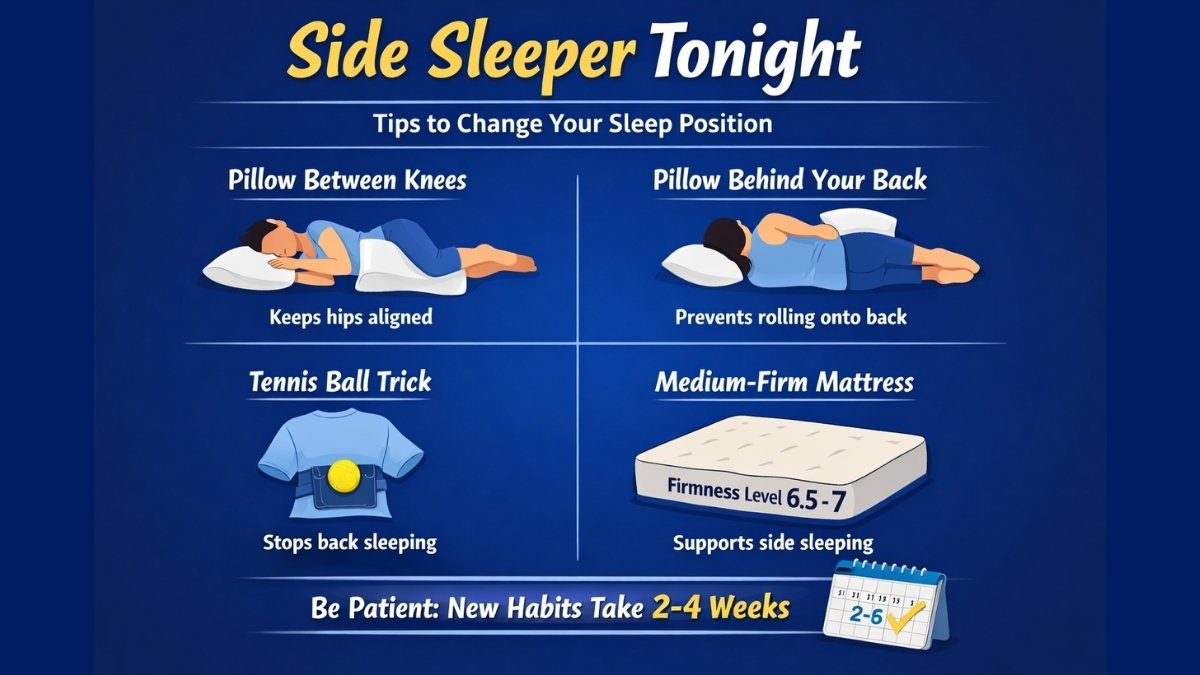
Changing your sleep position takes practice, but these methods work. Start with one or two and add more as needed.
Place a pillow between your knees. This keeps your hips aligned and makes side sleeping comfortable. Memory foam or orthopedic knee pillows work best.
Put a pillow behind your back. This stops you from rolling onto your back during sleep. A body pillow gives full support.
Try the tennis ball trick. Put a tennis ball in a shirt pocket or fanny pack on your back. It makes back sleeping uncomfortable, so you’ll roll to your side.
Choose a medium-firm mattress. Aim for 6.5-7 on a firmness scale of 10. This supports side sleeping better.
Be patient. It takes 2-4 weeks to form new sleep habits.
Point #6. Creating the Perfect Sleep Environment for Cognitive Protection

Your sleep setup matters as much as your position. Start with the right pillow. Choose a contoured pillow that’s not too high. Memory foam pillows work well for side sleepers.
Your mattress should be medium-firm. Hybrid mattresses offer good support without being too hard. Replace your mattress every 7-10 years.
Keep your room dark and cool. Use blackout curtains and set the temperature between 60-67°F. Consider a white noise machine if noise bothers you.
Sleep 7-9 hours every night. Your brain needs this time to clean itself properly. Go to bed and wake up at the same time daily, even on weekends.
Consistency helps your glymphatic system work better.
Point #7. Beyond Sleep: Additional Ways to Protect Your Brain

Sleep position isn’t the only thing that matters. Exercise for 150 minutes weekly. Walking, swimming, or biking all help. Cardiovascular health protects your brain.
Eat a Mediterranean diet. Include fish with omega-3 fatty acids, vegetables, fruits, and whole grains. These foods support brain health.
Stay socially active. Talk with friends, join clubs, or volunteer. Social engagement keeps your mind sharp.
Control chronic conditions. High blood pressure and diabetes increase dementia risk. Work with your doctor to manage these problems.
Keep learning new things. Read, do puzzles, or learn a language. Mental stimulation builds brain resilience. Avoid smoking and limit alcohol. Both harm your brain over time.
Point #8. Warning Signs and When to Seek Professional Help
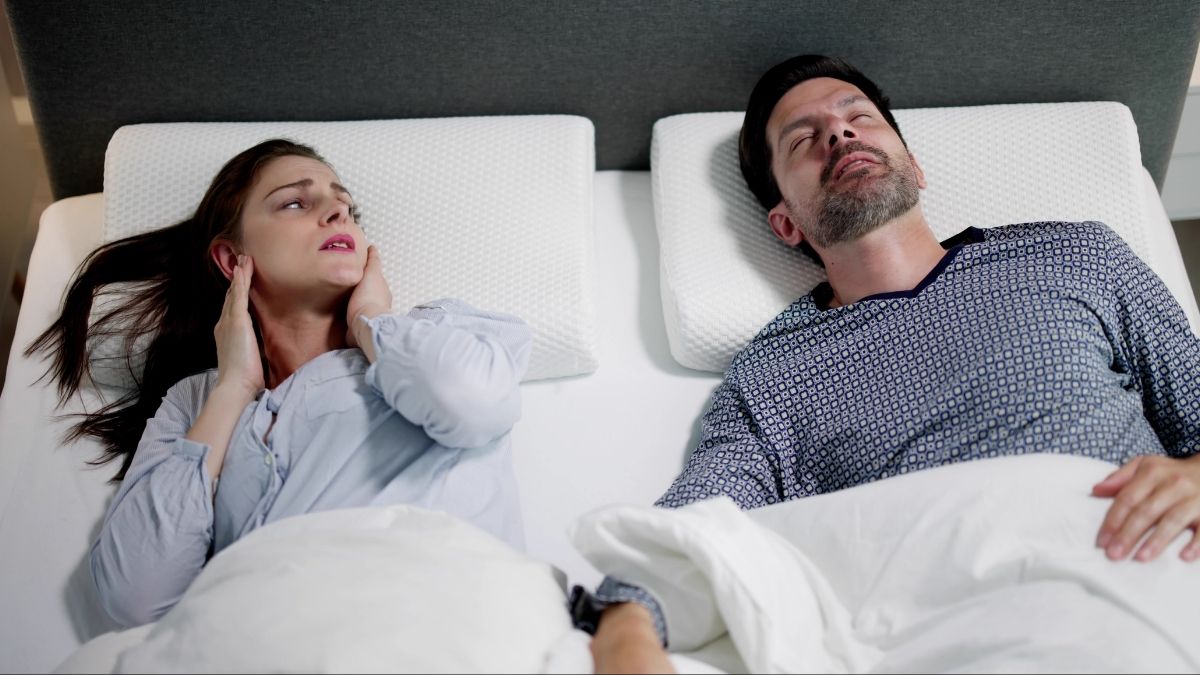
Watch for sleep apnea symptoms. Loud snoring, gasping for air at night, or feeling tired all day mean you should see a doctor. Sleep apnea damages your brain and increases dementia risk.
Notice early cognitive changes. Forgetting recent conversations, getting lost in familiar places, or struggling with simple tasks are warning signs.
Get a sleep study if you suspect apnea. CPAP therapy can help. Start with your primary care doctor.
Call the Alzheimer’s Association 24/7 Helpline at 800-272-3900 for information and support. They can guide you to cognitive screening tests and local resources.
Don’t wait if you’re worried. Early detection and treatment make a difference.
Lastly,

Back sleeping for more than two hours nightly may increase dementia risk by 370%. Side sleeping supports your brain’s waste clearance system.
Start tonight: place a pillow behind your back and between your knees. Track your progress for 30 days. Consult your doctor about a sleep study if you snore. These simple changes could protect your brain for years to come.
Back sleeping 2+ hours nightly may triple dementia risk. Discover why side sleeping protects your brain and how to change your position.