Build Muscle And Save Your Bones With This One Weird Morning Ritual

Your bones are silently shrinking right now. So are your muscles. And most people have no idea these two problems are connected.
Most people think bone loss and muscle loss are separate issues. They are not. When your muscles shrink, your bones lose their support. One study looking at nearly 800,000 people found that low muscle mass raises osteoporosis risk by over 3 times.
The scary part? This starts at age 30. Years before your doctor mentions it.
But here is the good news. There is one morning ritual — backed by real 2025 clinical research — that fights both problems at the same time. It takes under 20 minutes. You can do it at home. You do not need a gym membership.
This article will show you exactly what to do, why it works, and how to start tomorrow morning. No fluff. No complicated science. Just clear, actionable steps that work in 2026.
Point One — Why Your Muscle Loss And Bone Loss Are Actually The Same Problem
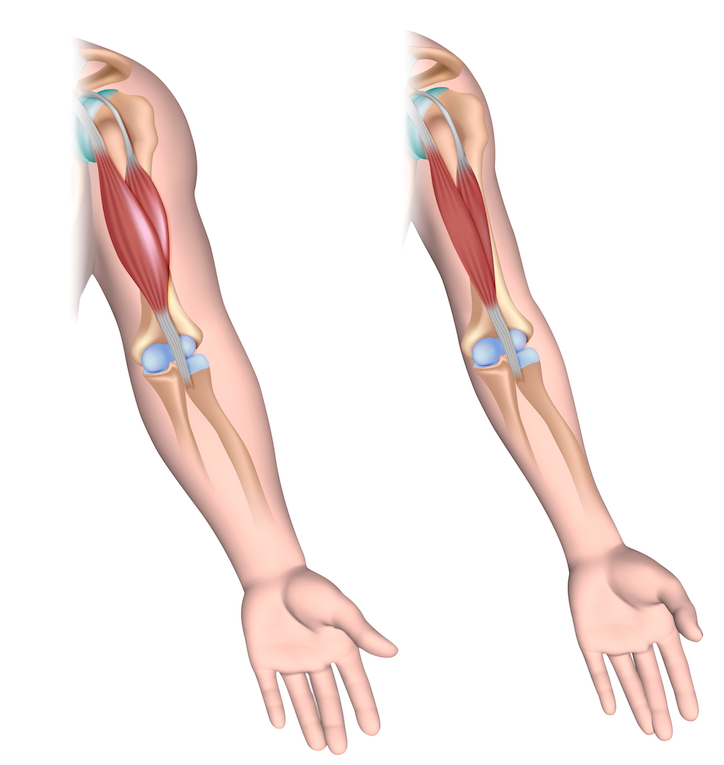
Think of your muscles as tent poles. Your bones are the tent. Pull the poles out and the tent collapses. That is exactly what happens inside your body when you lose muscle.
Your bones and muscles talk to each other constantly. When muscles contract and pull on bones, they send a signal: “Build more bone here.” When muscles shrink, that signal disappears. Your body stops building bone. It starts breaking it down instead.
Scientists now have a name for when both happen at once. It is called osteosarcopenia. It is not rare. It affects millions of people right now.
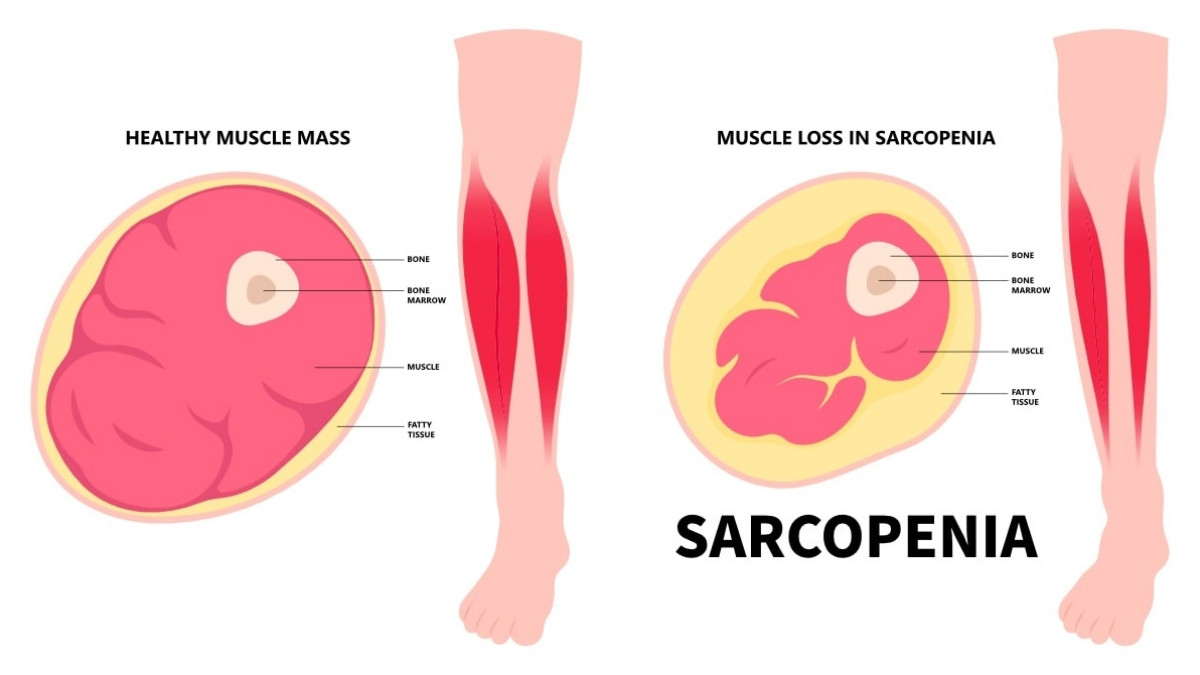
Here are the hard numbers. Sarcopenia — muscle loss — affects over 40% of adults aged 70 and above. That is roughly 50 million people worldwide. Osteoporosis prevalence is 3.7 times higher in people with low muscle strength.
This is not just about older adults. The breakdown starts in your 30s.
Once you see muscle loss and bone loss as one single problem, the morning ritual ahead makes complete sense.
3 Quick Tips:
- Check your grip strength. Weak grip is an early warning sign of sarcopenia.
- Ask your doctor for a bone density scan if you are over 40.
- Do not wait for pain. By then, significant loss has already happened.
Point Two — Why Morning Is The Best Time To Build Bone
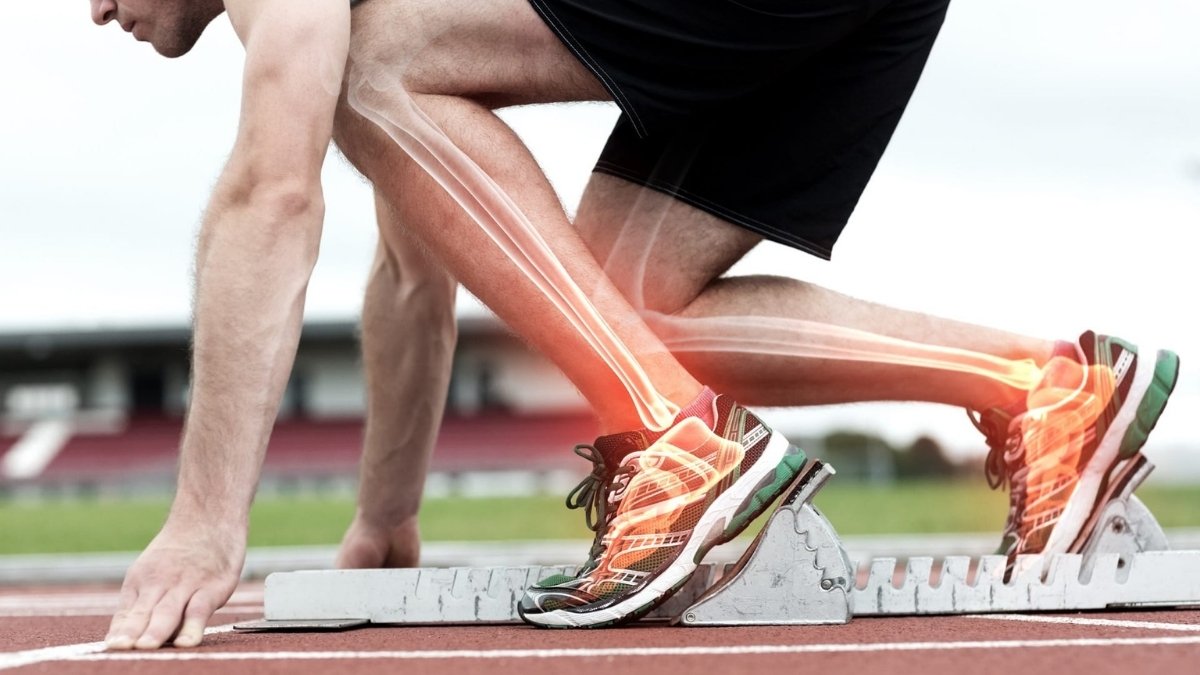
Your body is a construction site. Every night, old bone tissue gets broken down. Every morning, new bone gets built. Your job is to make sure the builders show up with the right tools.
Here is what most people miss. Bones are living tissue. They respond to pressure and load. When you stress a bone through movement, special cells called osteoblasts get the signal to build more bone.
Morning is the best time to trigger this process. Your cortisol levels peak right after waking. This is actually a good thing. If you move and eat protein in this window, your body shifts into a building state instead of a breaking-down state.
A 2025 study confirmed that all types of progressive exercise improve bone density. The best results come from combining resistance training with some impact activity.
Missing this morning window consistently is one of the biggest reasons people keep losing bone density despite taking calcium pills. Calcium alone is not enough. You need the mechanical signal too.
3 Quick Tips:
- Move within 30 to 60 minutes of waking to catch the cortisol window.
- Even 10 minutes of resistance movement counts — do not skip because of time.
- Think of morning exercise as a daily deposit into your bone bank account.
Point Three — Step One Of The Ritual Is Not Exercise. It Is Protein.
Most people assume the morning ritual starts with movement. It does not. It starts with protein.
Here is why. When you sleep, your body fasts for 7 to 9 hours. By morning, your amino acid levels are low. Amino acids are the building blocks your body uses to repair and grow both muscle and bone. Without them, no amount of exercise will build anything.
Eat 20 to 30 grams of protein within 30 minutes of waking. That is the first step. Every single morning.
Protein is not just for muscles. It makes up nearly half of your bone’s volume. Without it, calcium cannot properly bind to bone tissue.
Good protein options that are quick and cheap: Greek yogurt (17g per 200g serving), two whole eggs plus one scoop of whey protein, or cottage cheese. Vegans can use pea or soy protein isolate.
One simple combo: 1 scoop whey protein + 200ml milk + 1 banana. Ready in 3 minutes. Costs under $1.50.
Collagen peptides are a powerful add-on. Studies show 10 to 20 grams daily can improve bone density, especially for women over 40.
3 Quick Tips:
- Prep your protein the night before so there is zero friction in the morning.
- Add collagen peptides to your coffee or shake — you will not taste them.
- If you skip breakfast, at minimum drink a quick protein shake before moving.
Point Four — The 15-Minute Home Circuit That Actually Builds Bone
You do not need a gym. You need floor space and 15 minutes. That is it.
This five-exercise circuit loads the bones that break most often — hips, spine, and shoulders. Do it three mornings per week to start.
The 5 Exercises:
- Bodyweight squat or goblet squat — loads the hips and femoral neck, the most common fracture site.
- Push-up or dumbbell press — loads the shoulders and thoracic spine.
- Romanian deadlift — loads the lumbar spine and posterior chain.
- Foot stomps — 4 per foot, directly loads hip bones through impact.
- Resistance band rows — loads the upper spine and shoulder girdle.
For beginners, do 2 sets of 8 to 10 reps per exercise. Rest 60 seconds between sets. The whole circuit takes 12 to 18 minutes.
For more advanced, use the 3-5 method — 3 to 5 sets of 3 to 5 reps with heavier resistance. This maximizes both strength and bone stimulus.
Add 20 small jumps or heel drops at the end. Research supports jump training 3 to 5 times per week for improving hip bone density.
3 Quick Tips:
- Film yourself once a week. Watching your form improve keeps you motivated.
- Buy one resistance band ($10 to $15). It makes the rows and hip work far more effective.
- Focus on slow, controlled reps — 3 seconds down, 1 second up. Bone responds to time under tension.
Point Five — The Three Supplements That Make The Ritual Work Faster
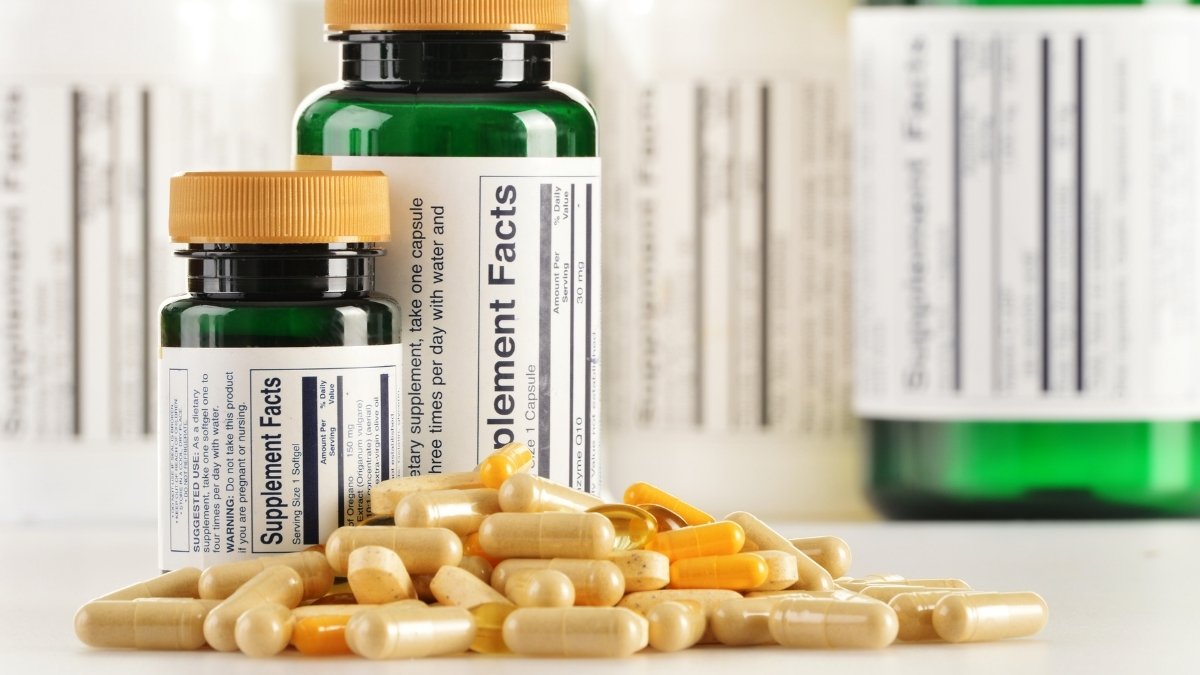
Supplements will not replace the ritual. But the right three will significantly speed up your results.
Creatine — 3 to 5 grams daily. Creatine is not just for gym bros. It is one of the safest, most researched supplements in existence. It increases muscle power output, which means your bones get more mechanical loading every time you move. There is also emerging evidence it directly supports osteoblast (bone-building) function.
Vitamin D3 — 1,000 to 2,000 IU daily. Without vitamin D, your body cannot absorb calcium properly. Research links improving vitamin D from deficient to sufficient levels with up to a 75% reduction in hip fracture risk. Get a blood test first. Take D3 with vitamin K2 so calcium goes into bones, not arteries.
Magnesium — 300 to 400 mg daily. Magnesium activates vitamin D and supports muscle contraction. Most people are deficient and do not know it. Get it from pumpkin seeds, dark leafy greens, or a magnesium glycinate supplement.
These three work together. Skip one and the others work less well.
3 Quick Tips:
- Take creatine daily, even on rest days — consistency matters more than timing.
- Get your vitamin D tested before buying supplements. Do not guess the dose.
- Magnesium glycinate is the gentlest form on the stomach — start there.
Point Six — Who Needs This Ritual The Most Right Now
Hip fractures are more deadly for women than breast cancer. For men, more deadly than prostate cancer. Yet most people have no plan to prevent them.
Here is who needs this ritual most urgently.
Women over 40. When estrogen drops during perimenopause, bone loss accelerates fast. The same hormonal shift makes muscle harder to build. Resistance training is the single best non-pharmaceutical response.
Men over 50. Testosterone decline causes the same dual loss. Men’s bone health is rarely discussed but equally serious.
Sedentary desk workers. Prolonged sitting reduces mechanical load on bones to nearly zero. Your body reads this as a signal to reduce bone density. It is that simple.
People who have both muscle and bone loss face dramatically greater risks of fractures, falls, and reduced daily activity than those with just one condition.
Warning signs you are already losing ground: chronic back pain with no injury, slight loss of height, feeling tired after minor physical activity, or a family history of hip fractures.
3 Quick Tips:
- Use the free FRAX tool at shef.ac.uk/FRAX to check your 10-year fracture risk.
- Tell your doctor about any minor fractures from low-impact falls immediately.
- If you sit more than 6 hours a day, this ritual is not optional — it is urgent.
Point Seven — How To Make This Ritual A Habit That Actually Lasts
The ritual works. The science is solid. The only thing that will stop it working for you is quitting on Day 4.
So let’s fix that right now.
Change your identity first. Do not say “I’m going to exercise in the morning.” Say “I am someone who protects my body every morning.” That shift sounds small. It is not. Identity drives behavior far more reliably than motivation.
Stack it onto something you already do. The moment you start making coffee, the ritual begins. The moment you brush your teeth, you do your protein. Link the new behavior to an existing one. This removes the need for willpower.
Use the 2-minute rule on hard mornings. Commit to just 2 minutes — put on clothes, take your protein, do one squat. The ritual almost always continues once you start.
Track with a calendar. Mark each day you complete it. Missing one day is a mistake. Missing two in a row is the start of quitting. Never miss twice.
Progress weekly. Every 7 days, make one thing slightly harder. One more rep. A slightly heavier band. Bone density requires increasing challenge over time to keep responding.
3 Quick Tips:
- Put your protein shake ingredients on your kitchen counter the night before.
- Set one alarm labeled “Body Protection Time” — not “Workout.”
- Tell one person about the ritual. Accountability doubles follow-through.
Point Eight — Your Simple 7-Day Plan To Start Tomorrow Morning
Week 1 is not about maximum results. It is about building the habit. Here is exactly what to do.
7-Day Protocol
Bone Density & Vitality Plan
Protein within 30 minutes of waking. 2 sets of 10 squats. 2 sets of 8 push-ups. 20 foot stomps. Done in 12 minutes.
Rest from exercise. Still take protein and supplements. Go for a 15-minute walk. Walking alone won’t build bone, but it adds to overall daily load.
Repeat Day 1 circuit. Add 1 extra set to each exercise. Slow each rep down by 2 seconds.
Rest day. Focus on food. Add 1 cup of leafy greens (magnesium) and Greek yogurt (calcium & protein) to your meals.
Full circuit — all 5 exercises, 3 sets each. This is your biggest training day of the week.
Add 20 small jumps or 60 seconds of jump rope after your circuit. Research supports this for hip bone density.
Reflect. Write down one thing that felt easier than Day 1. That change is real. That is your body responding.
3 Quick Tips:
- Do not skip Day 1 waiting for the “right” Monday. Start on whatever day you read this.
- Take a photo of yourself on Day 1. You will want to compare in 8 weeks.
- Save this article. Come back to it on Day 7 and re-read Point Seven.
Lastly,
Your bones and muscles are one system. Feed them protein every morning. Load them with the 5-exercise circuit. Add creatine, vitamin D, and magnesium to support the process.
This ritual costs nothing. It takes under 20 minutes. The science in 2026 is clear.
Start tomorrow morning. Not Monday. Tomorrow. Ten squats and a protein shake. That is all it takes to begin.