“Broken Heart Syndrome” is Real. And It’s a Warning Sign You Can’t Ignore
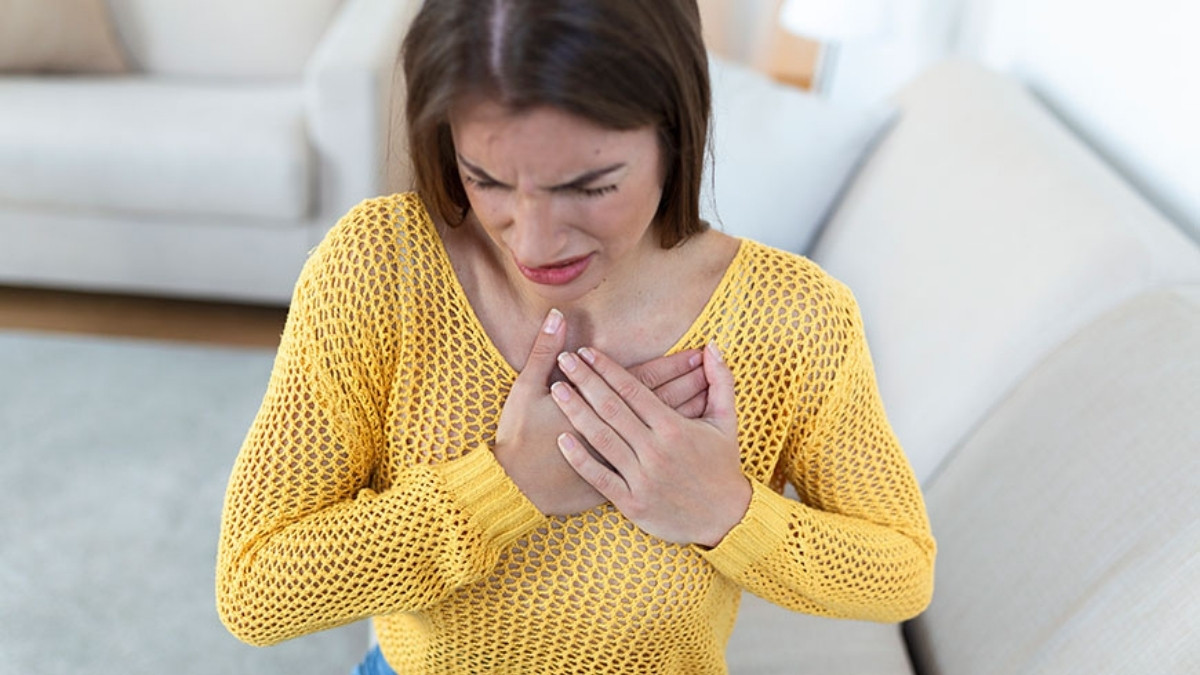
Maria felt crushing chest pain hours after her husband’s funeral. She thought it was just grief. She was wrong. She was having a medical emergency with a 6.5% death rate that doctors often mistake for a heart attack.
This is broken heart syndrome. It’s real. It kills people.
You might think chest pain after losing someone is normal. Your body is just stressed, right? Wrong. This is your heart literally failing. And if you don’t get help fast, you could die.
Here’s what you need to know: the seven warning signs that mean call 911 now, who gets this condition, and how to protect yourself. This isn’t about managing grief. This is about staying alive.
By the end of this article, you’ll know exactly when to get emergency help and when you’re at risk.
What Is Broken Heart Syndrome? (The Medical Reality Behind the Name)
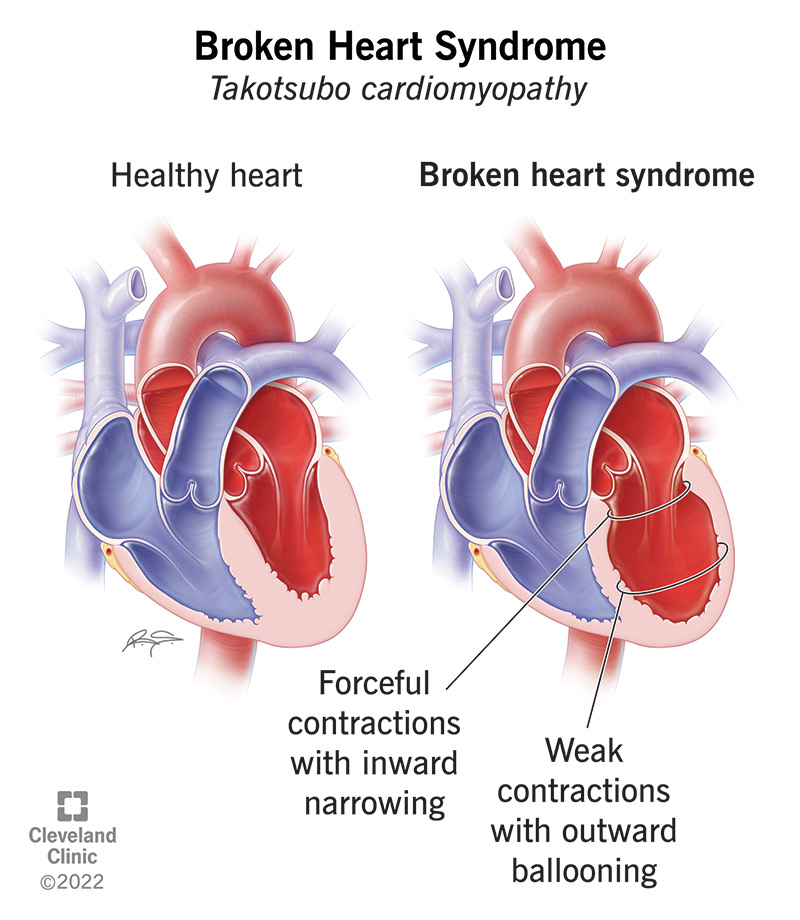
Your heart can break—literally. Broken heart syndrome happens when part of your heart balloons up and stops working right. Doctors call it takotsubo cardiomyopathy. The name comes from a Japanese octopus trap because your heart looks like that pot on medical scans.
Here’s what makes this scary: it feels exactly like a heart attack. Crushing chest pain. Can’t breathe. Sweating. Racing heart. But unlike a heart attack, your arteries aren’t blocked. Instead, stress hormones flood your system and stun your heart muscle.
This affects 15 to 30 people per 100,000 each year. That’s about 2% of people who show up at the ER thinking they’re having a heart attack. But here’s the real problem—doctors used to think this was harmless. New research from 2025 proves them wrong.
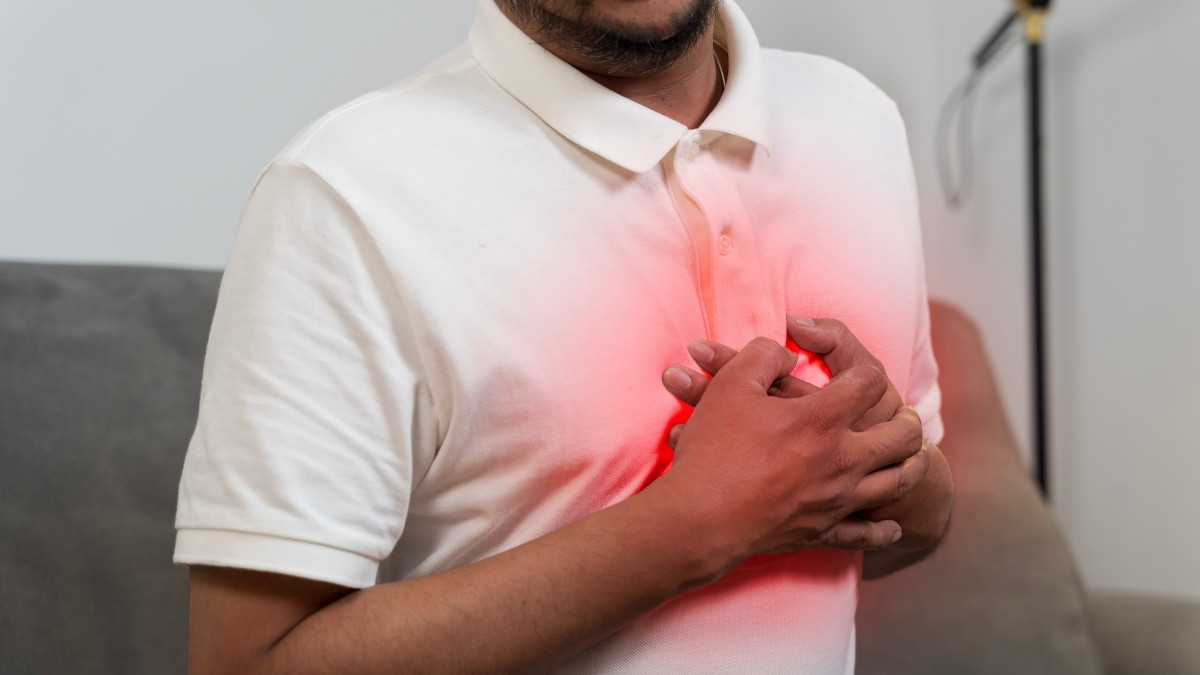
The death rate is 6.5%. It hasn’t changed since 2016. And 90% of cases happen in women over 50.
This is not “just stress.” This is a cardiac emergency.
The 7 Critical Warning Signs You Cannot Ignore
1. Sudden, Severe Chest Pain
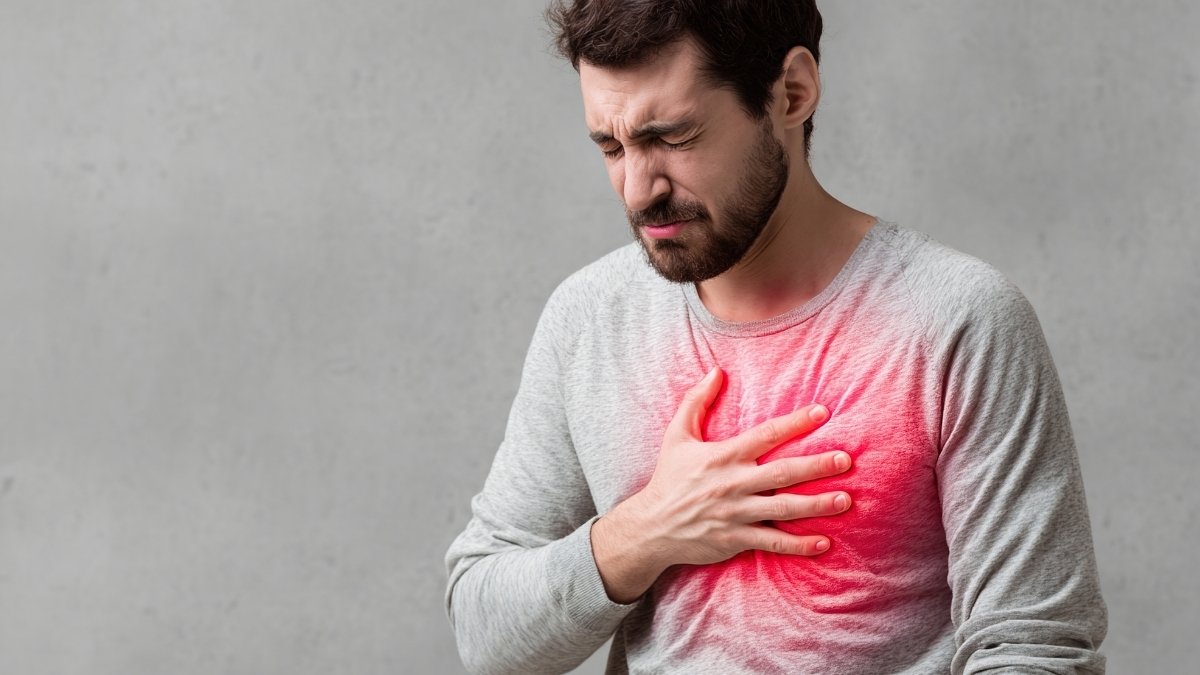
This is the main symptom. It hits minutes to hours after something stressful happens. The pain feels like pressure, heaviness, or crushing. It might spread to your arms, neck, or jaw.
This is not heartburn. This is not anxiety. If you have this pain after a funeral, bad news, or major stress—call 911.
2. Shortness of Breath
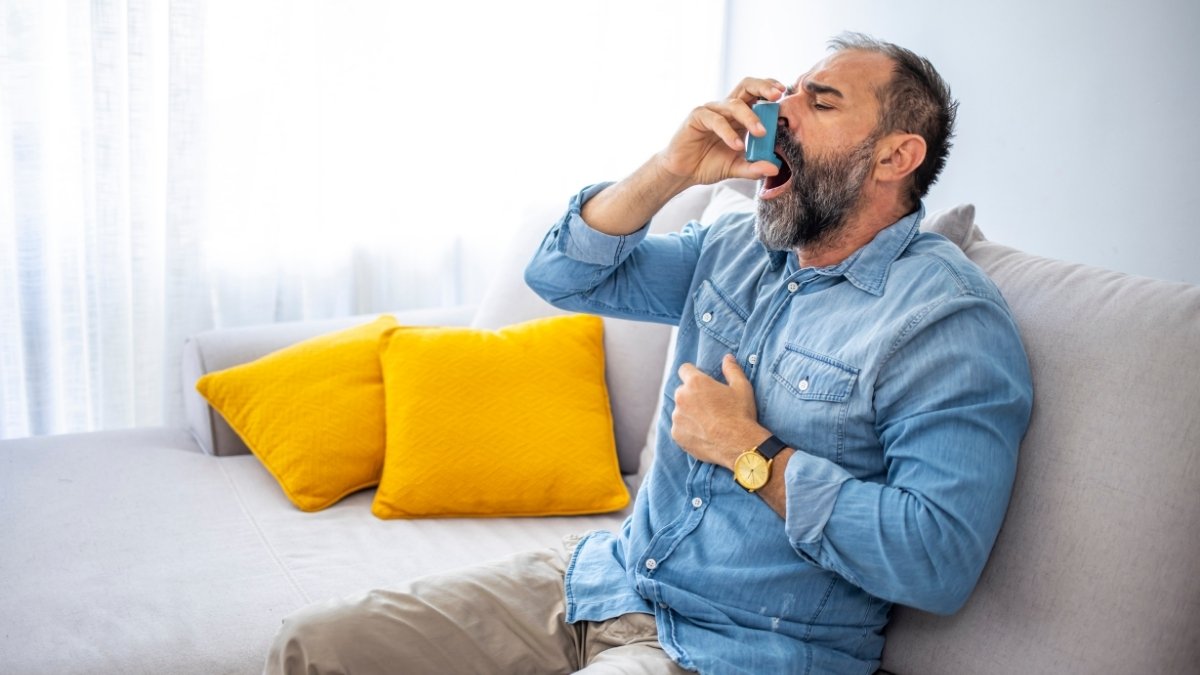
You can’t catch your breath. This happens with or without chest pain. It comes on suddenly or gets worse fast.
You might feel like you’re drowning. Don’t wait to see if it gets better.
3. Irregular Heartbeat
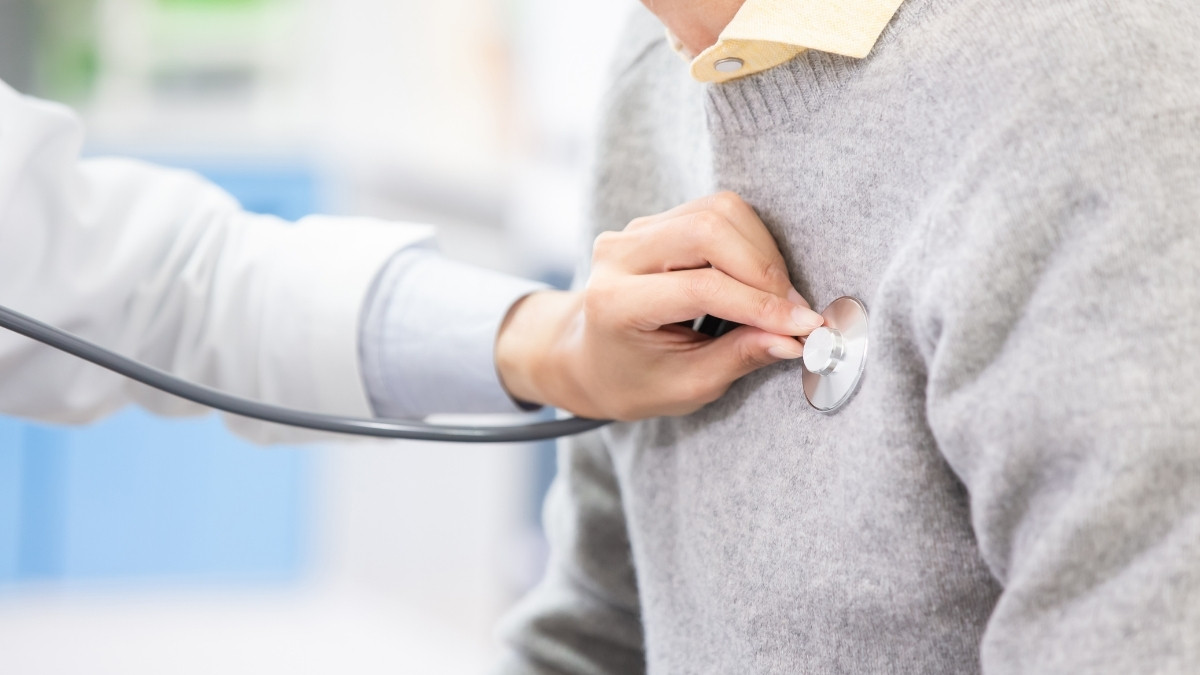
Your heart races, flutters, or skips beats. About 21% of patients develop atrial fibrillation—a dangerous irregular rhythm.
You might feel your heart pounding in your chest. This is your heart struggling.
4. Fainting or Near-Fainting
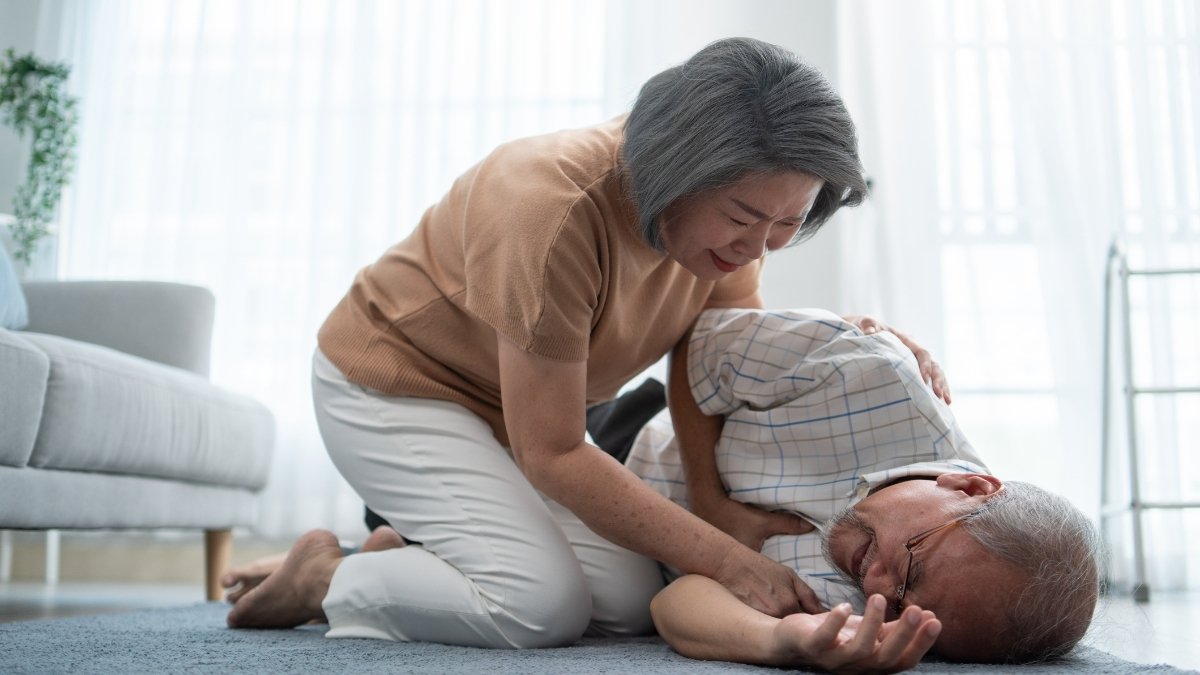
You get dizzy or lightheaded without warning. Your blood pressure drops.
You might pass out. This happens because your heart can’t pump enough blood to your brain.
5. Extreme Fatigue (Sudden Onset)

This isn’t normal tired. This is overwhelming weakness that hits suddenly after stress. You can barely move. It’s different from grief exhaustion.
6. Cold Sweats

You’re sweating but your skin is cold and clammy. You’re not exercising.
This often comes with chest pain. Your body knows something is very wrong.
7. Nausea or Vomiting
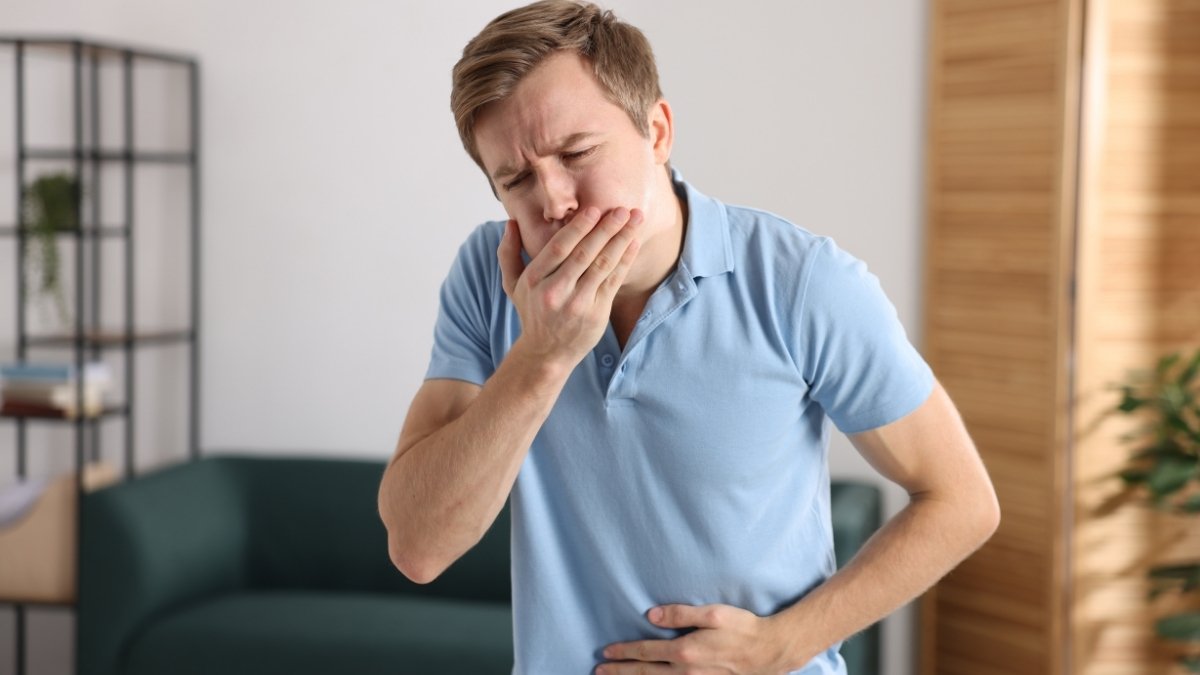
You feel sick to your stomach. You might throw up. People often think it’s food poisoning or the flu. But when it happens with chest discomfort after stress, it’s your heart.
Critical fact: These symptoms can start as soon as minutes or up to several hours after a stressful event.
What to do: If you have heart attack symptoms, call 911 immediately. Tests are the only way to know if it’s broken heart syndrome or a real heart attack. Don’t guess. Don’t wait.
Why This Happens: The Science Behind Broken Heart Syndrome
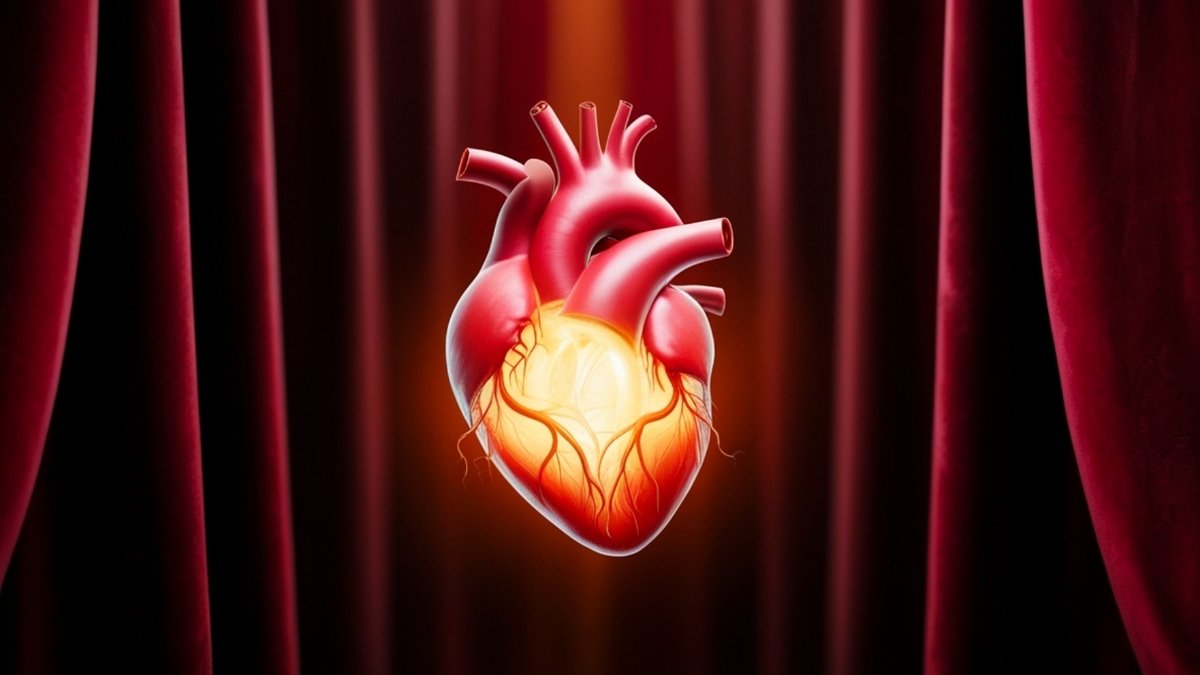
When something terrible happens, your body dumps massive amounts of adrenaline and stress hormones into your blood. This is supposed to help you survive. But sometimes it backfires.
Too much adrenaline can make the small arteries in your heart squeeze tight. Or it floods your heart cells with calcium. Either way, part of your heart muscle stops beating right. The lower part balloons out like that octopus trap.
Here’s why women get hit harder: estrogen protects your heart from adrenaline damage. After menopause, estrogen drops. Your protection is gone. That’s why risk jumps five times after age 55.
The triggers can be emotional—death, divorce, bad financial news, public speaking. Or physical—surgery, severe infection, asthma attack, stroke.
But here’s something weird: 28.5% of patients had no clear trigger. It just happened.
The good news? The damage is temporary. Your heart usually recovers fully in days to weeks. The bad news? Only if you survive the first few days.
Who’s at Highest Risk? (And It’s Not Who You Think)
Women over 50 are the primary target.
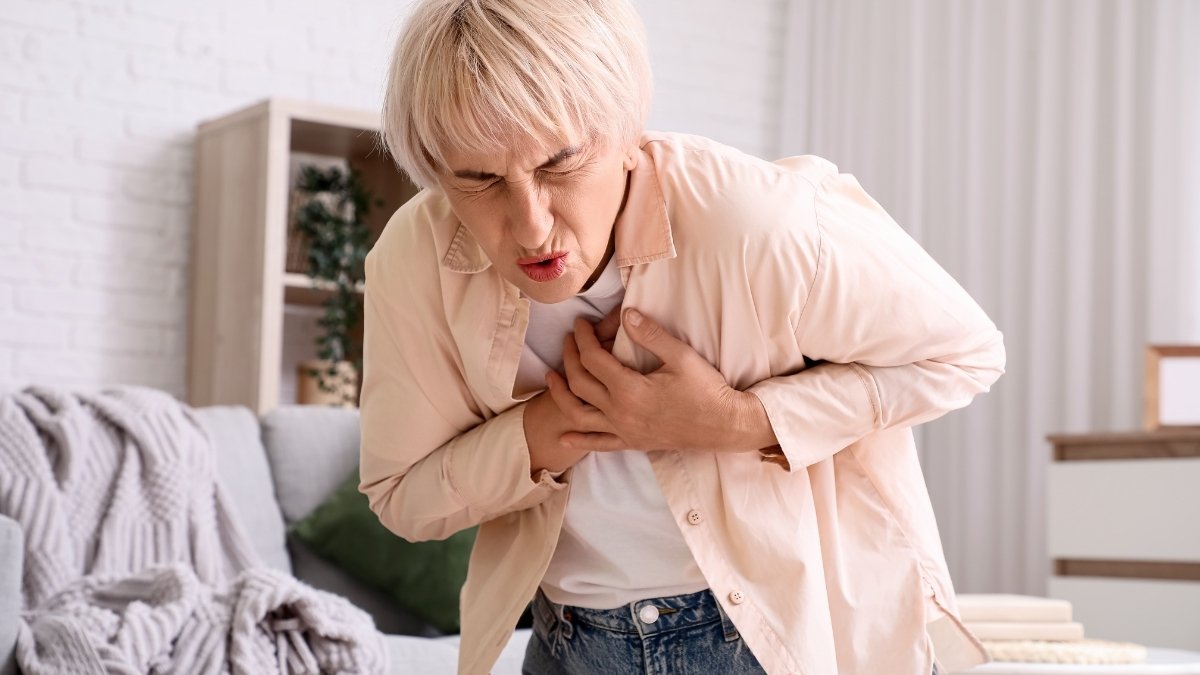
More than 90% of all cases happen in women ages 58 to 75. Here’s why: estrogen protects your heart from stress hormone damage. After menopause, estrogen levels drop. Your heart loses its shield. That’s when you become vulnerable. Your risk jumps five times after age 55.
This isn’t just about age. It’s about biology. Before menopause, your body protects you. After menopause, that protection disappears. Every stressful event becomes more dangerous.
Men face the deadliest outcomes.
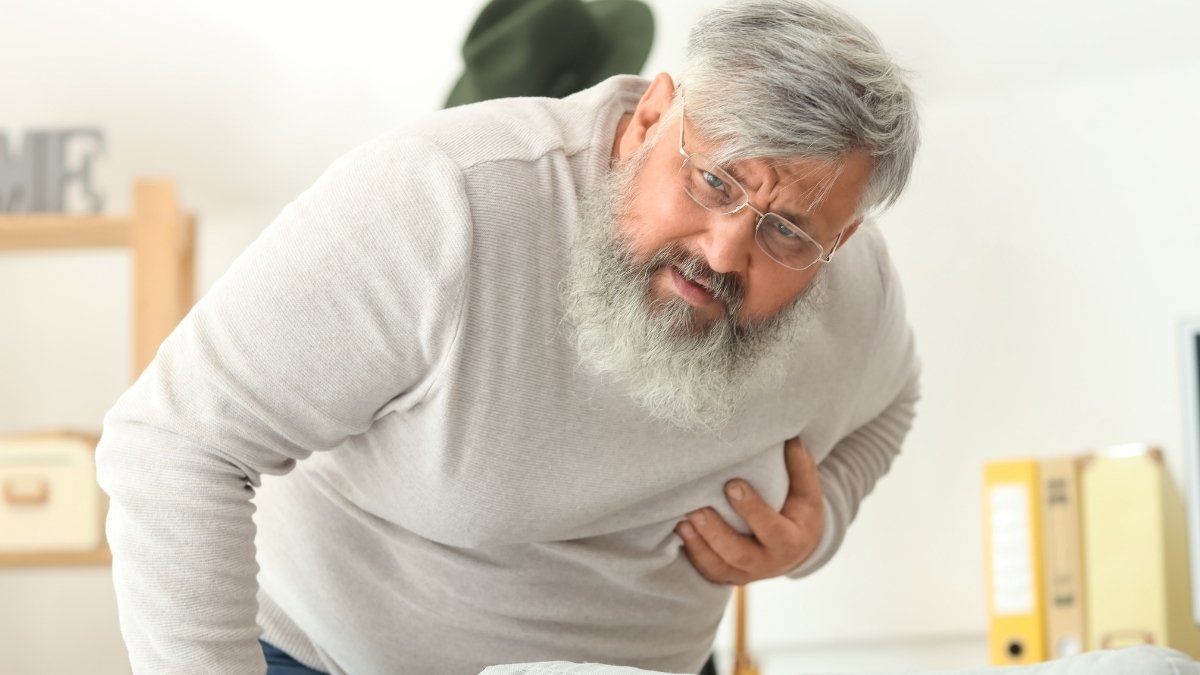
Here’s the shocking part: men only get broken heart syndrome 10% of the time. But when they do, they die at double the rate of women. Men have an 11.2% death rate compared to 5.5% in women. Every major complication hits men harder—heart failure, shock, stroke, cardiac arrest.
Why the difference? Doctors expect this in women. They miss it in men. By the time they figure it out, it’s often too late. If you’re a man with chest pain after stress, don’t let doctors dismiss it. Push for tests.
Mental health conditions dramatically increase your risk.
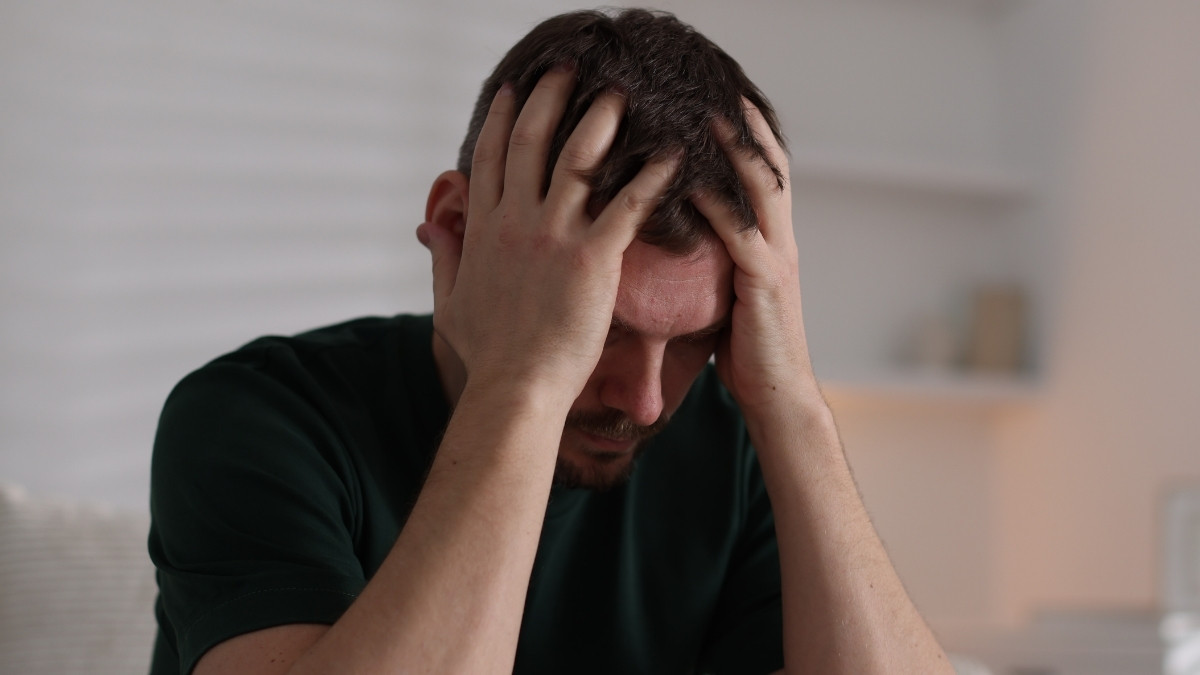
Over 55% of broken heart syndrome patients have anxiety, depression, or neurologic disorders. Compare that to regular heart attack patients—only 25% have these conditions. This isn’t a coincidence. Your brain and heart are connected. When your mental health suffers, your heart becomes vulnerable.
If you’re on medication for anxiety or depression, that’s actually protective. The danger is untreated mental health issues. Your stress response gets stuck on high alert. One big trigger can overwhelm your heart.
Middle age isn’t safe—it’s high risk.

Most people think this only hits elderly folks. Wrong. People ages 46 to 60 have 2.6 to 3.25 times higher risk than those ages 31 to 45. You’re juggling careers, aging parents, teenage kids, financial pressure. That stress adds up. Middle-aged people get slammed by this condition regularly.
Other conditions make you vulnerable.

Chronic kidney disease, cancer, COPD, and anemia all increase your risk. If you’re already dealing with serious health issues, your heart has less reserve to handle stress.
Race affects your risk. White adults have the highest rate at 0.16%. Native Americans follow at 0.13%. Black adults have the lowest documented rate at 0.07%. These differences might reflect actual risk or gaps in diagnosis and reporting.
Bottom line: Know your risk factors. Don’t assume you’re safe because you’re “too young” or “not the typical patient.” This condition doesn’t follow rules.
The Hidden Danger
EARLY HOSPITAL CARE IS THE ONLY DEFENSE.
How Doctors Diagnose It (Why You Need Tests, Not Guesswork)
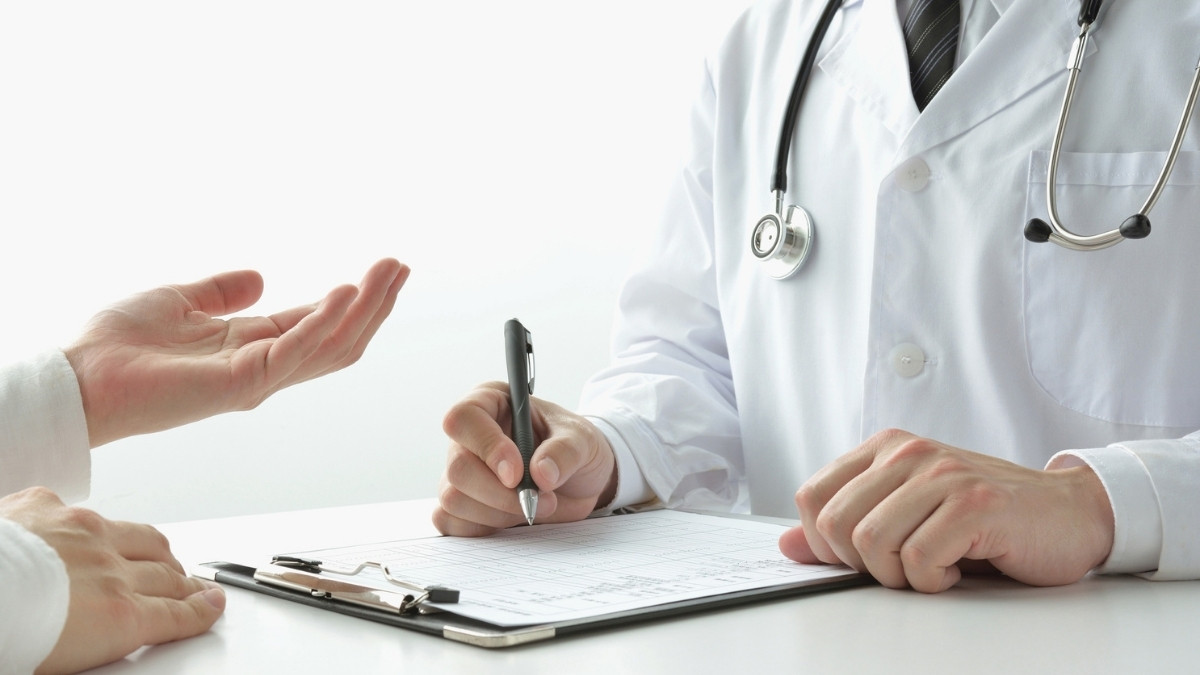
You can’t diagnose this at home. You need a hospital and specific tests.
Blood tests check for cardiac biomarkers. These show your heart is damaged. In broken heart syndrome, troponin levels go up to about 7.7 times normal. But blood tests alone can’t tell the difference between this and a heart attack.
Electrocardiogram (EKG) measures your heart’s electrical signals. It shows abnormalities that look like a heart attack. This is the first test they do in the ER.
Echocardiogram uses ultrasound to see your heart beating. This shows the weird ballooning of your left ventricle. The bottom of your heart looks like that octopus trap. This is the key test for diagnosis.
Coronary angiography uses dye and X-rays to look inside your heart arteries. In broken heart syndrome, your arteries are clear. No blockages. This proves you don’t have a traditional heart attack.
Critical point: Always tell ER doctors about recent stress. A death, divorce, surgery, bad news—this information helps them diagnose you correctly. Don’t leave it out.
Recovery Loadout
Effect: Prevents immediate failure.
Purpose: Shields heart from stress hormones.
Stat Boost: 2025 studies confirm improved outcomes. Not optional.
Target: Anxiety/Depression. Crucial for stability.
6 Proven Ways to Protect Your Heart from Stress (2025-2026 Evidence)
1. Build a Strong Support Network
Don’t go through hard times alone. Lean on friends and family. Research from 2025 shows that strong social connections actually reduce your risk. Join support groups. Talk to people. Isolation makes stress worse and raises your risk.
2. Practice Daily Stress Management
Start a meditation practice. Try mindfulness, deep breathing, or muscle relaxation. Make this a daily habit—not just when you’re stressed. Even 10 minutes a day helps. This isn’t touchy-feely advice. Studies prove this protects your heart.
3. Get Regular Exercise
Walk for 30 minutes every day. That’s it. This boosts your mood and protects your heart. If you’re at risk, talk to your doctor before starting. But movement is medicine.
4. Prioritize Quality Sleep
Get 7 to 9 hours every night. Go to bed and wake up at the same time every day. Sleep regulates stress hormones. Without it, your heart is vulnerable.
5. Seek Professional Mental Health Support
Get therapy before you’re in crisis. If you have anxiety or depression, treat it. Don’t tough it out. Mental health treatment is heart protection.
6. Avoid Harmful Coping Mechanisms
Don’t use alcohol or cigarettes to deal with stress. These raise your heart rate and blood pressure. They make everything worse. Find healthy outlets instead.
For survivors: See a cardiologist regularly. They need to confirm your heart has fully recovered before you stop treatment.
CALL 911 IMMEDIATELY if you have:
- Sudden, intense chest pain
- Trouble breathing
- Fainting or severe dizziness
- Irregular heartbeat with chest discomfort
- Any of these symptoms within hours of major stress
- Multiple warning signs together
When in doubt, call 911. Better to feel silly in an ambulance than right in a morgue.
Conclusion:
Broken heart syndrome kills 6.5% of patients. It’s a real medical emergency. Know the seven warning signs. Understand your risk. Never dismiss chest pain after stress as “just grief.”
With fast treatment, most people recover fully in two months. But only if they get help immediately.
Call 911 for sudden chest pain or breathing problems after stress. Share this with women over 50 you care about. It could save their life.