A Biohacker Reveals the Morning Routine that Reverses Biological Age Fast (Doctors Are Uncomfortable)

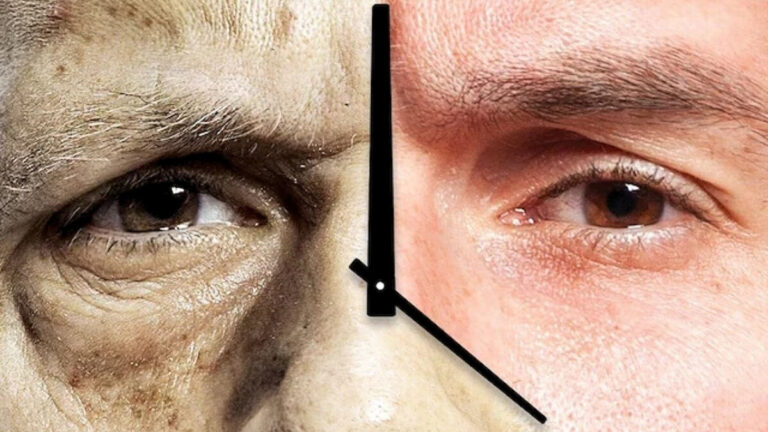
Nick Tucker went to bed 36 years old. He woke up 33—at least that’s what his cells said.
You hit snooze. You grab your phone. You rush through coffee and wonder why you’re tired by 2 PM. Your body feels older than it should.
Tucker tested a morning routine for 30 days. His biological age dropped 3 years. He lost 20 pounds. His triglycerides fell 77%. His LDL cholesterol dropped 27%. Cost? $333 per month.
You’ll learn the exact 5 morning habits that reverse biological age. You’ll see how to measure if it’s working. You’ll find out why the first 90 minutes matter more than the rest of your day.
This isn’t about expensive supplements or hours of free time. It’s about fixing what you already do wrong each morning.
What Is Biological Age?

Your birth certificate says one thing. Your cells say something else.
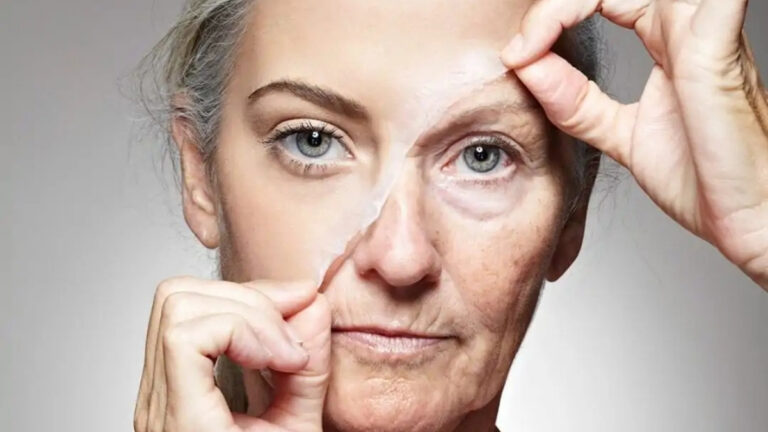
Biological age measures how old your cells actually are. It’s based on DNA methylation patterns called epigenetic clocks. You might be 45 on paper, but your cells could function like they’re 50. Or 40.
Your morning programs everything. The first 1-3 hours after waking set your hormones for the day. They control your circadian rhythm and trigger cellular repair.
Tucker followed a specific morning routine for 30 days. His biological age dropped from 36 to 33. That’s 3 years younger in one month.
Morning chaos disrupts your body’s repair systems. You get grogginess, poor focus, cravings, and faster aging. Fix your morning and you fix how fast you age.
Element 1: Get Morning Light

Bright morning light boosts your cortisol response by 20-40%. This programs your stress hormones for the entire day.
Sunlight hits your eyes in the morning. Your brain releases cortisol at the right time. Morning is when you want cortisol high. This improves your immune system, speeds up metabolism, and sharpens focus.
Step outside within 30-60 minutes of waking. Sunny day? Stay 5-10 minutes. Cloudy? Go for 15-20 minutes. Face east toward the sun. Don’t stare directly at it. No sunglasses.
Walk around, sit on your porch, or eat breakfast outside. Just get the light in your eyes. Blue light in morning sun triggers the strongest response. Indoor lighting doesn’t work.
Stuck inside? Use a 10,000 lux light therapy box for 20-30 minutes.
Element 2: Wait 90-120 Minutes Before Caffeine

Your body makes its own energy boost in the morning. Coffee too early kills it.
Your brain naturally produces cortisol when you wake up. Drinking caffeine immediately blocks this natural process.
Here’s the problem. A chemical called adenosine builds up and makes you tired. Morning adenosine levels are naturally low. If you drink caffeine right away, it blocks adenosine receptors. When caffeine wears off 4-6 hours later, all that adenosine hits at once. You crash hard.
Wait 90-120 minutes after waking before your first coffee. This lets your natural cortisol do its job.
Drink 16-32 oz of water immediately when you wake up instead. Add a pinch of sea salt for electrolytes. Your body is dehydrated after sleep. You’ll have more energy all day with no 2 PM crash.
Element 3: Cold Exposure for 2-3 Minutes

Cold exposure increases dopamine by 250%. This boost lasts for hours—much longer than caffeine.
After cold exposure, your dopamine and norepinephrine can jump 200-500%. This makes you feel motivated and focused. The elevation stays for hours.
Cold also trains your stress response. You teach your nervous system to stay calm under pressure. This helps with emotional control all day.
End your shower with 2-3 minutes of cold water. Start at 60-65°F and gradually go colder over weeks. The goal: cold enough that you want to get out, but you can safely stay in. Breathe slowly and deeply. Don’t gasp.
Can’t handle cold showers? Try cold water face dunking for 30-60 seconds. Or put an ice pack on your neck for 3-5 minutes.
Morning cold exposure energizes you for the day.
Element 4: Move Before You Eat

Light exercise before eating enhances fat burning and may improve insulin sensitivity.
Bryan Johnson starts his days with a one-hour workout. He does 25 exercises to strengthen all muscle groups. You don’t need an hour—20-30 minutes works.
Try brisk walking (best for most people), yoga or stretching, bodyweight exercises like push-ups and squats, light jogging, or cycling. Keep intensity moderate. You should be able to hold a conversation.
Morning movement increases blood flow and wakes up your muscles. It improves mood through endorphin release. Combined with morning light, it reinforces your circadian rhythm.
Do this while still fasted. Don’t eat breakfast first. The fasted state helps your body burn fat for energy instead of the food you just ate.
This sets a positive tone for your entire day.
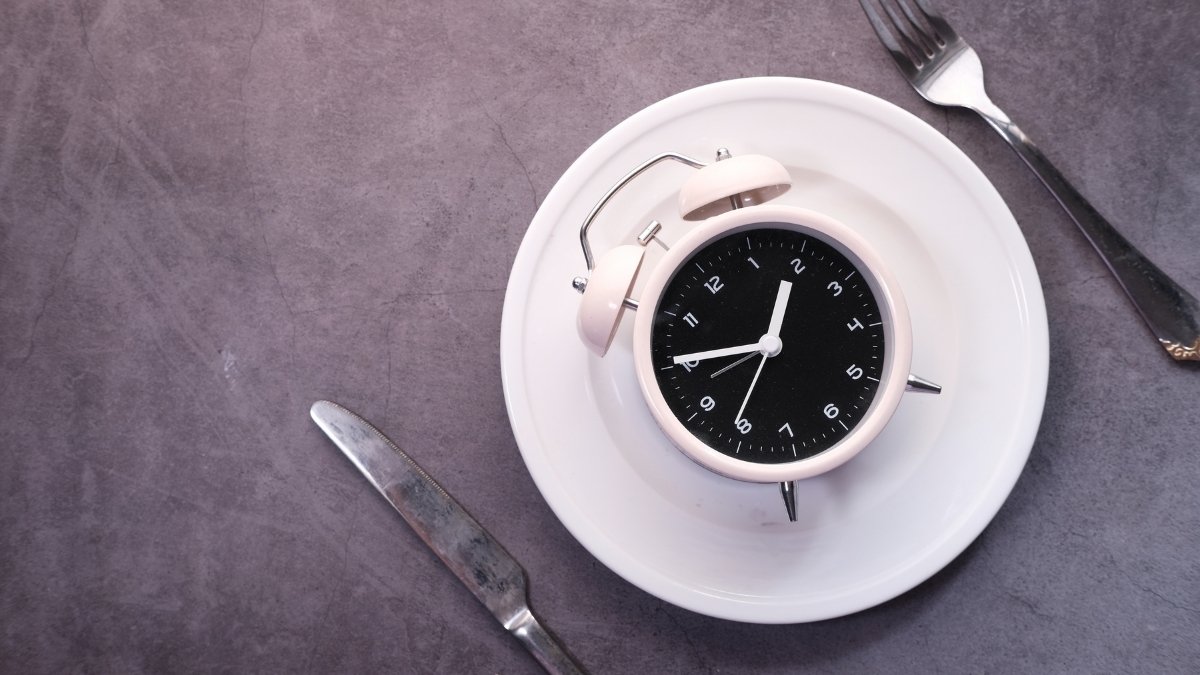
Element 5: Fast for 16 Hours (16:8 Protocol)

16/8 intermittent fasting means you fast for 16 hours and eat during an 8-hour window. This activates autophagy—your cellular housekeeping system.
When you fast for 16+ hours, your body breaks down damaged proteins. It recycles useful parts and discards cellular junk that builds up with age. A 2024 study in Nature found this improves biomarkers for longevity, including reduced inflammation and better insulin sensitivity.
Finish dinner by 7 PM. Don’t eat again until 11 AM the next day. During the 16-hour fast, you can have water, black coffee (after 90-120 minutes awake), herbal tea, or sparkling water. No calories.
Your 8-hour eating window (11 AM – 7 PM) should include 2-3 balanced meals. Focus on protein, healthy fats, vegetables, and whole grains. Don’t binge to compensate.
Your Hour-by-Hour Morning Timeline
How to Track If It’s Working
Epigenetic age tests range from $200 to $1,000. Options include TruDiagnostic ($500), Elysium Index ($499), EpiAging USA ($169), and GlycanAge ($348).
Before spending money, track these for free: resting heart rate (should decrease), heart rate variability or HRV (should increase—use Oura, Whoop, or Apple Watch), morning energy levels (rate 1-10 daily), sleep quality scores, and body composition.

Get a blood panel every 3-6 months. Key markers: fasting glucose (optimal: 70-85 mg/dL), triglycerides (under 100 mg/dL), HDL cholesterol (over 60 mg/dL), LDL cholesterol (under 100 mg/dL), hs-CRP inflammation (under 1.0 mg/L), and HbA1c (under 5.3%).
Use the free PhenoAge Calculator. It needs 9 biomarkers from standard blood work. Get your labs, plug in the numbers, and see your biological age estimate.
Mistake 1: Going Too Hard Too Fast
Trying to do all 5 elements on day one leads to burnout. You’ll quit within a week.
Start with just 1-2 habits. Pick morning light exposure and hydration. These are the easiest and give quick results.
Master those for one week. Then add the next element. Maybe delayed caffeine or morning movement. Give yourself another week to adjust.

Keep adding one new habit every 1-2 weeks. Build gradually over 2-3 months.
Think of it like strength training. You don’t walk into a gym and try to bench press 300 pounds on day one. You start light and add weight slowly.
The same applies here. Your body needs time to adapt to each change. Your mind needs time to make each habit automatic.
Slow progress beats no progress. You’re building habits for life, not just 30 days.
Mistake 2: Inconsistent Timing
Your circadian rhythm needs consistency. Waking at 6 AM on weekdays but 9 AM on weekends confuses your body.
Your brain relies on predictable patterns. When you wake at the same time daily, your body learns when to release cortisol, when to feel hungry, and when to feel tired.
When you sleep in on weekends, you create “social jet lag.” It’s like flying to a different time zone every Friday and back on Monday. Your body never fully adapts.
Keep your wake time within 30 minutes every day, including weekends. Yes, even Saturday and Sunday.
If you normally wake at 6 AM, don’t sleep past 6:30 AM on weekends. This consistency matters more than you think.
Your energy levels will stabilize. You’ll fall asleep easier at night. And your biological age will drop faster with consistent timing.
Mistake 3: Too Cold Too Fast
Jumping into ice-cold water when you’re not adapted is dangerous and miserable. You’ll hate it and quit.
Start with lukewarm-to-cool water at 60-65°F for just 30 seconds. That’s it. Stay at this level for 3-4 days.
Then drop the temperature slightly. Go a bit colder for 45 seconds. Stay here for another 3-4 days.

Keep progressing gradually over 2-4 weeks. Eventually you’ll handle 2-3 minutes of truly cold water.
The goal isn’t to punish yourself. The goal is cold enough that you think “I want to get out, but I can safely stay in.” You should feel uncomfortable but in control.
Listen to your body. Never push into dangerous discomfort. If you’re gasping uncontrollably or feel dizzy, the water is too cold or you’re staying in too long.
Slow adaptation builds mental resilience better than shock therapy.
Mistake 4: Breaking the Fast Too Early
“Bulletproof coffee” with butter or MCT oil at 7 AM breaks your fast. Any calories stop autophagy.
People think “it’s just fat, not carbs or protein, so it doesn’t count.” Wrong. Your body detects calories. When it does, autophagy shuts down.
The whole point of 16-hour fasting is to trigger cellular cleanup. That only happens when you’re truly fasted. No calories means no calories.

If you need morning coffee, keep it black. Plain black coffee has almost zero calories and won’t break your fast. Same with unsweetened tea, sparkling water, or regular water.
Save the cream, butter, MCT oil, and anything else with calories for your eating window starting at 11 AM.
Yes, black coffee tastes worse at first. You’ll adapt within a week. And the results—autophagy, fat burning, and anti-aging benefits—are worth drinking it plain.
Mistake 5: Not Personalizing the Protocol
What worked for Bryan Johnson or Nick Tucker might need adjustment for you. They have different schedules, health conditions, and lifestyles than you do.
The principles stay the same. But implementation varies based on your work schedule, family obligations, existing health conditions, fitness level, and climate where you live.
Work night shifts? Flip the timing but keep the same sequence. Get your “morning” light when you wake up at 4 PM. Do your cold exposure and movement before your shift. Fast for 16 hours around your sleep schedule.

Have young kids? Maybe you can’t do a full hour of morning routine. Shorten each element. Get 5 minutes of light instead of 20. Do 10 minutes of movement instead of 30.
Live in a cold climate? Cold showers might be harder. Try face dunking or ice packs instead.
Adapt the protocol to fit your life.
Advanced: Supplements to Consider
Get blood work first. Don’t supplement blindly. These may help based on your results.
Vitamin D3 at 2,000-5,000 IU if you’re deficient. Most people are, especially in winter. Vitamin D affects immune function and bone health.
Omega-3 fish oil at 1-2g EPA/DHA daily. Reduces inflammation and supports brain health. Look for high-quality brands tested for mercury.
Magnesium glycinate at 300-400mg before bed. Improves sleep quality and muscle recovery. Most people don’t get enough magnesium from food.

Creatine monohydrate at 5g daily. Supports brain function and muscle. Safe and well-researched. Take it any time of day.
NAD+ precursors like NMN or NR. Research is ongoing. These may support cellular energy, but they’re expensive and evidence is still building.
Important: supplements are add-ons, not replacements. Master the 5 core habits first. Then consider supplements based on your blood work and budget.
Advanced: Add Breath Work
Spend 5-10 minutes on breathing exercises after waking. This reduces stress, improves oxygen use, and enhances mental clarity.
Try box breathing. Breathe in for 4 counts, hold for 4, breathe out for 4, hold for 4. Repeat for 5 minutes. This calms your nervous system.
Or try the Wim Hof method. Take 30 deep breaths rapidly. On breath 30, exhale and hold your breath as long as comfortable. Then take a deep breath and hold for 15 seconds. Repeat 3-4 rounds. This energizes you and may improve cold tolerance.

Or try 4-7-8 breathing. Breathe in for 4 counts, hold for 7, breathe out for 8. This activates your parasympathetic nervous system and reduces anxiety.
Pick one method. Do it consistently. You’ll notice better stress management and sharper focus throughout the day.
Advanced: Add Resistance Training
Bryan Johnson does 25 exercises daily to strengthen all muscle groups. Muscle mass is one of the best longevity predictors.
If you can handle it, upgrade from light cardio to strength training 3-4 times weekly. Focus on compound movements: squats, deadlifts, push-ups, pull-ups, rows, and presses.
You don’t need a gym. Bodyweight exercises work great. Or buy a set of resistance bands and dumbbells for home workouts.

Keep sessions 30-45 minutes. Hit all major muscle groups twice per week. Rest at least one day between sessions for recovery.
Muscle protects your joints, improves metabolism, prevents falls as you age, and keeps you functional into your 80s and 90s.
But don’t sacrifice consistency with the core 5 morning habits to add strength training. If you’re skipping morning light or cold exposure to lift weights, you’re missing the point. Add resistance training only after the basics are automatic.
Advanced: Optimize Your Sleep
Your morning routine only works if you sleep well. Bryan Johnson calls himself a “professional sleeper” and uses a Whoop band to track sleep metrics.
Make your bedroom dark and cool. Aim for 65-68°F. Use blackout curtains or an eye mask. Even small amounts of light disrupt sleep quality.
No screens 1-2 hours before bed. Blue light from phones and computers suppresses melatonin. Read a book or talk with family instead.

Go to bed at the same time every night. Your body needs consistent sleep timing just like it needs consistent wake timing.
No caffeine after 2 PM. Caffeine has a half-life of 5-6 hours. Even afternoon coffee can mess with your sleep.
Track your sleep with an Oura Ring, Whoop band, or Apple Watch. Monitor heart rate variability, sleep stages, and recovery scores. Adjust your habits based on what the data shows.
What Results Can You Expect?
Nick Tucker’s 30-day results: biological age dropped from 36 to 33 (3-year reversal), lost 20 pounds, triglycerides fell 77%, LDL cholesterol dropped 27%. Cost: $333/month on the full Blueprint program, but most core elements are free.
Bryan Johnson has done this for 2+ years since October 2021. He claims his aging rate slowed by the equivalent of 31 years. His approach is extreme, but it proves the concept works.

Average people see this timeline: Month 1—improved energy, better sleep, mood boost, initial body changes. Month 3—blood marker improvements in glucose, lipids, and inflammation. Month 6—measurable biological age reduction of 1-3 years. Year 1+—continued optimization and sustained energy.
Results vary. Starting biological age, consistency, baseline health, and genetics all matter. But these interventions work for most people. The magnitude just varies.
Non-Scale Victories You’ll Notice
Many people report changes before blood tests show anything.
Your mental clarity sharpens. Brain fog disappears. You think faster and remember more. Tasks that felt hard become easier.
Stress management improves. Small annoyances don’t trigger you like before. You stay calm in situations that used to make you anxious.
Your mood lifts. You feel more positive and optimistic. Depression and anxiety symptoms reduce.

Recovery from workouts gets faster. Muscle soreness disappears quicker. You can train harder and more often.
You get sick less often. Fewer colds and infections. Your immune system works better.
Your skin looks better. People ask if you’re using new products. You’re not—you just sleep better and eat in a timed window.
Your energy and libido increase. You want to move more and feel more engaged with life.
These subjective improvements often show up before objective biomarker changes.
Final Words,
You don’t need millions of dollars or hours of free time to reverse your biological age. The science is clear: morning habits program your hormones, activate cellular repair, and control how fast you age.
The five core elements work together: morning light exposure, delayed caffeine, cold exposure, fasted movement, and time-restricted eating.

Nick Tucker proved these principles work, reversing his biological age by 3 years in 30 days. Bryan Johnson’s extreme protocol shows what’s possible with dedication. Your version sits somewhere in between.
Start tomorrow morning with just two habits: get outside for 10 minutes of sunlight and drink 32 oz of water. Master these for one week, then add the next element.
Track your progress with the free PhenoAge calculator after 3 months. Your future self—the one with more energy, better focus, and a younger biological age—is waiting.
The biohacker morning routine isn’t complex. It’s consistent. Begin today.