Best Exercises for Aging Seniors Who Sit All Day — Do It Before Standing Up
Every year, over 14 million Americans aged 65 and older fall. Many of those falls happen the moment they stand up from a chair.
If you sit for a long time, your legs go stiff, your blood slows down, and your muscles stop working properly. Then you stand up fast. Your blood pressure drops. You feel dizzy. You grab the wall.
This is not just “getting older.” It is a real medical condition called orthostatic hypotension. And it happens to 1 in 4 seniors every single year.
The good news? You can stop it before it starts. This guide shows you 7 simple movements you do while still sitting in your chair. No equipment. No standing needed. Just smart, safe preparation — every time you get up.
7 Simple Movements
This guide shows you exactly what to do while still sitting in your chair. You can stop stiffness before it starts.
Point One: Why Sitting All Day Is More Dangerous Than You Think

Most people think falls happen because seniors are weak. That is not always true.
When you sit for a long time, blood pools in your lower legs. Your muscles go quiet. Your circulation slows way down. Then the second you stand up, your body cannot push blood back up to your brain fast enough.
That is orthostatic hypotension. And it hits hard.
According to the NIH (January 2025), this condition affects 1 in 5 adults over 60. By age 65, it affects nearly 30% of people. The CDC confirmed that in 2024, 43,020 older adults died from preventable falls. That is a 51% increase over 10 years.
Falls are the number one cause of traumatic brain injuries in seniors. They also cause most hip fractures. Healthcare costs for nonfatal falls alone hit $80 billion in 2022 and are expected to cross $101 billion by 2030.
This is not small. But it is preventable. And the fix starts while you are still in the chair.
3 Tips:
- Set a timer every 45 minutes as a reminder to move your legs while seated.
- Never stand up immediately after waking from a nap — always pause and move first.
- Tell your doctor if you feel dizzy when standing; it may be orthostatic hypotension.
Point Two: What Sitting for Hours Actually Does to Your Body
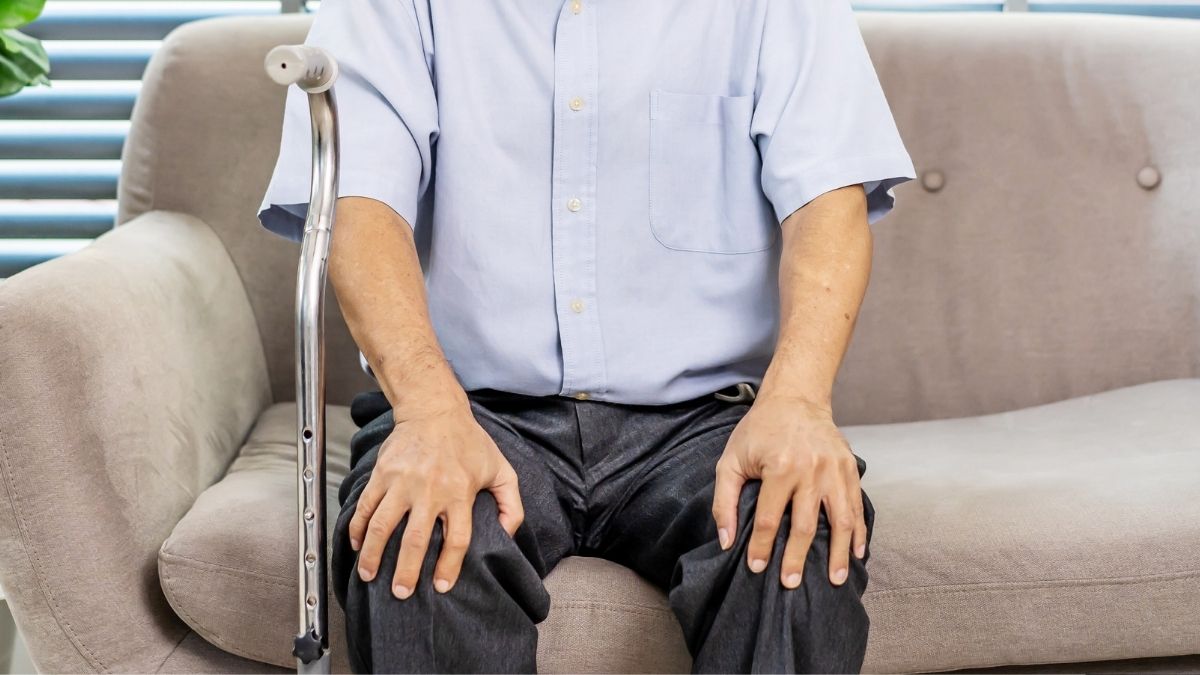
Here is what most people do not realize. After 30 to 60 minutes of sitting, your leg muscles go partially inactive. They are not ready to hold your weight the moment you stand.
Your joints — hips, knees, ankles — get stiff from being still. Your ligaments become less elastic. The American Association of Orthopedic Surgeons confirms that connective tissue between bones stiffens with age, and sitting makes it worse.
Physical therapist Kristin Vinci, PT, DPT (Hinge Health, 2024) says it simply: “If you start moving less, your flexibility and mobility will decrease. It’s use it or lose it.”
Think about the last time you stood up too fast. You felt that head rush. Your vision blurred for a second. You grabbed something nearby. That was your blood pressure dropping.
A 2026 study from Trinity College Dublin found that this blood pressure drop — happening just 60 to 120 seconds after standing — is directly linked to injurious falls in older adults.
And the average person stands up 50 to 60 times per day. That is 50 chances every day for something to go wrong.
3 Tips:
- If you feel dizzy after standing, sit back down immediately and wait 30 seconds before trying again.
- Keep a glass of water nearby — dehydration makes orthostatic hypotension worse.
- Avoid standing up fast right after eating a heavy meal, as blood flow shifts to the stomach.
Point Three: Exercise One and Two — Ankle Circles and Toe Pumps
Your calves are your body’s second heart. Every time they contract, they push blood back up toward your heart from the lower legs. When you sit still for hours, that pump stops working.
Ankle circles restart it.
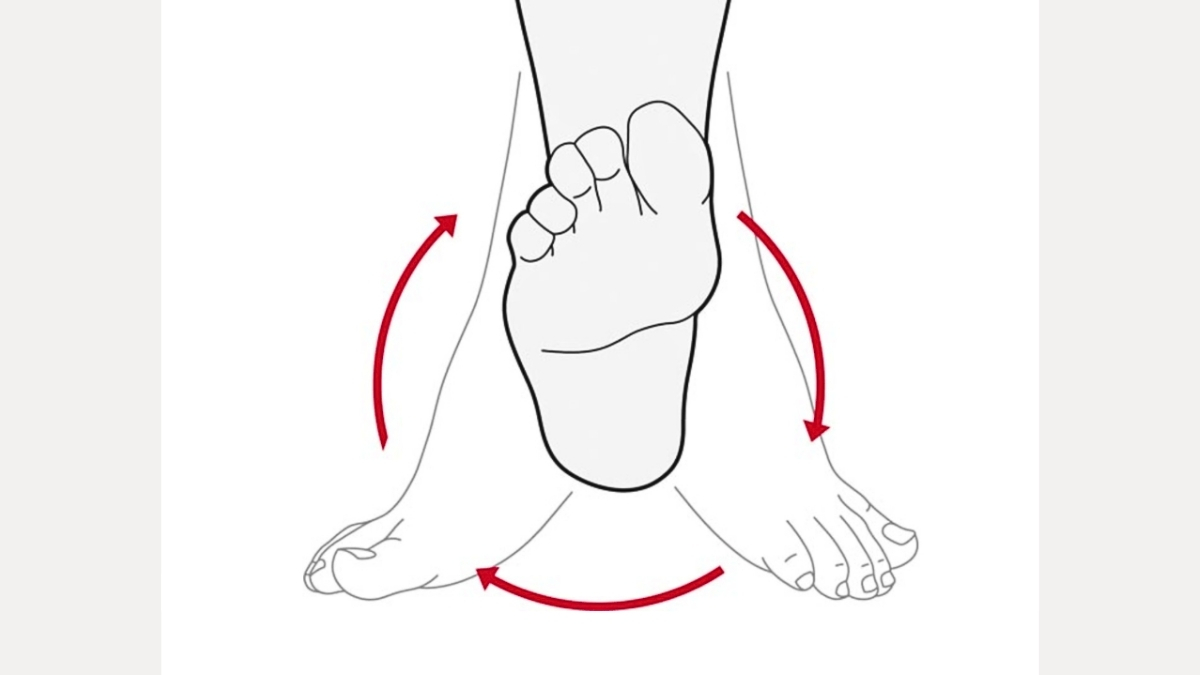
Here is how to do it: Sit upright. Lift one foot slightly off the floor. Slowly rotate your ankle in a full circle — 10 times to the right, 10 times to the left. Then do the same with the other foot.
Now add toe pumps.
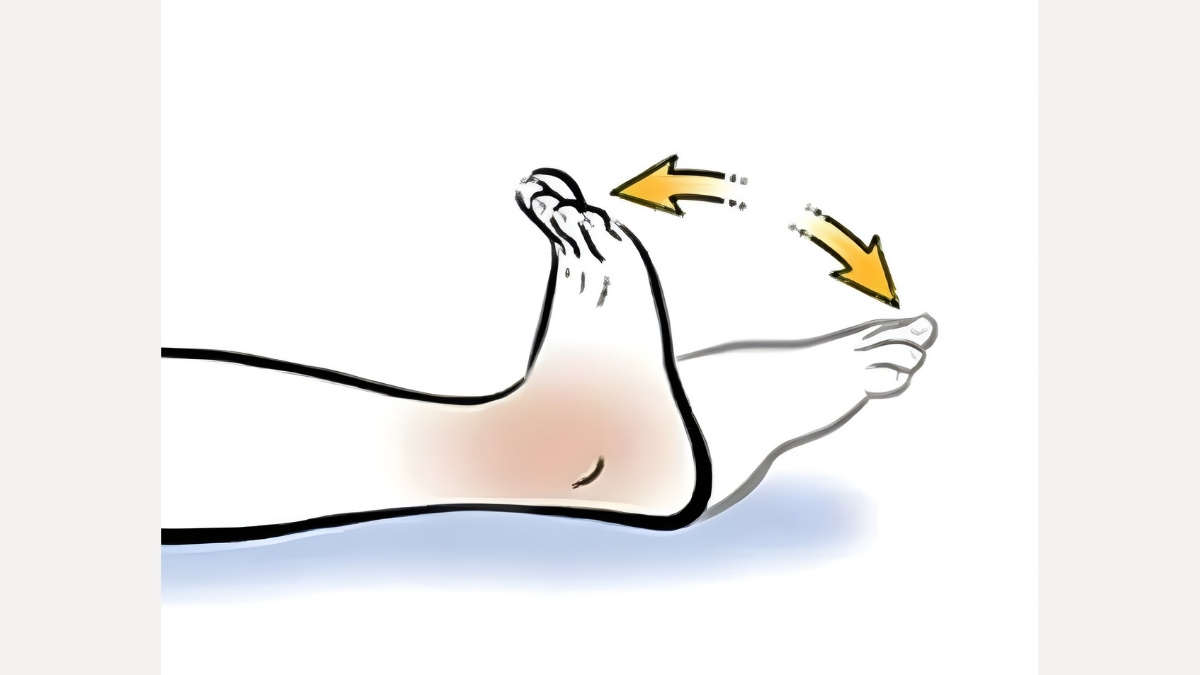
Point your toes down as far as comfortable, then flex them back toward your shin. Do this 10 to 15 times per foot. This forces blood out of the feet and back into circulation.
Mutual of Omaha’s clinical team (September 2025) recommends exactly these two moves before any sitting-to-standing transition. Both can be done in a recliner, wheelchair, dining chair, or car seat.
The whole thing takes under 90 seconds. Keep your back straight. No bouncing. Move slowly and with control.
These moves also reduce the risk of blood clots in people who sit for very long periods.
3 Tips:
- Do ankle circles before getting out of bed in the morning — your legs have been still all night.
- Keep movements smooth and circular, not jerky or fast.
- If your ankles feel painful or swollen, speak to a doctor before starting any foot exercises.
Point Four: Exercise Three and Four — Seated Marches and Knee Lifts
Your quads and hip flexors are the muscles that carry you from sitting to standing. But after long periods of sitting, they go quiet. You need to wake them up before you ask them to do their job.
Seated marches do exactly that.
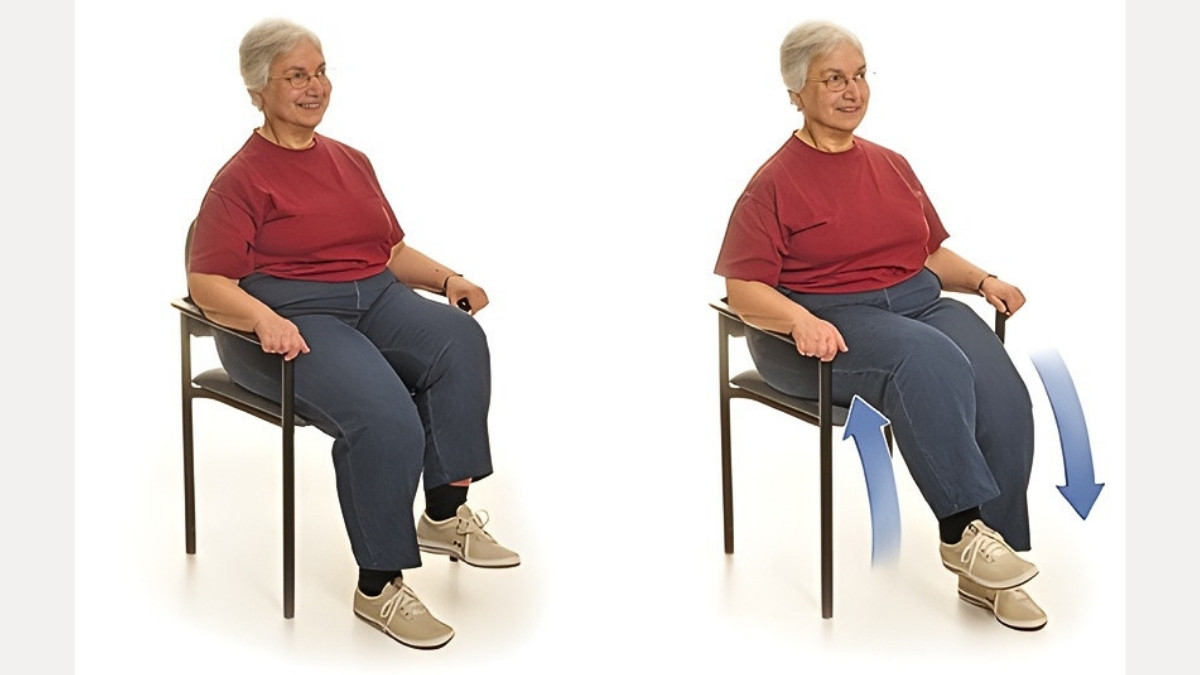
Sit near the front edge of your chair. Keep your back straight and your chest open. Now alternate lifting each knee up — like you are marching in place — without leaving the chair. Aim for 10 lifts per leg, or about 20 to 30 seconds of steady marching. Keep the movement slow and controlled.
ACTS Retirement Communities fitness trainers (December 2025) confirm that seated knee lifts improve lower body strength, coordination, cardiovascular activity, and seated balance — all in one move.
This is not about speed or burning muscles. The goal is to send a signal to your sleeping muscles: “We are about to stand. Get ready.”
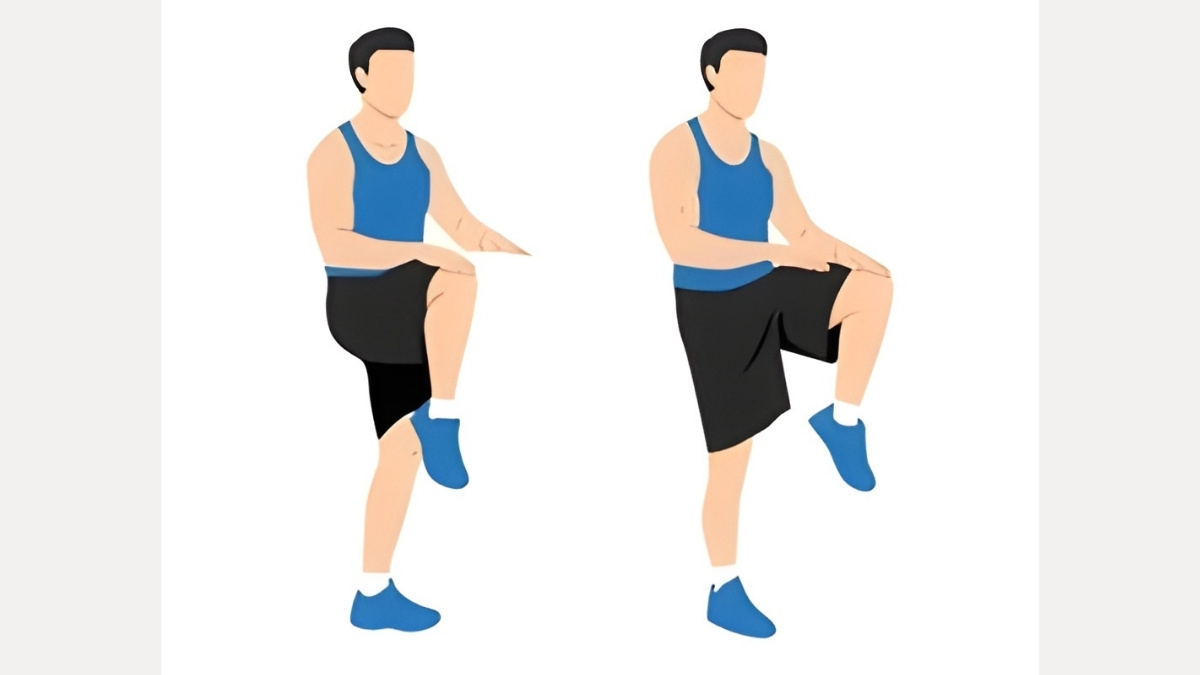
Knee lifts also engage your core. That core support is what keeps you stable the moment your feet hit the floor. This exercise is safe for seniors with arthritis, knee replacements, or limited mobility — the foot only rises a few inches.
3 Tips:
- Sit near the front edge of the chair, not slouched back, so your core can engage properly.
- Count each knee lift out loud — it keeps you focused and prevents rushing.
- If lifting both legs feels hard, start with just 5 lifts per leg and build from there.
Point Five: Exercise Five and Six — Shoulder Rolls and Seated Spinal Twist
After sitting for a long time, your shoulders round forward. Your chest tightens. Your neck stiffens. And your breathing gets shallow.
This matters more than you think. Poor upper body posture shifts your center of gravity. The moment you stand, your balance is already off before you take a single step.
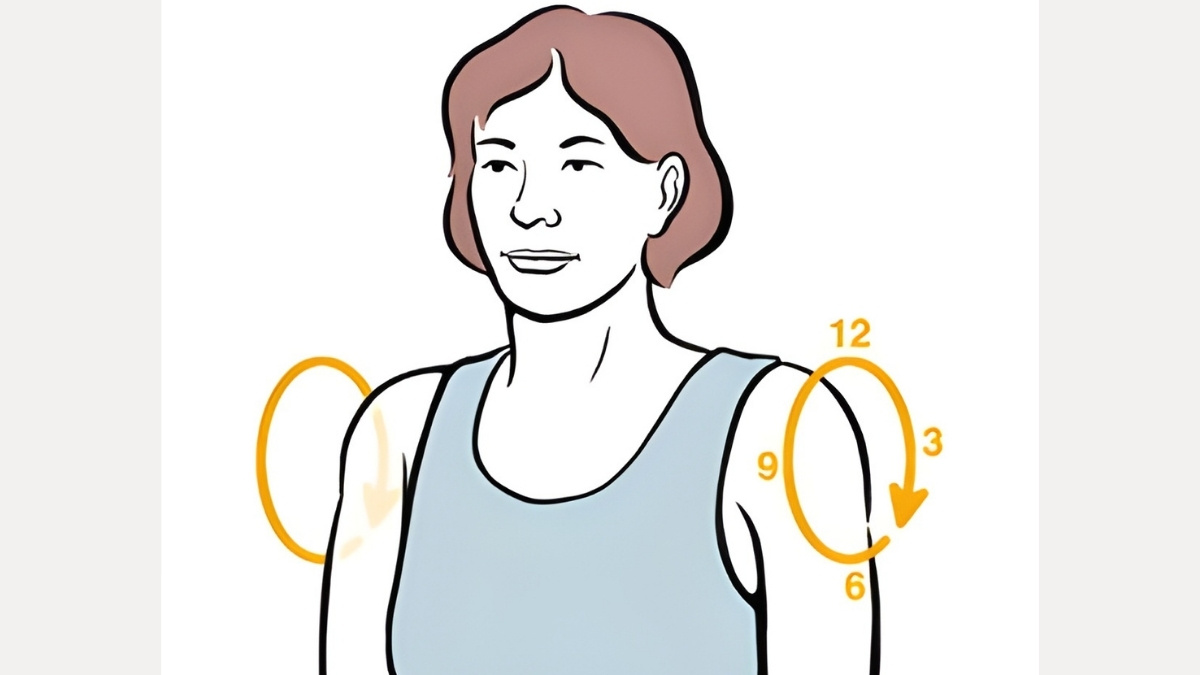
Shoulder rolls fix this fast. Sit tall. Slowly roll both shoulders backward in large circles — 5 to 8 repetitions. You will feel your chest open and your breathing deepen. That alone improves your balance readiness.
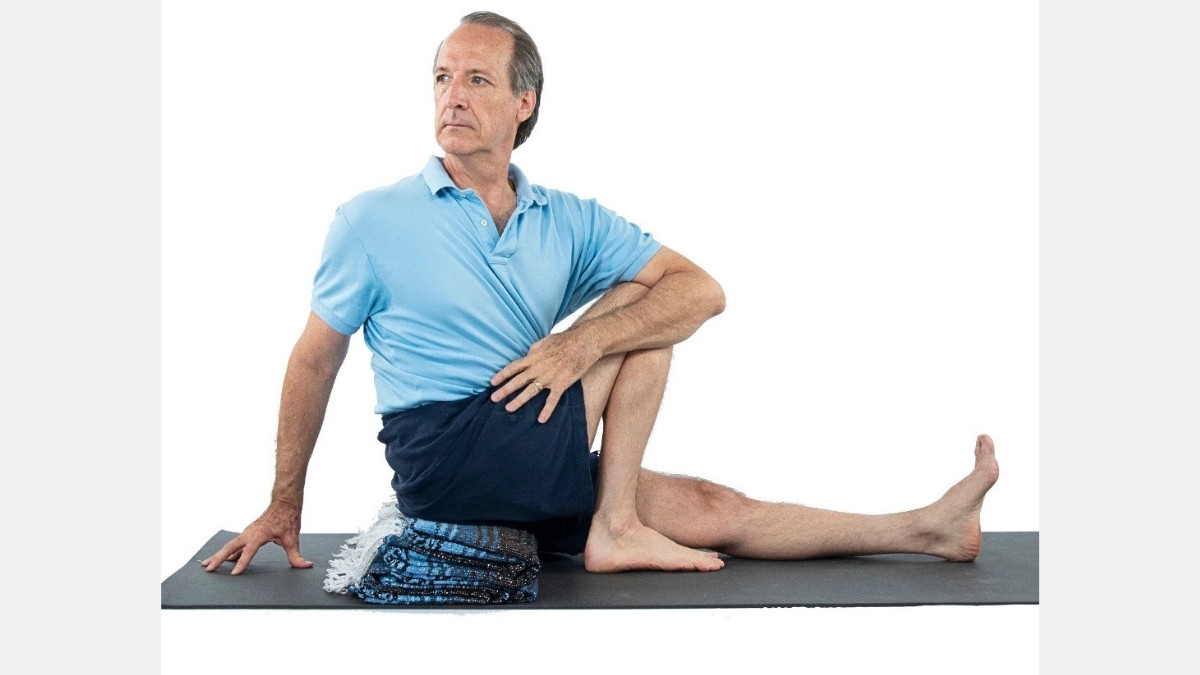
Now add the seated spinal twist. Sit upright. Place your left hand on your right knee. Slowly rotate your torso to the right. Look over your right shoulder. Hold for 20 to 30 seconds. Then switch sides.
Harvard Health (January 2025) recommends chair-based movements like these before any standing transition, noting they build flexibility and endurance while keeping the body stable. Kristin Vinci, PT, DPT (Hinge Health, 2024) adds that age-related stiffness in muscles is reversible — but only if you keep moving.
These two exercises also stimulate your nervous system, which improves body awareness and balance before you stand.
3 Tips:
- Never force the spinal twist — rotate only as far as is comfortable without pain.
- Do shoulder rolls slowly; fast rolls can strain the neck muscles.
- Breathe out as you rotate in the spinal twist — it deepens the stretch naturally.
Point Six: Exercise Seven — Knee-to-Chest Pull and Hip Flexor Release
Your hip flexors are probably the tightest muscles in your body right now. After hours of sitting, they shorten and pull your pelvis forward. When that happens, your balance is compromised the second you stand up.
This one exercise fixes that.
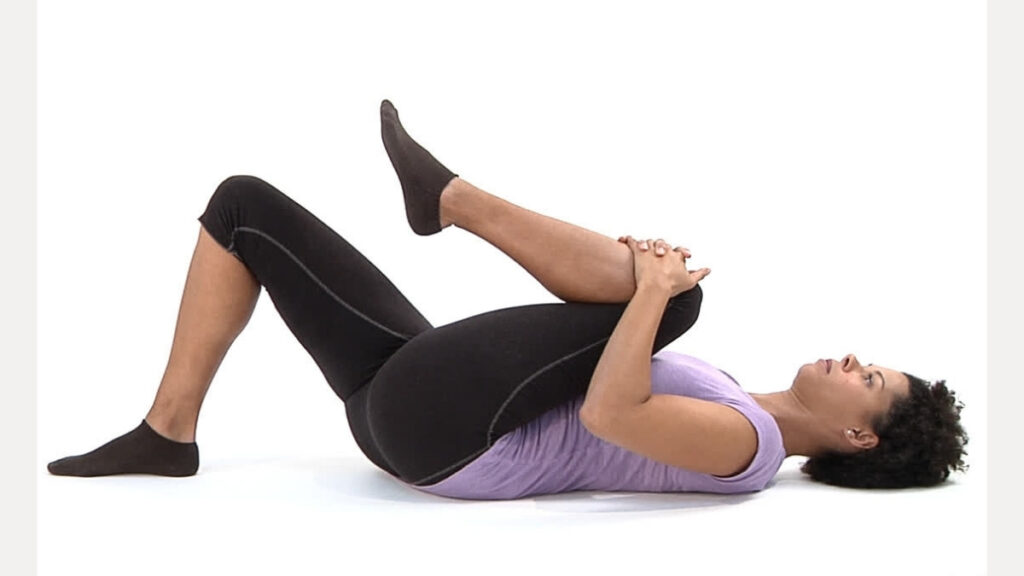
Sit upright in your chair. Grasp your right knee with both hands. Slowly pull it toward your chest. You should feel a gentle stretch in your hip and lower back — not your knee. Hold for 10 to 30 seconds. Lower the leg slowly. Then repeat with your left knee.
One Medical’s clinical blog and SilverSneakers (November 2024) both list this move as essential for seniors. It improves hip and knee joint mobility, loosens the lower back, and stimulates circulation through the hip joint — an area where blood flow stagnates badly during long sitting periods.
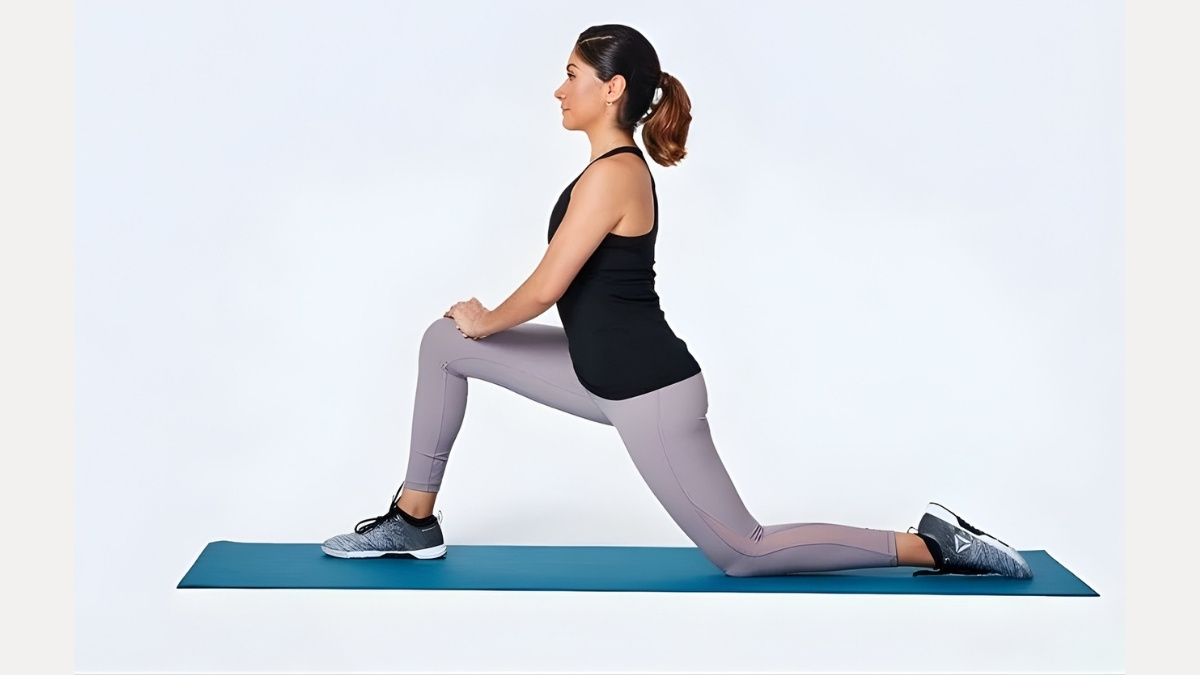
For seniors with hip replacements or arthritis: only raise the knee as far as comfortable. Never force the range. Stop if you feel any sharp pain. Even a small lift and hold provides real benefit.
The AAOS confirms that joints become less flexible the less they are used. This movement directly fights that.
3 Tips:
- Use a gentle grip on the knee — no yanking or pulling hard.
- If you cannot reach your knee comfortably, loop a towel around your thigh and hold the ends.
- Do this stretch on both sides every single time, even if one side feels fine.
Point Seven: How to Make This a Daily Habit in Under 2 Minutes
The Pre-Stand
Routine
The full pre-stand routine — ankle circles, toe pumps, seated marches, knee lifts, shoulder rolls, spinal twist, and knee-to-chest — takes less than 2 minutes when done consistently.
The challenge is not the exercises. The challenge is remembering to do them.
The best solution is habit stacking. You attach the routine to something you already do every day without thinking. Every time the TV goes to a commercial break, do the routine before you get up. Every time a meal ends, do the routine before leaving the table. Every morning before getting out of bed, do it then.
The National Institute on Aging (January 2025) confirms that exercises combining endurance, strength, and balance reduce fall risk in older adults. This pre-stand routine quietly checks all three boxes without a gym, without a trainer, and without a single piece of equipment.
Write a sticky note. Put it on your TV remote or your armrest. “2 minutes before you stand.” That small reminder could prevent a fall that changes everything.
SilverSneakers, Hinge Health, and ACTS Retirement Communities all offer free digital exercise resources for seniors who want to go further.
3 Tips:
- Put a sticky note on your TV remote that says “Do the routine before you stand.”
- Start with just ankle circles and knee lifts if the full routine feels like too much at first.
- Ask a family member or caregiver to do the routine with you — accountability doubles follow-through.
Lastly,
You do not need a gym. You do not need equipment. You need 2 minutes and a chair you already own.
These 7 seated exercises reduce your fall risk, wake up your muscles, and protect your joints — every time you stand up.
Start today. Right now. Before you get up from reading this, do 10 ankle circles on each foot. That is how simple it is.