Am I too old to Build Muscle? What Science says about Sarcopenia and Building Strength Later in Life

At 78, actor Ernie Hudson keeps a body that many 30-year-olds would want. And at 85, people in one study grew their quad muscle by 11% in 12 weeks. If you think you’re too old to build muscle, science has news for you.
Many adults over 50 feel muscle loss creeping in. Your pants fit looser in the legs. Getting up from a chair takes more effort. Carrying groceries feels harder. You may wonder if building muscle after 60 is even possible.
This guide shows you the truth. You’ll learn what sarcopenia is and why muscle loss with age starts earlier than most people think. You’ll see the exact protein and strength training steps older adults need. And you’ll know when to expect real results.
This is your starting point.
CHAPTER 1: The Truth About Muscle Loss
When Muscle Loss Actually Begins (And Why Most People Miss It)
Here’s what shocked researchers at the National Institute on Aging: muscle loss doesn’t wait until you’re elderly. Their Baltimore Longitudinal Study tracked the same people for decades. The results? Your muscles stay strong through your 30s and 40s. Then something changes.
After age 50, you lose nearly 2% of your muscle fibers each year. That sounds small. But it adds up fast.
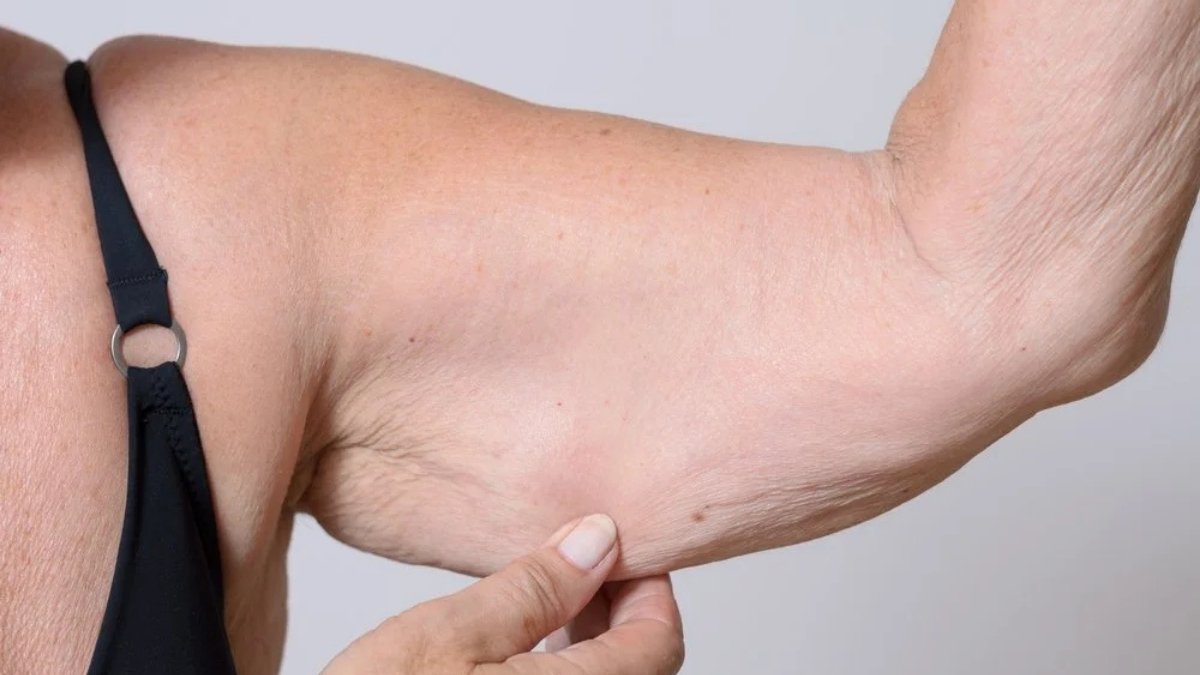
Think of your muscles like a factory. At 30, you have a full workforce of 600,000 muscle fibers working hard. By 50, some workers start retiring. By 80, you’re down to 320,000 workers trying to do the same job. That’s half your staff gone.
And here’s the scary part. Most people don’t notice until it’s too late.
You might struggle carrying groceries up the stairs. Getting out of low chairs becomes harder. Your pants fit looser around your thighs. These aren’t just signs of aging. They’re warning signs of muscle loss with age.
The numbers are worse than you think. Between 10-20% of adults over 60 already have enough muscle loss to meet sarcopenia criteria. After 80? That jumps to over 50%.
Women see the decline speed up after 65. For men, it hits harder after 70. But both face the same truth: muscle decline is associated with a 3-fold reduction in strength and power.
This isn’t just about looking weaker. Losing muscle affects your metabolism. It weakens your bones. It increases your fall risk. It can steal your independence.
But you’re not stuck with this future. And that’s what we need to talk about next.
CHAPTER 2: What Sarcopenia Really Is
Understanding Sarcopenia: The Muscle Disease You Can Reverse
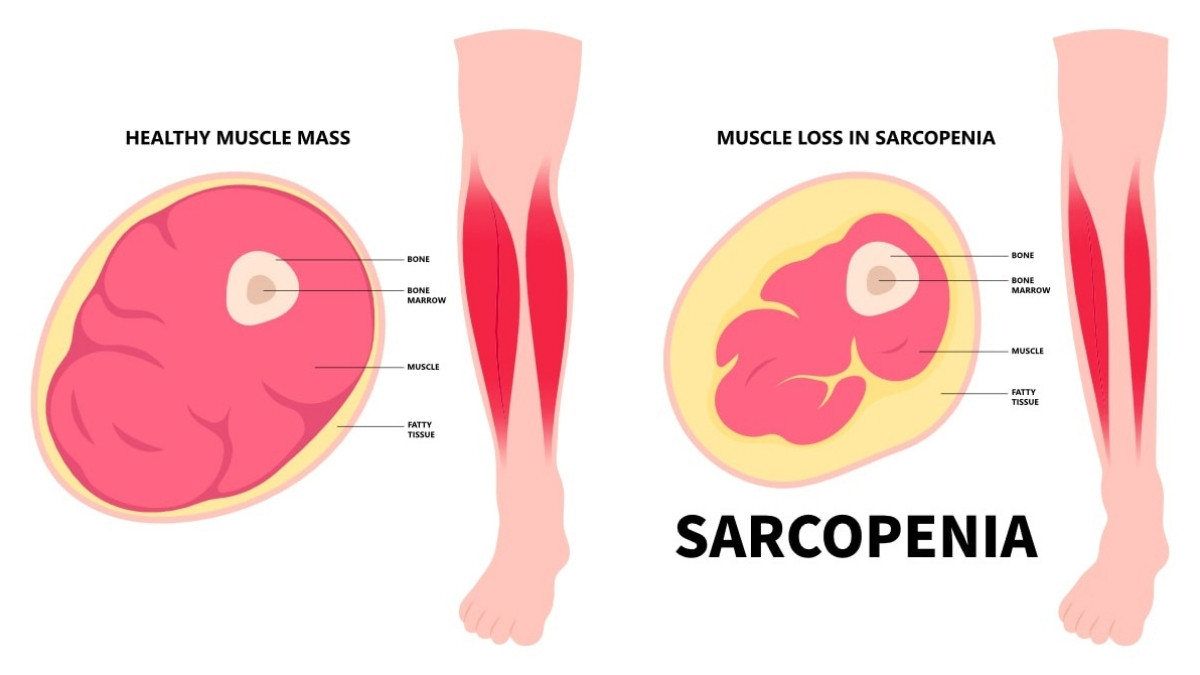
Sarcopenia sounds complicated. But the definition is simple: age-related loss of muscle mass, strength, and function. That’s it.
In 2016, something important happened. The medical world gave sarcopenia an official disease code (ICD-10: M62.84). Why does that matter? Because now doctors take it seriously. Insurance companies recognize it. Researchers study it.
Sarcopenia comes in three types. Primary sarcopenia happens just from aging. Secondary sarcopenia comes from disease or being stuck in bed. The third type? Not eating enough protein. (Remember that one. We’ll fix it later.)
The consequences are real. Nearly half of adults over age 70 have trouble walking, getting up from chairs, or climbing stairs. Sarcopenia increases your risk of falls, fractures, hospitalization, and death.
And here’s a stat that should make you angry: 30% of men and 50% of women over 71 don’t eat enough protein. That’s fixable. Right now.
Think of sarcopenia like high blood pressure. Both are medical conditions. Both respond to treatment. Both get worse if you ignore them. But catch them early? You can turn things around.

This is not your fate. You’re not locked into a future of weakness and dependence. Unlike many diseases that only get worse, sarcopenia is largely reversible with the right steps.
The treatment exists. The science is clear. And it works at any age. Even if you’re 70, 80, or 90.
Your muscles are waiting for you to give them a reason to grow again. Let’s talk about why that’s actually possible.
CHAPTER 3: The Game-Changing Science
Groundbreaking Research: Building Muscle in Your 60s, 70s, 80s and Beyond
The study that changed everything happened in 2024. Researchers took two groups of men in their 70s and 80s. One group: lifelong athletes who trained for decades. The other group: people who never exercised seriously.
Both groups did the same workout program. Scientists took muscle biopsies before and after. They expected the athletes to crush it. The results shocked them: both groups built muscle equally well.
Your machinery for building muscle after 60 doesn’t break down. It just needs the right signal.
Here’s more proof. Researchers trained 85-year-olds for 12 weeks. These folks increased their quad size by 11% after only 12 weeks of training. That’s not maintenance. That’s real growth.
A 2024 Frontiers in Physiology study found that 70-year-old men who lift weights have similar muscle mass to younger men. Not similar “for their age.” Actually similar.
The science is clear now. Age doesn’t impact strength gains until 69 years old. Even 70-year-olds can restore maximal muscle strength to levels of young individuals after just a few weeks of training.
Your body is still ready to respond. The capacity for building muscle after 70 stays strong into your 10th decade of life. You’re not too old. You just need to start.
CHAPTER 4: Why It Gets Harder (But Not Impossible)
Understanding Anabolic Resistance: The Real Challenge Older Adults Face
Let’s be honest. Building muscle after 60 is harder. But not for the reason you think.
Your muscles become “hard of hearing” as you age. Scientists call this anabolic resistance. The signals for muscle growth are still there. Your muscles just don’t hear them as clearly.

Think of it like turning up the volume on your radio. The station is broadcasting. You just need to make it louder.
The numbers tell the story. Older adults require 67% more dietary protein to reach protein synthesis plateaus compared to younger people. Your muscles need a stronger signal to start building.
Research shows a 16% decrease in muscle protein synthesis rates in older adults. That’s why the same meal that builds muscle in a 30-year-old doesn’t work as well for you.
Most older adults need 20-40g of protein per meal versus 20g for younger adults. That’s the volume adjustment you need.
What causes this? Inflammation. Insulin resistance. Reduced activity. Not eating enough protein. All of these make your muscles less responsive.
But here’s the good news: higher protein doses and progressive resistance training overcome this resistance completely. You need to speak louder. But your muscles are still listening.
CHAPTER 5: Protein Requirements for Building Muscle After 60
Building muscle after 60 starts with protein. The usual RDA of 0.8g per kg sounds fine on paper, but it’s too low when your goal is strength. Experts recommend 1.0–1.6g per kg for older adults. This amount helps your muscles grow even when your body isn’t as responsive as it used to be.
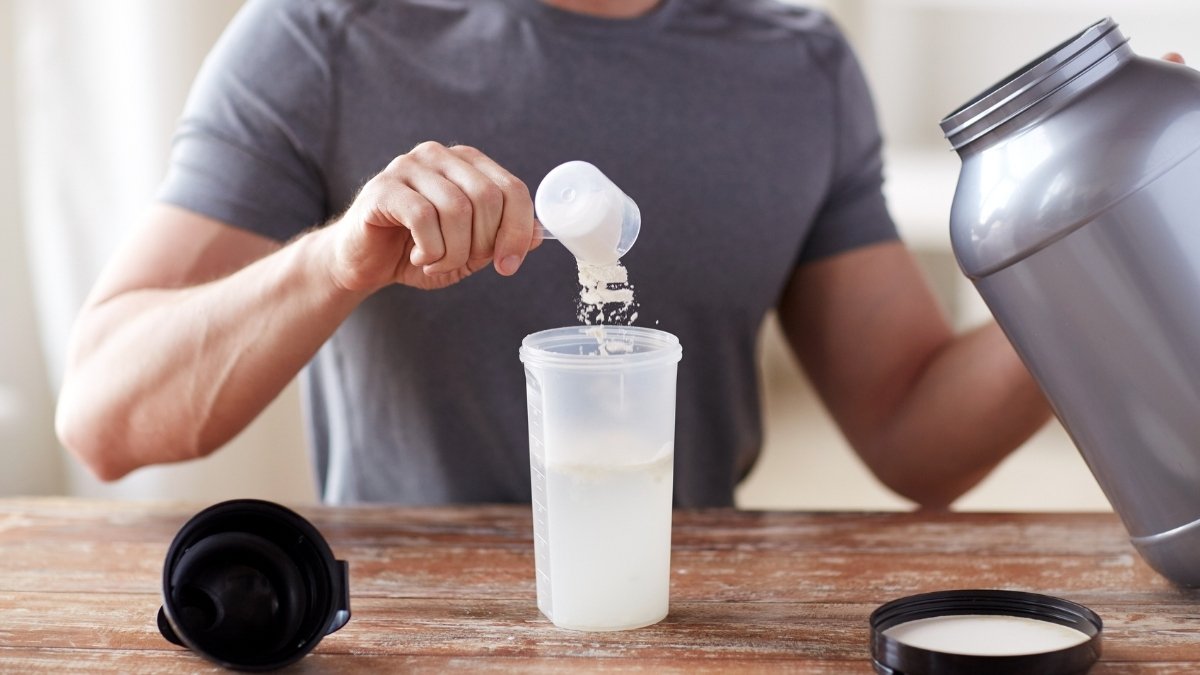
Your body also needs the right amount at each meal. Aim for 25–40g of protein per meal. This helps you reach the 3g leucine trigger that turns on muscle building. Whey protein, chicken, fish, eggs, and dairy hit this target easier than plant foods.
Here’s what this looks like in real life.
A 150-pound person needs 68–110g of protein daily. A 200-pound person needs 91–145g.
Simple meals can get you there:
• 2 eggs + 1 cup milk + 2 slices whole-grain bread = 48g
• 6oz chicken breast + 1 cup quinoa = 52g
If you want the fastest and easiest option, whey protein works well. Research shows it improves muscle mass in older adults, especially when taken after your workout.
Protein isn’t about being perfect. It’s about hitting your numbers most days so your muscles have what they need to grow.
CHAPTER 6: Strength Training That Actually Works After 60
If you’re over 60 and want to build muscle, strength training is the best tool you have. Studies show it can raise strength by 30–40%, and muscle mass can grow 1–2% per month when you stay consistent.

You don’t need heavy weights. You just need to challenge your muscles. This is called progressive overload—slowly making things harder. You can do this by adding reps, adding weight, or moving slower. Even starting with 1 session a week helps people with severe muscle loss. But 2–3 sessions per week is the sweet spot.
Focus on the moves that matter most:
• Squats or chair sits
• Step-ups
• Leg presses or band leg extensions
• Push-ups (wall or counter if needed)
• Rows with bands
• Overhead presses
• Calf raises
• Simple core work like planks or bird dogs
Research in 2025 shows the best results come from mixing strength work with balance and light cardio. This keeps you strong, steady, and able to move without fear.
Strength training doesn’t mean becoming a bodybuilder. It means training your legs so you can climb stairs, training your arms so you can lift groceries, and training your core so you stay steady when you walk.
CHAPTER 7: What to Expect When You Build Muscle After 60
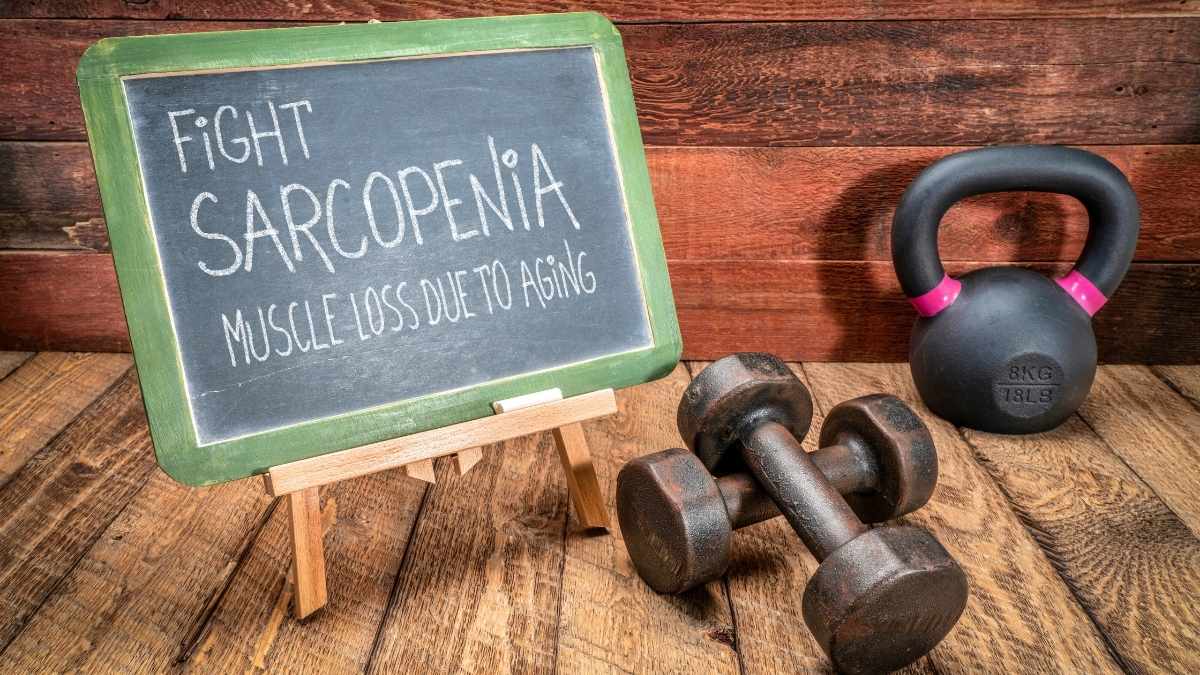
Most people want to know one thing: “When will I see results?” The good news is that progress shows up faster than you think. And here’s how it usually works.
During weeks 1–4, your brain and muscles start working better together. You feel steadier. Your form improves. You notice small strength gains even though your muscles may not look different yet.
By weeks 4–8, strength rises more clearly. Studies show improvements of 30–40% after a few months. You feel more confident getting up from chairs or climbing stairs.
Around weeks 8–12, things become visible. You may see more shape in your legs or arms. This is where 1–2% muscle growth per month starts to add up. In one study, 85-year-olds gained 11% quad size in 12 weeks.
From months 3–6, daily life improves. Your balance is better. You move with less fear. Your strength keeps climbing. A 70-year-old can even restore strength close to younger levels after a few weeks.
After 6 months, you see real change. You reach a steady rhythm and shift into maintenance.
Age changes the speed, but the pattern is the same at 60, 70, or 80. Consistency beats intensity every time.
CHAPTER 8: Your Week 1 Plan to Start Building Muscle
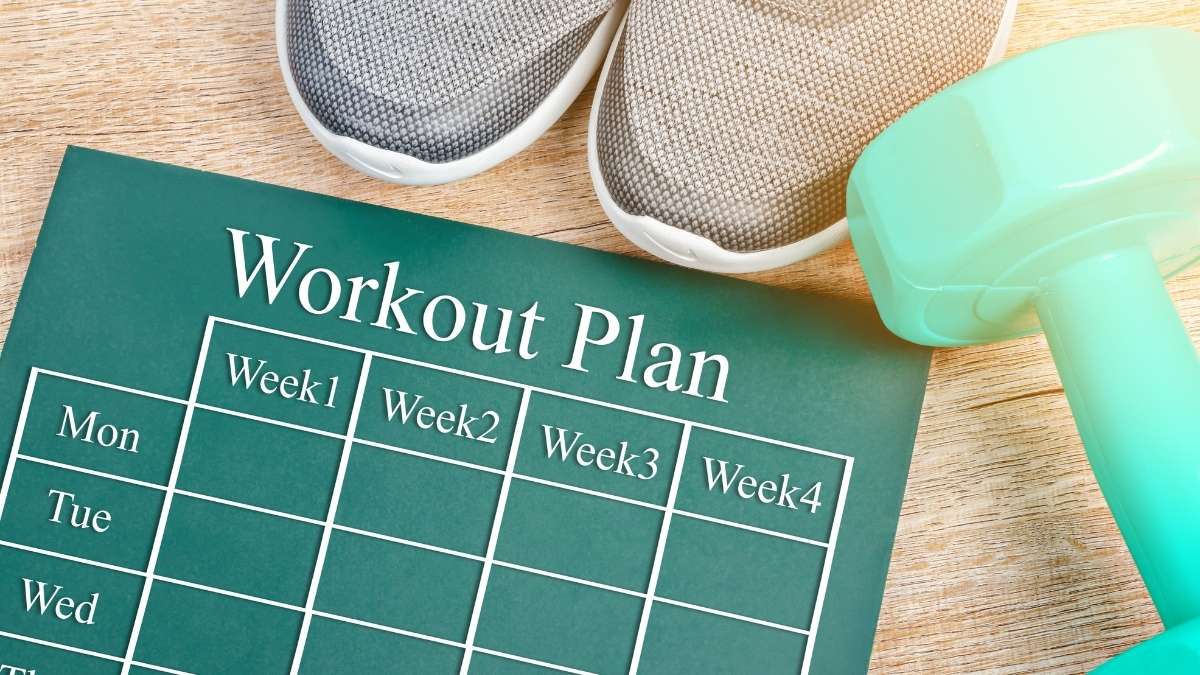
Many people feel stuck before they even begin. So here’s a simple plan to make week one easy.
Start by checking with a doctor if you have health concerns. Then take baseline numbers. Time how long it takes to stand from a chair five times. Take a photo. You’ll use these later to see your progress.
Next, calculate your protein needs:
Body weight in lbs ÷ 2.2 × 1.2 = daily grams of protein.
Pick two training days this week and put them on your calendar.
Your starter workout has six moves:
• Chair sits
• Step-ups
• Band rows
• Push-ups on a wall
• Overhead press with light weights or bands
• Planks or bird dogs
Do a 5-minute warm-up, complete each exercise slowly, and end with a 5-minute cool-down.

Track your workouts in a notebook. Write how many reps you did and how you felt. Even 30–40% effort helps at the beginning. Studies show two sessions a week already bring benefits after 12 weeks.
Shop for simple protein foods: eggs, Greek yogurt, chicken, fish, whey protein.
Raise difficulty when the workout feels easy by adding reps or slowing the pace.
Start small. Start simple. Start this week.
Conclusion:

Muscle loss doesn’t control your future. You can build muscle at any age, and recent studies prove it. Even 85-year-olds grew 11% more muscle in 12 weeks.
When you pair 1.0–1.6g of protein per kg with 2–3 strength sessions weekly, things change fast. Strength shows up in weeks. Visible results show up in months.
You don’t need the perfect plan. You just need to begin.
Your next step is simple: calculate your protein needs, choose two workout days, and take your first baseline test. These small steps build the strength you want at 70, 80, or 90. The body you want starts with the decision you make today.