

At 28 weeks pregnant, Sarah collapsed in her kitchen. Her blood pressure had skyrocketed to dangerous levels, and her baby’s life hung in the balance. The doctors rushed her into emergency surgery.
Sarah had PCOS, but no one told her this changed everything about pregnancy. She thought her biggest worry was getting pregnant in the first place. She was wrong.
Most women with PCOS enter pregnancy blind to the unique dangers they face. These aren’t just minor complications – they’re life-threatening risks for both mother and baby. PCOS pregnancy complications kill women and babies every day.
You’re about to learn the 5 most dangerous PCOS pregnancy complications that doctors often miss. You’ll discover the early warning signs that demand immediate medical attention. Most importantly, you’ll get real prevention strategies that actually work.
This isn’t about scaring you. It’s about saving your life and your baby’s life. Pregnancy with PCOS requires special care from day one, not when problems already started.
You’ll also learn how to build the right healthcare team and what questions to ask. Because when it comes to PCOS pregnancy risks, what you don’t know can kill you.
Understanding PCOS and Pregnancy: Why the Stakes Are Higher
PCOS affects 1 in 10 women who want babies. But here’s what doctors don’t always tell you. Your pregnancy with PCOS carries risks that most women never face.
The problem starts with insulin resistance. Your body can’t handle sugar properly. This creates a chain reaction that puts both you and your baby in danger. Normal prenatal care wasn’t designed for women like you.
The numbers are scary but real. 40% of women with PCOS develop gestational diabetes. Compare that to just 6-9% of other pregnant women. Your odds of dangerous high blood pressure jump to 15-20%. Most women only face a 6-8% risk.
You’re 3 times more likely to lose your baby in the first trimester. These aren’t just statistics. They’re real women who thought everything would be fine. They trusted standard care and paid the price.
Your hormones are already out of balance. Pregnancy makes everything worse. Insulin resistance during pregnancy with PCOS creates the perfect storm. Your body fights against itself while trying to grow a baby.

Standard prenatal visits every month aren’t enough. You need specialized care from day one. Your PCOS pregnancy risks require doctors who know what to watch for. Most don’t.
This isn’t about scaring you. It’s about giving you the truth so you can fight back. Knowledge saves lives. Your life and your baby’s life depend on understanding these PCOS pregnancy risks.
The 5 Silent PCOS Pregnancy Complications That Can Kill
These complications creep up quietly. You might feel fine one day and face a medical emergency the next. Here are the five dangers that threaten every PCOS pregnancy.
Gestational Diabetes – The Hidden Sugar Crisis
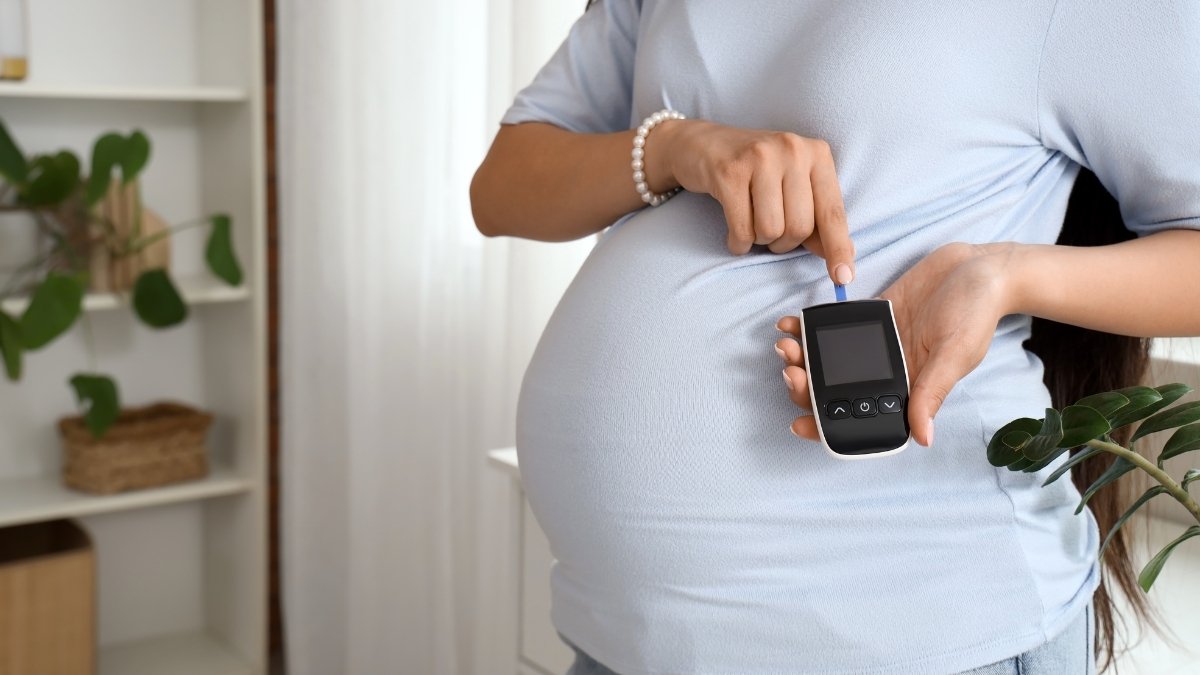
Your blood sugar climbs without warning signs. PCOS insulin resistance makes this 4 times more likely than normal pregnancies. You won’t feel sick or tired at first.
High blood sugar feeds your baby too much glucose. This creates a giant baby that’s hard to deliver safely. Your baby’s organs don’t develop right either.
After birth, your baby’s blood sugar crashes dangerously low. 70% of these babies need NICU care. You also face type 2 diabetes within 10 years.
Preeclampsia – When Blood Pressure Becomes Deadly
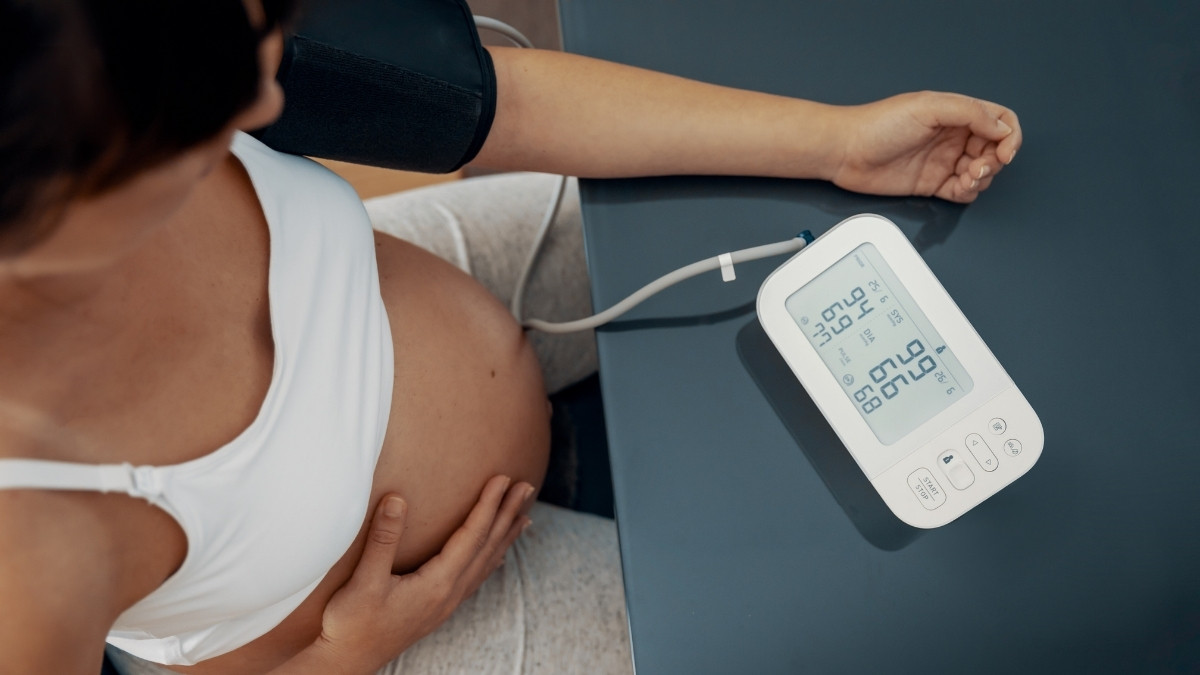
PCOS inflammation triggers this killer condition. Your blood pressure shoots up fast, sometimes in hours. 15% of PCOS mothers develop preeclampsia compared to 5% of other women.
Early signs seem harmless: mild headaches, slight vision changes, small amounts of protein in urine. Then it explodes into seizures, kidney failure, or stroke.
HELLP syndrome is the worst version. Your liver shuts down and blood stops clotting. Without immediate delivery, both you and baby die.
Pregnancy-Induced Hypertension

This isn’t preeclampsia, but it’s just as dangerous. Your PCOS metabolic problems stress your blood vessels during pregnancy. 20% of PCOS pregnancies develop high blood pressure.
High pressure damages your placenta. Your baby stops getting enough oxygen and nutrients. Growth slows down or stops completely.
Placental Complications
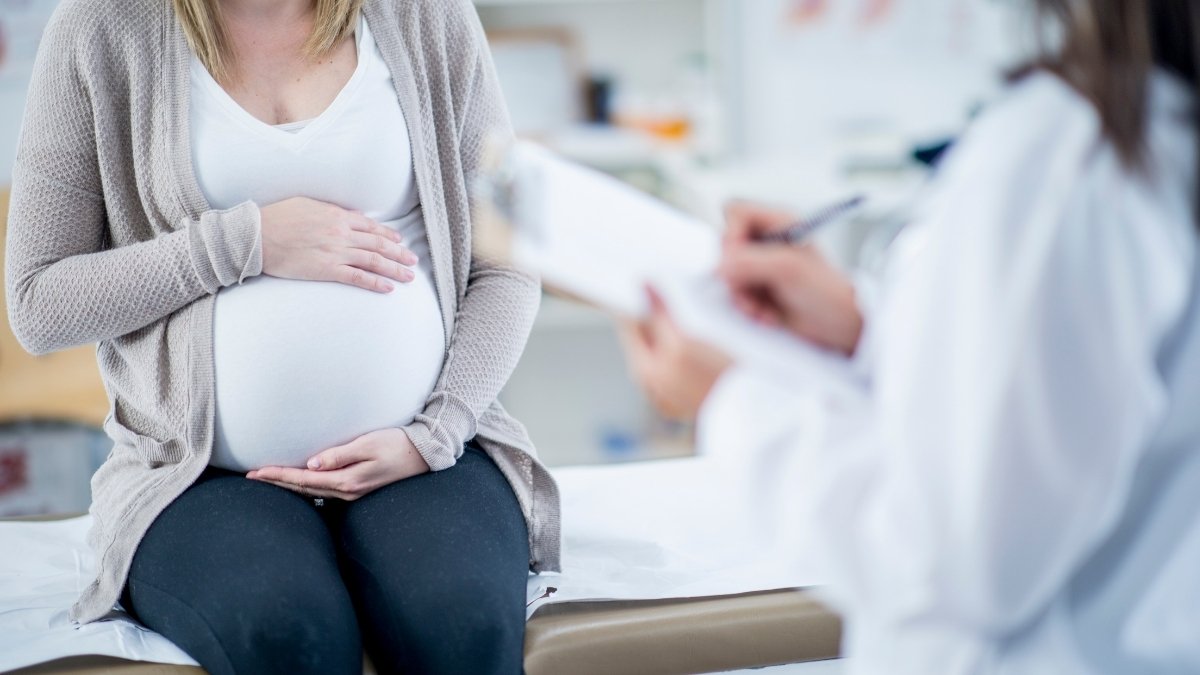
PCOS doubles your risk of placental problems. Poor blood flow and inflammation weaken the placenta’s attachment to your uterus.
Placental abruption means it tears away early. You bleed internally and your baby suffocates. Placenta previa blocks your cervix, causing massive bleeding during delivery.
Preterm Birth and Its Consequences
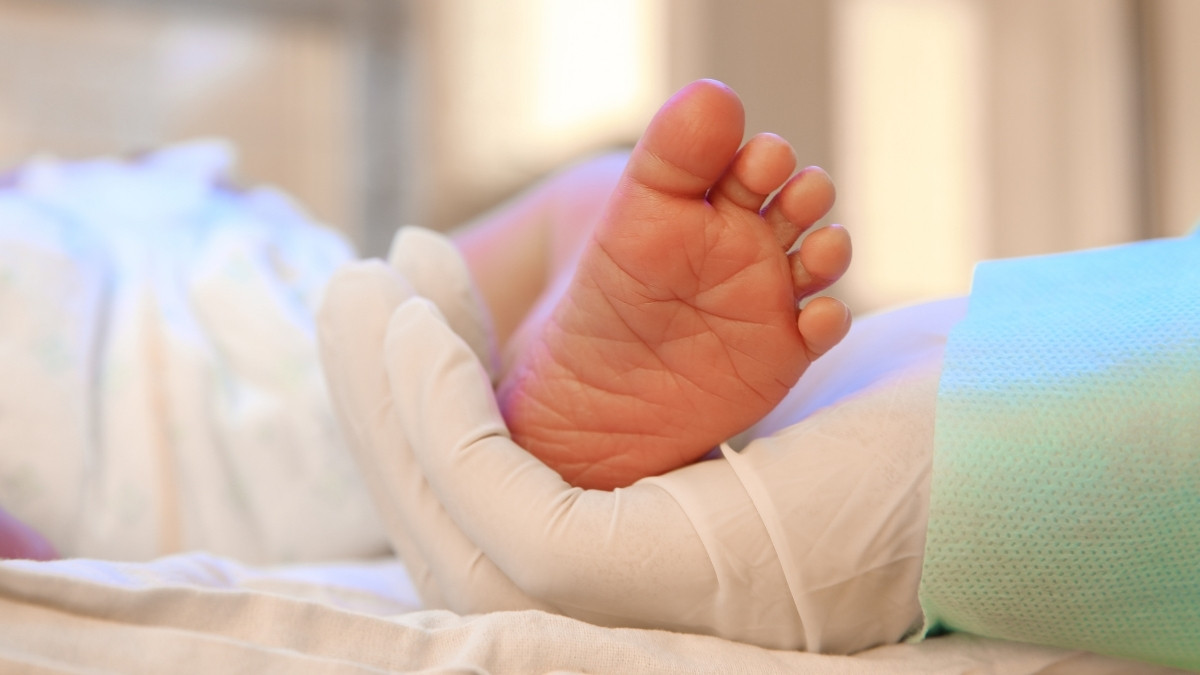
All these PCOS complications trigger early labor. You’re twice as likely to deliver before 37 weeks. Your baby’s lungs, brain, and organs aren’t ready.
Premature babies face breathing problems, feeding issues, and developmental delays. 60% need intensive care. Some effects last a lifetime.
Warning Signs Every PCOS Mother Must Recognize

Your body will send warning signals before things get deadly. The trick is knowing which symptoms mean “call your doctor” and which mean “get to the ER now.”
Blood pressure over 140/90 is your first red flag. Check it at home if you can. Anything higher than 160/110 means drop everything and go to the hospital immediately.
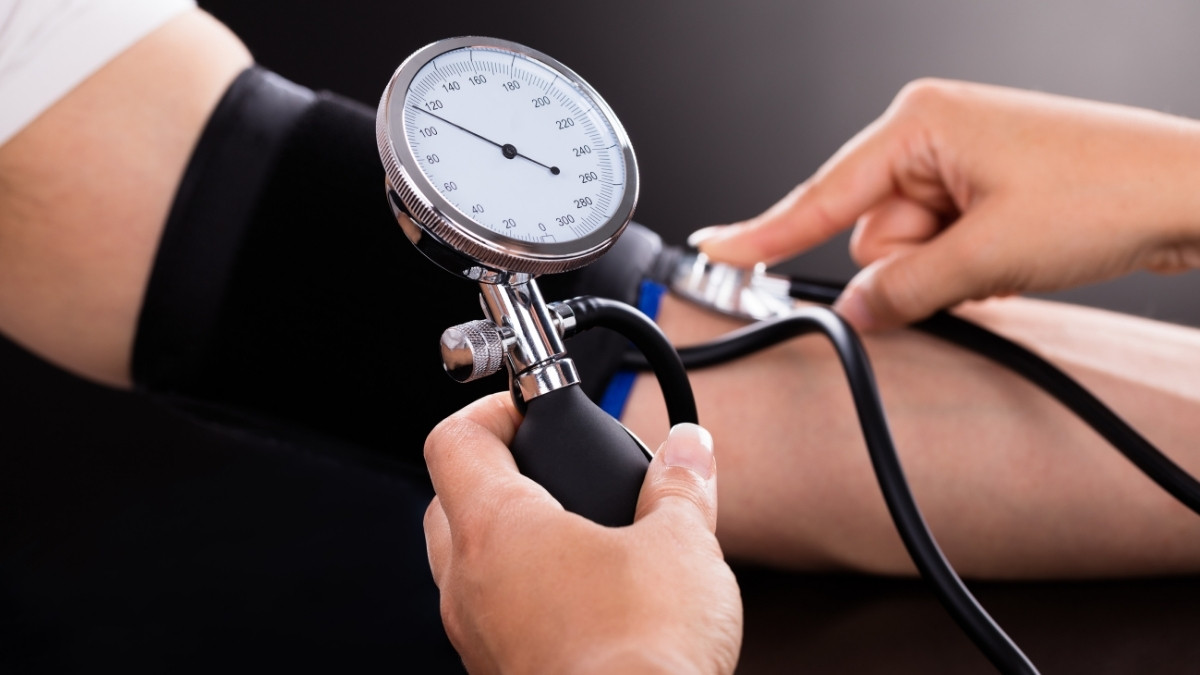
Headaches that feel different from your normal ones are serious. We’re talking about severe pain that won’t go away with rest or medicine. If your vision gets blurry, spotty, or you see flashing lights, that’s an emergency.
Swelling in your face and hands is not normal pregnancy puffiness. Your rings won’t fit. Your face looks puffy when you wake up. This can signal dangerous fluid retention from high blood pressure.
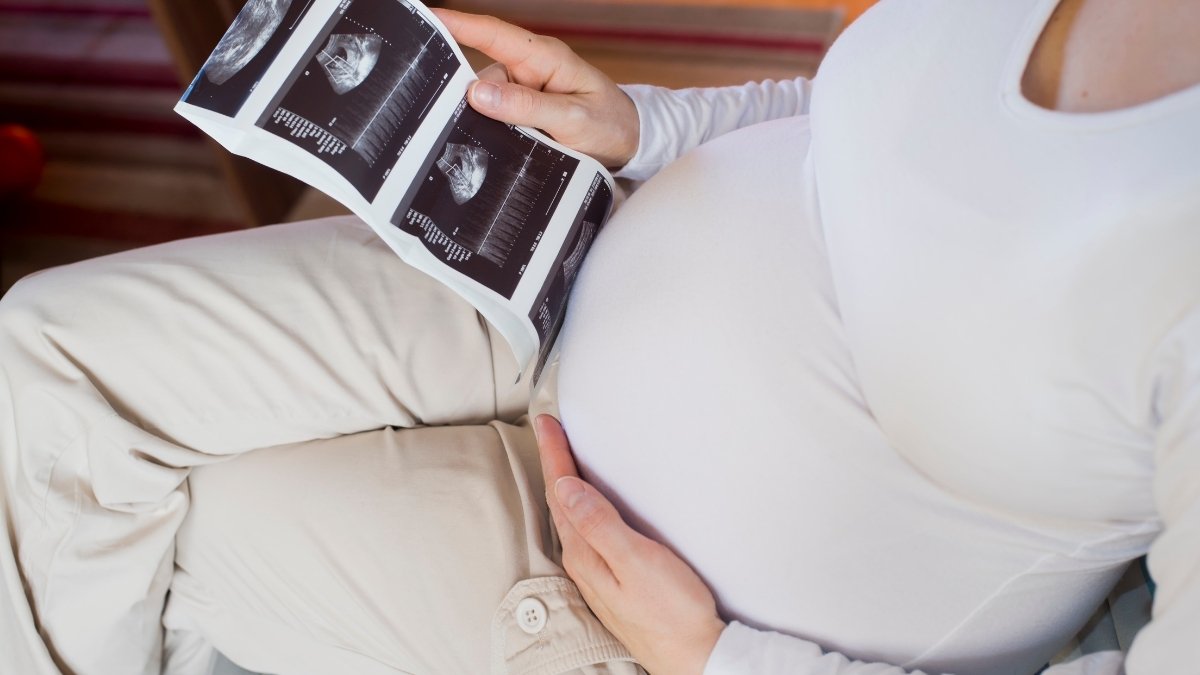
Track your baby’s movement every day after 28 weeks. You should feel at least 10 movements in 2 hours. If your baby suddenly gets very active then very quiet, call your doctor right away.
Sudden severe stomach pain, especially on your right side, could mean liver problems or placental issues. Heavy bleeding or fluid leaking means get help now.
At appointments, ask for your blood pressure numbers, urine protein results, and blood sugar levels. Write them down. Know what’s normal for you so you can spot dangerous changes early.
Call your doctor for persistent headaches, vision changes, or decreased baby movement. Go to the ER for blood pressure over 160/110, severe abdominal pain, heavy bleeding, or if you just feel like something is very wrong.
Final Thought:
Yes, PCOS pregnancy complications are scary. But they don’t have to be your story. Thousands of women with PCOS deliver healthy babies every year.

The difference? They knew the risks and got the right care early. They worked with doctors who understood PCOS, not just pregnancy. They caught warning signs before they became emergencies.
Early recognition of these complications literally saves lives. Your life and your baby’s life. When you know what to watch for, you can act fast.
You need more than a regular OB-GYN. You need a team that includes an endocrinologist, a high-risk pregnancy specialist, and a nutritionist who knows PCOS. This isn’t optional care – it’s essential.

Here’s the truth that gives hope: Most PCOS pregnancy complications can be prevented or managed successfully. But only if you start planning before problems develop.
If you have PCOS and are pregnant or planning pregnancy, don’t wait – speak with a specialist today. Every day you delay increases your risk. Your baby deserves the best start possible.
Remember, pregnancy with PCOS requires extra vigilance, but it absolutely can end with you holding a healthy baby. Take action now.