

At 85, Dr. Patricia Williams deadlifts 135 pounds, speaks three languages fluently, and runs a consulting business. Most people her age struggle to climb stairs. What makes the difference?
You probably think your daily 30-minute walk protects you from aging. You hit 10,000 steps, feel good about staying active, and assume you’re doing everything right for healthy aging.
Here’s the problem. Your walk is just one piece of the puzzle.
New research on “super-agers”—people who maintain sharp minds and strong bodies past 80—shows they don’t just walk more. They use a specific super ager exercise approach that challenges their body and brain in four different ways.
Most people focus on duration. Super-agers focus on variety and intensity. They do brain health exercises seniors rarely try, and they practice cognitive aging prevention through movement patterns that force their nervous system to adapt.
The difference isn’t genetics or luck. It’s strategy.

Dr. Williams doesn’t just walk around the block. She lifts weights, does balance training, and practices complex movements that make her brain work while her body moves. These four pillars of super-ager fitness keep her decades younger than her calendar age.
In this article, you’ll learn the complete framework that separates super-agers from everyone else. We’ll show you exactly what to add to your current routine and how to do it safely. Your daily walk can stay—it’s the foundation. But you need the other three pillars to build a super-ager body and brain.
Ready to age like Dr. Williams instead of settling for “normal” decline?
What Science Reveals About Super-Agers

At 87, Barbara Williams plays tennis twice a week and remembers where she put her keys. Her brain scans look like those of a 50-year-old. Most people call this luck.
Scientists call it super aging.
Northwestern University researchers studied people like Barbara for over a decade. They found something shocking. Super-agers don’t just live longer—their brains age differently.
Super-agers have brain thickness similar to people 20 to 30 years younger. Normal aging shrinks the brain’s outer layer by 2.24% each year. Super-agers? Their brains shrink at just 1.06% per year.
Only 10% of people over 80 qualify as super-agers. The rest face memory problems and physical decline. What separates these groups isn’t just genetics.
It’s how they exercise.
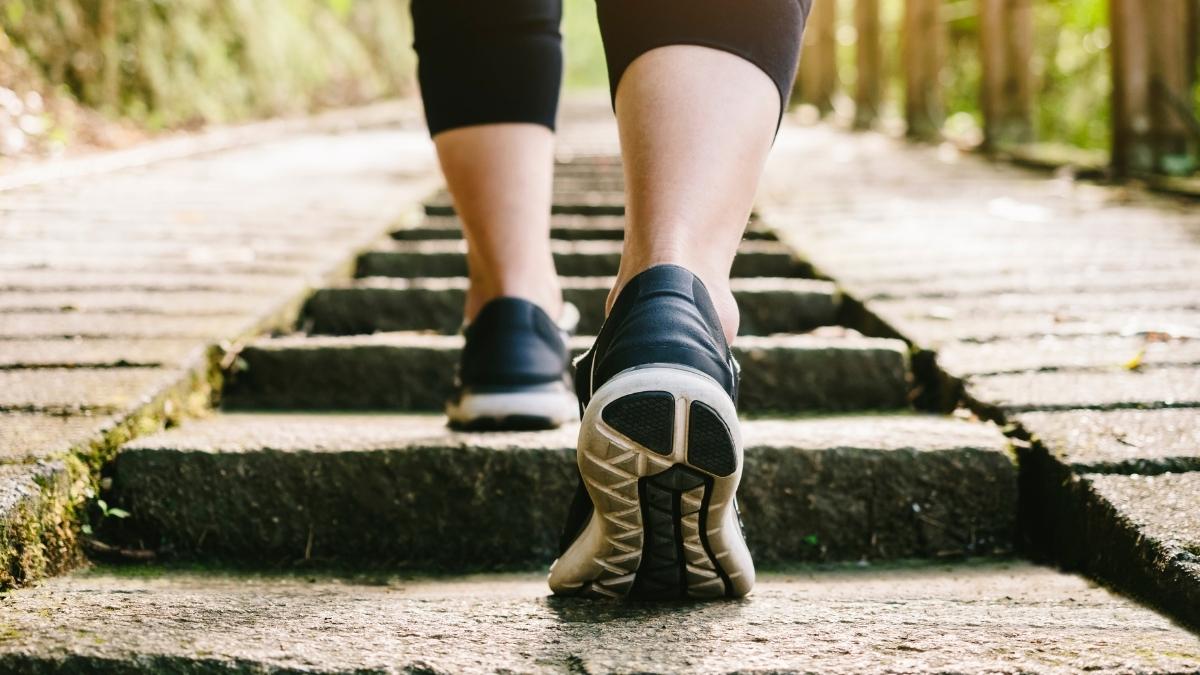
You might think your daily 10,000 steps put you on the super-ager path. Research shows that 150 minutes of moderate exercise per week isn’t enough for super aging. Super-agers use super ager exercise that challenges both body and brain.
Barbara doesn’t just walk around the block. She plays competitive tennis and lifts weights twice a week. Robert Chen, 83, deadlifts 200 pounds and does high-intensity bike intervals.
Brain scans show why this matters. Super-agers have thicker cortex in areas that control memory and attention. These brain regions light up during challenging exercise—not during easy walks.
Your daily walk is a great start. But super aging requires the missing pieces we’ll show you next.
The 4-Pillar Super-Ager Exercise Framewor
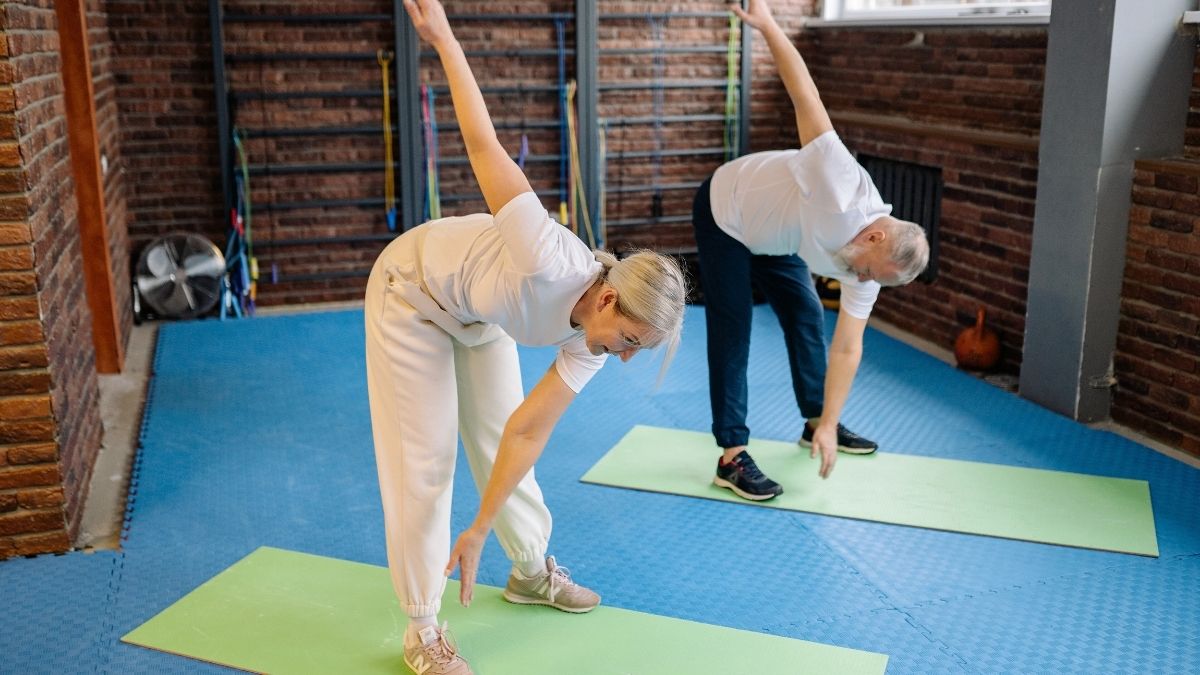
Your daily walk covers only one piece of the super aging puzzle. Real super-agers use four types of exercise that work together. Each pillar protects your brain and body in different ways.
Here’s what super ager exercise really looks like.
Pillar 1: High-Intensity Intervals
Short bursts of hard work followed by rest. Think 30 seconds of fast walking, then 90 seconds slow. HIIT improves your heart’s power by 15% compared to just 5% from steady cardio.

This type of training forces your heart to work harder than it ever does during your daily walk. Your cardiovascular system adapts by becoming stronger and more efficient.
Example: Walk fast for 30 seconds, then slow for 90 seconds. Repeat 6 times. Start with just 2 rounds if you’re new to this.
Pillar 2: Progressive Resistance Training
Lifting weights or using your body weight against gravity. This keeps your muscles and bones strong. Resistance training increases BDNF (your brain’s growth factor) by 200%.

Your brain produces more growth chemicals when you challenge your muscles. This is why super-agers who lift weights have sharper memories than those who only do cardio.
Example: Bodyweight squats, wall push-ups, or lifting soup cans. Start with 8-12 reps, add more when it gets easy. Progress by adding weight or reps every week.
Pillar 3: Complex Movement Patterns
Movements that make your brain work while your body moves. These brain health exercises seniors need activate 40% more brain regions than simple movements. They prevent cognitive aging.
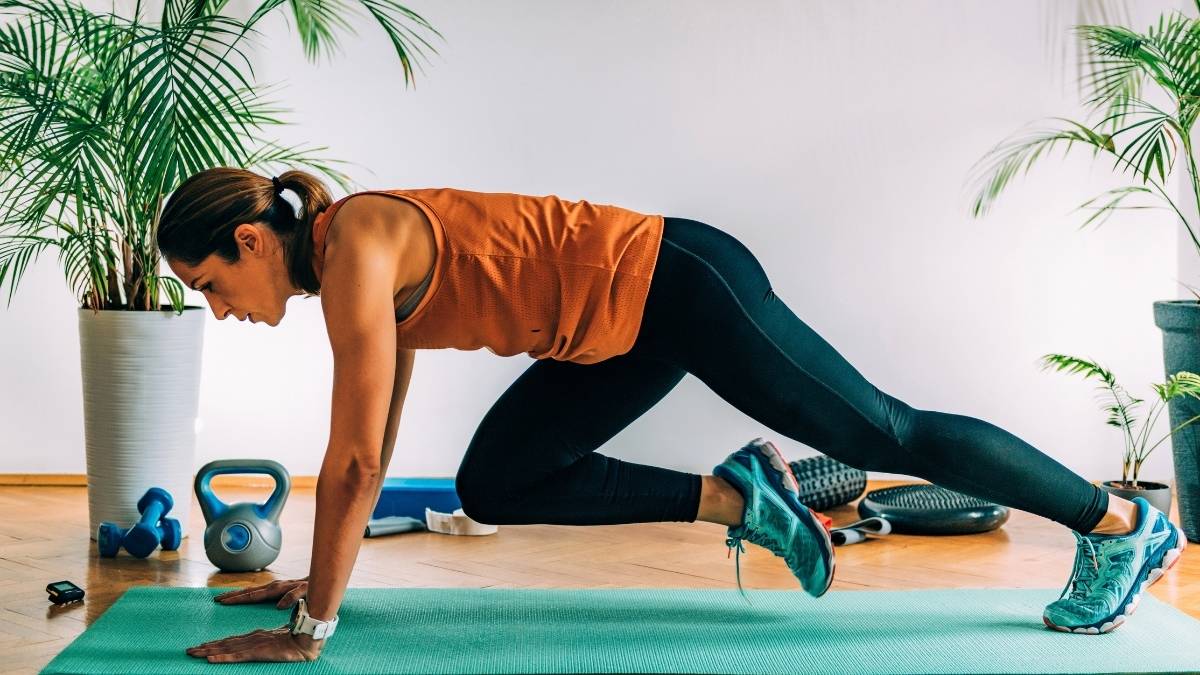
When you combine physical movement with mental tasks, your brain builds new connections. This is the secret to maintaining sharp thinking as you age.
Example: Walk while counting backwards from 100 by 7s. Or try tai chi movements. Dance to music you’ve never heard before.
Pillar 4: Balance and Proprioception Training
Exercises that challenge your stability and body awareness. They prevent falls and keep your nervous system sharp. Balance training also improves confidence in daily activities.

Your inner ear and nervous system need practice to stay coordinated. Without challenge, these systems weaken and increase fall risk dramatically after age 65.
Example: Stand on one foot for 30 seconds. Walk heel-to-toe in a straight line. Close your eyes to make it harder.
Each pillar needs just 15-20 minutes twice a week. You can combine them in one workout or spread them across different days. The key is doing all four consistently to get the complete super-ager benefit.
High-Intensity Training for Super-Agers (Safe & Effective)
“High-intensity” sounds scary when you’re over 50. But it doesn’t mean sprinting like a 20-year-old. For you, high-intensity means working at 7 out of 10 effort—breathing hard but still able to speak a few words.
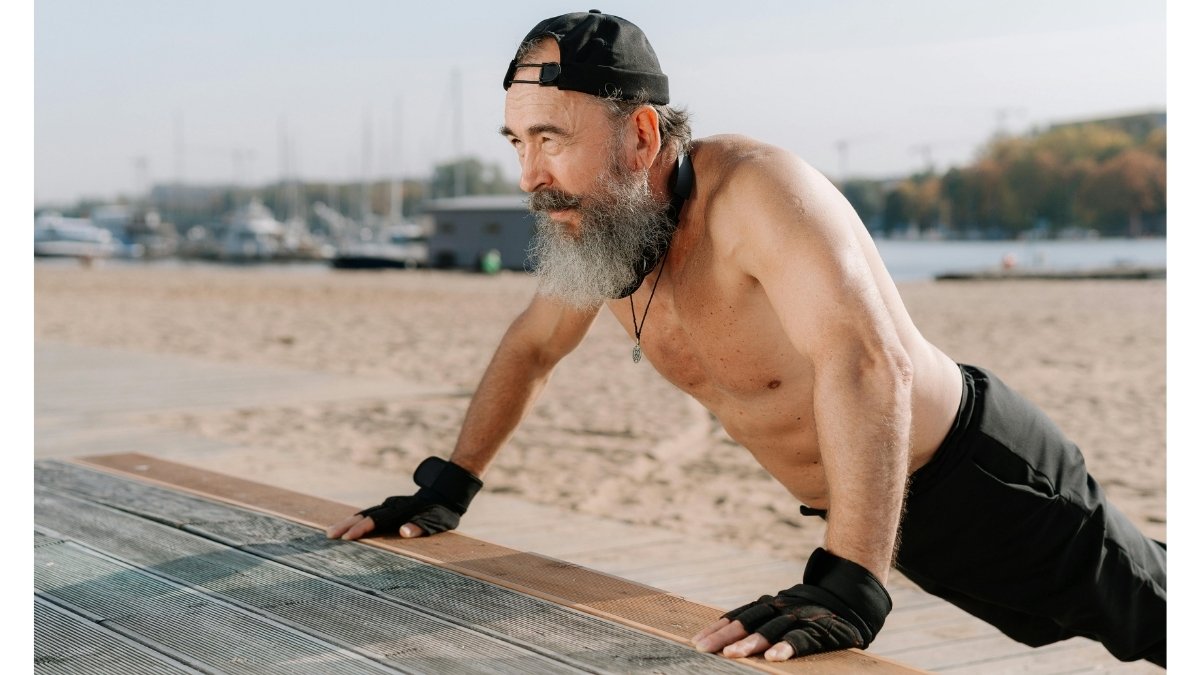
This super ager exercise approach transforms your body fast. HIIT sessions need only 15-20 minutes, twice weekly, yet improve insulin sensitivity by 23% in 8 weeks.
The 4-3-2-1 Beginner Protocol Start with 4 minutes easy pace, 3 minutes moderate, 2 minutes hard, 1 minute very hard. Rest 2 minutes between rounds. Do this once, then build up to 2-3 rounds over 4 weeks.
Check with your doctor first, especially if you have heart problems. Use a simple 1-10 scale where 1 is sitting still and 10 is all-out effort. Your “hard” should feel like 7-8.
3 Equipment-Free HIIT Routines:

Routine 1: Walking Intervals Walk normally 2 minutes, brisk walk 1 minute, fast walk 30 seconds. Repeat 4 times. Total time: 14 minutes.
Routine 2: Stair Climbing Walk up stairs normally, then fast. Walk down slowly to recover. Repeat 8-10 times.
Routine 3: Chair Exercise Sit and stand from chair 10 times fast, rest 1 minute. Do marching in place 30 seconds fast, rest 1 minute. Repeat 3 rounds.
Research shows this cognitive aging prevention method reduces biological age markers by 9 years. Your body will feel decades younger.
Complex Movement Patterns That Build Super-Ager Brains
Your brain craves challenge. Walking the same path every day puts your mind on autopilot. Complex movements force your brain to pay attention and create new connections.
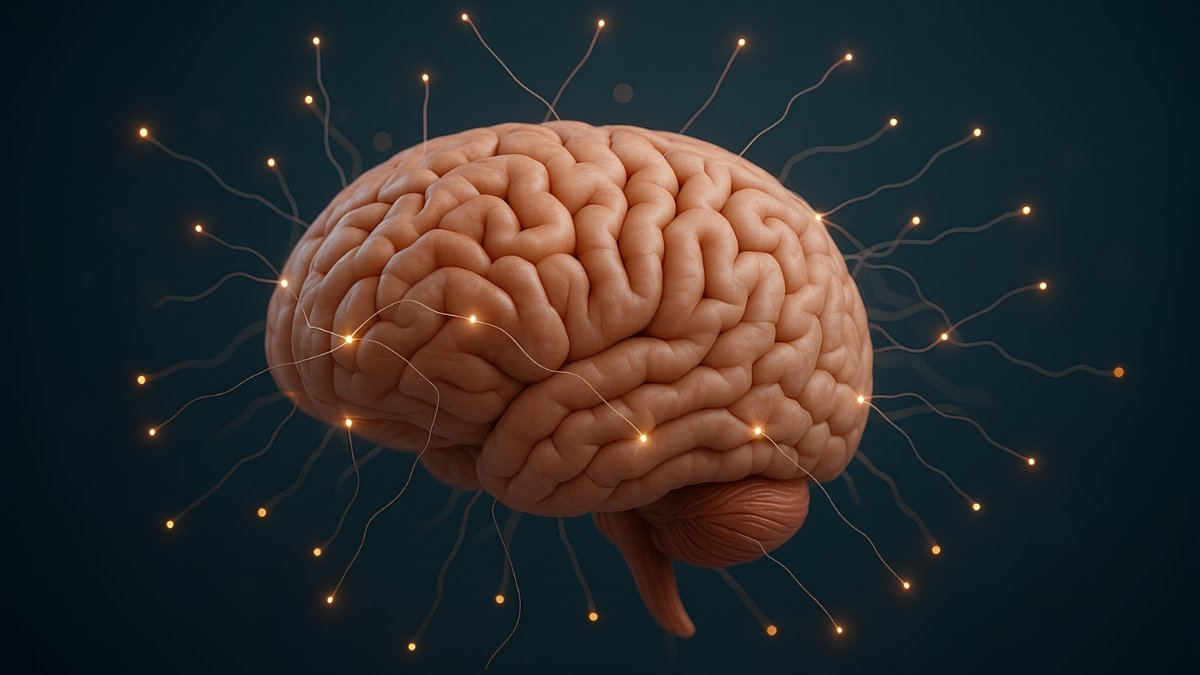
Complex movement means doing two things at once or moving in patterns your body isn’t used to. Think dancing, playing catch, or walking while solving math problems. These brain health exercises seniors need increase neuroplasticity by 30%.
What Makes Movement Complex? Your movement is complex when it combines physical action with mental work. Dual-task training like this reduces dementia risk by 38%. Your brain has to coordinate multiple systems at once.
Learning new movements grows gray matter in your brain. This is why super ager exercise includes activities that challenge coordination, timing, and decision-making all together.
10 Complex Movement Exercises:

Beginner Level:
- Walk while counting backwards from 50 by 3s
- March in place while spelling your name backwards
- Toss a ball from hand to hand while standing on one foot
Intermediate Level: 4. Dance to music you’ve never heard before 5. Walk sideways while bouncing a ball 6. Do arm circles while walking heel-to-toe
Advanced Level: 7. Juggle two tennis balls (or try with scarves first) 8. Practice tai chi forms with eyes closed 9. Play catch while standing on a balance pad 10. Draw shapes in the air with your foot while sitting
Start with 5 minutes of any complex movement daily. Change the pattern every week to keep your brain guessing. The key is cognitive aging prevention through constant learning and adaptation.
Conclusion:

Your daily walk is valuable. It builds your heart health, improves your mood, and keeps you moving. But walking represents only 25% of what super-agers do to stay young.
The complete super ager exercise framework covers four areas your walk can’t touch. High-intensity intervals push your cardiovascular system harder than steady walking ever will. Resistance training preserves the muscle and bone mass that walking alone can’t protect.
Complex movements challenge your brain while your body works. Balance training prevents the falls that end independence for millions of seniors. These brain health exercises seniors need work together to create the super-ager advantage.
You don’t need to do everything at once. Start small this week. Add 2-minute high-intensity intervals to your current walk—30 seconds fast, 90 seconds normal, repeat twice. Or try 10 bodyweight squats after your walk.

Practice standing on one foot for 30 seconds while brushing your teeth. Walk while counting backwards from 50 by threes. These tiny additions start building your super-ager foundation immediately.
Track what you do each day. Write it down or use your phone. When something gets easy, make it harder or try something new. Your brain and body need constant challenges to stay young.
Remember Dr. Patricia Williams deadlifting at 85? She didn’t start there overnight. She built her super-ager fitness one small step at a time, just like you can.