
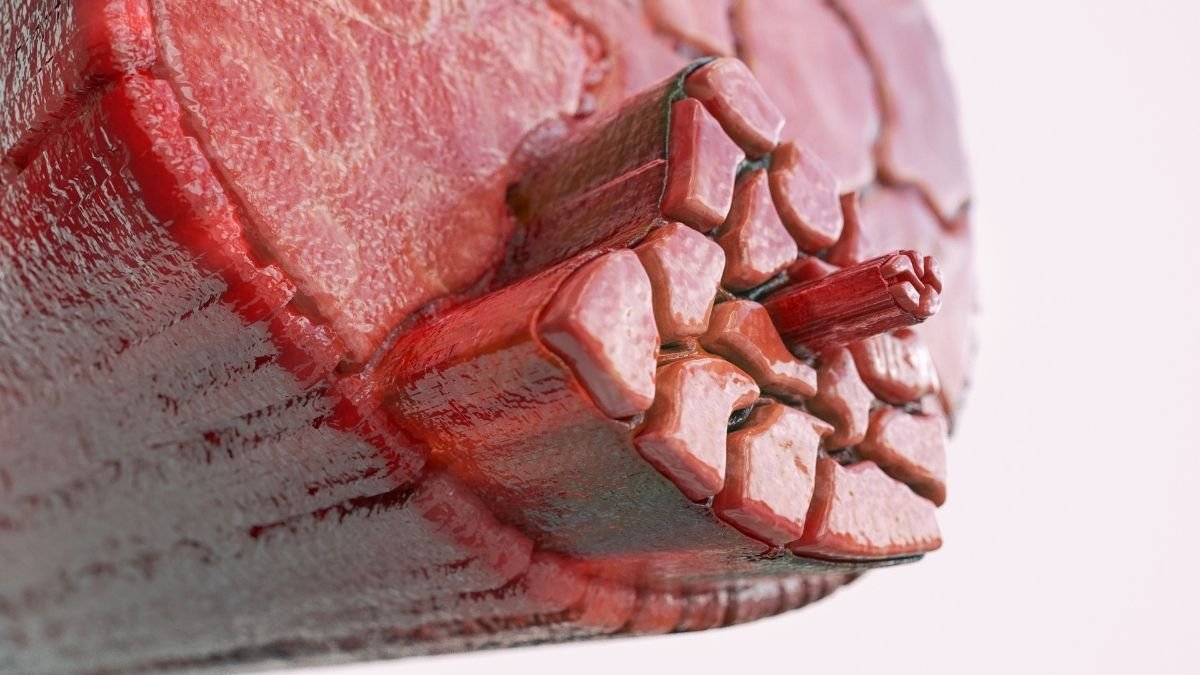
You are losing muscle right now, and no pill is going to hand it back. After age 30, healthy adults lose 3% to 8% of their muscle mass per decade, and the decline speeds up after 60. canadianfoodfocus
That slow leak is what turns “I’ll just grab it myself” into “I need help getting up.” Muscle loss raises the odds of falls and injuries and is one of the biggest contributors to disability in older adults. canadianfoodfocus
Researchers keep finding the same thing. Of everything you can do to protect your future self, building muscle may be the cheapest and most powerful, and it takes less time than you think.
Before making any changes based on this article, talk to your doctor, especially if you take medication or have a diagnosed condition.
Why Muscle Works Like an Anti Aging Drug
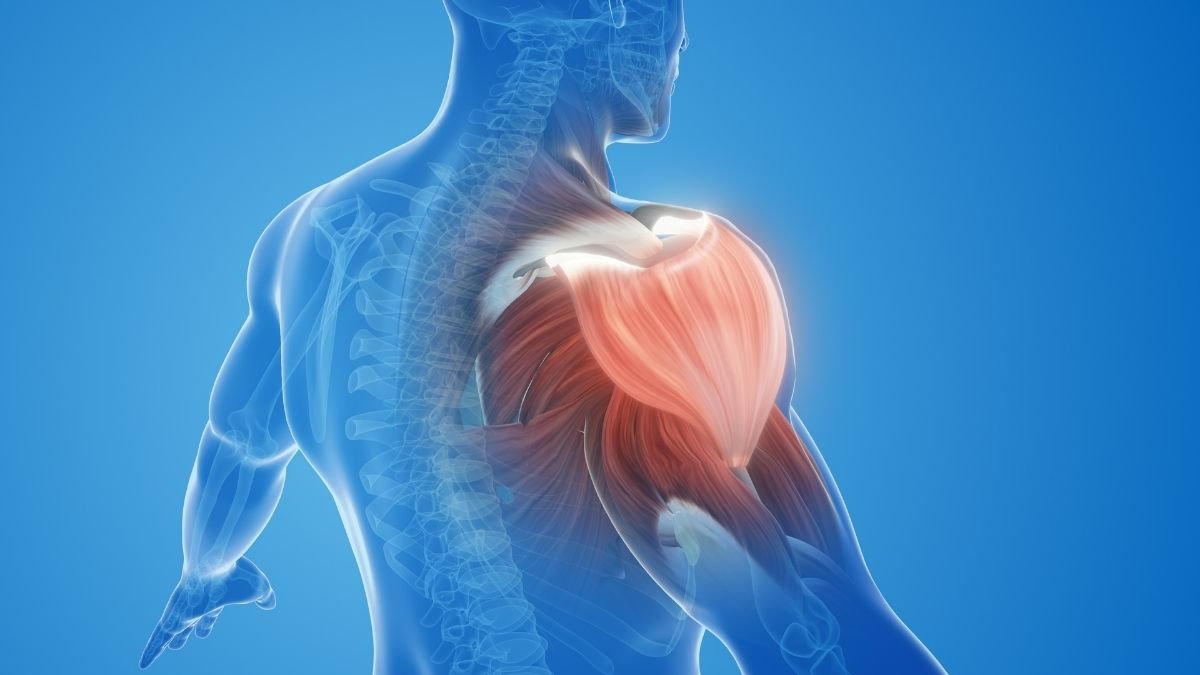
Most people think of muscle as something for looks or athletes. Your body treats it more like an organ.
Muscle is metabolically active tissue. It burns energy around the clock and soaks up blood sugar after meals, which is one reason people with more muscle tend to handle glucose better.
It also does the unglamorous work of keeping you upright. Strong legs mean fewer falls, and fewer falls mean fewer fractures.
Here is the honest part. “The only real anti aging drug” is a catchy line, not a medical fact. Sleep, not smoking, and aerobic exercise all matter enormously.
What the science does support is that muscle is one of the most powerful and most neglected levers you have. And unlike most longevity ideas, it is free to start.
The Slow Leak Nobody Warns You About
The medical word is sarcopenia, meaning age related muscle loss. It sounds rare, but it is the default path.
Adults who skip regular strength training can lose 4 to 6 pounds of muscle per decade, and sarcopenia affects nearly half of adults over 80. harvard
It also tends to speed up for women after menopause. Experts link this to declining estrogen. Fox News
The loss is quiet. You do not feel it in your 40s. You feel it when the jar will not open, the stairs get harder, or you need your hands to stand up from a low couch.
What the Research Actually Shows
This is where “science says” gets specific. Two large bodies of evidence stand out.
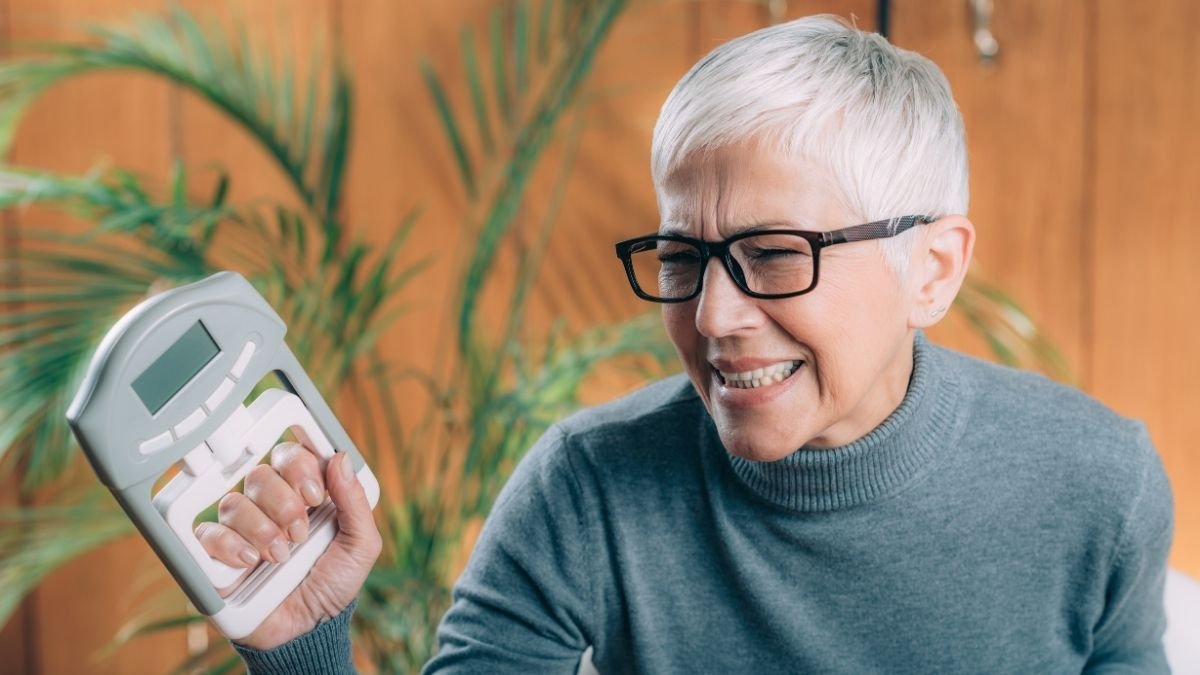
The first is about grip strength. In the PURE study, published in The Lancet, researchers followed 139,691 adults aged 35 to 70 and measured their grip with a handheld dynamometer. dailyrounds
Every 5 kilogram drop in grip strength was linked to a 16% higher risk of death from any cause, and grip strength predicted all cause and cardiovascular death better than systolic blood pressure. Grip is a stand in for overall muscle health. nih
The second is about training itself. A 2022 meta analysis in the British Journal of Sports Medicine pooled 16 studies and found muscle strengthening activities were linked to a 10% to 17% lower risk of death from any cause, heart disease, total cancer, diabetes, and lung cancer. mcknightsseniorliving
GRIP CHECK
Three independent studies, one clear message — your muscles are quietly running the show.
Each 5kg drop in grip strength = 16% higher risk of death.
Grip strength is a simple window into overall muscle health.
Muscle strengthening cuts major disease & death risk by 10–17%.
Benefits show up in regular people, not just athletes.
Skipping strength training costs 4–6 lbs of muscle every decade.
Losing muscle is automatic — keeping it takes a plan.
One caution keeps this honest. These are observational findings, so they show a link, not proof. The PURE authors themselves note more research is needed to test whether improving strength lowers the risk of death. medicaldialogues
Even so, the pattern is consistent across populations, and the downside of getting stronger is close to zero.
How Much Muscle Work Do You Actually Need?
Less than you fear. This is the part that surprises most people.
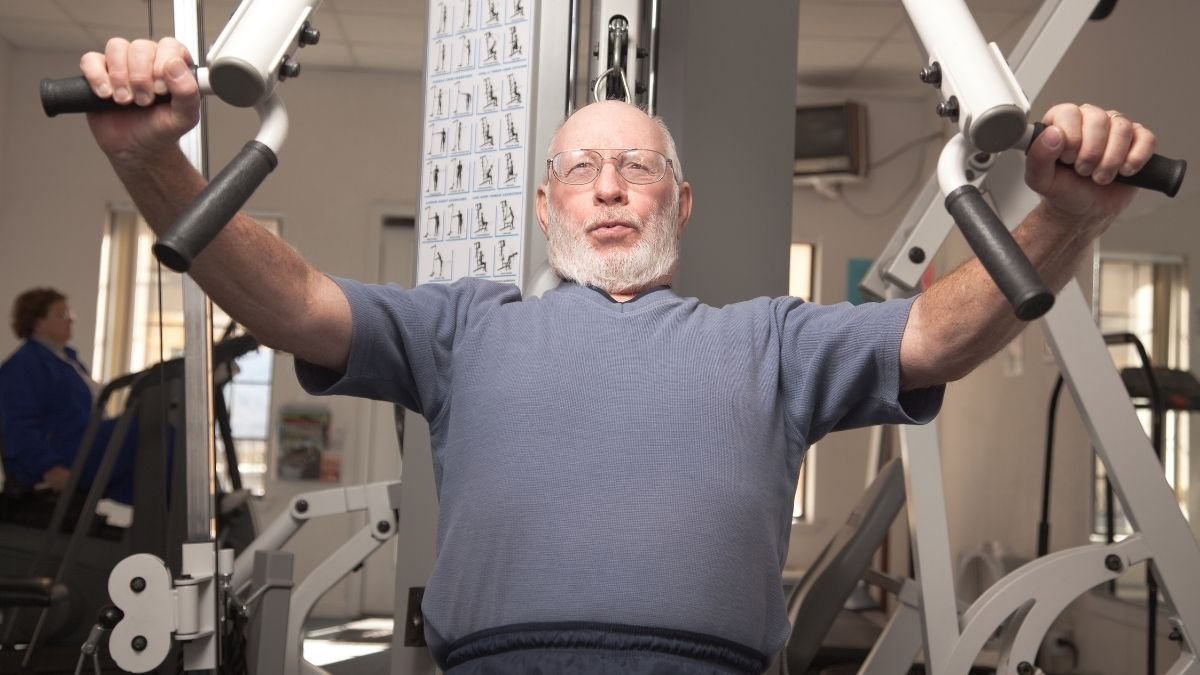
In the same meta analysis, the biggest risk reduction, around 10% to 20%, showed up at roughly 30 to 60 minutes of muscle strengthening per week. That is about two short sessions. mcknightsseniorliving
It lines up with public guidance too. Canadian movement guidelines recommend muscle strengthening using major muscle groups at least twice a week. canadianfoodfocus
Strength training does not replace walking, cycling, or swimming. The lead researcher stressed that muscle strengthening could never replace aerobic activity in guidelines. Think of them as a team. tctmd
Everyone’s body responds differently, so check with your doctor before starting a new exercise routine, especially if you have joint problems, heart disease, or osteoporosis.
How to Start Building Muscle Today
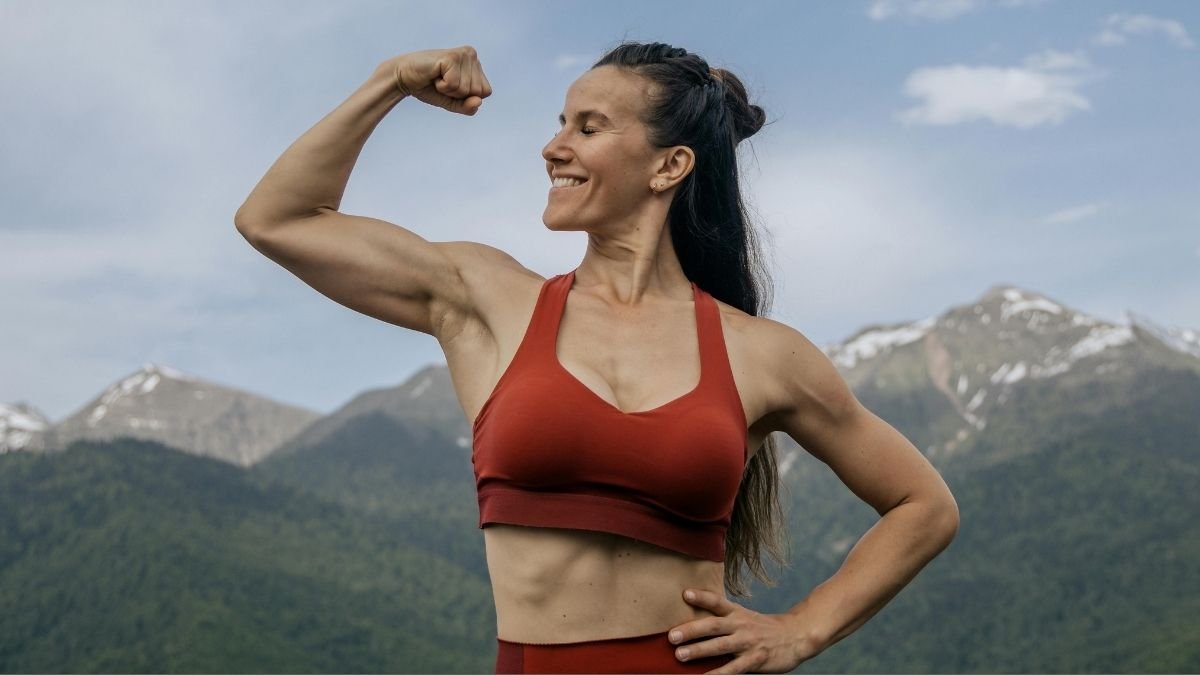
You do not need a gym. You need a repeatable pattern and a little progression.
1. Pick moves that use big muscle groups. Sit to stands from a chair, glute bridges, incline push ups against a counter, and rows with a resistance band cover your legs, hips, back, and chest.
2. Aim for 2 to 3 sets of 8 to 12 repetitions. The last two reps of each set should feel hard but still controlled. That effort is the signal that tells muscle to hold on.
3. Make it slightly harder over time. Add a rep, slow down the lowering phase, or use a heavier band. Muscle only grows when it is asked for a little more than last week.
4. Rest a day between sessions. Muscle is built during recovery, not during the workout.
The Protein Piece Most People Get Wrong
Training sends the message. Protein supplies the material.
The standard daily allowance is 0.8 grams per kilogram of body weight. A review in The Journals of Gerontology suggested older adults may benefit from 1 to 1.6 grams per kilogram daily to build strength. harvard
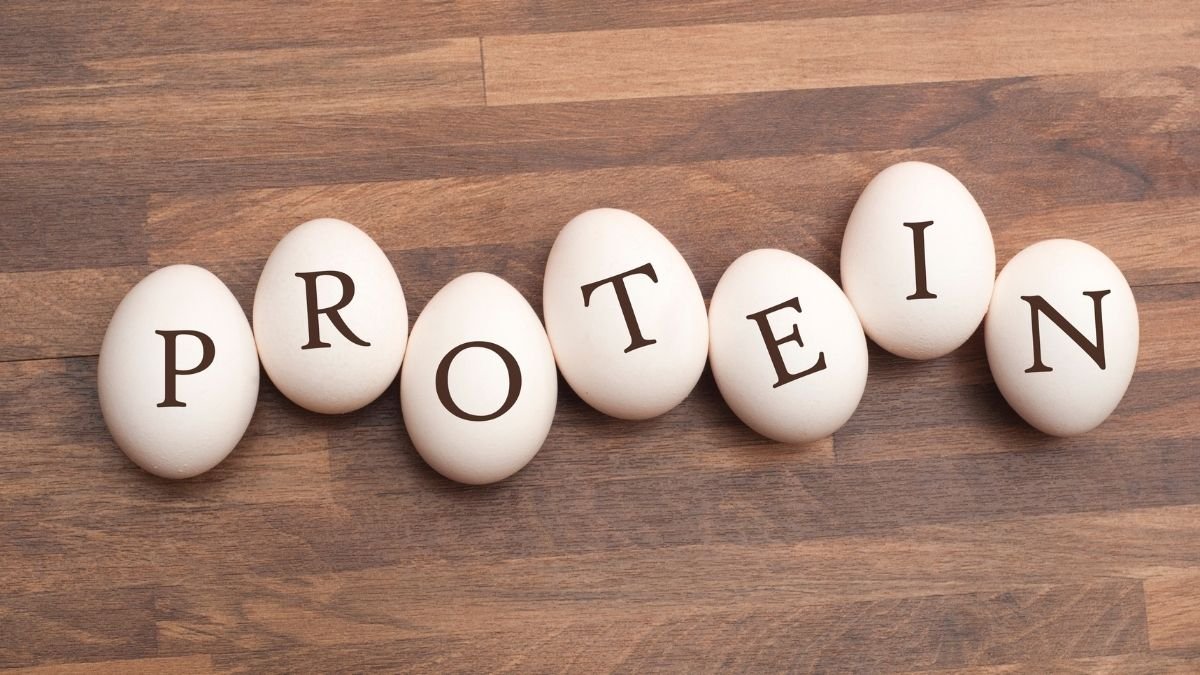
Spreading it out matters too. A McMaster University researcher recommends healthy older adults aim for about 1.2 grams per kilogram and split it evenly across meals, such as 30 grams at breakfast, lunch, and dinner. theglobeandmail
For many people, the weak spot is breakfast. A bowl of cereal or toast alone often delivers very little protein, so eggs, Greek yogurt, or cottage cheese can close the gap.
Harvard Health notes that protein combined with heavy resistance exercise produces the biggest gains in muscle mass and strength in healthy older adults. Neither one works as well alone. harvard
A Simple Weekly Muscle Plan
The Weekly Route
Three stops, one simple line to follow — hop on whenever you’re ready.
Legs & Core
Upper Body
Whole Body
This adds up to roughly 40 to 55 minutes a week, right inside the range where the research saw the strongest benefits.
The exercises and amounts above are general examples. Your ideal routine depends on your age, fitness, and health history, so a doctor or physical therapist can help you tailor it.
Try This Today
The Daily Habit That Actually Works
- Stand up from your chair 10 times without using your hands, then rest and repeat once.
- Add a protein source to breakfast, such as two eggs or a cup of Greek yogurt.
- Book two 20 minute strength sessions in your calendar this week, like real appointments.
- Carry your groceries or a full laundry basket instead of rolling or dragging them.
- Test your starting point: write down how many sit to stands you can do in 30 seconds, then check again in a month.
Common Questions
How long until I see results?
Many people feel stronger within a few weeks, because the nervous system learns to recruit muscle more efficiently. Visible changes in muscle size take longer, usually a couple of months of steady work.
Is it too late to start?
No. Harvard Health makes clear that it gets harder to build muscle after middle age, not impossible. Strength training is still the main tool for fighting sarcopenia.
Do I still need cardio?
Yes. The best results in the research came from combining both. People who did both muscle strengthening and aerobic activity had lower risk of death from any cause, heart disease, and cancer than those who did neither. mcknightsseniorliving
Who should be careful?
Anyone with heart disease, uncontrolled blood pressure, osteoporosis, or painful joints should get a medical green light first. People with kidney disease should ask their doctor before raising protein intake.
When to See a Doctor
Stop and call a healthcare provider if you notice any of these:
- Sudden weakness in one arm or leg, or on one side of the body
- Unexplained weight loss along with growing weakness
- Chest pain, dizziness, or unusual shortness of breath during exercise
- Muscle pain with dark urine or severe swelling after a workout
The Bottom Line,
Muscle is not a vanity project. It is the part of your body that decides how well you move, balance, and recover as the years add up.
The research does not say muscle is magic. It says that stronger people tend to live better and longer, and that about an hour a week of resistance work is linked to meaningful benefits.
Start small today. A few sit to stands and one more serving of protein is a real first step.
This article is for informational purposes only and is not a substitute for professional medical advice, diagnosis, or treatment. Always consult your doctor or a qualified healthcare provider before changing your diet, exercise routine, or medications, especially if you have an existing health condition.