

The scale keeps dropping on your GLP-1 medication, and that felt like a win at first, until your arms started looking thinner in a way that has nothing to do with fat. In some of the biggest trials on these drugs, close to 40 percent of the weight people lost was muscle, not fat, the same tissue that keeps your metabolism, blood sugar, and balance steady as you age.
Lose enough of it, and weight tends to come back faster if you ever stop the medication, while your body ends up weaker than before you started. There is a fix for this, and it has almost nothing to do with your dose.
Before making any changes based on this article, talk to your doctor, especially if you are currently taking medication or have a diagnosed condition.
What GLP-1 Muscle Loss Actually Looks Like
Roughly 11 percent of US adults are currently taking a GLP-1 medication for weight loss, according to Gallup’s national polling in 2026, which works out to close to 28 million people. That number has nearly quadrupled since 2024, and most of those people have never been told what is happening to their muscle along the way.
Semaglutide (found in Ozempic and Wegovy) and tirzepatide (found in Mounjaro and Zepbound) work by quieting appetite and slowing digestion. That is exactly why they help people lose significant weight. It is also exactly why muscle tends to disappear along with the fat, unless a few specific gaps get closed.
Here are the five biggest reasons this happens, based on what the research on these medications actually shows, along with exactly what to do about each one.
1. Your Appetite Drops, and Protein Is Usually the First Thing to Go
GLP-1 medications slow stomach emptying and quiet hunger signals in the brain, so most people simply eat less food overall. Researchers who have tracked eating habits in GLP-1 users have found that as total calories fall, protein intake tends to fall right along with it, sometimes more than any other nutrient.
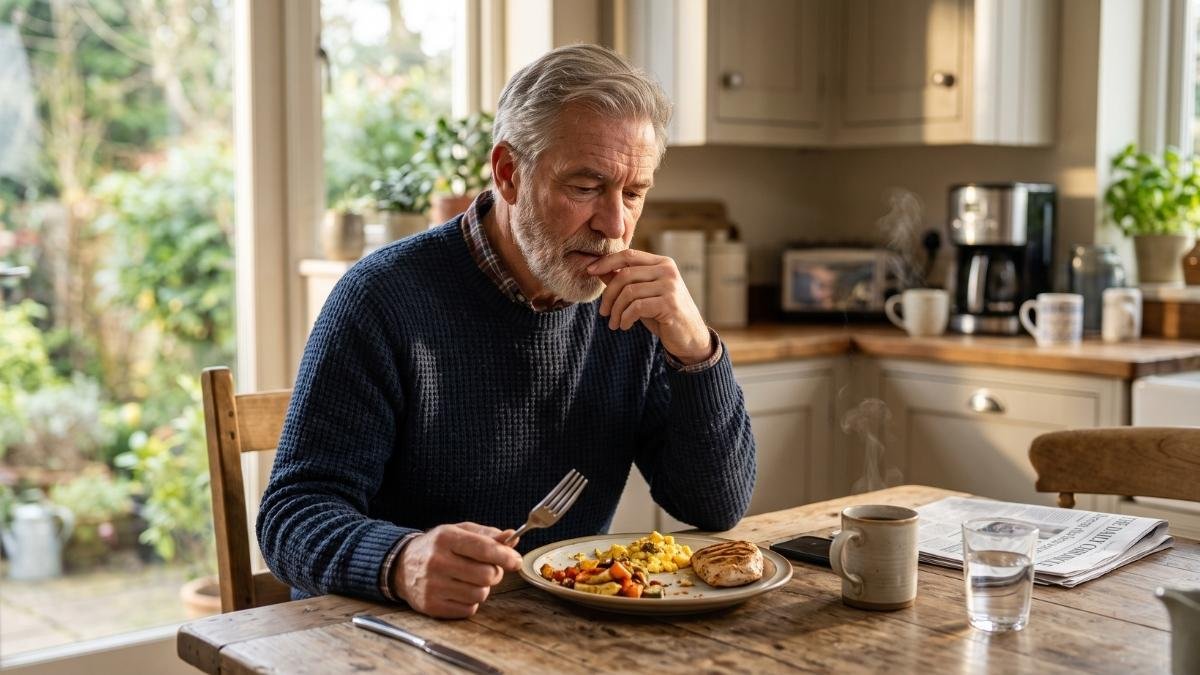
That matters because protein is the raw material your body uses to maintain muscle. When it becomes scarce, the body grows more willing to break muscle down for fuel instead of protecting it. Meat, poultry, and other dense proteins are also often the first foods people avoid when early fullness or mild nausea sets in, which widens the protein gap even further.
Most adults need a certain threshold of protein at each sitting just to trigger muscle repair in the first place, and eating far below that threshold for weeks at a time, even while total calories look reasonable on paper, can leave muscle with almost nothing to rebuild itself from.
2. The Speed of the Weight Loss Works Against You
Weight lost quickly tends to come from a different mix of tissue than weight lost slowly, and GLP-1 medications are known for fast, early results. When weight comes off gradually, the body can adapt in a way that spares more muscle. When it comes off quickly, a bigger share of that loss can come from lean tissue instead.
Reviews of the major semaglutide trials, including STEP 1, have found that lean mass made up close to 40 percent of total weight lost in some participants. Compare that with roughly 20 to 25 percent for people losing weight through diet alone at a steadier pace, and the pattern becomes clear: pace matters, not just total pounds.
Below is how that breaks down across the most common weight loss methods.
Weight Loss vs. Lean Tissue
Tracking the share of muscle lost across different methods.
Diet & Calorie Cutting
Slower weight loss tends to protect and preserve more underlying muscle.
Bariatric Surgery
Displays a similar loss pattern to dieting in most clinical reviews.
Semaglutide (Ozempic, Wegovy)
Higher figure often includes liver and organ mass reduction, not muscle alone.
Tirzepatide (Mounjaro, Zepbound)
Shows slightly lower lean mass loss than semaglutide in most trials so far.
3. Side Effects Are Quietly Shrinking Your Movement
Nausea, fatigue, and a general low energy feeling are common early on with these medications, and a lot of people respond by moving less without ever deciding to. Muscle needs regular use to hold onto its size and strength.
Skeletal muscle is also the body’s single biggest user of blood sugar, so less daily movement works against you twice over. Skipping regular walks, chores, or workouts for even a few weeks sends a signal to the body that this tissue is no longer needed as much.
Nausea and low appetite typically ease after the first several weeks on a given dose, but many people are increasing their dose again right around the time they were starting to feel normal, which restarts the cycle of feeling low energy and moving less.
4. Skipping Strength Training Removes the Signal to Keep Muscle
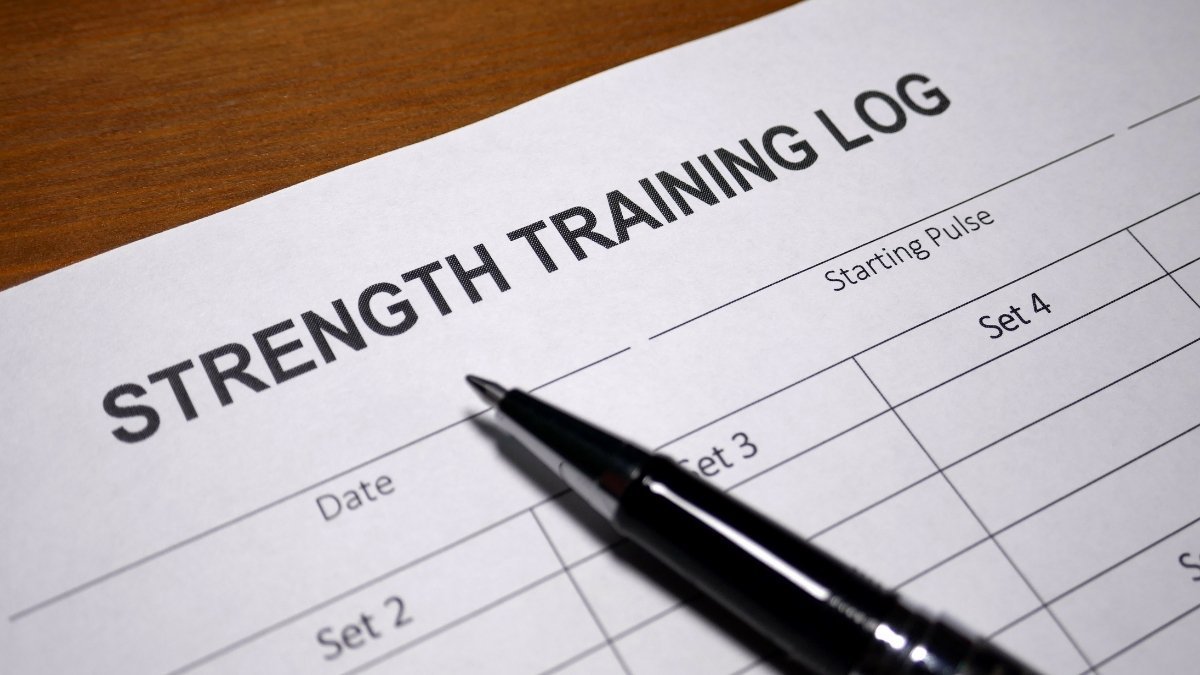
Daily activity and cardio matter, but they do not send the same message to your muscle that lifting or resistance work does. Without a regular resistance stimulus, muscle protein synthesis (the process your body uses to repair and rebuild muscle fibers) stays low, and the body has little reason to protect that tissue while it is losing weight overall.
The American College of Sports Medicine recommends resistance training at least two to three times a week for adults, working all the major muscle groups. National survey data suggests only about three in ten adults actually meet that bar, GLP-1 users included.
Try This Today
- Eat a source of protein first at every meal, before reaching for anything else on the plate.
- Aim for roughly 25 to 30 grams of protein per meal, about the size of a deck of cards in meat, fish, eggs, or Greek yogurt.
- Add two short strength sessions this week. Resistance bands, bodyweight moves, or light dumbbells all count.
- If meat feels hard to tolerate, try eggs, cottage cheese, protein shakes, or Greek yogurt instead.
- Ask your prescriber whether your current pace of weight loss and dose increases still makes sense for your goals.
5. Age Related Muscle Loss Was Already Working Against You
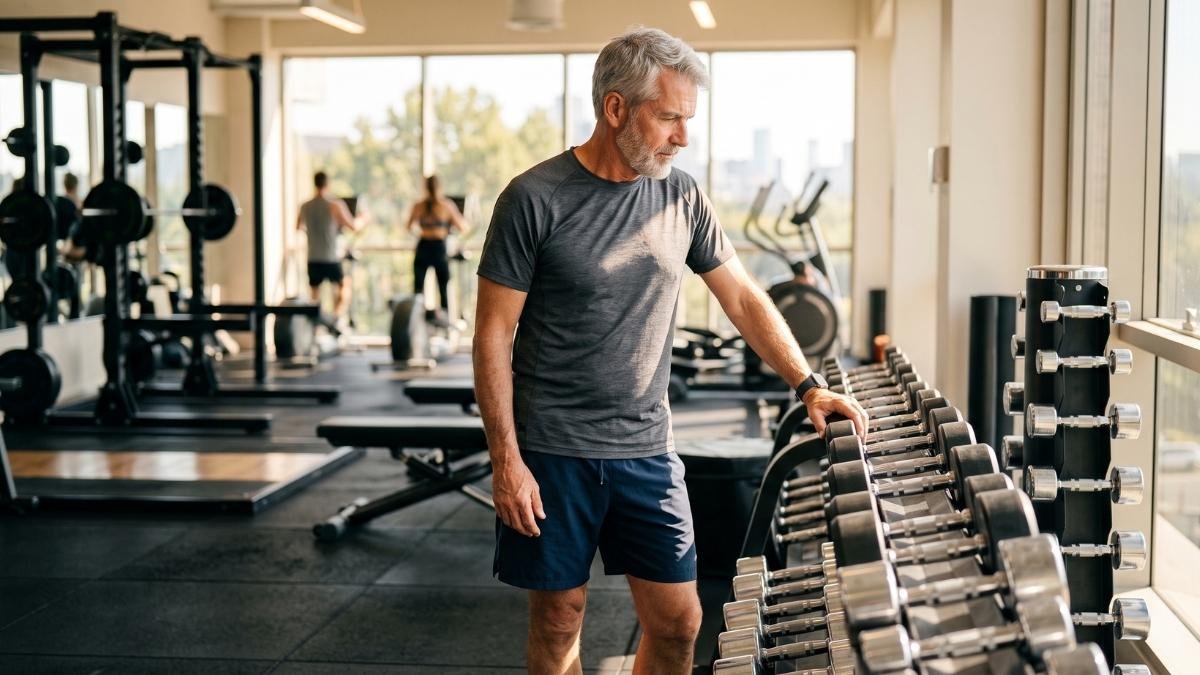
Muscle mass typically peaks around age 30. After that, most adults lose roughly 3 to 5 percent of it every decade, according to the Cleveland Clinic, and that decline speeds up around age 60, sometimes reaching close to 8 percent per decade.
Many people starting GLP-1 medications are already in their 40s, 50s, or 60s, which means the drug’s effect on muscle lands on top of a process that was quietly underway for years. One study of older adults on semaglutide found more than one in four already showed reduced muscle mass before any medication effect was even factored in, underscoring how much this population needs to protect what muscle they have left.
Who Should Pay Extra Attention
Not every GLP-1 user faces the same level of risk. A few groups tend to come up again and again in the research as needing closer attention to muscle:
- Adults over 50, since age related decline is already in motion.
- Anyone losing weight unusually fast, especially in the first three to four months of treatment.
- People who were already fairly sedentary before starting the medication.
- Anyone on a higher dose of semaglutide, which several reviews link to somewhat larger lean mass losses than lower doses or other GLP-1 drugs.
None of this means the medication is the wrong choice. It means these groups benefit the most from being deliberate about protein and strength training from the very first week, rather than waiting to see how things go.
Once you know where the losses tend to come from, the next question is which daily habits actually make a difference and which ones do not.
Muscle Preservation Playbook
Compare habits that protect muscle vs. those that speed up loss.
Nutrition & Meal Timing
Exercise Modality
Pacing Weight Loss
Tracking Progress
When to Call Your Doctor
- New difficulty standing up from a chair or climbing stairs you used to manage easily.
- Frequent stumbling, unsteadiness, or an actual fall.
- Ongoing weakness or fatigue that feels different from your usual GLP-1 side effects.
- Weight loss that feels unusually fast and steep, especially alongside visible thinning in the arms or legs.
Questions Worth Asking Before Your Next Refill

Is all of that lost weight actually muscle? Not exactly. The lean mass researchers track in these trials includes muscle, but also organs, water, and even the liver. Exercise physiologists at UC Davis Health have pointed out that a meaningful share of the widely quoted 40 percent lean mass figure may be coming from the liver shrinking rather than skeletal muscle wasting away. That does not mean muscle loss is not real, only that the scariest headline number is not the full story.
How much protein do I actually need? A joint advisory from several major nutrition and obesity medicine organizations points to roughly 1.2 to 1.6 grams of protein per kilogram of body weight per day for people losing weight on these medications. For a lot of adults, that lands somewhere around 80 to 120 grams of total protein spread across the day.
Individual protein needs vary with age, kidney function, and other health conditions, so treat these numbers as a starting point for a conversation with your doctor or a dietitian, not a fixed prescription.
How do I know if I am losing too much muscle? A simple check you can do at home is the sit to stand test. Time yourself standing up fully and sitting back down five times in a row, as quickly as you can, without using your hands or arms for help. Taking longer than about 15 seconds is a signal worth mentioning to your doctor, who may want to check your muscle mass or strength more formally.
A basic grip strength check, or a body composition scan at a gym or clinic if one is available to you, can add more detail than the bathroom scale ever will, since the scale cannot tell you what kind of weight you are actually losing.
Will lifting weights slow down my weight loss? No, and this is one of the more persistent myths around these medications. Strength training does not compete with fat loss. It protects the muscle that is already at risk while your body works through fat stores, and over time it tends to improve how much of your total weight loss ends up coming from fat rather than lean tissue.
Should I be more worried if I am over 60? A bit more attentive, yes. The muscle loss that comes naturally with aging and the muscle loss linked to these medications can stack on top of each other in older adults, raising the risk of what researchers call sarcopenic obesity, where someone still carries excess fat but has lost enough muscle to affect balance and daily function. The fix does not change, but the urgency to start protein and strength habits early does.
The Bottom Line
Muscle loss on GLP-1 medications is common, but it is not automatic and it is not unavoidable. Most of it traces back to five overlapping gaps: not enough protein, weight coming off too fast, less daily movement, no strength training, and an age related head start on muscle decline that the medication then accelerates.

Closing even two or three of those gaps, starting with protein at meals and two strength sessions a week, changes the story considerably. Muscle you protect now is muscle you will not have to fight to rebuild later.
This article is for informational purposes only and is not a substitute for professional medical advice, diagnosis, or treatment. Always consult your doctor or a qualified healthcare provider before making changes to your diet, exercise routine, or medications, especially if you have an existing health condition.