

You wake up and your knees feel like they belong to someone twenty years older. Your hands need a few minutes before they close into a fist without protest, and your lower back does not fully unlock until you have been upright for a while.
This is not just “getting older.” It is a specific, explainable process behind morning joint stiffness that happens inside your joints overnight, and ignoring it for years is exactly why so many people quietly lose an hour of their morning to shuffling around like they are testing ice.
Left unaddressed, that stiffness does not just sit there. It changes how you move for the rest of the day, makes you skip the walk or workout you had planned, and over months it can feed into the very deconditioning that makes joints feel worse tomorrow morning.
Turns out there is a short sequence you can do before your feet even hit the floor that interrupts this pattern, and almost nobody does it because nobody ever showed them how.
Before making any changes based on this article, talk to your doctor, especially if you are currently taking medication or have a diagnosed joint condition.
These six morning mobility exercises target the exact joints that seize up overnight (ankles, spine, hips, neck, wrists, and hands) and they take less than ten minutes combined. The goal is not a workout. It is waking your joints up in the right order so the rest of your morning does not start from behind.
Why Morning Joint Stiffness Happens In The First Place
Synovial fluid, the natural lubricant inside your joints, behaves in an unusual way. It is thixotropic, meaning it gets thicker and more gel like the longer a joint sits still, then thins back out once the joint starts moving again.

Seven or eight hours of sleep is a long stretch of stillness for any joint. Physical therapists sometimes call the result “gel phenomenon,” and it is a normal part of why nearly everyone feels stiffer for the first few minutes after waking, regardless of age.
There is a second factor working against you overnight. Inflammatory markers like interleukin 6 tend to rise while you sleep and peak in the early morning hours, a pattern that shows up repeatedly in rheumatology research. For anyone with existing joint wear or an inflammatory condition, this overnight rise can make morning stiffness noticeably worse than stiffness later in the day.
Your spinal discs are doing something similar in their own way. They absorb fluid overnight while you are lying down and not loading them with gravity, which is part of why your back can feel tight, and why some people actually measure very slightly taller, first thing in the morning.
None of this means something is wrong with you. It means your joints need a deliberate, gentle wake up call before you ask them to carry your full body weight around the kitchen.
Morning Joint Lubrication
A quick routine to reverse the “gel phenomenon” and thin synovial fluid before standing.
Ankle Pumps & Circles
10-15 reps / dir.Restarts circulation and actively begins thinning the synovial fluid before you even put weight on your feet.
Cat Cow Stretch
8-10 slow cyclesGently mobilizes the facet joints and helps redistribute fluid that settles in the spinal discs overnight.
Knee to Chest
15-20 sec / sideSafely releases hip flexor and deep lower back tightness caused by lying still for several hours.
Neck Rolls & Chin Tucks
5 rolls / 10 tucksLoosens stiff cervical joints and directly counters the awkward pillow positions held during deep sleep.
Wrist Circles & Finger Extensions
15 circles / 10 opensDirectly targets the small joints of the extremities where the morning “gel phenomenon” often shows up first.
Standing March / Hip Circles
30-60 secondsRapidly raises overall body temperature, which acts as a catalyst to thin synovial fluid system-wide.
1. Ankle Pumps and Circles (Do This Before You Even Sit Up)
While still lying flat, point your toes away from you, then flex them back toward your shins, then rotate each ankle in slow circles in both directions.
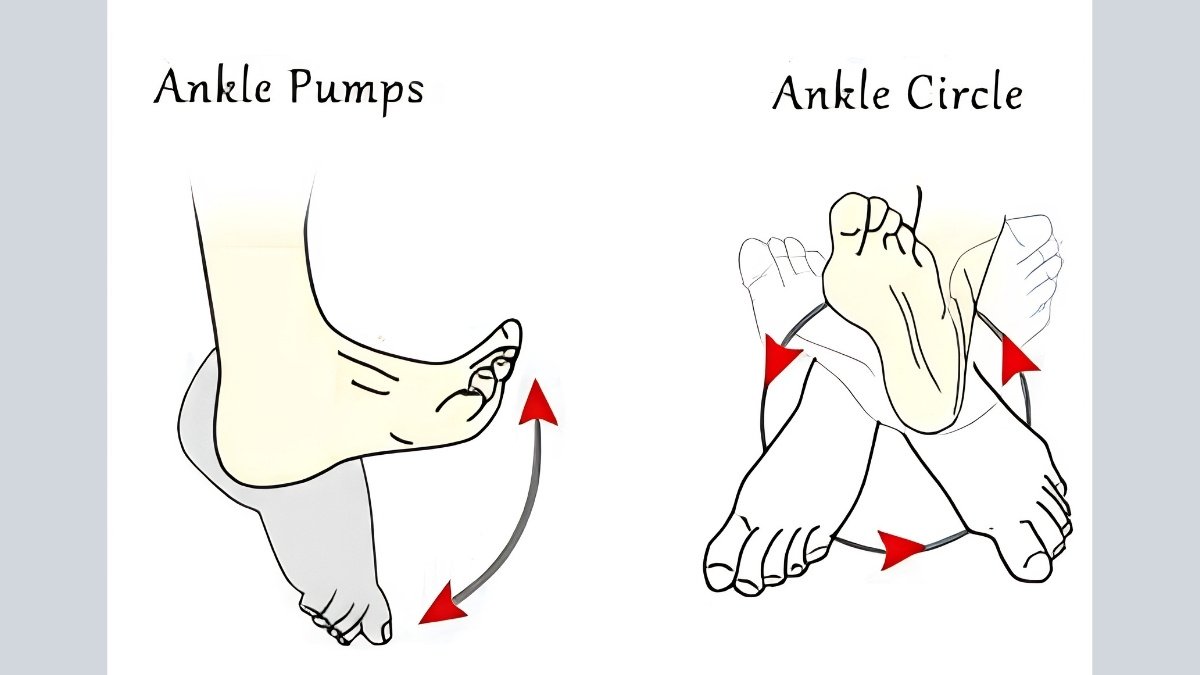
This one matters more than it sounds like it should. Blood pools in the lower legs overnight from hours of inactivity, and the ankle joint has some of the least soft tissue padding in the body, so it tends to stiffen quickly.
Moving the ankle activates what is sometimes called the calf muscle pump, which pushes pooled blood back toward the heart and helps re-lubricate the ankle joint before it has to take on your body weight. Do 10 to 15 reps in each direction, both ankles, before you even sit up on the edge of the bed.
2. Cat Cow Stretch (Wakes Up The Whole Spine At Once)
Get onto your hands and knees, or do a seated version if getting down to the floor is not comfortable for you. Arch your back and lift your chest for cow, then round your spine toward the ceiling and tuck your chin for cat, moving slowly between the two positions.

This stretch takes the spine’s facet joints through their full range right when they are stiffest, and it encourages fluid movement in and around the discs, which have been sitting compressed overnight or, in some cases, slightly swollen from hours of lying still. Physical therapists commonly recommend a version of this exact movement specifically for morning back stiffness.
Move slowly, holding each position for about 3 to 5 seconds, and repeat for 8 to 10 full cycles.
3. Knee To Chest Stretch (Targets Hips And Lower Back Together)
Lying on your back, pull one knee up toward your chest with both hands and hold it there, then switch legs.
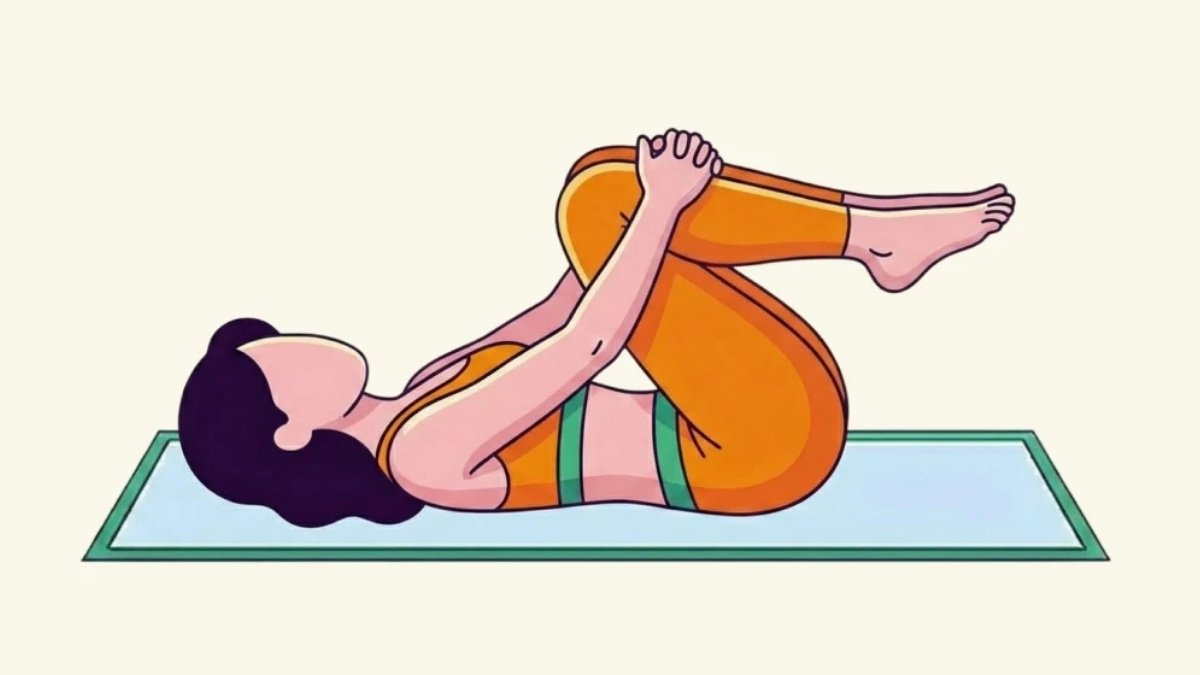
Overnight, the hip flexors and the muscles along your lower spine tend to shorten and tighten from staying in one position for hours at a time. This stretch lengthens both at once and takes pressure off the lower back and the sacroiliac joints, where the spine meets the pelvis.
Hold each side for 15 to 20 seconds and repeat twice per leg.
Everyone’s body responds differently, so check with your doctor before trying new stretches if you have an existing hip, back, or spine condition.
4. Neck Rolls And Chin Tucks (For The Stiffness You Keep Blaming On Your Pillow)
Gently roll your neck in a slow half circle from shoulder to shoulder, keeping your chin down rather than tipping your head all the way back. Follow with chin tucks: pull your chin straight back like you are making a double chin, hold briefly, and release.
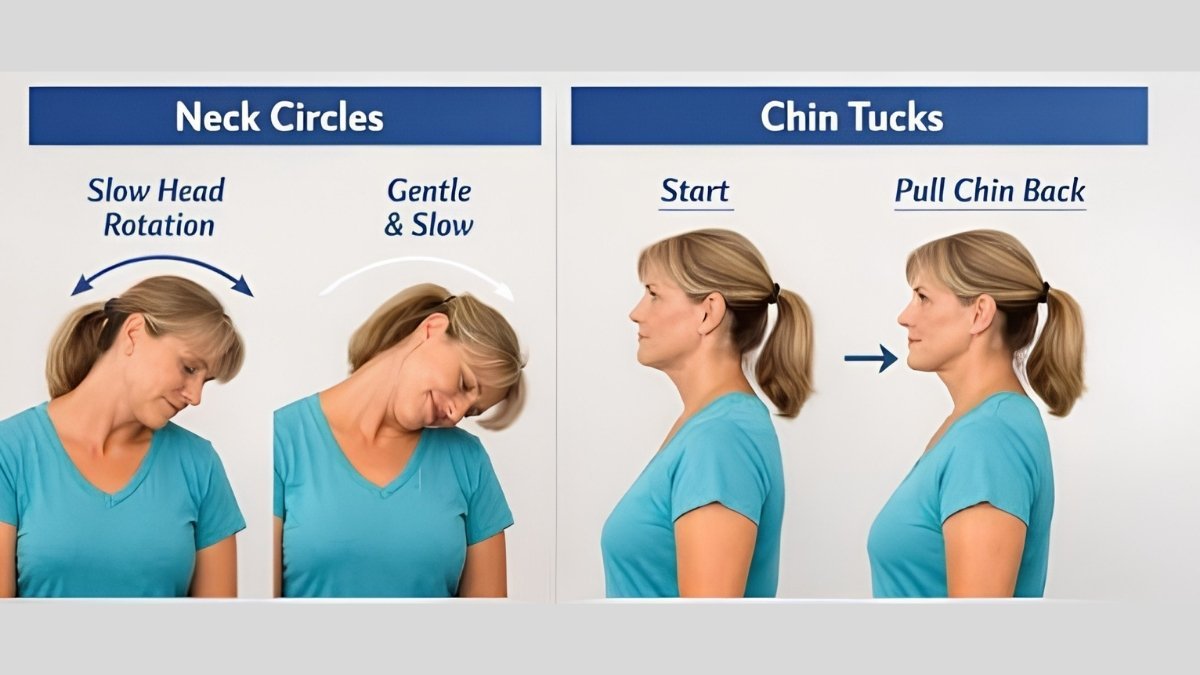
The cervical spine has small, closely packed joints that are especially sensitive to hours of one sided pressure from a pillow. Chin tucks specifically counter the forward head posture that builds up overnight, and often gets worse from long stretches of screen time the day before.
Do 5 slow rolls in each direction and 10 chin tucks.
5. Wrist Circles And Finger Extensions (The One Almost Everyone Skips)
Rotate each wrist in slow circles, then open your hands wide, spreading your fingers, and close them back into a soft fist. Repeat.
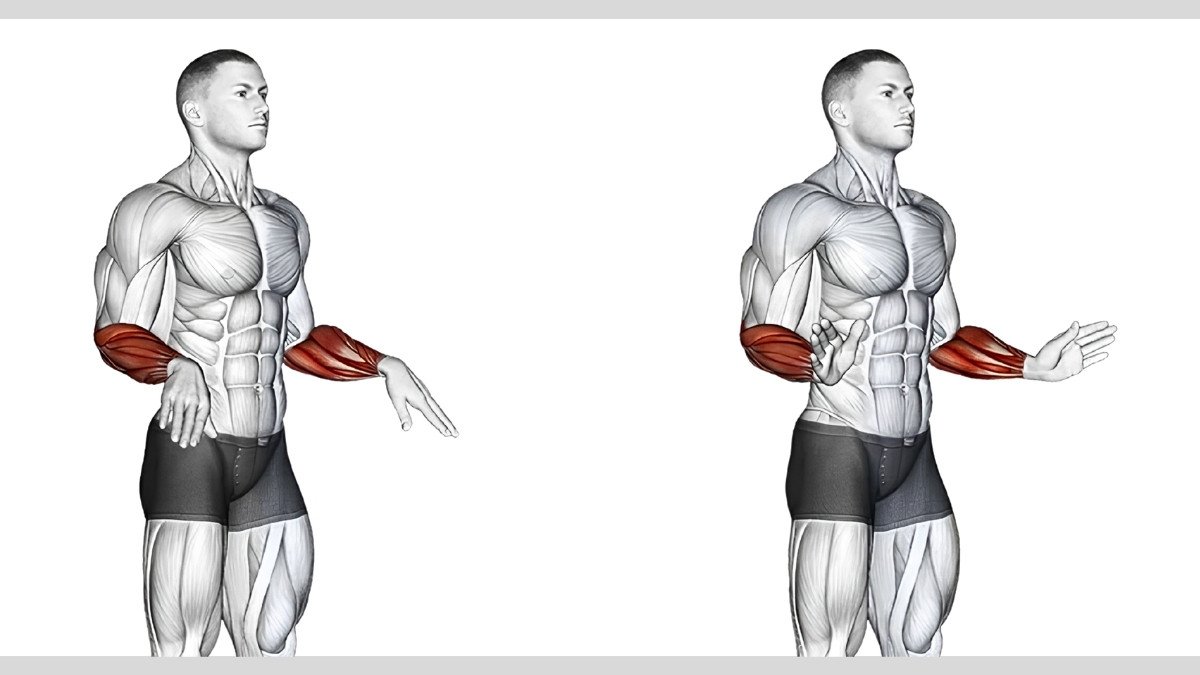
Hands contain dozens of small joints with a comparatively small volume of synovial fluid, which is exactly why gel phenomenon tends to show up first and most obviously in the fingers, especially for anyone with early joint wear. Sleeping with your wrists bent under a pillow adds another layer of stiffness that this movement directly reverses.
Do about 15 circles in each direction per wrist, followed by 10 slow fist opens.
6. Standing March Or Hip Circles (The Full Body Reset)
Once you are up, march in place lifting your knees to about hip height, or hold onto a sturdy chair or counter and make slow circles with your hips in both directions.
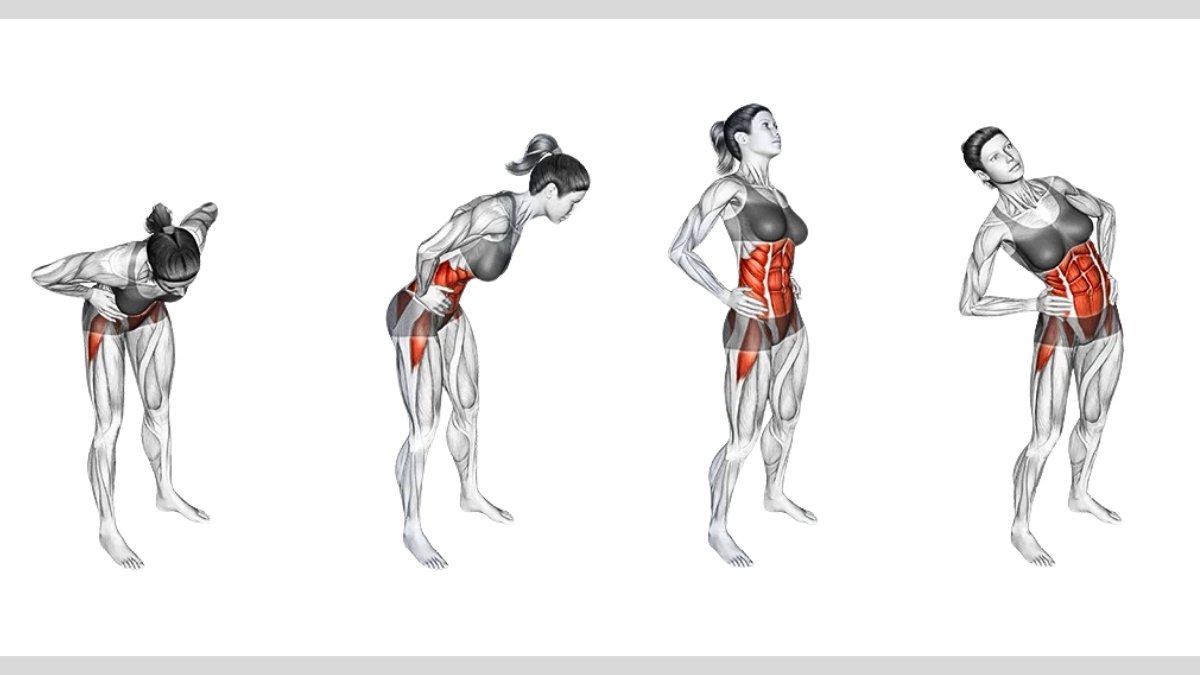
This is the movement that ties everything else together. It raises your core body temperature slightly, and warmth is one of the simplest, most reliable ways to thin synovial fluid across every joint at once, not just the one area you just stretched.
Thirty to sixty seconds is enough. This is meant to be a bridge into your normal morning routine, not a workout in itself.
Try This Today: The 5 Minute Wake Up Sequence
- Do ankle pumps and cat cow before you even leave the bed
- Add knee to chest stretches while you are still lying down
- Stand up slowly and do neck rolls while the kettle or coffee maker runs
- Fit in wrist circles during the two minutes you are waiting for coffee
- Finish with 30 seconds of marching in place before you sit down for breakfast
How To Tell If It’s More Than Just A Slow Start
Most morning stiffness is completely normal and fades within about half an hour once you actually start moving, which lines up with what doctors typically look for when they are ruling out anything more serious. A simple self check is timing how long it takes your joints to genuinely loosen up after you get moving, not just after you wake up.

If it consistently takes longer than 30 to 60 minutes to loosen up, especially in the same joints on both sides of your body at once, that pattern is one doctors associate more with inflammatory arthritis, including rheumatoid arthritis, than with everyday overnight stiffness or typical osteoarthritis.
When To Stop Stretching And Call A Doctor Instead
- Stiffness that lasts longer than an hour, even after you are up and moving around
- Visible swelling, redness, or warmth over a joint, not just plain stiffness
- Stiffness paired with numbness, tingling, or a joint that suddenly feels unstable
- New stiffness that shows up out of nowhere and affects the same joints on both sides of your body
Common Mistakes That Undo A Good Morning Routine

Even people who stretch every morning sometimes cancel out the benefit without realizing it. A few patterns come up again and again.
Rushing through the movements is the biggest one. Fast, jerky stretching does not give synovial fluid enough time to actually thin out, so the joint still feels tight even after you have technically “done the exercises.”
Stopping the moment you feel a small pop or click is another common misstep. Joint sounds first thing in the morning are usually just gas bubbles releasing or tendons shifting slightly, not damage, so there is generally no need to stop unless it comes with pain.
Doing the stretches once and then sitting completely still for an hour afterward also blunts the effect. The point of the sequence is to bridge you into actual movement, not to replace it.
Morning Joint Habits
Everyday actions that either unlock your mobility or lock stiffness right back in.
Stretching In Bed
HelpsEases the transition to bearing weight and significantly lowers fall risk before you even stand up.
Moving Before Your Phone
HelpsActively gets your joints lubricated and fluid before you lock into a seated, still position again.
Hot Shower First
Better After MovingJumping in without stretching isn’t optimal. Heat helps the most once joints are already moving, not instead of it.
Coffee Only (No Food/Water)
HurtsSkipping hydration and a balanced breakfast causes dehydration, which can thicken joint fluid further.
Immediate Long Commute
HurtsSitting in a car right after waking brings the morning stiffness right back before it ever fully resolves.
The Bottom Line,
None of these six movements requires special equipment, a gym membership, or more than about ten minutes combined. The order matters more than most people assume: wake the small joints first, then the spine, then the hips, then let standing movement finish the job.

Most morning joint stiffness is a normal, explainable process, not a sign that something is wrong. Paying attention to how long it lasts, and which joints it shows up in, is one of the simplest ways to catch something worth mentioning to your doctor before it turns into a bigger problem.
This article is for informational purposes only and is not a substitute for professional medical advice, diagnosis, or treatment. Always consult your doctor or a qualified healthcare provider before making changes to your exercise routine, especially if you have an existing joint condition or take medication that affects mobility or circulation.