
Your knees complain when you get out of a chair. Jars feel tighter than they used to. And that gym membership sitting unused on your credit card statement is not fixing either problem.
That quiet decline is not really about turning a certain age. It is about which movements quietly disappear from your day somewhere in your 40s or 50s, until getting off the floor, carrying two bags of groceries, or standing on one leg to put on socks starts to feel harder than it should.
People who live past 100 do not fix this in a gym. Centenarians in the world’s longest living communities build seven ordinary movements into an ordinary day, and most of them take less than a minute each.
Before making any changes based on this article, talk to your doctor, especially if you are currently taking medication or have a diagnosed condition.
What Centenarians Actually Do All Day
Researchers who study the Blue Zones, the handful of regions where people are far more likely to reach 100, have spent two decades trying to find the workout routine behind it. There isn’t one.
What they found instead is a pattern of natural, low intensity movement woven into daily chores, work, and getting around, repeated so consistently it never has to be scheduled.
That pattern maps onto seven specific movements you can start borrowing today, no membership required.
Functional Fitness · Everyday Movement
The Movements That Actually Predict a Long Life
Not workouts — just the ordinary motions worth paying attention to.
Walking With a Destination
Trains: heart, lungs, bone density
Builds cardiovascular fitness without ever feeling like “exercise”
Getting Up Off the Floor
Trains: hip mobility, core, coordination
Strongly linked to survival odds in adults over 50
Gardening
Trains: legs, spine, grip, mood
Digging, kneeling, and reaching combine strength, mobility, and stress relief in one task
Standing From a Chair, Unaided
Trains: quads, glutes, functional power
The single most repeated movement of daily life
Carrying Things by Hand
Trains: grip strength, forearms, shoulders
Grip strength is one of the strongest predictors of long life researchers have found
Balancing on One Leg
Trains: vestibular system, ankles, small stabilizers
Balance often fades faster than strength as people age
Climbing Stairs and Hills
Trains: heart, lungs, and legs together
Delivers more benefit per minute than flat walking
Each one is explained in detail below, including exactly how centenarians do it and how to start doing it yourself.
1. Walking With Somewhere To Go
This is not treadmill walking. In Sardinia, one of the regions with the highest concentration of male centenarians on record, most men spent their working lives as shepherds, a job that involves roughly five miles of walking up and down mountains every day.
The mechanism is straightforward. Walking is weight bearing, so it helps preserve bone density, and it is aerobic enough, done consistently, to strengthen the heart and lungs without the joint pounding of running.
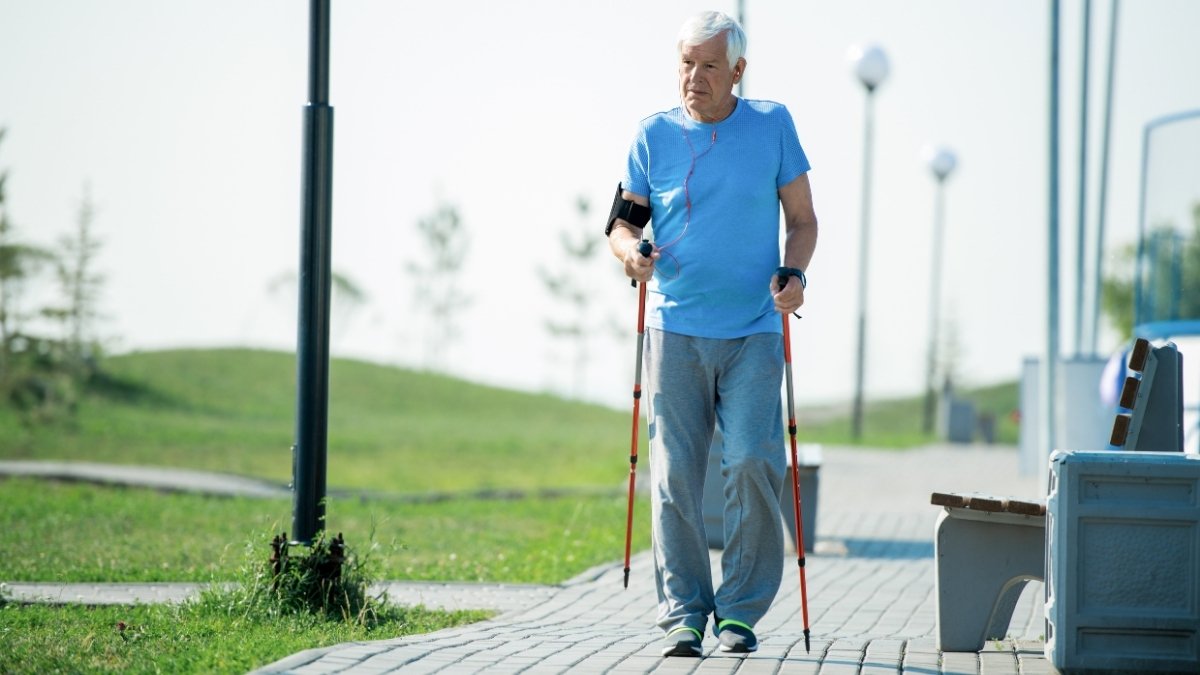
The specific detail that matters is purpose. Walking to the market, to a neighbor’s house, or to check on a garden gets repeated day after day in a way that a scheduled “workout walk” often does not.
Try this today: pick one errand this week you would normally drive to and walk it instead, even if it only saves you ten minutes of car time.
2. Getting Up Off The Floor Without Using Your Hands
This sounds almost too simple to matter, but it is one of the more striking findings in aging research of the last decade.
A Brazilian research team asked more than 2,000 adults between the ages of 51 and 80 to sit down on the floor and then stand back up, scoring them from zero to 10 based on how many times they needed to use a hand, a knee, or another support.
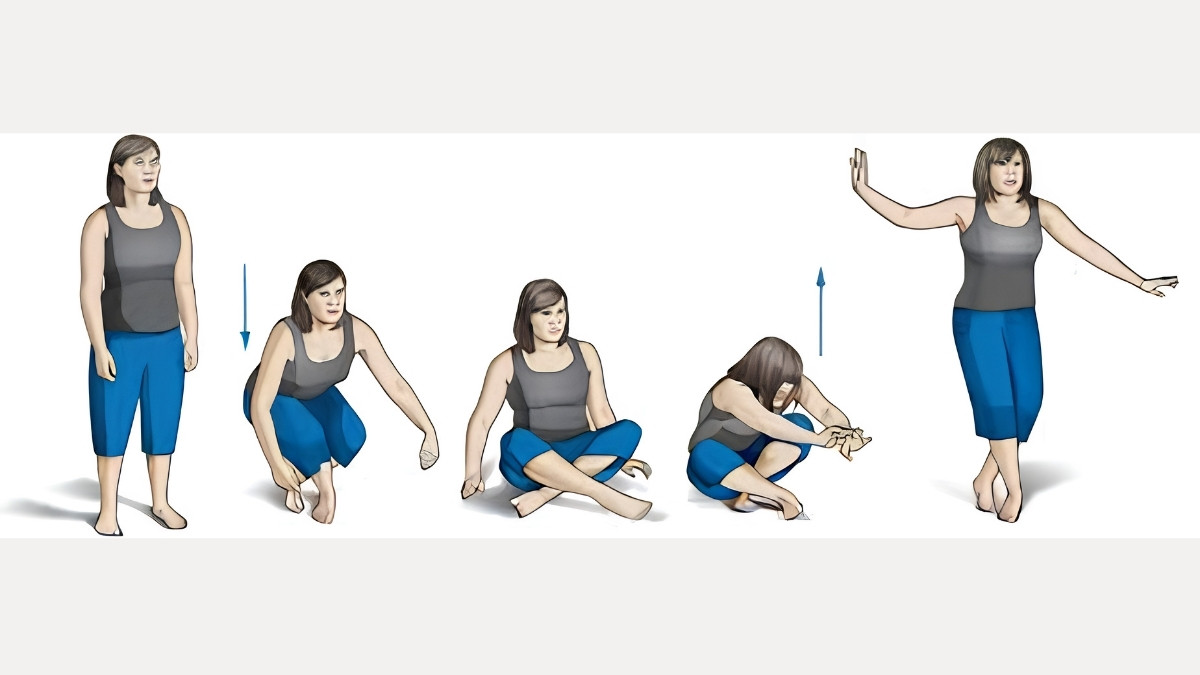
Every single point lost on that scale was linked to a meaningfully higher risk of dying over the following years, and the adults who scored lowest had several times the mortality risk of those who scored a perfect 10.
The mechanism is hip mobility, core strength, and coordination working together, three things that quietly erode when a body spends most of its time in chairs.
Try this today, carefully: lower yourself to sit on the floor and stand back up once, using a hand or a piece of furniture for support if you need it. Over time, work toward needing less support.
3. Gardening: Digging, Kneeling, and Reaching
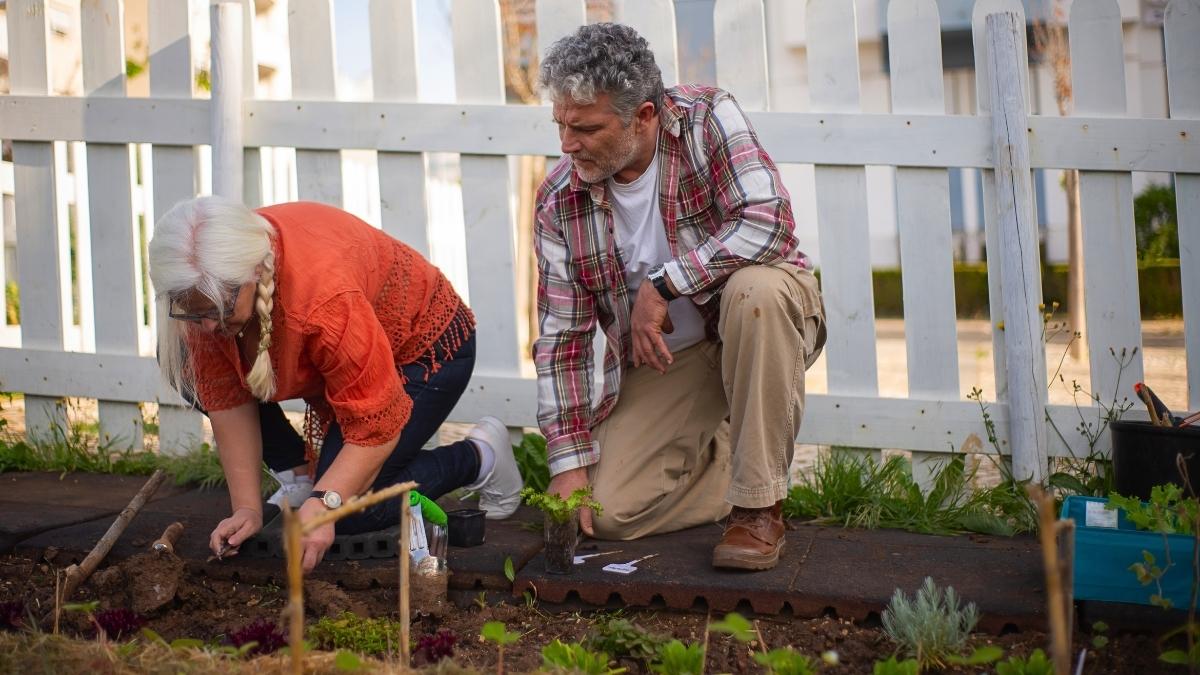
Gardening shows up again and again in longevity research, from Okinawan households growing their own vegetables to small plots tended daily in Costa Rica’s Nicoya peninsula.
Everyone’s body responds differently, so check with your doctor before trying this if you have an existing condition or take medication.
The physical mechanism is that gardening naturally cycles a person through a squat pattern (digging), a hip hinge (raking), spinal rotation (reaching and turning), and light carrying (pots, watering cans), all in one session, which is closer to how the body actually moves through a normal day than an isolated gym exercise.
There is a second layer too. Time spent outdoors tending something living has been tied to lower stress and a stronger sense of purpose, both of which researchers studying these populations flag as protective in their own right.
Try this today: 20 to 30 minutes in a garden bed, a few containers on a balcony, or even repotting houseplants, done two or three times a week, is enough to count.
4. Standing Up From a Chair, Over and Over
Every time you rise from a chair, a car seat, or the toilet without pushing off with your hands, you are performing one of the most repeated functional movements of the day, and it is also one of the most studied.
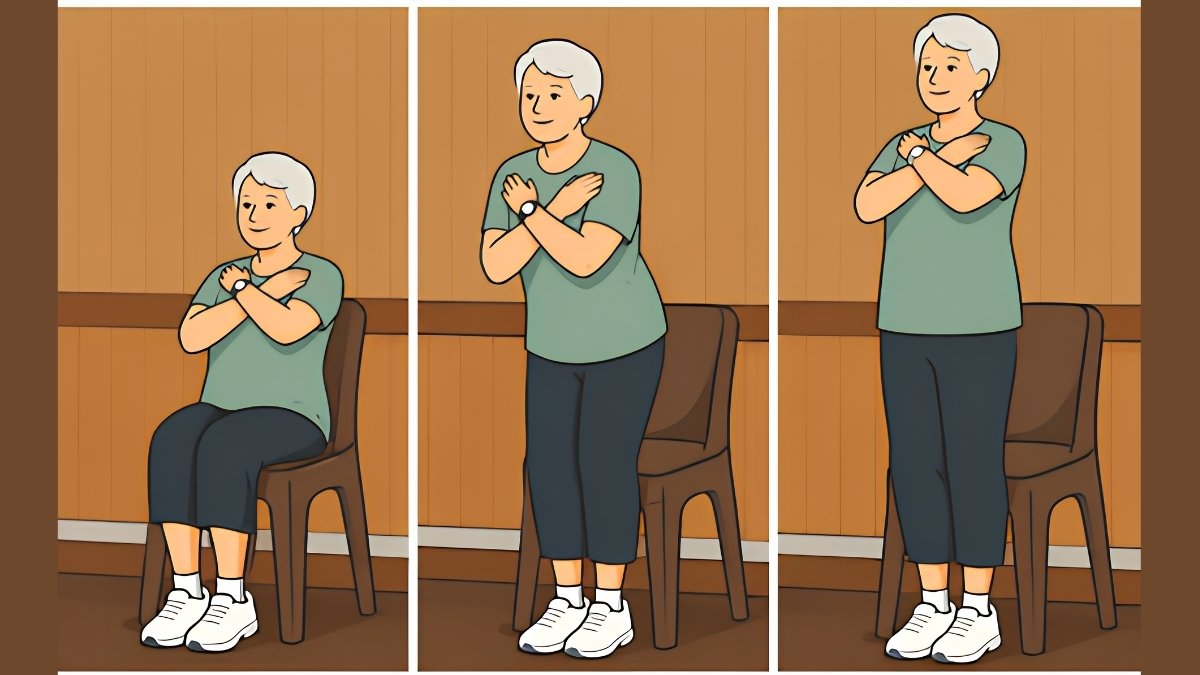
One long running study that followed older women for eight years found that the quickest quarter of participants, timed on how fast they could complete five chair stands without using their arms, had a 34 percent lower risk of death than the slowest quarter.
That held true even after researchers accounted for body weight, activity level, and markers of inflammation in the blood.
The mechanism is quad and glute strength translated directly into a movement you already do dozens of times daily, which is what makes it more useful than an isolated leg exercise done once a week.
Try this today: from a sturdy chair, stand up and sit back down five times in a row without using your hands. Repeat once or twice more through the day.
5. Carrying Things By Hand
Before wheeled carts and delivery apps, getting food, water, and firewood home meant carrying it, often for a distance, often several times a day.
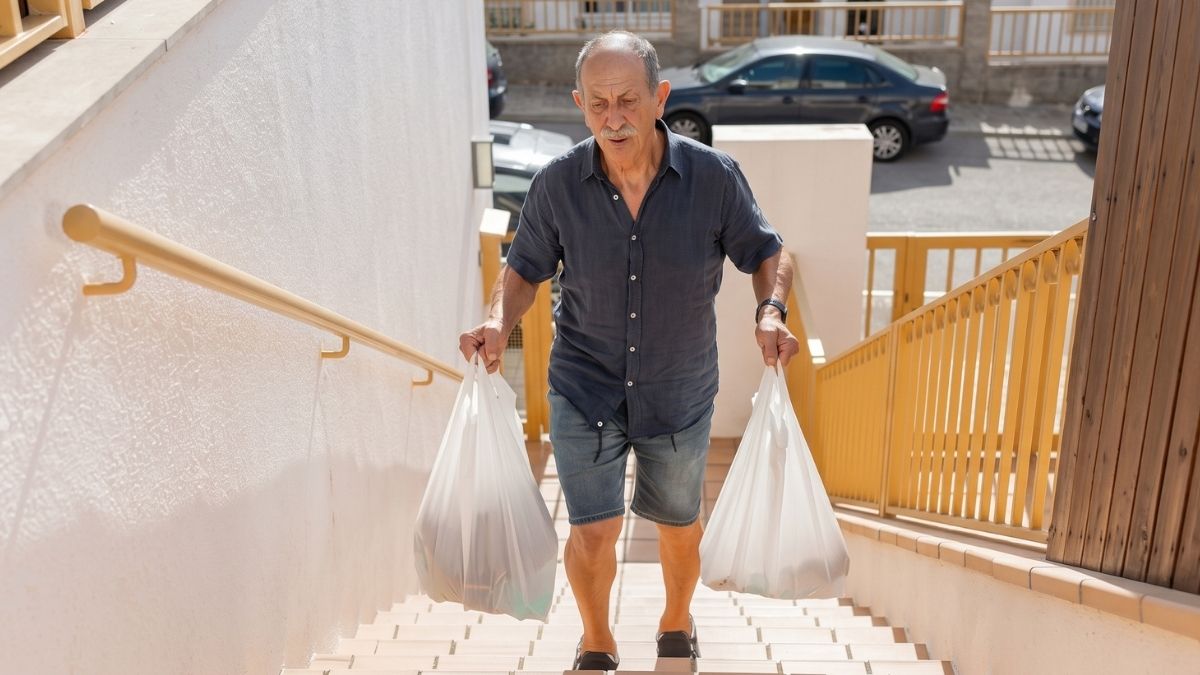
A large analysis pooling data from more than three million adults found that every five kilogram drop in grip strength was linked to a 16 percent higher risk of death from any cause. Grip strength is not really about hand health on its own. It is a proxy researchers use for overall muscle mass, nerve function, and general physical resilience.
The actionable version of this is simple. Carry your own groceries instead of wheeling them the whole way, hand carry a laundry basket instead of dragging it, or, as a dedicated exercise, hold something heavy in each hand (water jugs work well) and walk 30 to 40 steps.
6. Balancing on One Leg While Doing Something Else
Balance is easy to ignore because it tends to hold up fairly well until the mid 50s, then it starts declining faster than most people expect.
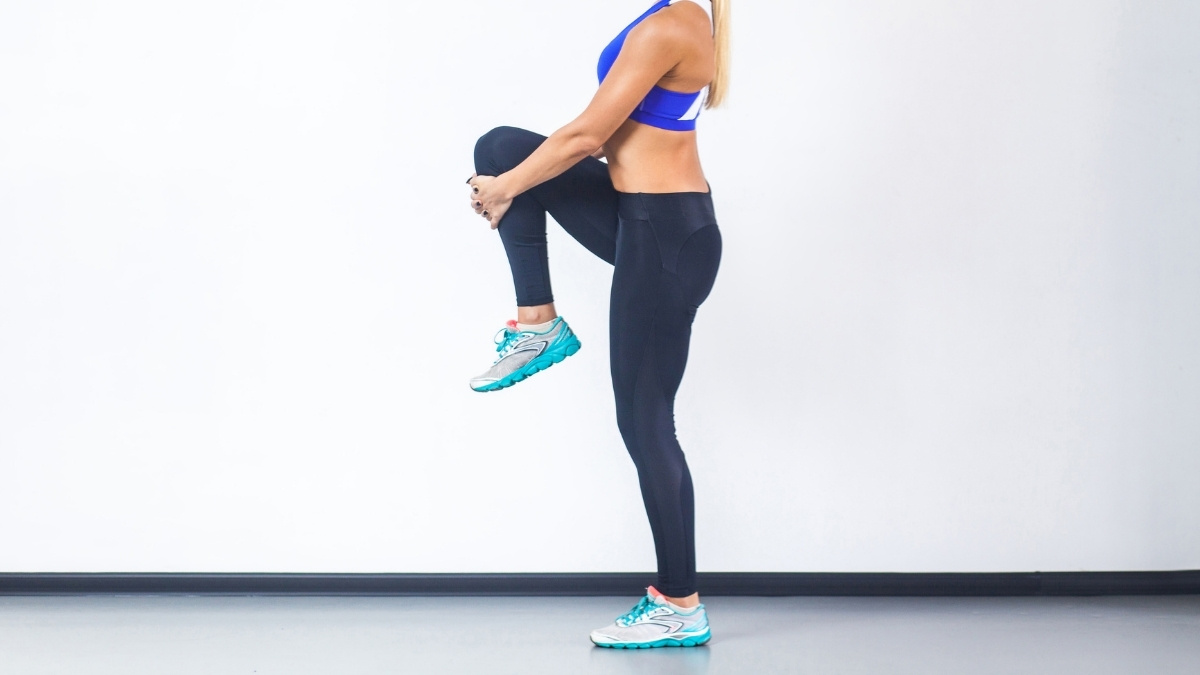
Researchers testing more than 1,700 adults asked them to stand on one leg, unsupported, for 10 seconds. Those who could not do it had an 84 percent higher risk of dying within the next decade compared with those who could, even after accounting for age, weight, and existing health conditions.
The mechanism is that balance is not one skill. It pulls in your inner ear, your eyesight, the nerves in your feet, and small stabilizer muscles around your ankles and hips all at once, so when balance declines it is usually a sign several systems are declining together.
Try this today: stand on one leg while you brush your teeth or wait for the kettle. Switch legs halfway. Hold onto a counter at first if you need to, and work toward not needing it.
7. Climbing Stairs and Hills Instead of Avoiding Them
Flat ground walking is good. Walking that includes an incline is better, and it is built into daily life in places like Sardinia, where mountain terrain simply cannot be avoided.
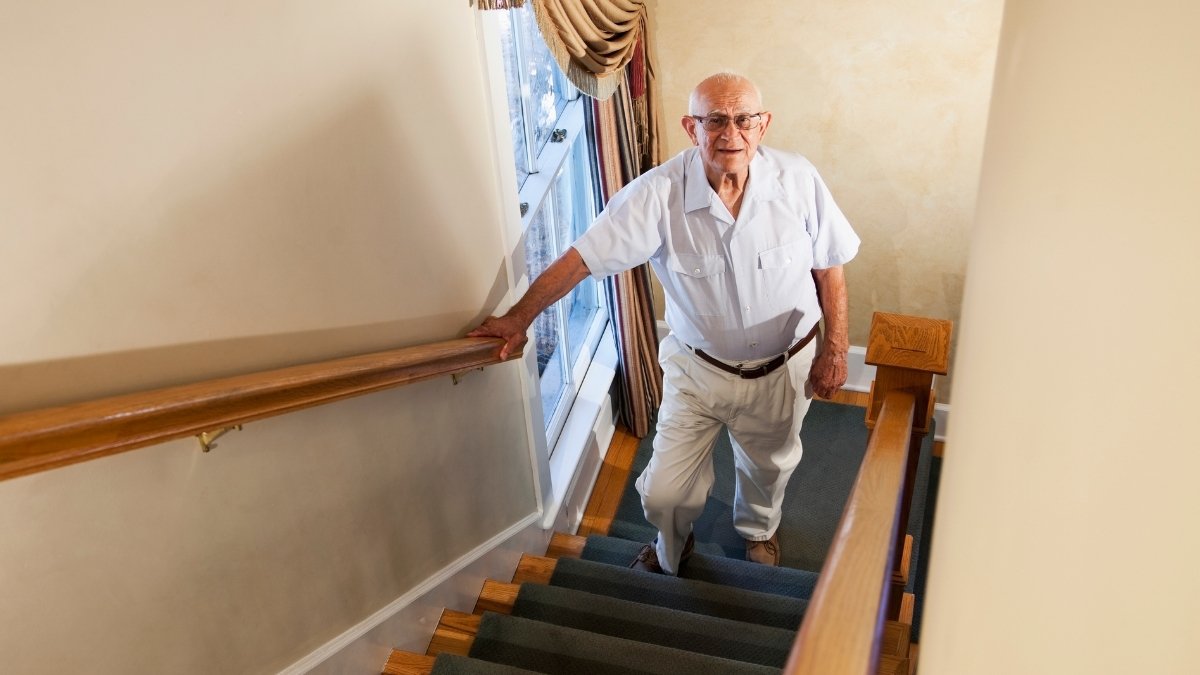
The mechanism is that an incline forces the heart and lungs to work harder while also demanding more from the legs than flat walking does, so you get a cardio benefit and a strength benefit in the same few minutes.
Try this today: take the stairs instead of the elevator when it is safe to do so, or add one hill or ramp to a regular walking route.
What Your Gym Membership Is Missing
Structured workouts are not wrong, but longevity researchers keep pointing to one gap they leave open: consistency across an entire day rather than one intense hour followed by nine hours of sitting.
Two Ways to Get Fit
The Gym Isn’t the Only Way This Works
Centenarians rarely “work out” — their environment just requires movement, all day, without deciding to.
Cardio
Strength
Balance
Consistency
Neither approach is useless. The point researchers make is that a person who trains hard for an hour and then sits the rest of the day is sending their body a very different signal than someone who simply never stops moving in small ways.
Try This Today: The Daily Habit That Actually Works
- Walk one errand instead of driving it, even a short one.
- Stand up from a chair five times without using your hands, twice today.
- Carry the groceries by hand for at least part of the trip inside.
- Balance on one leg while brushing your teeth, both sides.
- Spend ten minutes kneeling or squatting in a garden bed, a planter, or even the yard.
Two Quick Tests You Can Try Right Now

Both of these movements double as self tests researchers have used to study aging populations. Neither replaces a doctor’s assessment, but both give you a rough sense of where you stand.
| Self Test | How To Try It | What A Strong Score Looks Like | Linked Research Finding |
|---|---|---|---|
| Sitting rising test | Lower to sit on the floor and rise again, avoiding hands and knees if possible | Doing it with no support at all | Higher scores were tied to meaningfully better survival odds over years of follow up |
| 10 second balance test | Stand on one leg, unsupported, for 10 seconds, each side | Holding it steady on both legs | Inability to hold it was linked to an 84 percent higher risk of death within a decade |
This article is for general information and is not a substitute for professional medical advice, diagnosis, or treatment. Always consult your doctor before starting a new activity, especially if you have a heart condition, joint problems, balance issues, or are recovering from an injury or surgery.
When These Aches Are More Than Just Aging
Most of what is described here is meant to be gentle and low risk, but a few warning signs mean it is time to stop and call a doctor rather than push through.
- Chest pain, pressure, or unusual shortness of breath during any activity.
- Dizziness, lightheadedness, or fainting while standing, walking, or balancing.
- Frequent falls or near falls, especially if they are new.
- Sudden numbness, tingling, or vision changes during movement.
The Real Secret Is There Is No Secret
None of these seven movements are exotic. Centenarians in the Blue Zones are not doing interval training or lifting barbells. They are walking somewhere, standing up without help, carrying their own bags, gardening, climbing stairs, and balancing on one leg while they do other things, all without ever calling it a workout.

The research behind each of these seven habits keeps circling back to the same idea. It is not one hour of intensity that predicts a long, capable life. It is thousands of small, ordinary movements repeated so often they stop feeling like exercise at all.
This article is for informational purposes only and is not a substitute for professional medical advice, diagnosis, or treatment. Always consult your doctor or a qualified healthcare provider before making changes to your diet, exercise routine, or daily activity level, especially if you have an existing health condition.