
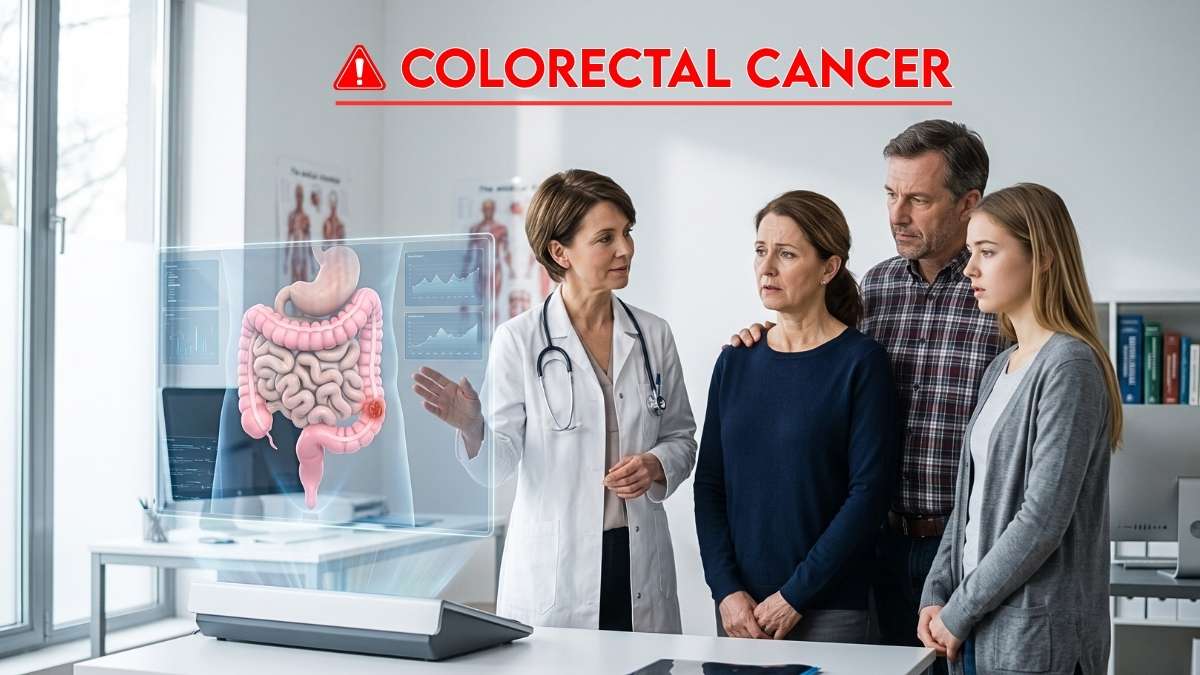
If you are under 50 and skipping any thought about your colon because you feel fine, you are not alone, and that is exactly the problem.
Colorectal cancer has quietly climbed past every other cancer to become the single biggest cancer killer of people under 50 in this country. Most people find out the way you just did, by accident, not from a doctor’s warning.
Ignore the signs (a bathroom habit that changed, blood you blamed on hemorrhoids, months of stomach pain you chalked up to stress) and a treatable disease gets months, sometimes years, to grow unnoticed.
There is a reason this shift happened so fast, and there are specific things you can do about it starting today.
Before making any changes based on this article, talk to your doctor, especially if you are currently taking medication or have a diagnosed condition.
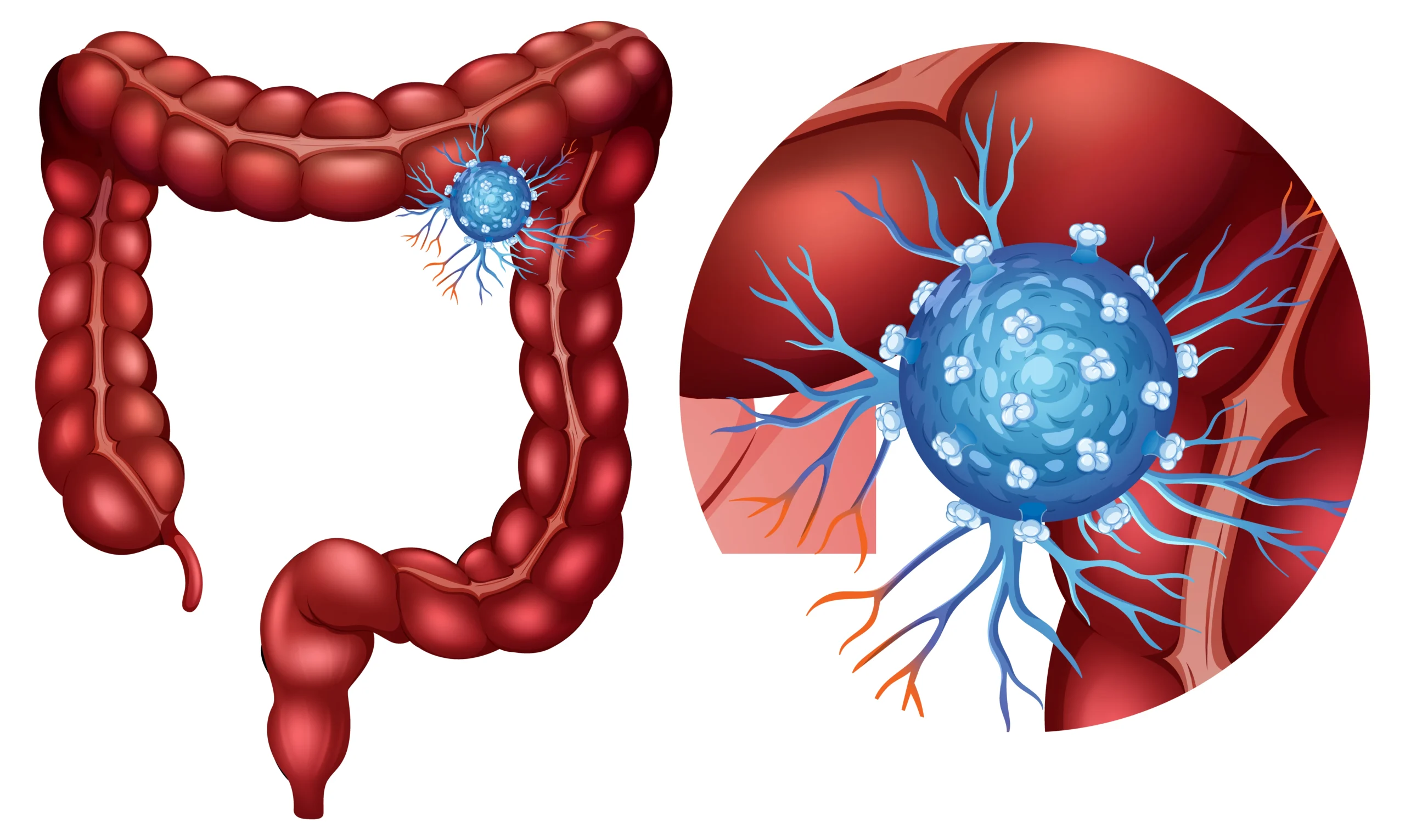
The Study That Confirmed What Doctors Were Already Seeing
This is not a scare tactic. It is a documented shift, and it happened faster than researchers expected.
A study led by Rebecca Siegel of the American Cancer Society, published in JAMA in 2026, analyzed nearly 1.3 million cancer deaths in people younger than 50 between 1990 and 2023. In 1990, colorectal cancer ranked fifth among cancer deaths in that age group. By 2023, it ranked first.
Researchers had projected colorectal cancer would take the top spot by 2030. It got there seven years early.

Here is the part worth sitting with: overall cancer deaths in people under 50 actually fell by 44 percent since 1990. Lung cancer deaths dropped nearly 6 percent a year. Leukemia deaths dropped too.
Breast cancer deaths declined as well, though breast cancer remains the top cancer killer specifically among women under 50. Colorectal cancer was the only one of the five leading cancers moving in the wrong direction, climbing about 1 percent a year since 2005.
One clarification matters here. “Number one killer” refers to cancer deaths specifically, not every cause of death combined. Accidents and overdoses still claim more lives overall in this age group than any single cancer does.
But among cancers, colorectal cancer is now the top killer of people under 50, and doctors at Stanford Medicine and Loma Linda University Cancer Center describe the trend as an outlier nobody fully expected.
Dr. Mark Reeves, director of the Loma Linda University Cancer Center, put it plainly: colorectal cancer has “overtaken breast cancer as the biggest killer of people under 50 in the United States,” and he believes the rise is largely environmental, tied to obesity, sedentary lifestyles, and diets heavy in processed food and red meat.
The Symptoms Getting Waved Off As Nothing
Here is why this disease is catching people off guard. Unlike older adults, who are often caught through routine screening before symptoms even start, most younger patients only get diagnosed after symptoms show up, and those symptoms look almost identical to things everyone assumes are harmless.

Rectal bleeding is the most common early sign, and almost half of young people with colon cancer experience it. It gets brushed off as hemorrhoids constantly, because hemorrhoids are common and usually are the explanation.
The problem is you cannot tell the difference by eye. Cancer related bleeding tends to be more persistent or to keep recurring, while hemorrhoid bleeding is typically tied to a bowel movement and resolves.
Doctors at Stanford Medicine describe a familiar pattern: bleeding gets dismissed as hemorrhoids, stomach cramps get blamed on diet or irritable bowel syndrome, and sometimes the first symptom anyone takes seriously is a bowel obstruction, meaning the tumor has already grown large enough to physically block the intestine.
Symptom Awareness
The Symptoms Too Many People Explain Away
Each one has an easy, everyday explanation — and each one deserves a second look if it doesn’t add up.
Rectal bleeding or blood in stool
Often mistaken for hemorrhoids
Get it checkedeven a single episode, especially if it recurs
Persistent diarrhea or constipation
Often mistaken for IBS, diet, or stress
Get it checkedif it lasts more than a week with no clear cause
Narrow or thin stools
Often mistaken for ordinary diet changes
Get it checkedespecially alongside other symptoms on this list
Ongoing abdominal cramping or bloating
Often mistaken for food intolerance
Get it checkedif it doesn’t resolve within a couple of weeks
Unexplained weight loss or fatigue
Often mistaken for being busy, stress, or poor sleep
Get it checkedthis can signal more advanced disease
Iron deficiency anemia
Often mistaken for diet or heavy periods
Get it checkedunexplained anemia should always be investigated
Everyone’s body responds differently, so check with your doctor before assuming any of these symptoms are nothing, particularly if more than one shows up at once.
Why Younger Bodies Slip Through the Cracks
Part of the delay is structural. Screening historically started at 50, so nobody was looking for this in a 34 year old. Part of it is social. Bowel habits are not exactly dinner table conversation, so people sit on symptoms out of embarrassment. And part of it is simple statistics.

Because colorectal cancer has long been thought of as an older person’s disease, both patients and doctors tend to reach for a more common, less alarming explanation first.
About three in four people under 50 diagnosed with colorectal cancer are already at an advanced stage by the time they are caught. That is not because the cancer moves faster in younger bodies. It is because it takes longer to get taken seriously.
Genetics plays a role for some. Having a parent, sibling, or child with colon cancer more than quadruples your own risk. Inherited conditions like Lynch syndrome or familial adenomatous polyposis (FAP) can push lifetime risk as high as 80 to 100 percent without preventive care.
But most early onset cases are not tied to a known inherited syndrome, which is part of why researchers point to environmental and lifestyle shifts, including rising obesity rates, more sedentary jobs, and diets higher in ultra processed food and red meat, as likely contributors.
Lifestyle Factors
The Habits That Tip the Scale
None of these guarantee an outcome on their own — but together, they shift the balance in one direction or the other.
Try This Today
- Write down when your last bowel habit change started, and whether it has lasted more than a week.
- Ask a parent or older relative whether anyone in the family has had colon or rectal cancer, at any age.
- If you are 45 or older, book a screening conversation with your doctor this month, even if nothing feels wrong.
- Swap one processed meat meal this week for a fiber heavy alternative like beans, lentils, or a vegetable forward dish.
- If you notice blood, persistent pain, or a bathroom habit that will not go back to normal, call your doctor instead of waiting it out.
What Age Should You Actually Start Screening?
For decades, 50 was the number everyone knew. That changed in 2021, when the U.S. Preventive Services Task Force lowered the recommended screening age to 45 for people at average risk. If you have a first degree relative with colorectal cancer or a known genetic syndrome, your doctor may recommend starting even earlier.

Screening does not always mean a colonoscopy right away. Depending on your risk level, options include a colonoscopy every ten years, an annual stool based test like a FIT test, or other approaches your doctor can walk you through. The point is not which test. The point is not skipping the conversation because you assume you are too young.
| Timeframe | What Was True | What Is True Now |
|---|---|---|
| Before 2021 | Routine screening started at 50 | Routine screening starts at 45 for average risk |
| Diagnoses under 65 | Made up 27 percent of new cases in 1995 | Make up around 45 percent of new cases today |
| Rectal cancer specifically | A smaller share of colorectal diagnoses | Now close to one third of all colorectal cancer diagnoses |
| Symptom response | Often dismissed as hemorrhoids or IBS in younger patients | Groups like the American College of Surgeons now push doctors to investigate symptoms at any age |
A Few Things People Ask Next

Can you get screened before 45 if nothing seems wrong? Yes, and if you have a family history or persistent symptoms, you should ask about it rather than wait for a birthday to make the decision for you.
Is this only happening in the United States? No. Early onset colorectal cancer is rising in multiple countries, though the exact pace varies, and researchers are still studying why certain regions and generations are affected more than others.
Does a clean colonoscopy at 45 mean you are safe until your next one? Generally yes for average risk individuals on the standard ten year interval, but new or persistent symptoms in between screenings still warrant a visit to your doctor rather than waiting for the next scheduled test.
What is the single biggest mistake people make? Assuming age rules it out. Doctors across multiple cancer centers describe the same pattern: younger patients and their providers both reach for a more common explanation first, and that assumption is what delays diagnosis the most.
When To Stop Reading And Call A Doctor
These are not symptoms to sit on, regardless of your age:
- Rectal bleeding or blood in your stool, even a single episode
- A change in bowel habits, new constipation, diarrhea, or narrow stools, that lasts more than a week
- Unexplained weight loss, ongoing fatigue, or anemia with no clear cause
- Abdominal pain or cramping that does not resolve and is not tied to something you can explain
The Bottom Line
Colorectal cancer did not become more dangerous overnight. What changed is who it is showing up in, and how long it takes to get noticed once it does. The good news is that this is one of the more preventable and, when caught early, more treatable cancers that exists. Knowing your family history, paying attention to symptoms instead of explaining them away, and starting screening at 45 (or earlier if your risk warrants it) are the specific, unglamorous steps that actually move the needle.
This article is for informational purposes only and is not a substitute for professional medical advice, diagnosis, or treatment. Always consult your doctor or a qualified healthcare provider before making changes to your diet, exercise routine, or medications, especially if you have an existing health condition.