

You have heard it all before. Cold plunges. Fasting windows. Expensive supplements. Everyone is selling you a complicated path to living longer.
But what if the simplest thing — something you did freely as a child — was quietly one of the most powerful longevity tools science has ever confirmed?
A massive Japanese study tracked 17,152 people and found that those who rarely laughed died younger. Not because of diet or disease alone. Because of laughter frequency.
This article breaks down exactly what happens in your body when you laugh, why it protects your genes, and how two deliberate minutes per day can start changing your biology today. No equipment needed. No cost. Just facts and a simple plan.
The Two-Minute
Laughter Effect
This article is structured into 8 points—read them one by one to discover how just two minutes of laughter may activate powerful longevity benefits and support overall well-being.
Point One: A 17,000-Person Study Proved That Laughing Less Kills You Faster

This is not folk wisdom. This is epidemiology.
The Yamagata Study in Japan followed 17,152 adults for over five years. Researchers found that people who laughed less than once a month had significantly higher rates of death from all causes — especially heart disease — compared to daily laughers.
Laughter frequency was an independent risk factor for death. That means even when scientists controlled for other health factors, laughing less still predicted dying sooner.
A separate 15-year Norwegian study — the Trøndelag Health Study — confirmed this. Men with a high sense of humor reduced their risk of dying from infection by up to 74%.
Dr. Naushira Pandya, chair of geriatrics at Nova Southeastern University, has worked with patients in their late 90s and over 100. Her consistent observation: they all laugh constantly and are not afraid to make a joke.
This is not a coincidence. Laughter and longevity are biologically connected.
3 Actionable Tips:
- Track how often you laugh each day this week — awareness is step one
- If you go a full day without laughing, treat it as a health warning sign
- Share one genuinely funny thing with someone you trust every single day
Point Two: Inside Your Body — What Laughter Does in the First 60 Seconds
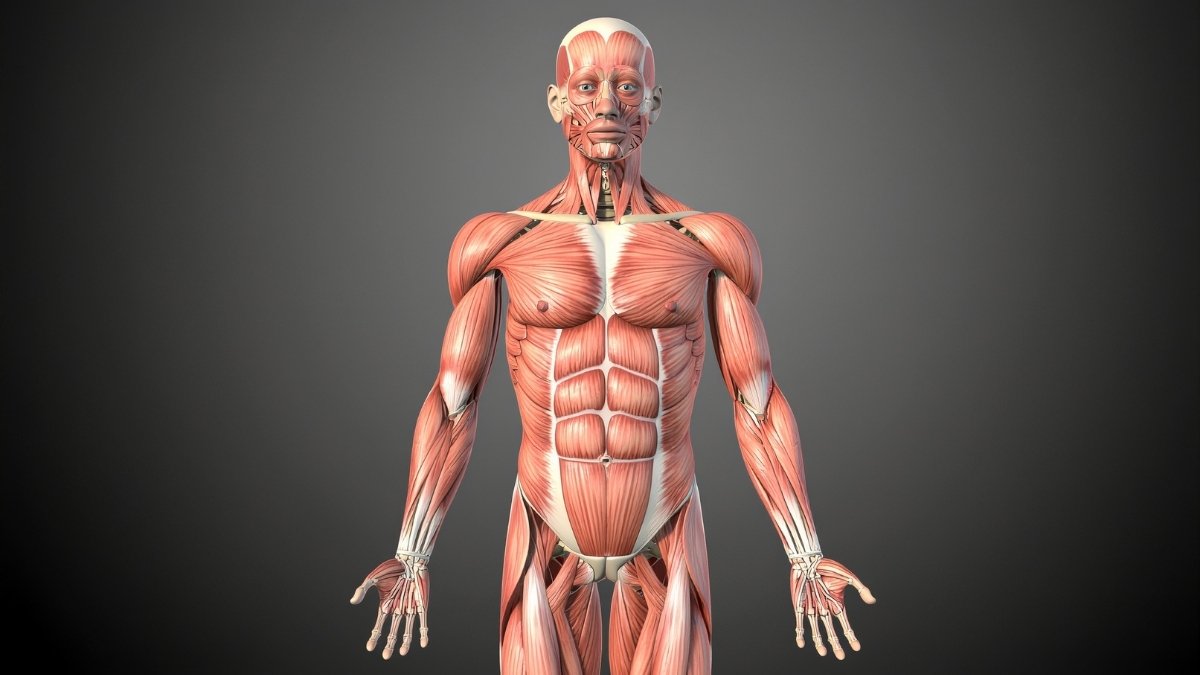
The moment you start laughing, your brain releases endorphins. These are natural painkillers. Dopamine — the reward chemical — follows immediately.
Your heart rate and blood pressure rise for a few seconds, then drop below their baseline. Dr. William Fry, the scientist who founded the study of laughter, called this effect “internal jogging.” Your cardiovascular system gets a brief workout and then resets to a calmer state.
At the same time, cortisol and epinephrine — your main stress hormones — start falling. Dr. Lee Berk and Dr. Stanley Tan at Loma Linda University were the first to scientifically prove this. Their research showed laughter actively optimizes your hormones.
Your lungs, diaphragm, and facial muscles all engage. You are breathing deeper. You are moving. You are chemically different than you were 60 seconds ago.
And here is the most important finding: your body cannot tell the difference between real laughter and deliberate laughter. The benefits are the same either way.
3 Actionable Tips:
- Do three deep belly laughs — “Ha Ha Ha” out loud — every morning before checking your phone
- Bookmark one comedy clip online and watch it when stress spikes during your day
- Smile and laugh out loud alone in your car. It counts. Your body responds the same way
Point Three: The Longevity Gene Connection — How Laughter Protects Your Biological Clock

Every chromosome in your body has a protective cap called a telomere. Think of it like the plastic tip on a shoelace. Each time your cells divide, that tip gets a little shorter. When it gets too short, the cell breaks down. That is aging at the molecular level.
Here is the problem: chronic stress floods your body with cortisol. Cortisol suppresses telomerase — the enzyme that repairs and maintains telomere length. UCLA scientists published this finding in a peer-reviewed journal. Cortisol is literally shortening your biological lifespan.
Laughter directly reduces cortisol. That means laughter protects telomerase. And telomerase protects telomere length. And longer telomeres mean your cells age more slowly.
A 2025 review confirmed that laughter interventions are associated with preserved telomere health through reduced inflammation.
So when scientists say laughter “triggers longevity genes,” this is what they mean. Laughter does not flip a single switch. It protects the entire mechanism your body uses to keep cells alive longer.
3 Actionable Tips:
- Reduce one daily stress trigger and replace that time with something that genuinely makes you laugh
- Get a cortisol-lowering habit in place: two minutes of laughter right after your most stressful part of the day
- Think of every genuine laugh as a small deposit into your cellular repair account
Point Four: Your Immune Army Wakes Up — Natural Killer Cells and the 31.9% Effect
Your immune system has specialized soldiers called Natural Killer cells — NK cells. They scan your body and destroy infected cells and early-stage tumor cells. They do not need a previous infection to act. They just attack threats on contact.
Dr. Lee Berk and Dr. Stanley Tan confirmed that laughter directly increases NK cell activity. It also boosts T-cells and immunoglobulins — the antibodies that fight infections.
A peer-reviewed 2025 review in AIJR Journals found that laughter interventions produced a 31.9% reduction in cortisol levels across multiple studies. Since cortisol suppresses your immune system, this drop means your immune army gets stronger every time you laugh.
Here is the most striking finding: you do not even need to laugh yet. Loma Linda University research showed that just anticipating laughter — knowing something funny is coming — drops cortisol by 39% and epinephrine by 70%.
Planning to watch a comedy tonight is already helping your body right now.
3 Actionable Tips:
- Schedule a comedy show, funny podcast, or humor call with a friend — put it on your calendar like an appointment
- When you feel a cold coming on, add deliberate laughter to your response alongside rest and hydration
- Tell your immune system what day it is: laugh on purpose, even for 90 seconds, every single morning
Point Five: The Centenarian Clue — What People Over 100 Actually Have in Common

She is 103. She is laughing at her own jokes. And she is not an exception.
The Albert Einstein College of Medicine’s Longevity Genes Project studied 243 people aged 95 to 107. One of the strongest recurring traits was a positive, outgoing personality — and a tendency toward laughter.
Dr. Naushira Pandya, who works with some of the oldest patients in the United States, says plainly: her centenarians all laugh constantly. They joke. They find things funny. It is not an accident.
Scientific American reported in February 2024 that a sense of humor is linked to lower mortality rates — especially in women. More importantly, it confirmed that humor is a learnable skill. You are not born with it or without it. You can build it at any age.
This connects to the Japanese concept of “ikigai” — a sense of purpose and daily joy. Japanese research links ikigai to better cardiovascular health and longer life. Laughter is one of its clearest expressions.
3 Actionable Tips:
- Follow one comedy account, funny newsletter, or humor-focused creator starting today
- Practice retelling one funny memory to someone this week — humor is a muscle you build
- Find your “ikigai” by asking: what made me laugh freely as a child? Start there
Point Six: Laughter vs. Chronic Stress — Your Body Cannot Run Both at the Same Time

Your nervous system has two modes. The parasympathetic mode handles rest, repair, and longevity. The sympathetic mode handles stress, danger, and survival. You cannot run both at once.
Chronic stress keeps your body in survival mode all day. It raises cortisol. It shortens telomeres. It shuts down your NK cells. It increases inflammation and raises blood pressure. Every one of these effects accelerates aging.
Laughter forcibly switches your body from survival mode to repair mode. It is not gentle. It is immediate and measurable.
A 2000 study found that people with heart disease were 40% less likely to laugh or recognize humor compared to healthy people of the same age. Stress does not just make you feel bad — it literally kills your ability to find things funny, which removes your biological antidote.
A 12-week randomized trial with 235 participants found that laughter yoga improved body weight, stress levels, and quality of life in people at risk for metabolic syndrome.
3 Actionable Tips:
- When you feel overwhelmed, laugh first — even fake laughter — before problem-solving. It resets your biology
- Identify your top three daily stress triggers and attach a small laughter habit directly after each one
- Do not wait until you feel good to laugh. Laugh to start feeling good
Point Seven: The 2-Minute Protocol — Start This Today, No Equipment Needed

One minute of intentional laughter has been shown to improve well-being, according to a 2023 research review from Exploration Publishing. Two minutes puts you safely above that threshold.
And you do not need to be funny. You do not need an audience. Your body responds the same way to deliberate laughter as it does to spontaneous laughter. This is the science behind laughter yoga, now practiced in over 110 countries and founded by Dr. Madan Kataria.
Here is the exact 2-minute protocol:
Step 1 — 30 seconds: Place one hand on your belly. Breathe in. Exhale with a loud “Ha Ha Ha.” Repeat. This alone begins lowering cortisol.
Step 2 — 30 seconds: Recall a genuinely funny memory, or pull up one short comedy clip. Even anticipating laughter shifts your hormones immediately.
Step 3 — 60 seconds: Keep laughing. Sustain it. It feels odd at first. That is fine. NK cells and endorphins are activating regardless.
Attach this to your morning coffee. Or do it right after lunch. Consistency matters more than timing.
3 Actionable Tips:
- Visit laughteryoga.org for free daily Zoom laughter sessions with real people worldwide
- Search “Dr. Madan Kataria 100 laughter exercises” on YouTube — it is free and takes under 10 minutes
- Put a 2-minute laughter reminder in your phone for the same time every day this week
Point Eight: Who Needs This Most — The Groups Where Laughter Has the Biggest Impact

The people who need laughter most are often the ones who have stopped laughing entirely.
A 2025 study from Golestan University confirmed that laughter yoga significantly increases happiness and life expectancy in elderly individuals — at zero cost and with no side effects.
A 2024 study by Moon et al. found laughter therapy reduced pain, mood disturbances, and caregiver burnout in terminally ill cancer patients. In one of medicine’s hardest situations, laughter still worked.
Multiple studies confirm laughter therapy reduces depression and anxiety symptoms, boosts self-esteem, and improves social connection. The Mayo Clinic notes laughter lowers epinephrine and cortisol — the two hormones most linked to anxiety and depression.
Laughter is 30 times more likely to happen around other people than alone. If you are isolated, laughter clubs and group laughter yoga directly fight loneliness while delivering real health benefits at the same time.
For stressed professionals, nurses, and caregivers: a randomized controlled trial confirmed laughter yoga reduced pandemic burnout and improved life satisfaction in healthcare workers.
Stress kills the humor response. That is why the people who most need this information are the last ones to use it.
3 Actionable Tips:
- If you care for an elderly parent or loved one, introduce a daily 2-minute laughter practice together
- If you work in a high-stress role, propose a “2-minute laugh break” at your workplace — the data supports it
- If you are isolated, find a free online laughter yoga group. laughteryoga.org lists them by country and time zone
Conclusion:

Laughter is not extra. It is biological medicine.
It lowers cortisol. It protects your telomeres. It activates your immune cells. It switches your body from aging fast to repairing itself.
Two minutes a day. No cost. No equipment. The science is clear.
Start laughing on purpose — starting right now.