

Your body cannot tell the difference between a lion chasing you and an angry email from your boss. To your brain, both are the same threat. And when that threat signal fires every single day — at work, at home, in traffic, on your phone — your body pays the price.
This is not about feeling anxious or burned out. This is biology. Chronic stress raises a hormone called cortisol. When cortisol stays high for too long, it starts breaking down your heart, your immune system, your gut, and your brain — one day at a time.
Right now, 75% of U.S. adults report stress symptoms that affect their physical health. That number is not surprising. What is surprising is how few people know exactly what stress is doing inside their bodies — and how to stop it.
This article gives you both. The science. And the solution.

Point One: What Chronic Stress Really Is (And Why Your Brain Is Stuck in Panic Mode)
Not all stress is bad. Short-term stress — the kind you feel before a job interview — is useful. It sharpens your focus. It gives you energy. Then it goes away.

Chronic stress is different. It never goes away.
Your brain has a built-in alarm system. When it senses danger, it sends a signal to your adrenal glands, which release cortisol and adrenaline. This system is called the HPA axis — your hypothalamus, pituitary, and adrenal glands working together.
Here is the problem. That alarm system cannot tell the difference between a physical threat and a mental one. A past-due bill. A difficult boss. A stressful news headline. Your brain treats all of it like a lion attack.
So the alarm keeps firing. Day after day. And cortisol — which is only meant to spike briefly — stays elevated for weeks, months, or years.
Dr. Bruce McEwen of Rockefeller University called this “allostatic load.” It means your body is carrying far more biological stress than it was designed to handle. And over time, that load starts to cause real, measurable damage.
Point Two: How High Cortisol Slowly Damages Your Body From the Inside
When cortisol stays high, it does not just make you feel stressed. It physically changes your body.
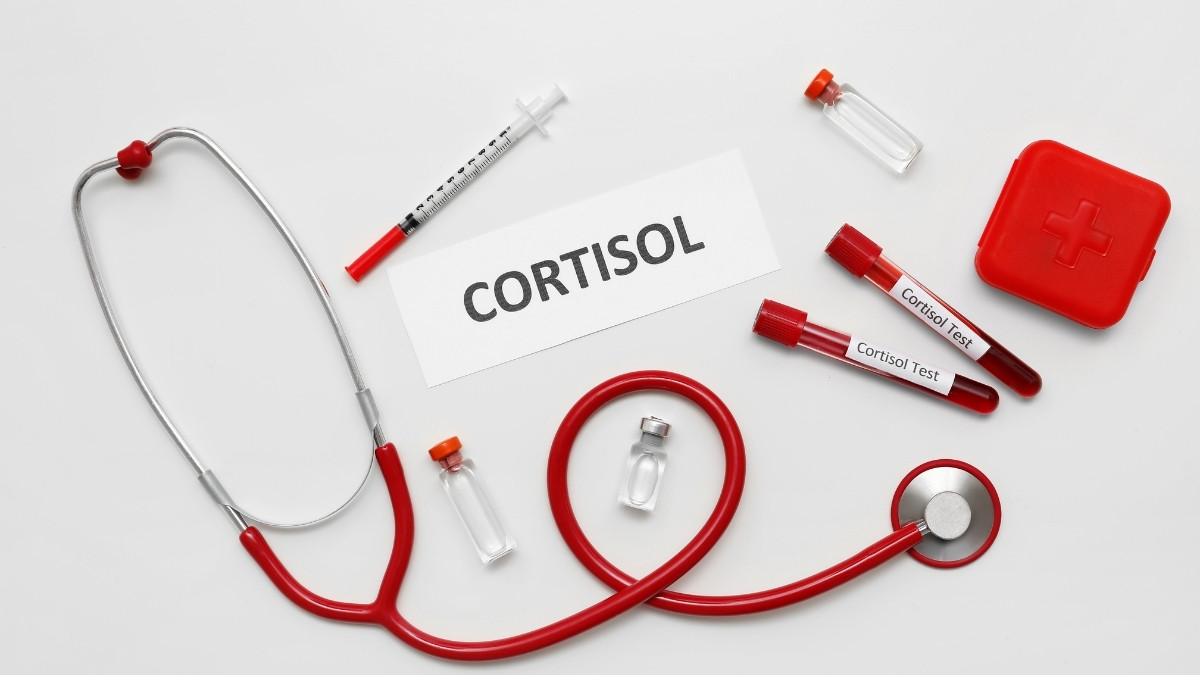
First, it triggers inflammation. Cortisol is supposed to control inflammation. But when it is always elevated, your immune cells stop responding to it. Inflammation spreads unchecked throughout your body. This chronic inflammation is the root cause of nearly every major disease.
Second, it damages your blood vessels. High cortisol causes your heart to beat faster and your arteries to tighten. Over time, this creates tiny tears in artery walls. Plaque builds up. Blood pressure rises.
A 2024 review in the journal Heart and Mind confirmed that chronic psychological stress promotes atherosclerotic plaque buildup through direct pro-inflammatory effects on blood vessels.
Third, it disrupts your immune system. Research published in PMC showed that chronic stress directly stimulates the bone marrow to produce more inflammatory white blood cells. Your immune system shifts into a constant low-grade fight — even when there is nothing to fight.
Your body was not built to run at this speed forever.
Point Three: The Major Diseases Tied Directly to Chronic Stress
Stress does not just make you feel bad. It causes disease. Here is what the research actually shows.
Heart disease. Chronic stress raises blood pressure, increases inflammation, and promotes plaque in arteries. A 2025 PMC review confirmed that psychological stress is a critical risk factor for ischemic heart disease — especially in women.
Type 2 diabetes. Cortisol blocks your cells from using glucose properly. Blood sugar stays high. Over time, this leads to insulin resistance and diabetes.
Cancer. A 2025 PubMed bibliometric study reviewed 618 scientific articles from 2014 to 2024 and found that chronic stress is increasingly recognized as a factor in cancer development.
Depression and anxiety. Chronic cortisol disrupts neurotransmitter production and shrinks the hippocampus — the part of your brain that regulates emotion and memory.
Gut disease. Stress damages the gut lining, disrupts your microbiome, and can trigger conditions like IBS, acid reflux, and inflammatory bowel disease.
A Springer Nature cross-sectional study found that 68.7% of chronic disease patients also have significant ongoing stress. That number is not a coincidence.
Point Four: Warning Signs You Are Already Stuck in a Stress Loop
Most people do not realize they are in chronic stress. They think they are just tired. Or busy. Or getting older.

Here are the real warning signs.
Physical signs: You feel tired even after sleeping. You get sick often. Your muscles are constantly tight. You have frequent headaches or stomach problems. Your weight is changing without clear reason.
Behavioral signs: You rely on caffeine to get through the day. You use alcohol, food, or screens to wind down. Sleep is light or broken.
Cognitive signs: You forget things easily. You feel foggy. Making small decisions feels exhausting.
Emotional signs: Small things make you react strongly. You feel detached from people you care about. Nothing feels enjoyable anymore.
A 2025 Science Daily study confirmed that perceived stress directly worsens insomnia, and that insomnia then makes stress worse. It is a loop. Each symptom feeds the next.
If you recognize three or more of these signs, your body is already asking for help.
Point Five: Why Stress Attacks Your Gut, Immune System, and Brain All at Once
Stress is not just a mental problem. It is a whole-body attack.
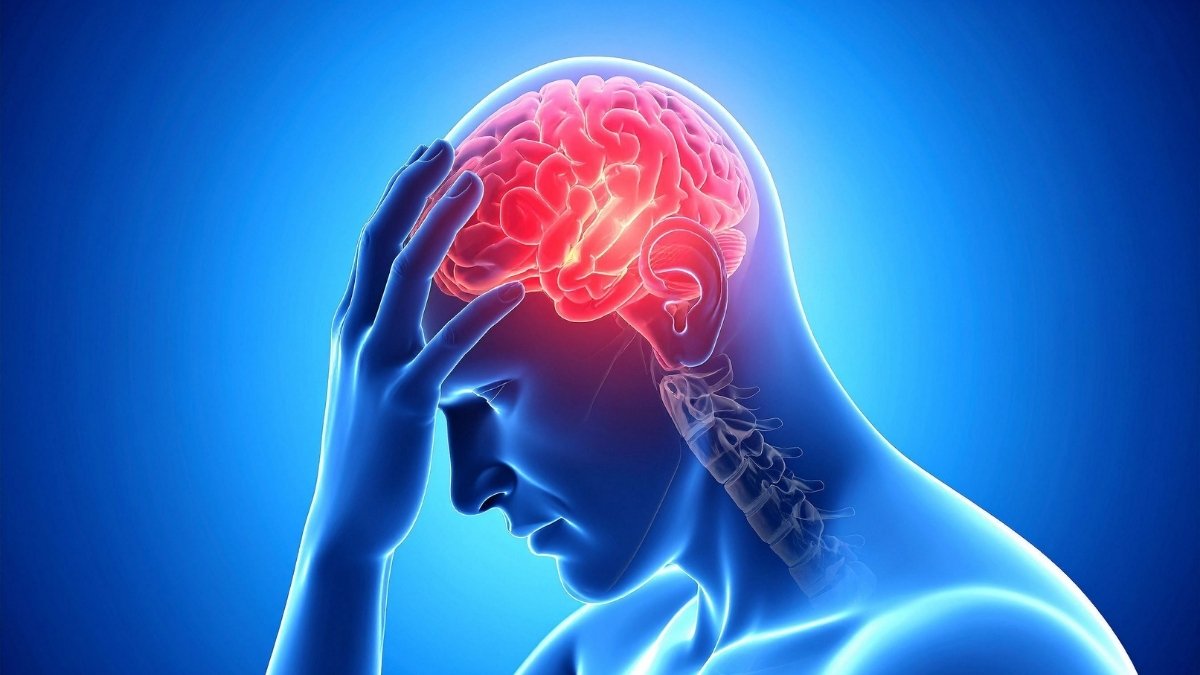
Your gut and brain are connected through the vagus nerve. This is called the gut-brain axis. When stress hits, your brain sends distress signals straight to your digestive system. Stomach acid changes. Gut bacteria get disrupted.
The lining of your intestines becomes more permeable — a condition commonly called leaky gut.
When the gut lining weakens, toxins and bacteria enter the bloodstream. This triggers more inflammation. More inflammation means more cortisol. More cortisol means more gut damage. The cycle continues.
At the same time, your immune system takes a hit. A 2024 study from Cureus confirmed that elevated cortisol reduces the percentage of lymphocytes — the immune cells that fight viruses and abnormal cells. Your body becomes less capable of defending itself.
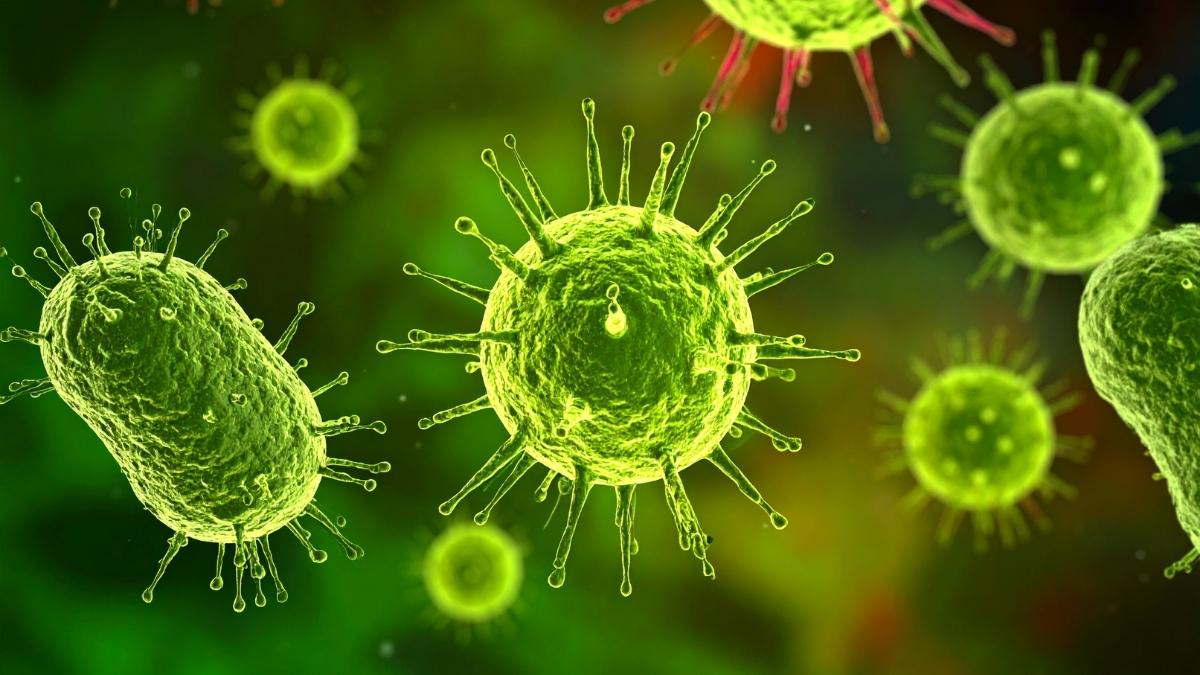
And in your brain, chronic cortisol damages the hippocampus — shrinking it over time. This explains the memory loss, the brain fog, and the emotional flatness that chronic stress produces.
Stress is not just in your head. It is in every system of your body.
Point Six: Five Science-Backed Ways to Lower Cortisol Starting Today
Here is what the research actually confirms works.
One — Mindfulness-Based Stress Reduction (MBSR). This is an 8-week program developed by Dr. Jon Kabat-Zinn. A 2024 meta-analysis of 58 clinical trials with 3,508 participants confirmed it produces meaningful reductions in cortisol levels. It is not meditation as a hobby. It is a medical-grade intervention.
Two — Aerobic exercise. Regular movement increases enzymes in your muscles that neutralize stress chemicals linked to depression. Even 30 minutes of brisk walking, five days a week, makes a measurable difference.
Three — Sleep. Seven to nine hours of quality sleep is not optional. Sleep debt spikes cortisol the next day and keeps inflammation active. Protect your sleep like your health depends on it — because it does.
Four — Box breathing. Inhale for 4 counts, hold for 4, exhale for 4. This activates your parasympathetic nervous system within minutes and directly lowers your cortisol response.
Five — Human connection. Oxytocin — released through genuine social contact — chemically blocks cortisol. Regular, real conversation is a biological stress reducer.
Point Seven: A Simple Daily Anti-Stress Protocol You Can Start Tomorrow
You do not need to change everything. You need to change a few key moments each day.

Morning. Do not check your phone for the first 15 minutes after waking. Your cortisol naturally peaks in the morning. Let it normalize before you flood your brain with information. Instead, do 5 minutes of slow breathing or a short walk.
During the day. Every 90 minutes, take a 2-minute break. Stand up. Breathe slowly. Look away from your screen. Research confirms these micro-breaks lower cortisol and restore focus better than pushing through.
Afternoon. Between 1 and 3 PM, cortisol is naturally lower. Use this window for low-pressure tasks. Do not schedule your hardest conversations or decisions here.
Evening. Two hours before bed, turn off news and work notifications. Blue light and information overload spike cortisol and destroy sleep quality.
Weekly. Take one 30-minute walk in a green space. One real social interaction. One activity you do just because you enjoy it.
Track your stress with tools like Oura Ring (HRV monitoring) or Insight Timer for guided breathing. These are practical and available right now in 2026.
Point Eight: When to Stop Self-Treating and Talk to a Doctor
Self-help strategies work — but only up to a point.

If your symptoms have lasted more than six months, if they are affecting your work or relationships, or if you feel hopeless or unable to function normally, you need professional support. That is not weakness. That is biology telling you the problem is bigger than breathing exercises can fix alone.
Here is what works clinically.
Cognitive Behavioral Therapy (CBT) has the strongest evidence base of any therapy for stress and anxiety. It rewires the thought patterns that keep your stress system activated.
MBSR programs are now available through hospitals, online platforms, and many employer wellness plans in 2026.
Saliva-based cortisol testing is now offered by functional medicine doctors and some primary care physicians. It shows your actual cortisol pattern throughout the day — which helps identify real HPA axis dysregulation versus perceived stress.
Integrative medicine doctors, registered dietitians, and sleep specialists now regularly treat chronic stress as a root cause of metabolic and autoimmune disease.
You do not have to wait until you are seriously ill. Ask for help now.
Final Words,

Chronic stress is not just a feeling. It is a biological process that damages your heart, gut, immune system, and brain — every single day you ignore it.
The science is clear. The solutions are real. Pick one strategy from Point Six or Seven and start today.
Your body can recover. But it needs you to act now.