

Your body has a biological clock. And for millions of people, it is running years ahead of schedule without them knowing it.
You might be 42 years old on paper but biologically closer to 55. That gap is real. It shows up in your energy, your muscles, your skin, and even your mood.
Most people blame it on stress or “just getting older.” But science says otherwise. These are measurable signs of premature aging. Your cells are telling you something important.
The good news? Biological age is not fixed. You can slow it down. You can even push it back.
This article covers 7 clear signs your body is aging faster than it should. Each sign is backed by real research from 2025 and 2026. And each one comes with something you can actually do about it today.

Read every sign. One of them will feel very familiar.
Sign 1 — Unexplained Muscle Loss Is One of the Clearest Premature Aging Signs
You carry fewer grocery bags than you used to. Stairs feel harder. Your arms and legs look thinner even though your weight has not changed much.

This is called sarcopenia. It means your body is losing muscle faster than it should. And it is a direct sign of accelerated cellular aging.
Muscle is not just for strength. It controls your metabolism, your blood sugar, and your energy levels. When you lose it, fat builds up faster. Insulin resistance creeps in. You feel tired all the time.
Doctors actually use grip strength as a clinical predictor of biological age. Weak grip in your 40s or 50s is a warning sign, not just a minor inconvenience.
Here is the hopeful part. A study of 4,814 US adults found that 90 minutes of strength training per week was linked to 3.9 years less biological aging, measured by telomere length. That is nearly four years — from less than two gym sessions per week.
Start with two resistance training sessions this week. Your cells will notice.
Sign 2 — Early Skin Aging and Bruising Are Body-Wide Warning Signals
Wrinkles happen to everyone. But if your skin is thinning, sagging, or bruising from small bumps in your 30s or early 40s, that is a different story.
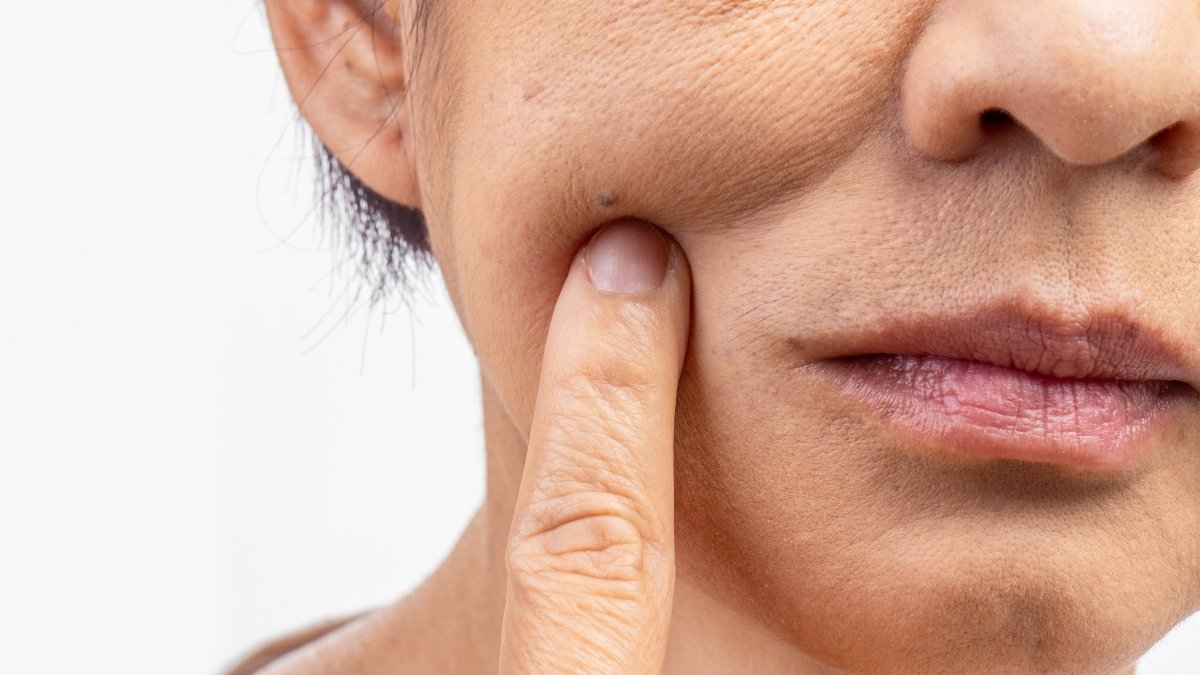
Easy bruising on sun-exposed areas is called solar purpura. According to Dr. Adam Friedman, Professor of Dermatology at George Washington School of Medicine, this happens when chronic damage weakens the support structures around small blood vessels. Even the lightest knock can break them.
This is not just a skin problem. It means oxidative stress is outpacing your body’s ability to repair itself at the cellular level.
Collagen production starts dropping after age 25. But smoking, UV exposure, pollution, and processed sugar speed that drop dramatically. Sugar actually breaks down collagen through a process called glycation.
Three things you can do starting today: wear SPF 30 every single day, cut back on processed sugar, and if you smoke, stopping is the single most powerful anti-aging step you can take.
Your skin is showing you what is happening inside. Pay attention to it.
Sign 3 — Brain Fog and Early Memory Trouble Mean Your Brain May Already Be Aging Faster (This Is the Scary One)
This is the sign researchers worry about most. Not because it is the most dramatic. Because by the time you notice it, it has usually been happening for years.

Brain fog. Forgetting words mid-sentence. Walking into a room and not knowing why. If this is becoming a pattern in your 40s, it is worth taking seriously.
Scientists measure something called the brain age gap. It is the difference between how old your brain looks on an MRI scan and how old you actually are. A positive gap means your brain is aging faster than your body.
A study of 27,500 adults published in eBioMedicine found that poor sleep adds 1 to 3 years to your brain’s biological age. Chronic inflammation is the mechanism. It crosses the blood-brain barrier and damages the connections between neurons.
Only 41 percent of adults in the study had genuinely healthy sleep patterns.
Researcher Abigail Dove at Karolinska Institutet said it plainly: since sleep is modifiable, it may be possible to prevent accelerated brain aging through healthier sleep habits.
Fix your sleep first. That is not a soft suggestion. It is the most direct intervention available right now.
Sign 4 — Chronic Fatigue That Does Not Improve With Rest Is a Mitochondrial Red Flag
There is regular tired. And then there is the kind of tired that does not go away, no matter how much you sleep.

If rest is not fixing it, the problem is not your schedule. It is your cells.
Mitochondria are the energy factories inside every cell in your body. When they start failing, your cells cannot produce enough energy to keep up with basic daily tasks. This is called mitochondrial dysfunction, and it is one of the 12 accepted hallmarks of aging.
A 2025 study confirmed that oxidative stress and chronic inflammation are core drivers of this process. Another study found that aging cells called senescent cells release chemicals that cause more inflammation, which then speeds up more aging. It is a destructive feedback loop.
Chronic fatigue combined with brain fog is often a sign of inflammaging, the low-grade inflammation that quietly burns through your system for years.
What helps: cut ultra-processed foods, walk briskly for 20 minutes a day, and check for deficiencies in iron, Vitamin D, B12, and magnesium. These are fixable problems.
Sign 5 — Slowing Down Physically in Your 40s Is a Medically Recognized Sign of Accelerated Aging
You used to move quickly. Now you notice yourself walking slower. Stairs take more effort. Your balance feels a little off sometimes.

This matters more than most people realize.
Doctors and gerontologists use walking pace as a legitimate clinical measure of biological age. A slowing gait in your 40s can predict cardiovascular disease, cognitive decline, and fall risk years before any other test catches it.
Stanford researchers discovered something surprising: your body does not age gradually. It ages in sudden molecular bursts. One hits in the mid-40s. Another hits in the early 60s. These bursts explain sudden muscle pain, joint stiffness, wrinkles appearing quickly, and a drop in physical performance.
A study published in Cell showed that animals injected with aging-related proteins had reduced physical performance, weaker grip, and worse balance compared to controls.
The practical target from walking research is 100 steps per minute. That is a moderate brisk pace. If you are nowhere near that, start there.
Aim for a 30-minute walk five days a week. Add yoga or tai chi once a week for balance. This decade is a critical window for intervention.
Sign 6 — A Weakening Immune System Is a Telltale Sign Your Body Is Aging Faster Than It Should
You used to get over a cold in three days. Now it lingers for two weeks. A small cut takes a long time to heal. You keep catching whatever is going around.
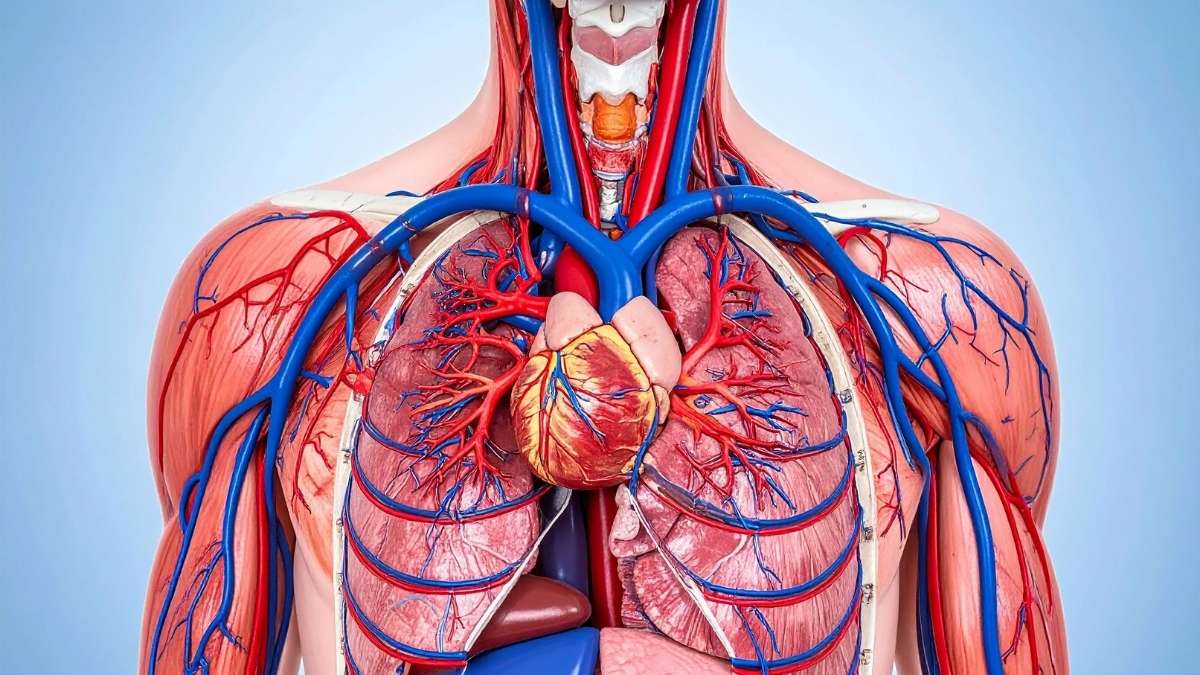
This is called immunosenescence. It means your immune system is aging faster than the rest of your body.
And here is the part that surprises most people. Aging immune cells do not just stop working. They send out chemical signals that accelerate aging in other organs. A 2025 study showed that transplanting old immune cells into young mice sped up aging in the recipients. Transplanting young immune cells into old mice actually reduced aging.
That research tells us two important things. Immune aging spreads. And it can be reversed.
A separate 2025 study found that expressions of 48 disease-linked proteins increased sharply with age, with the biggest shift happening around age 50.
What helps: sleep seven to eight hours consistently, eat a Mediterranean-style diet high in vegetables and healthy fats, and reduce chronic stress. Stress directly suppresses immune function in measurable ways.
Sign 7 — Unexplained Anxiety and Emotional Burnout Are Linked to Faster Cellular Aging
Most people do not expect this one. But the science from 2026 is clear.

Chronic anxiety does not just feel bad. It physically ages you at the cellular level.
A February 2026 study from NYU, published in Psychoneuroendocrinology, followed more than 700 women and measured their biological age using epigenetic clocks. These clocks measure chemical changes on your DNA that reflect how fast your cells are aging.
Women with higher aging anxiety showed measurably faster biological aging in their blood. Worries about declining health had the strongest link. Concerns about appearance had no significant biological impact. It is the health anxiety specifically that drives cellular aging.
The mechanism is straightforward. Chronic stress releases cortisol. Cortisol damages telomeres, shrinks the hippocampus, and fuels the same chronic inflammation that drives every other sign on this list.
Dr. Adolfo Cuevas at NYU described aging anxiety as a measurable and modifiable psychological factor that is actively shaping aging biology.
Modifiable means changeable. Cognitive behavioral therapy, regular time in nature, and genuine social connection all have documented effects. This is not soft advice. It is biology.
Final Thoughts,

Your body is not quietly falling apart. It is sending you signals.
Muscle loss, brain fog, slow recovery, and chronic anxiety are not random. They are measurable signs of accelerated biological aging. And every single one of them responds to action.
Sleep better. Move more. Cut inflammation. Manage stress. Start with one sign. That is enough. Premature aging signs are not a life sentence. They are a warning that your body is asking for help.