
If your knees creak when you stand up, you’ve probably blamed it on age or overuse. But here’s what doctors are discovering: those stiff, achy joints might not be worn out—they’re starving.
Over 607 million people worldwide have osteoarthritis. That’s a huge number. But here’s the good news: new research from 2025 shows that metabolic and nutritional factors drive joint problems, not just wear and tear.
Your joints need specific nutrients to stay healthy, just like your heart needs good fuel.
In this guide, you’ll learn the 8 essential nutrients your joints are begging for. You’ll find out which foods give you these nutrients and how to build a simple daily plan. No complicated science. Just practical steps you can start today.
Joint Restoration
This article is structured into 8 points—read them one by one to understand why your joints may be nutrient-deprived rather than worn out, and discover the essential checklist for restoring them.
Point One: Your Joints Run on Nutrients, Not Age
Your cartilage is 70-80% water. It needs constant nutrient delivery to stay healthy. But here’s the catch: cartilage has no direct blood supply. Nutrients must reach it through synovial fluid—that’s the liquid cushion in your joints.
Think of your cartilage like a sponge. When you move, it squeezes out old fluid and soaks up fresh nutrients. No movement? No nutrients. Bad diet? No nutrients. The result is the same: hungry, breaking-down cartilage.
Here’s a shocking fact: 53.2 million US adults have diagnosed arthritis. One-fourth of them experience severe joint pain scoring 7 or higher on a 10-point scale. By 2035, these numbers will climb even higher as populations age.
Scientists now know about the “gut-joint axis.” Your gut health directly affects joint inflammation. This is why the Mediterranean diet ranks number one for joint health in 2026. It feeds both your gut and your joints the nutrients they crave.
Point Two: Omega-3s Fight the Fire in Your Joints
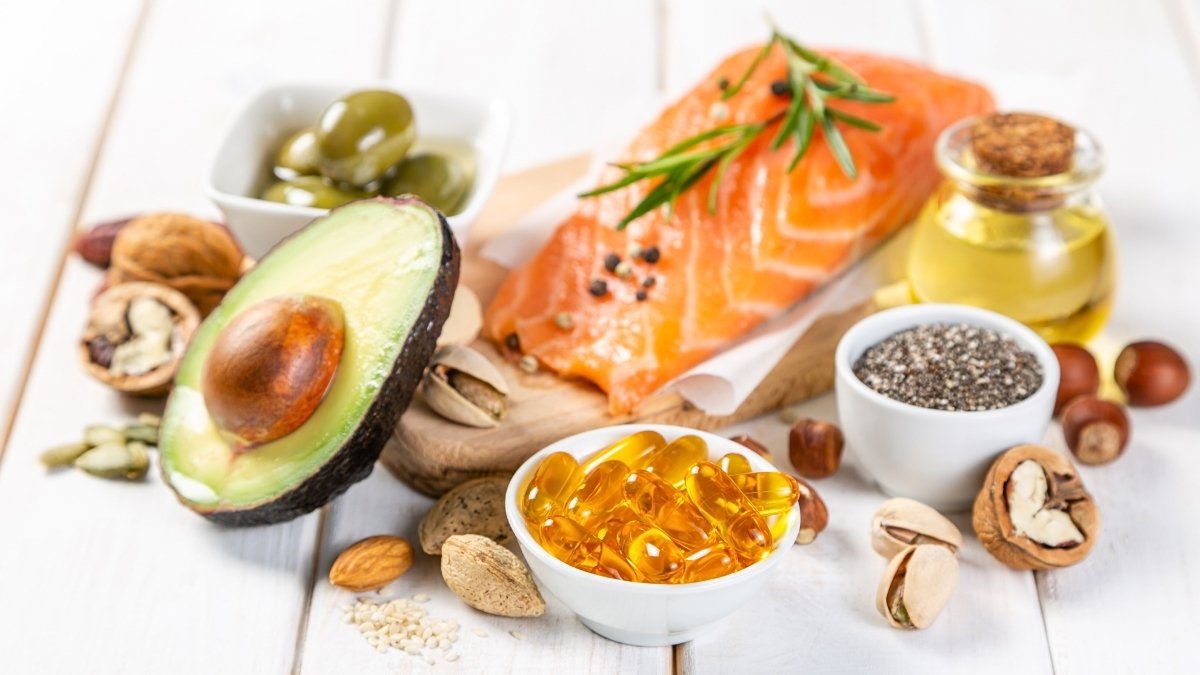
Inflammation is like a fire in your joints. Omega-3 fatty acids are the water that puts it out.
Omega-3s (EPA and DHA) work by blocking a pathway called NF-κB that causes inflammation. Studies show that 0.5-3 grams daily can make a real difference.
Most people worldwide aren’t getting enough, leaving a huge gap between what science recommends and what we actually eat.
The Best Sources
Fatty Fish
Eat at least 2x a week
Plant Sources
Fish alternatives
If you take supplements, look for ones that combine EPA and DHA. Take them with food for better absorption.
Point Three: Vitamin D and Calcium Work as a Team

Vitamin D is the doorman that lets calcium into your bones and joints. Without it, calcium just passes through your system.
Many people don’t get enough vitamin D for joint health. This vitamin helps absorb calcium and reduces inflammation at the same time. If you don’t get much sun, you need a vitamin D3 supplement. Aim for 1000-2000 IU daily.
Calcium strengthens your bones, which reduces stress on your joints. Weak bones mean more pressure on cartilage. Get 1000-1200mg of calcium daily from dairy products, leafy greens like kale and spinach, or fortified plant milk.
Here’s what works: 15-20 minutes of daily sun exposure for vitamin D. Add calcium-rich foods at every meal. Get your vitamin D levels tested once a year to make sure you’re in the healthy range.
This partnership prevents both osteoporosis and slows down joint breakdown.
Point Four: Collagen Peptides Rebuild What Age Breaks Down
Your cartilage constantly breaks down and rebuilds itself. Collagen gives it the raw materials to rebuild.
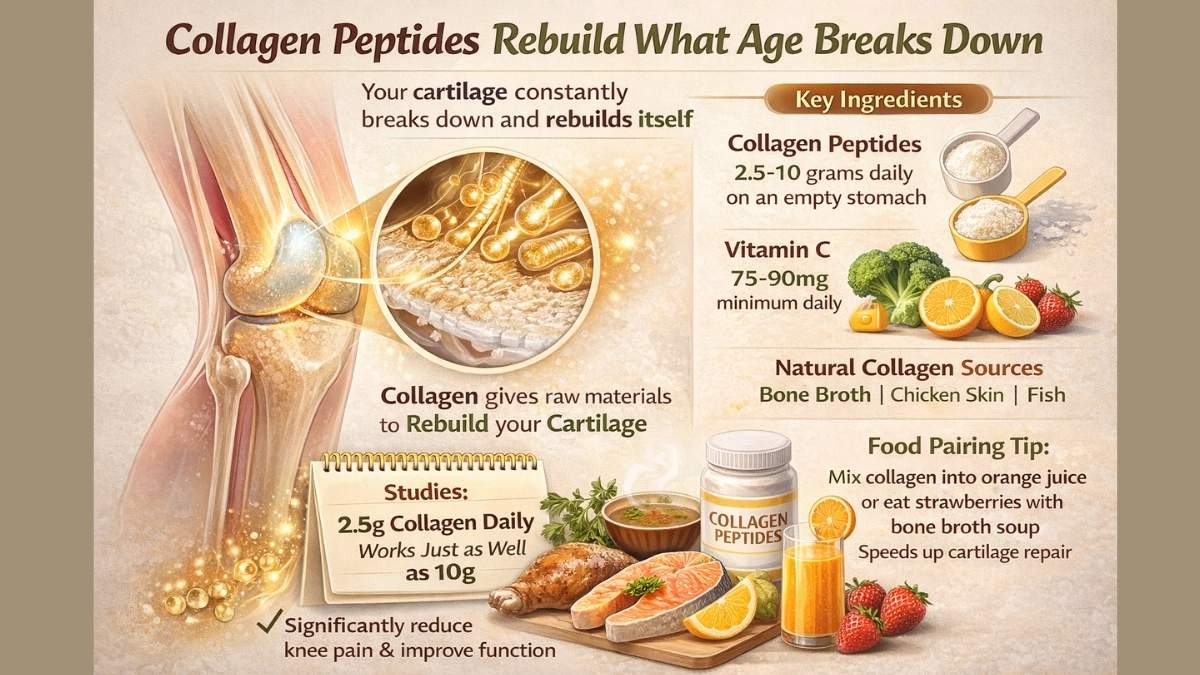
Studies show that collagen peptide supplements significantly reduce knee pain. People see improvements in both pain and function. And here’s surprising news: 2.5 grams daily works just as well as 10 grams. You don’t need massive doses.
Vitamin C is the key that unlocks collagen’s power. Your body can’t make collagen without it. Take collagen with vitamin C-rich foods for the best results.
Natural collagen sources include bone broth, chicken skin, and fish. For supplements, use 2.5-10 grams daily on an empty stomach. Get your vitamin C from citrus fruits, bell peppers, strawberries, and broccoli. You need 75-90mg minimum daily.
Food pairing tip: Mix your collagen supplement into orange juice or eat strawberries with your bone broth soup. This combination speeds up cartilage repair.
Point Five: Glucosamine and Chondroitin Shield Your Cartilage
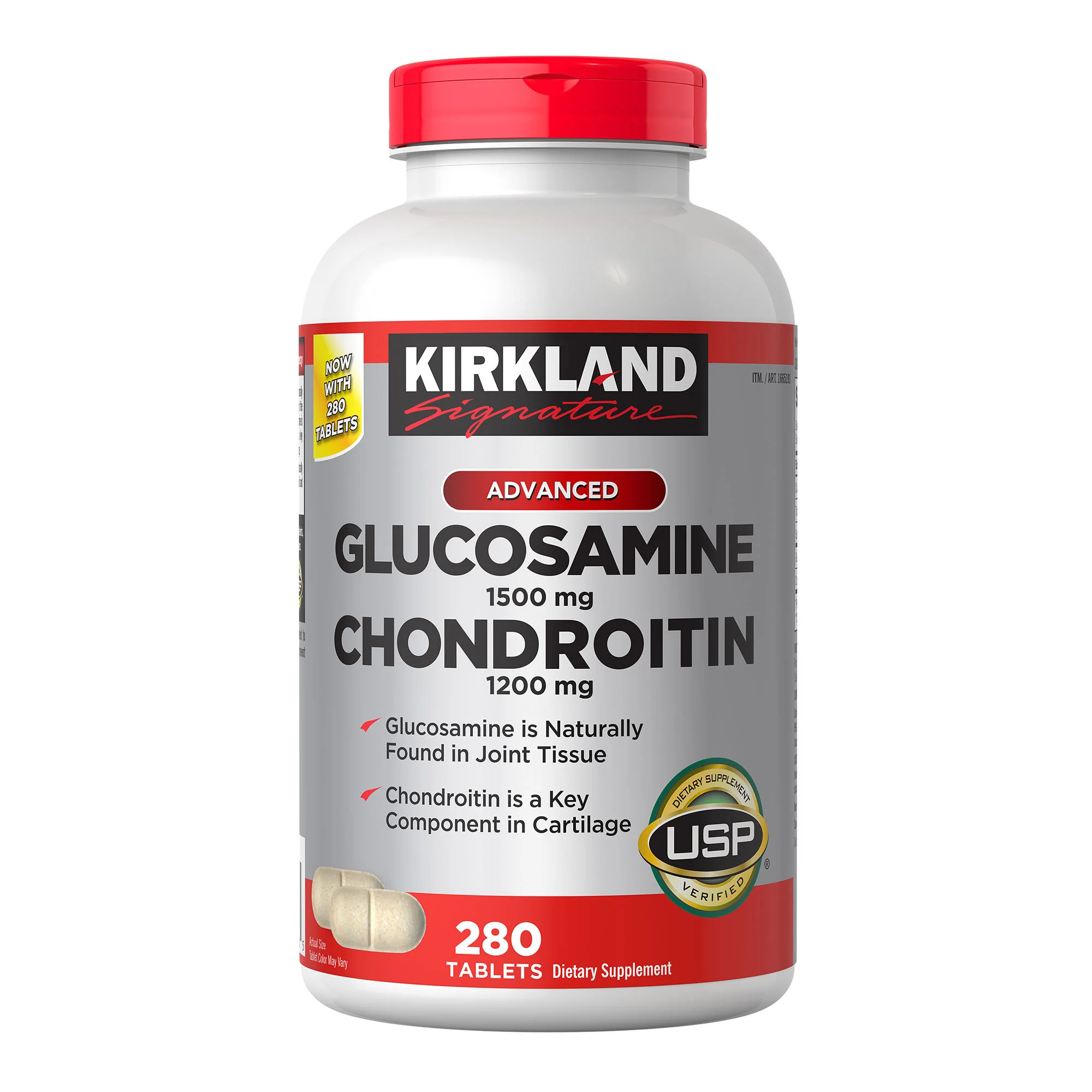
Think of these as your cartilage’s maintenance crew. Glucosamine builds new cartilage while chondroitin protects what you already have.
Clinical studies show benefits for some people with osteoarthritis. But here’s the truth: not everyone responds the same way. It may take 8-12 weeks before you notice results. Some people feel amazing. Others feel nothing.
The typical dose is glucosamine 1500mg plus chondroitin 1200mg daily. Natural sources are limited—shellfish shells for glucosamine and animal cartilage for chondroitin. Most people need supplements.
Who benefits most? People with mild to moderate knee osteoarthritis see the best results. Quality matters a lot here. Look for USP or NSF certified supplements to make sure you’re getting what the label promises.
Start with a three-month trial. Track your pain levels weekly. If you don’t see improvement by week 12, these might not work for your body.
Point Six: Fix Your Gut to Fix Your Joints
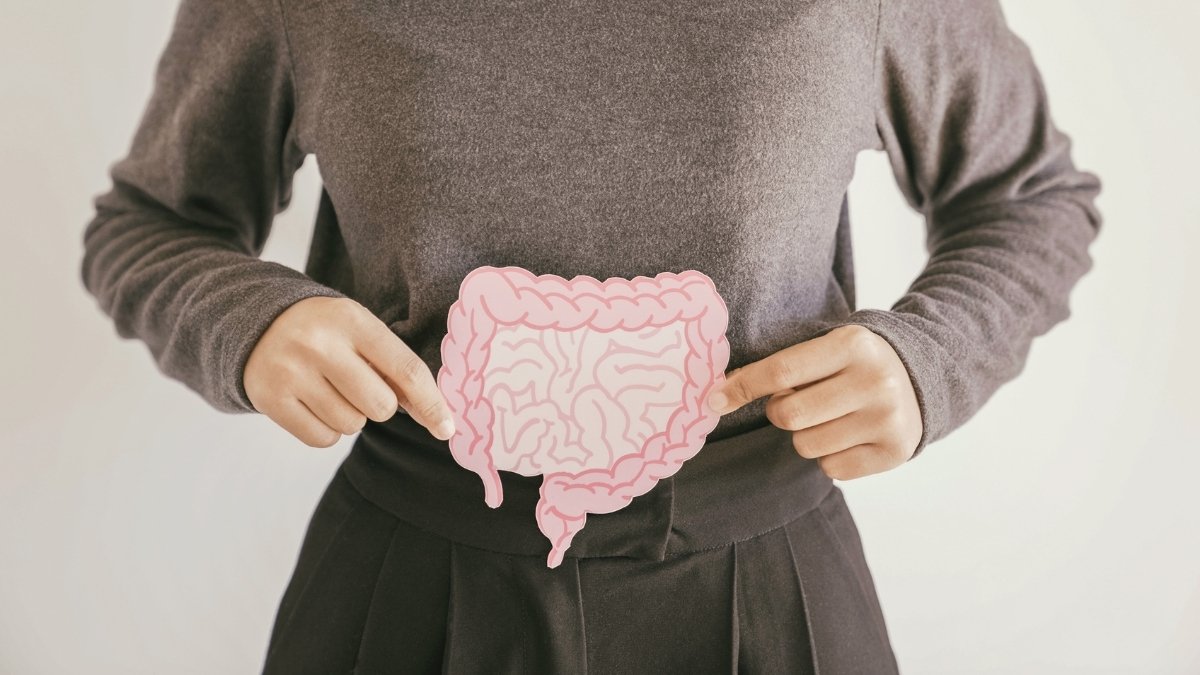
Your joint pain might actually start in your digestive tract. Over 50 million Americans have chronic pain, and gut problems contribute to systemic inflammation that hits your joints hard.
Scientists found that bacteria linked to inflammation show up in the gut about ten months before people develop rheumatoid arthritis symptoms. That’s crazy. Your gut knew before your joints did.
The gut-joint axis works like this: bad gut bacteria create toxins. These toxins leak through your intestinal wall. Your immune system attacks them. This creates body-wide inflammation that damages your joints.
Dietary Protocol
The Mediterranean diet pattern works best. It emphasizes fruits, vegetables, whole grains, and legumes. This feeds good gut bacteria that fight inflammation instead of causing it.
Point Seven: Water Is Your Joints’ Secret Weapon

You can eat all the right nutrients, but without water, they won’t reach your joints.
Cartilage is 70-80% water. Synovial fluid—your joint’s natural lubricant—is primarily water too. Nearly half of American adults don’t drink enough water for optimal joint health. When you’re dehydrated, your cushioning shrinks and friction increases. Every step hurts more.
Water does two critical jobs: it transports nutrients to your cartilage and removes waste products. No water means nutrients pile up in your blood instead of feeding your joints.
Drink 8-10 glasses (64-80 ounces) daily. More if you’re physically active. Check your urine—it should be light yellow, not dark. Spread your water intake throughout the day instead of chugging it all at once.
Eat water-rich foods too: watermelon, cucumbers, oranges, and lettuce. Limit dehydrating drinks like excess caffeine and alcohol. They pull water out of your system.
Point Eight: Creating Your Daily Joint Nutrition Plan

Don’t try to change everything overnight. That never works. Start with one or two nutrients this week.
Daily Plan
Track your progress weekly. Rate your pain from 0-10. Note your stiffness level when you wake up. Write down your mobility improvements. This shows you what’s working.
When to use supplements versus food? Get nutrients from food first. Add supplements for gaps you can’t fill with diet alone. Consult your doctor before starting new supplements, especially if you take medications.
Simple meal example: Grilled salmon with steamed broccoli, side of yogurt with berries. This hits omega-3s, vitamin C, calcium, and probiotics in one meal.
Conclusion:

Your joints aren’t failing because they’re old—they’re failing because they’re not getting the nutrients they need. Start with one change this week.
Add fatty fish twice weekly, or commit to drinking enough water daily. Small, consistent changes compound over months. Your joints will thank you.