

At 72, Margaret couldn’t climb stairs without stopping three times. Eight weeks later, she was hiking with her grandchildren. Her secret? Just 10 minutes of exercise, three times weekly.
After age 60, your cellular powerhouses—mitochondria—decline by 8% every decade. This causes the fatigue, muscle weakness, and low stamina you feel. Most seniors think intense exercise is dangerous.
They’re wrong. High-intensity interval training (HIIT) is the one proven method to reverse this cellular decline.
You’ll learn why your energy drops with age. You’ll get a safe 10-minute HIIT protocol designed for people over 60. You’ll discover how to start even if you haven’t exercised in years. And you’ll see which modifications work for your specific limitations.

Why Your Energy Declines After 60 (The Mitochondrial Connection)
Notice you’re exhausted after activities that used to be easy? Your mitochondria are dying.
Think of mitochondria as tiny power plants inside your cells. They make ATP, which is basically cellular fuel. After 60, these power plants shut down at 8% per decade. Less ATP means less energy for everything—walking, thinking, even digesting food.

Over 727 million people aged 65 and older face this problem right now. Your muscles lose mitochondrial density. A protein called PGC-1α, which builds new mitochondria, drops off. Free radicals increase. Your cells can’t produce the energy they need.
But here’s what most doctors won’t tell you: activity level matters more than age. Studies comparing sedentary young people with active seniors show something shocking. The active 70-year-olds had better mitochondrial function than inactive 30-year-olds.
This decline is not inevitable. You can reverse it.
How HIIT Reverses Mitochondrial Decline in Older Adults

HIIT triggers a cellular emergency response. In the best way possible.
When your heart rate hits 85-95% of maximum during intense intervals, your cells panic. They think you need more energy to survive. So they activate PGC-1α, the master switch for building new mitochondria. Within weeks, your body starts producing fresh power plants.
Research on people 65 and older proves this works. After just 6 weeks of HIIT, participants showed increased mitochondrial proteins—the building blocks of energy production.
Their citrate synthase activity (a marker of mitochondrial health) jumped significantly. Both men and women saw these benefits.

A major review of 29 studies with 1,227 older adults confirmed HIIT is safe and effective. It preserves mitochondrial quality as you age. The VO2max improvements—how much oxygen your body can use—matched or beat traditional moderate exercise.
Here’s the best part: 10-20 minutes of HIIT gives you the same benefits as 40+ minutes of moderate exercise. You get more results in less time.
• March in place
• Gentle arm circles
| Timeline | The Drill (Repeat 6x) |
|---|---|
| Week 1-2 | 20s Hard / 40s Easy |
| Week 3-4 | 30s Hard / 30s Easy |
| Week 5+ | 30s Hard / 20s Easy |
Safe Exercise Choices for the 10-Minute Protocol

The best HIIT exercise is one you can do safely at high intensity while keeping good form. Period.
Low-impact exercises remove the pounding on your joints. You still get the heart-pumping, strength-building benefits. Start with movements you already know. Confidence matters more than variety at first. If you’re worried about falling, keep a sturdy chair within arm’s reach during every session.
If You’re Just Starting (Beginner Level):
Pick one or two exercises per session. Don’t try to do them all.
March in place:
March in place works because you control the intensity. During work intervals, lift your knees higher and pump your arms faster. During recovery, slow down to a gentle march. Keep your core tight. Look straight ahead, not down.
Chair sit-to-stands:
Chair sit-to-stands build leg strength you need for daily life. Sit all the way down. Stand all the way up. Use your arms on the chair if needed—that’s fine. During work intervals, move faster. During recovery, slow down or rest in the chair.
Wall push-ups:
Wall push-ups strengthen your upper body without floor work. Stand arm’s length from a wall. Place hands flat at shoulder height. Lean in, then push back. The farther your feet are from the wall, the harder it gets.
Seated arm raises:
Seated arm raises work if standing feels unstable. Sit up straight. Raise both arms to shoulder height. Lower them. Add light weights (1-2 pounds) or soup cans when ready.
After 4-6 Weeks (Intermediate Level):

You’re ready to progress when beginner exercises feel too easy at high intensity.
Fast walking or power walking is the safest way to increase intensity. Pump your arms. Take quick steps. During work intervals, walk as fast as you safely can. During recovery, slow to a normal pace.
Bodyweight squats mean no chair. Sit back like you’re aiming for a chair. Keep your chest up. Knees track over your toes. Stand up fully. If your knees hurt, go back to chair sit-to-stands.
Step-ups use a low, stable platform—4 to 6 inches high. Step up with your right foot. Bring your left foot up. Step down. Repeat. Switch lead legs halfway through.
For Experienced Exercisers (Advanced Level):

Stationary bike sprints are the safest high-intensity option. Set low resistance. Pedal fast during work intervals. Slow down during recovery. This protects your joints while maxing your heart rate.
Walking lunges require good balance. Step forward. Lower your back knee toward the floor. Push through your front heel to stand. Alternate legs.
You don’t need fancy equipment. A sturdy chair and your body weight work fine. Pick exercises where you maintain perfect form even when tired and breathing hard.
Critical Safety Guidelines Before You Start

Safety makes this sustainable for decades. Skip these steps and you’re asking for trouble.
Get Medical Clearance First. Talk to your doctor before starting HIIT if you have heart disease, high blood pressure, diabetes, arthritis, joint replacements, balance problems, recent surgery, or take medications affecting heart rate. This conversation could save your life.
Never Skip Your Warmup and Cooldown. Five minutes total. Non-negotiable. Cold muscles tear. Elevated heart rates need gradual returns to normal. Every. Single. Session.
Stop Immediately If You Feel:
- Chest pain or pressure
- Severe shortness of breath (worse than expected)
- Dizziness or lightheadedness
- Sharp joint pain (muscle burn is normal; joint pain is not)
- Irregular heartbeat or fluttering
Follow the 48-Hour Rule. Take 1-2 rest days between HIIT sessions. Your mitochondria grow during recovery, not during exercise. Overtraining prevents the adaptations you want.
Start with shorter work intervals—even 15 seconds. You can always add more. You can’t undo an injury.
The Growth Timeline
Common Mistakes and How to Avoid Them

Five mistakes cause most failures. All are easily fixed.
Mistake 1: Going Too Hard Too Soon. Your ego wants to prove you’re still got it. Your body needs time to adapt. Start at 60-70% of what you think you can do. Build up over weeks. Use the RPE scale, not speed or resistance numbers.
Mistake 2: Skipping Warmup or Cooldown. You’re busy. You want to get it done. Then you pull a muscle or your heart rate spikes dangerously. Those 5 minutes reduce injury risk by over 50%.
Mistake 3: Doing HIIT Every Day. More is not better. Your mitochondria grow during rest, not during exercise. Three sessions per week beats seven. Always.
Mistake 4: Comparing Yourself to Others. Intensity is personal. Your 7 out of 10 effort looks different than someone else’s. Focus on your exertion level, not keeping up with younger people or even other seniors.
Mistake 5: Sacrificing Form for Speed. If your form breaks down, you’re going too hard. Slow down. Bad form equals injury. Good form equals results.
Integrating HIIT Into Your Complete Fitness Plan
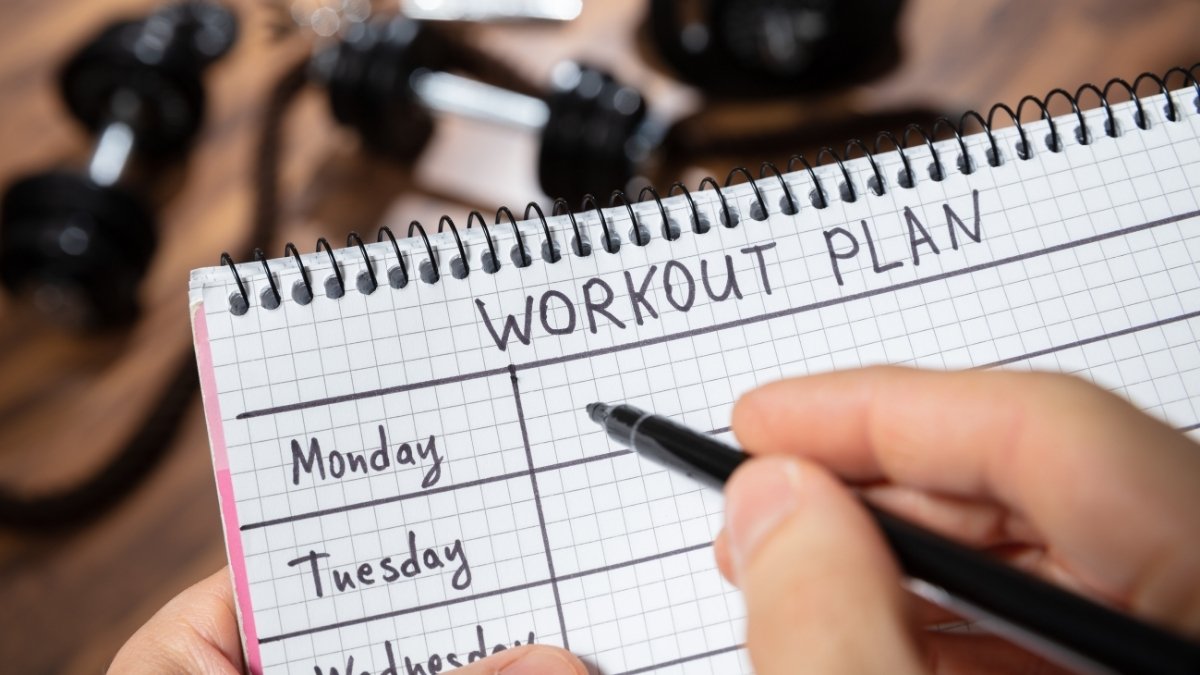
HIIT isn’t a complete program. It’s one powerful piece.
Seniors need 150 minutes of moderate exercise weekly. Your three 10-minute HIIT sessions give you 30 minutes of high-intensity work. Add moderate cardio on other days—walking, swimming, cycling.
Sample Week:
- Monday: 10-minute HIIT
- Tuesday: 30-minute walk plus stretching
- Wednesday: Resistance training (light weights, bands)
- Thursday: 10-minute HIIT
- Friday: Swimming or cycling at moderate pace
- Saturday: 10-minute HIIT plus yoga
- Sunday: Rest or gentle movement
Include flexibility work. Tight muscles limit your range of motion and increase injury risk. Add resistance training twice weekly. Building muscle protects your joints and bones.
Rest days are training days. Recovery enables adaptation. Your body rebuilds itself when you sleep and rest. Without recovery, you just break down tissue without rebuilding it stronger.
Adjust this schedule for your life. The perfect plan is the one you’ll actually follow.
Final Words,

Mitochondrial decline isn’t your destiny. This 10-minute HIIT protocol reverses cellular aging safely.
Research from 2025-2026 proves it works for people 60 and older. Start with 20-second intervals. Progress gradually over weeks. Stick to 2-3 sessions weekly with rest between.
Your energy will return. Your mitochondria will rebuild. Start tomorrow.