

Over 4 million seniors found a morning routine so simple it takes less time than making coffee. Yet it’s changing lives.
Most people over 60 wake up stiff. Their joints hurt. They feel unsteady on their feet. They think they need fancy gym memberships or hour-long workouts to feel better. They’re wrong.
Research proves that just 5 minutes of the right movements can cut your fall risk by 46%. It can boost your brain power by 35%. And it costs nothing.
This article shows you the exact routine millions of seniors do every morning. You’ll learn why it works, how to do each movement safely, and how to make it stick. No equipment needed. No complicated moves. Just 5 minutes that could add years to your active life.
Let’s get started.
Why This 5-Minute Morning Routine Went Viral (And Why Science Backs It)

In August 2025, Brighton instructor Rachel Lawrence shared a simple workout video that gained over 4 million views because it was quick, practical, and easy for seniors to follow.
Studies support this approach, showing that seniors with regular morning routines score 37.6% higher on brain tests, and those who do 150 minutes of moderate activity weekly lower their risk of death by 31%.
However, only 13.9% of adults over 65 exercise enough because most programs feel too long or difficult.
Gentle morning movement improves blood flow to the brain, loosens muscles and joints, and reduces fall risk by 46%, which is crucial since falls are the leading cause of injury in older adults.
The Complete 5-Minute Flow: Step-by-Step Instructions
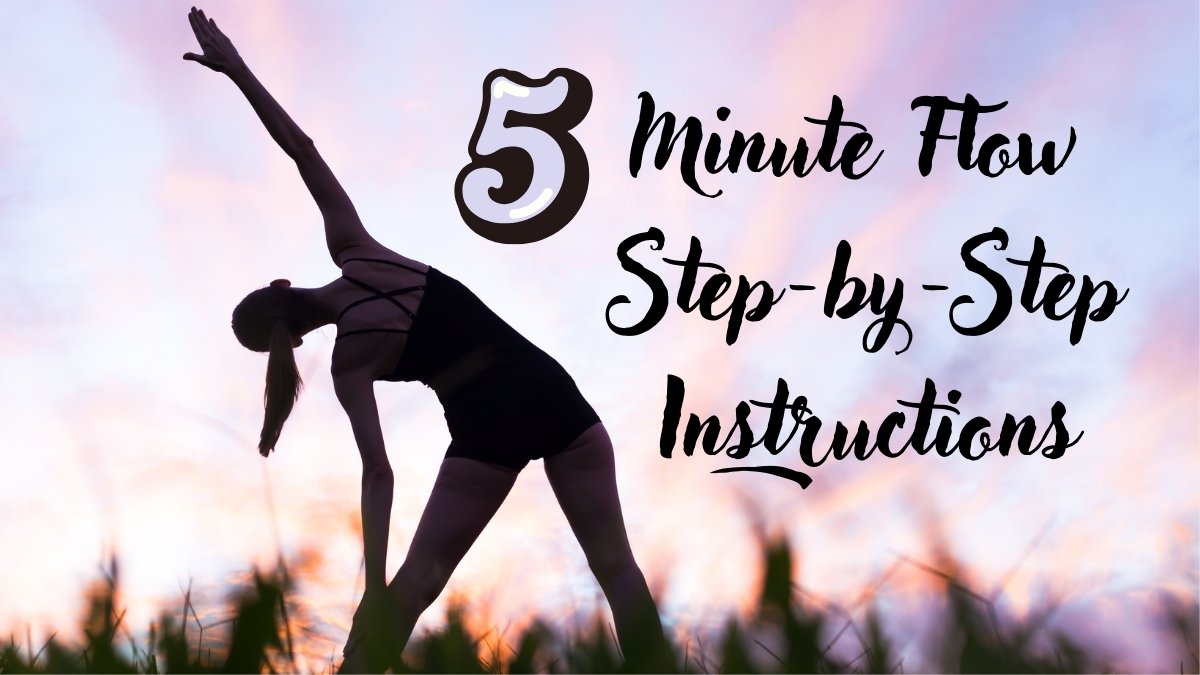
Here’s the exact routine. Do it in bed, then move to a chair. No gym required.
Minute 1: Wake Up Your Body (In Bed)
Before you stand up, do ankle circles. Ten one way, ten the other way. Then bend your knees up toward your chest, one at a time. Finish with a gentle twist to each side. This gets your blood moving and loosens stiff joints.
Minute 2: Find Your Balance (Standing)
Stand behind a sturdy chair. Hold the back for support. Shift your weight from one foot to the other. Then try standing on one foot for 5 seconds. Switch feet. This builds the balance that prevents falls.
Minute 3: Wake Up Your Core (Seated)
Sit tall in your chair. Pull your belly button toward your spine. Hold for 5 seconds while breathing normally. Repeat six times. Strong core muscles protect your back and help you move easier.
Minute 4: Loosen Your Joints (Seated or Standing)
Roll your shoulders back five times. Make big circles with your hips. Gently tilt your head side to side. These movements keep your joints healthy and reduce morning stiffness.
Minute 5: Build Your Energy (Standing)
March in place for 30 seconds. Then do five gentle squats using your chair for support. Raise your arms overhead and back down five times. You’re done. Just five minutes that sharpen your balance, improve your posture, and get your blood pumping.
The Science: What Happens to Your Body During This 5-Minute Routine

Your body changes the moment you start moving.
Your Heart and Blood: Your heart rate goes up. Blood flows faster through your body. More oxygen reaches your brain. This is why you feel sharper after just a few minutes of movement.
Your Muscles and Bones: Your muscles activate. Fluid lubricates your joints. You become more flexible. A massive study of 11,609 seniors found that exercise programs improved physical function significantly. Even small amounts of movement matter.
Your Brain: Your cognitive function gets a boost. You think clearer. You make better decisions. The WHO says 75% of how you age is within your control. Morning movement is one of the best tools you have.
Your Metabolism: Your body starts burning calories. Your blood sugar stabilizes. You have more energy that lasts all day. One study found 35% improvement in physical function and 53% fewer depression symptoms in seniors who exercised regularly.
The best part? All of this happens in just five minutes.
Before You Start: Safety Guidelines and Modifications

Don’t skip this section. Safety comes first.
Talk to Your Doctor If: You have heart problems, diabetes, or recent surgeries. You’ve fallen in the past year. You take medications that affect balance. Rachel Lawrence, the instructor with 4 million views, always tells people to check with their doctor first.
What You Need: A sturdy chair that won’t slide. Non-slip socks or shoes. Comfortable clothes that let you move. That’s it. No expensive equipment.
How to Modify: Can’t stand without support? Do everything seated. Can’t lift your arms high? Lift them as far as feels comfortable. The American Medical Association says moving 10 to 20 minutes a week beats doing nothing. Start where you are.
Stop If You Feel: Sharp pain (not just muscle tiredness). Dizziness or lightheadedness. Trouble breathing. These are warning signs.
Start Small: Begin with 2-3 minutes. Build up over two weeks. There’s no rush. Your goal is progress, not perfection.
Building the Habit: How to Make This Routine Stick

Knowing the routine won’t help if you don’t do it. Here’s how to make it automatic.
Pick Your Trigger: Do it right after you turn off your alarm. Or right after you brush your teeth. Or before your morning coffee. Link it to something you already do every day. This makes it stick.
Set Up Your Space: Keep your exercise chair in the same spot. Put your non-slip mat where you’ll see it. Remove any barriers. Make it easier to do than to skip.
Track Your Progress: Mark an X on a calendar each day you complete it. Research shows new habits need at least two weeks to feel natural. After a month, you won’t think about it. You’ll just do it.
Get Support: Tell your spouse or friend what you’re doing. Better yet, do it together. Studies show people who exercise with others stick with it longer. One study used a LINE group chat for accountability and saw great results.
Celebrate Small Wins: Finished a full week? Treat yourself. Hit 30 days? Tell someone who’ll be proud of you.
Beyond the 5 Minutes: Complementary Morning Habits for Maximum Impact
Want to boost your results? Add these habits after your 5-minute routine.
Drink Water First Thing:

Down a full glass before coffee. Your body loses water overnight. Rehydrating boosts your red blood cell count and gets more oxygen to your brain. Start with this simple step.
Eat Protein Within 30 Minutes:
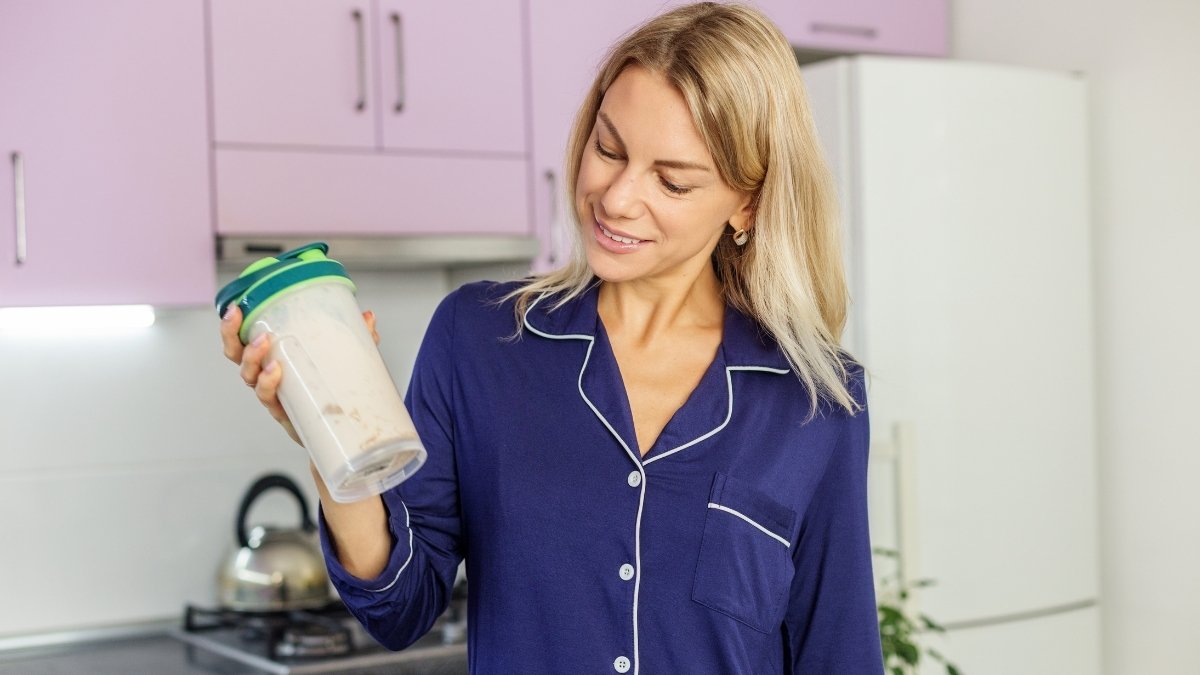
Scrambled eggs, Greek yogurt with berries, or oatmeal with nuts. 93% of Americans know breakfast matters. Protein keeps your muscles strong and your energy steady all morning.
Get Morning Sunlight:

Step outside for 20-30 minutes between 8 and noon. Sunlight gives you vitamin D, boosts serotonin, and helps you sleep better at night. One study linked morning sun to easier weight management.
Try 5 Minutes of Quiet:

Sit still and breathe deeply. Or write down three things you’re grateful for. Multiple studies show 10 minutes of meditation daily makes a real difference in stress and focus. You don’t need to be perfect at it.
Feed Your Brain:

Read a few pages. Do a crossword puzzle. Listen to a podcast. Keep your mind active.
Your 30-Day Returns
Troubleshooting: Common Challenges and Solutions

You’ll hit obstacles. Here’s how to push through them.
“I’m Not a Morning Person”: You don’t have to become one. Research shows you can retrain your body gradually. Start 15 minutes earlier each week. Or do your routine whenever you naturally wake up. Consistency beats timing.
“I’m Too Stiff to Exercise”: That’s exactly why you need to move. Movement reduces stiffness. Start with the bed exercises only. Do them before you even sit up. Add more as you loosen up.
“I Keep Forgetting”: Set an alarm on your phone. Put a sticky note on your bathroom mirror. Leave your chair in the middle of the room. Make it impossible to ignore.
“It’s Too Easy” or “It’s Too Hard”: Too easy? Add more repetitions or hold positions longer. Too hard? Do fewer reps or take breaks between movements. Listen to your body.
“I Missed Three Days”: Start again tomorrow. Research shows any activity beats none. One perfect week is worth less than three messy months. Give yourself grace. Keep going.
Lastly,
This 5-minute morning routine works because it’s simple, backed by science, and fits any schedule. The combination of balance work, gentle stretching, and core activation tackles the biggest aging concerns.

Start tomorrow with just the bed stretches. Ankle circles and knee bends before your feet hit the floor. Add more when you’re ready. This isn’t about being perfect. It’s about showing up, one morning at a time. Your future self will thank you.