
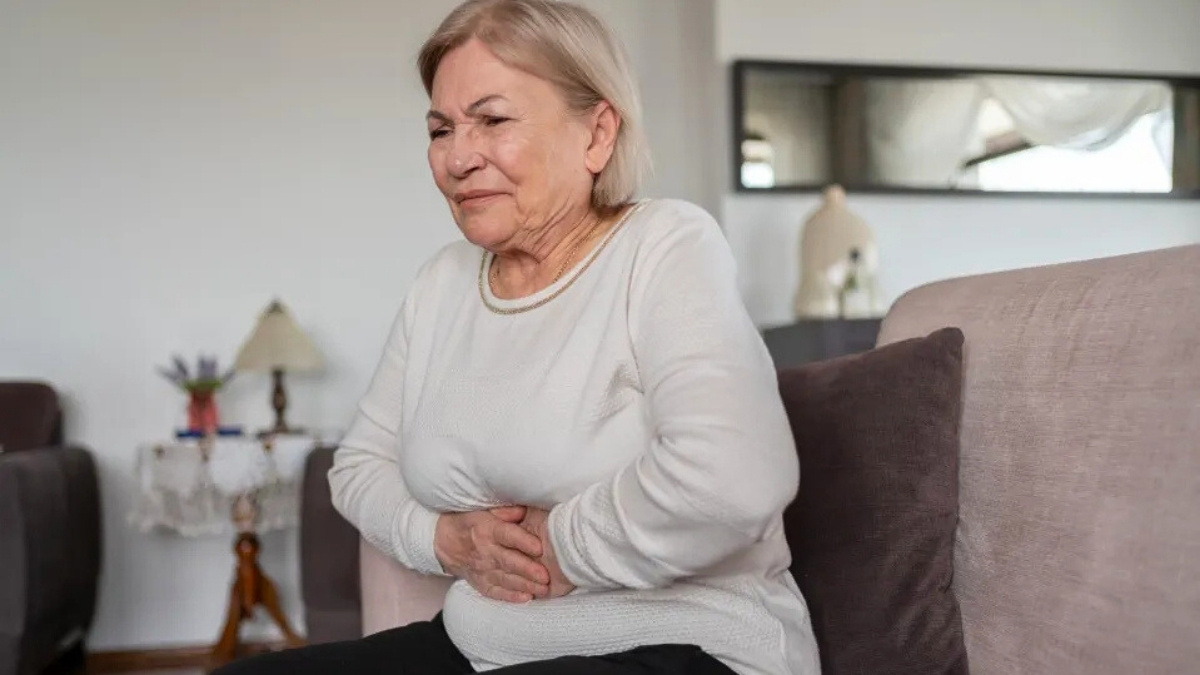
If you’re over 60 and dealing with uncomfortable bloating and gas more often than you’d like, the problem might not be what you’re eating. It’s how you’re eating it.
As you age, your digestion naturally slows down. Your body makes fewer digestive enzymes. Food moves through your system more slowly. This means small eating mistakes you could get away with at 40 now cause real discomfort at 65.
Here’s the good news: most bloating and gas in seniors comes from fixable eating habits. You don’t need expensive supplements or strict diets. Simple changes to how and when you eat can make a huge difference.
This guide shows you seven common eating habits that worsen bloating in seniors. You’ll learn why each habit causes problems and exactly how to fix it. Most people see improvement within days of making these changes.
Why Seniors Experience More Gas and Bloating

Your digestive system changes as you age. By 65, your metabolism slows significantly. Food stays in your digestive tract longer, giving bacteria more time to create gas.
Your body produces fewer digestive enzymes. Less lactase means dairy becomes harder to digest. Lower stomach acid makes breaking down proteins difficult. Adults produce about 4 pints of gas daily through normal digestion, but seniors often make more.
Research shows 26% of women over 65 deal with constipation compared to 16% of men. When waste moves slowly, gas builds up and causes painful bloating.
Your gut bacteria also change with age. Different strains produce different amounts of gas. Your intestinal muscles weaken too, slowing food movement. Even your anal sphincter weakens, making gas harder to control.
Eating Habit #1: Eating Too Quickly and Swallowing Air
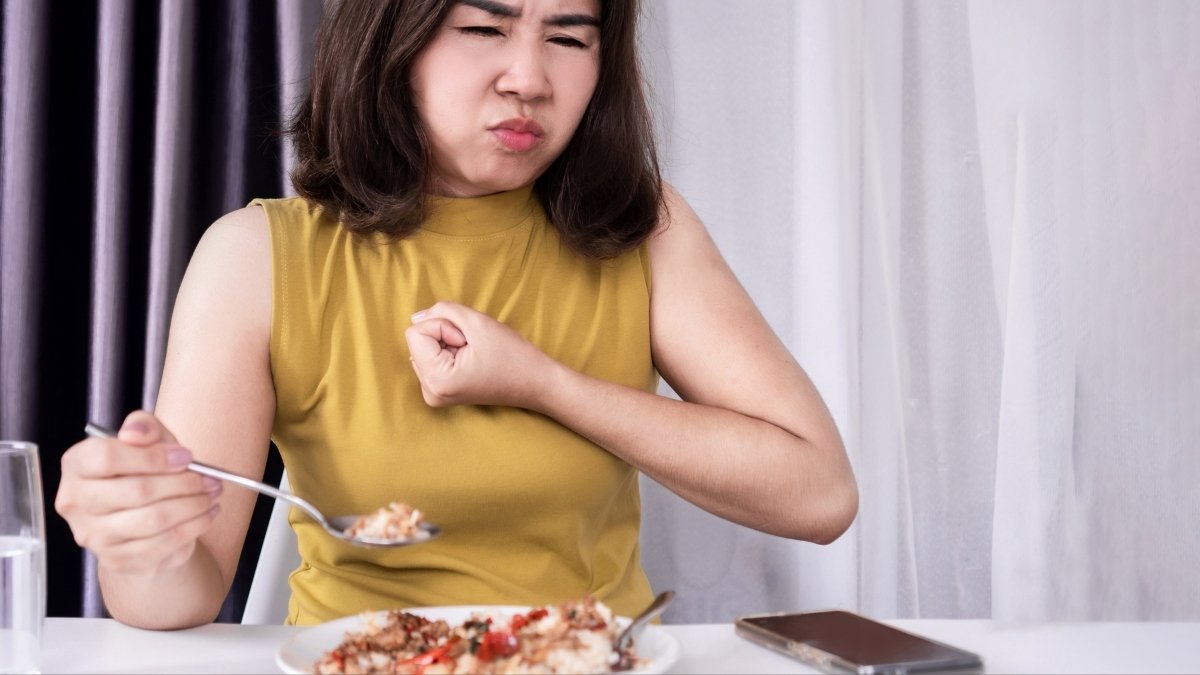
When you eat too fast, you swallow excess air. This condition is called aerophagia. The air gets trapped in your digestive system and causes bloating and frequent belching.
Research shows that in aerophagia studies, 56% of people complained of belching and 27% had bloating. Talking while eating makes this worse. Every time you speak with food in your mouth, you swallow more air.
Loose-fitting dentures create another problem. They increase saliva production, making you swallow more often. About 16-50% of CPAP users also experience aerophagia symptoms.
What to do:
- Take smaller bites and chew each one 20-30 times
- Put your fork down between bites
- Sit upright while eating and don’t talk during chewing
- Get your dentures checked for proper fit
Eating Habit #2: Consuming High-Lactose Dairy Products

Your body produces less lactase enzyme as you age. Lactase breaks down lactose, the sugar in milk. Without enough lactase, dairy products ferment in your gut and create gas.
Symptoms appear 30 minutes to 2 hours after eating dairy. You might feel bloated, gassy, or have stomach cramps. Not all dairy is equally bad. Hard cheeses like cheddar and Swiss contain less lactose. Yogurt may be easier to digest than milk.
What to do:
- Try lactose-free milk, cheese, and yogurt
- Take Lactaid enzyme tablets before eating dairy
- Switch to almond milk, oat milk, or soy milk
- Choose hard cheeses over soft ones
- Test yourself by cutting dairy for one week and watching your symptoms
Eating Habit #3: Overloading on High-FODMAP Foods

FODMAPs are fermentable carbohydrates that draw water into your intestines and produce gas. Common high-FODMAP foods include beans, lentils, onions, garlic, wheat, apples, and pears.
Research shows 80% of IBS patients benefit from a low-FODMAP diet. A 2025 Belgium study found that fructans and GOS were the most common triggers, not lactose or fructose. Seniors are more sensitive because gut bacteria change with age.
What to do:
- Reduce cruciferous vegetables like broccoli, cauliflower, and cabbage
- Soak and sprout beans before cooking them
- Use garlic-infused oil instead of raw garlic
- Keep a food diary to identify your personal triggers
- Increase fiber slowly, not all at once
Eating Habit #4: Drinking Carbonated Beverages

Carbonated drinks contain carbon dioxide gas that goes directly into your digestive system. That gas gets trapped and causes bloating. This is especially bad for seniors because slower digestion means gas stays trapped longer.
Sugar-free sodas contain polyols (sugar alcohols) that make symptoms worse. Even sparkling water can cause problems if you drink it regularly.
What to do:
- Replace soda with plain water, herbal tea, or coffee
- Add fruit slices to water for flavor
- Drink room temperature beverages (easier to digest)
- Avoid drinking through straws (they add extra air)
- Limit carbonated drinks to special occasions only
Eating Habit #5: Taking Medications That Slow Digestion

Many medications seniors take cause constipation and bloating as side effects. Blood pressure medicines, diabetes drugs, and heart medications are common culprits. Opioid pain relievers cause constipation in 40% of users.
Research shows drug-induced constipation accounts for 11% of all treated constipation cases. Common problems come from NSAIDs, calcium channel blockers, iron supplements, and antidepressants.
What to do:
- Talk to your doctor about alternative medications
- Never stop taking medicines without medical advice
- Ask for a medication review once a year
- Start preventive laxatives if you take opioids
- Time medications with meals if your doctor approves
Eating Habit #6: Not Drinking Enough Water While Increasing Fiber

Fiber without enough water causes more constipation, not less. Seniors have a reduced thirst sensation, so you might not feel thirsty even when dehydrated. Fiber needs 1.5-2 liters of water daily to work properly.
Women over 50 need 21g of fiber daily and men need 30g. But add it slowly. Research shows you should increase fiber by only 5g per week to minimize side effects.
What to do:
- Drink 6-8 glasses of water daily
- Choose soluble fiber (oats, apples) over insoluble (bran)
- Set reminders on your phone to drink water
- Eat prunes or drink prune juice (very effective)
- Track your water intake for one week
Eating Habit #7: Eating Large Meals Instead of Smaller Portions
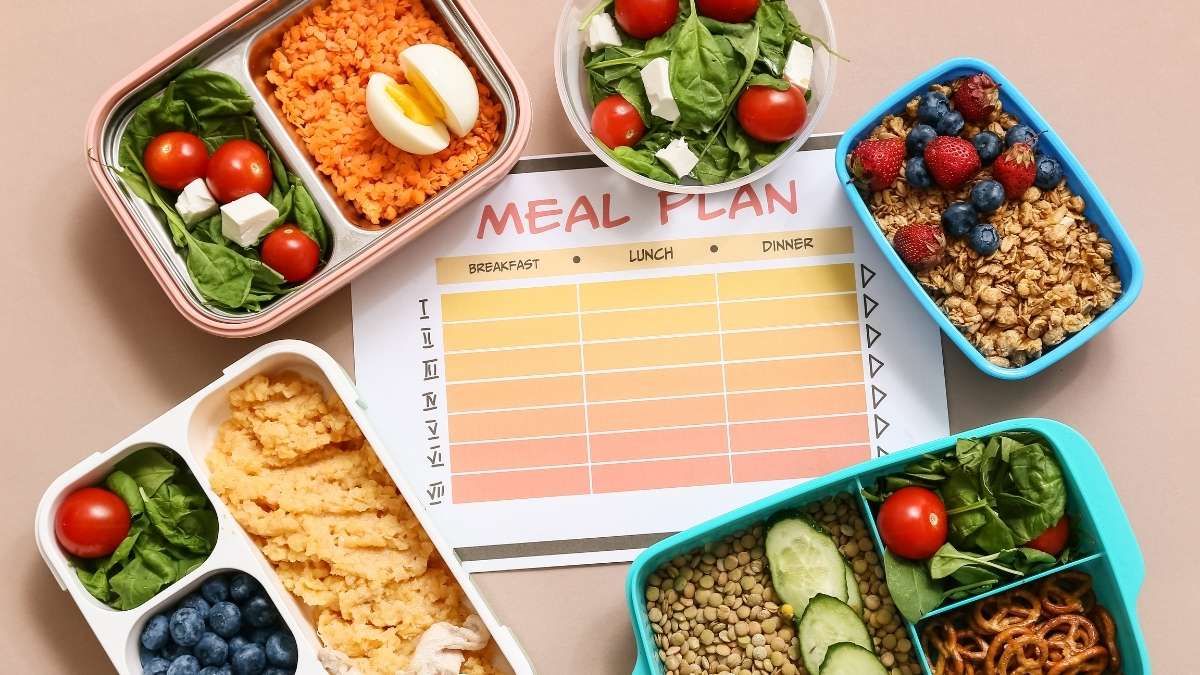
Large meals overwhelm your reduced digestive capacity. Your stomach stretches, which increases gas production. Food sits in your stomach longer, fermenting and creating more discomfort.
Research shows GERD affects 23% of people over 65. Large meals make this worse. Eating 5-6 small meals is easier on your system than 3 large ones.
What to do:
- Plan 5-6 mini meals instead of 3 large ones
- Use smaller plates to control portions
- Eat your biggest meal at lunch, not dinner
- Don’t eat 2-3 hours before bed
- Stay upright for 30 minutes after eating
Additional Eating Behaviors to Avoid

Several other habits add air to your digestive system. Chewing gum makes you swallow excess air repeatedly. Using straws does the same thing. Smoking affects digestion and adds air with every puff.
Eating while stressed or anxious also worsens symptoms. Stress changes how your gut works. Sucking on hard candy causes constant air swallowing.
What to do:
- Stop chewing gum completely
- Skip the straw when drinking
- Practice deep breathing before meals
- Try mindful eating (focus on your food)
- Get help quitting smoking if needed
When to See a Doctor About Bloating and Gas
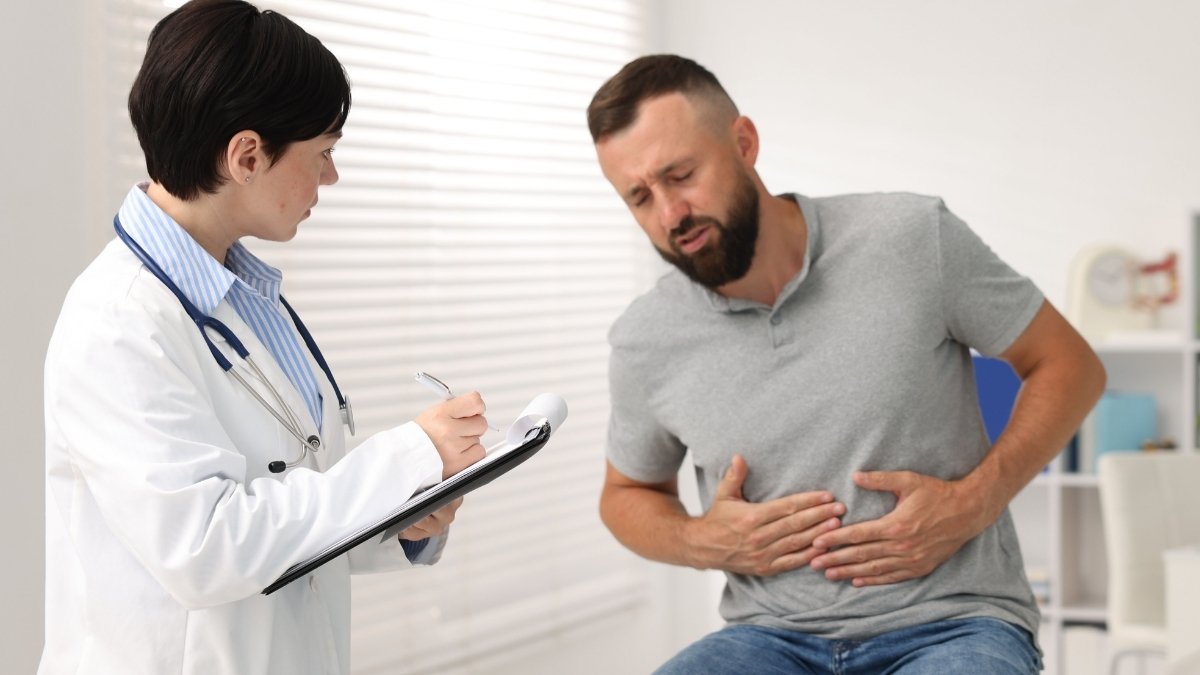
Most bloating improves with diet changes. But some symptoms need medical attention. If bloating comes with severe pain, weight loss, or blood in stool, see your doctor right away.
Conditions like celiac disease, SIBO, IBD, and IBS require proper diagnosis. About 50% of people have Helicobacter pylori bacteria, which causes digestive problems.
See a doctor if you have:
- Blood in your stool
- Unintended weight loss over 10 pounds
- Severe abdominal pain that doesn’t go away
- Fever along with bloating
- Persistent vomiting
- Symptoms lasting more than 2 weeks
Final Words,
Small changes in eating habits make a big difference in senior digestive comfort. Slow down your meals, identify trigger foods, stay hydrated, and eat smaller portions.

Most bloating improves with these simple adjustments. Start with one habit change this week and keep a food diary to track what works for you.