

A January 2026 study from the University of Sydney tracked 59,000 adults and found something shocking. Adding just 5 extra minutes of sleep and 2 minutes of movement each day can add a full year to your life. Most people do the exact opposite without knowing it.
You don’t smoke. You eat pretty well. You try to stay active. But here’s the truth: research from 2025-2026 shows that normal daily habits are quietly stealing years from your life. These hidden longevity killers seem harmless. Society treats them as normal. But the science is clear—they’re shortening your life expectancy.
This guide shows you 7 everyday habits backed by the latest research that are cutting your life short. More importantly, you’ll learn exactly what to do about each one. These aren’t big changes. They’re small fixes based on real science.
1. Sitting Too Long Kills Faster Than You Think

You sit at your desk for 8 hours. You sit in your car. You sit on the couch at night. Add it up, and you’re probably sitting more than 10 hours a day. That’s a problem.
A November 2024 study in JAMA found that sitting more than 10.6 hours daily raises your risk of heart disease and early death. Even if you exercise. The American Cancer Society tracked 127,554 people for 21 years. People who sat 6+ hours during free time had a 19% higher death rate from all causes.
Here’s why it happens. When you sit, your muscles stop working. Blood flow slows down. Your body stops processing sugar properly. This creates metabolic problems that lead to disease. The UC San Diego study showed women sitting 11.7 hours daily had 30% higher mortality risk than women sitting 8.1 hours.
What to do: Set a timer for every 30 minutes. Stand up and stretch for 1-2 minutes. Get a standing desk for 2-3 hours of your workday. Take walking meetings. Aim for 20-25 minutes of moderate activity daily. A BMJ study from June 2024 confirmed this offsets some sitting damage.
2. Your Smartphone Is Aging You Fast

The average person spends 6 hours and 37 minutes on screens daily. Smartphones alone take 3 hours and 46 minutes. That’s not just wasted time. It’s stealing years from your life.
A February 2025 study in BMC Medicine proved something big. It’s the first randomized controlled trial showing causality. When people cut screen time to 2 hours or less per day, their stress dropped. Depression improved. Sleep got better. Well-being went up.
Students using smartphones 4.6 hours daily showed higher anxiety, depression, and sleep problems in a 2025 Germany study. The CDC found teenagers with 4+ hours of daily screen time had irregular sleep, less physical activity, and mental health issues.
Getting smartphones before age 13 links to lifelong mental health problems, including thoughts of suicide. That’s from a September 2025 study of over 100,000 people.
What to do: Set a strict 2-hour daily limit for personal smartphone use. Use the screen time tracking built into your phone. Create phone-free zones: bedroom, dining table, first and last hour of each day. Replace 10 minutes of scrolling with a walk. You get double the benefit.
3. Stress Without a Plan Speeds Up Aging

Stress does more than make you feel bad. It changes your body at the cellular level. When stress becomes chronic, it raises cortisol. This stress hormone increases inflammation, damages your DNA, and weakens your immune system. It literally speeds up biological aging.
A 2024 study found that working more than 40 hours per week increased biological age by 2 years. Stress shrinks your prefrontal cortex—the part of your brain that makes decisions. It raises your risk of heart disease, diabetes, and stroke. Women face higher stress-related mortality risk than men, according to a 2024 review.
But here’s good news. An April 2025 study showed that meditation significantly reduces stress and slows aging. People who manage stress through breathing techniques, meditation, or physical activity have lower rates of chronic disease. Even the way you think matters. Rigid thinking creates constant stress responses.
What to do: Practice 10-15 minutes of daily meditation or deep breathing. Use exercise as your stress outlet—you get two benefits at once. When overwhelmed, repeat “I’m all right, right now.” If stress messes with your daily life, get professional help.
4. Bad Sleep Patterns Cut Your Life Short

Sleep isn’t just about hours. It’s about consistency too. Sleeping less than 5 hours or more than 9 hours both shorten your life. But the January 2026 research revealed something new: sleep consistency matters just as much as duration.
The University of Sydney study found people sleeping only 5.5 hours had lower life expectancy. But adding just 5 extra minutes helped. When you combine 7-8 hours of sleep with 40+ minutes of exercise and a healthy diet, you add 9.35 years to your life. That’s huge.
Going to bed and waking up at the same time every day matters. Your body needs this rhythm. Poor sleep causes inflammation. It increases your risk of diabetes, heart disease, and obesity. It affects your heart, brain, lungs, and immune system.
What to do: Keep the same sleep schedule every day. Yes, even weekends. Target 7-8 hours nightly. Keep your smartphone out of the bedroom—this fixes two problems at once. If you currently sleep 5-6 hours, add just 5-10 minutes each week until you reach 7 hours.
5. Loneliness Kills Like Smoking Does
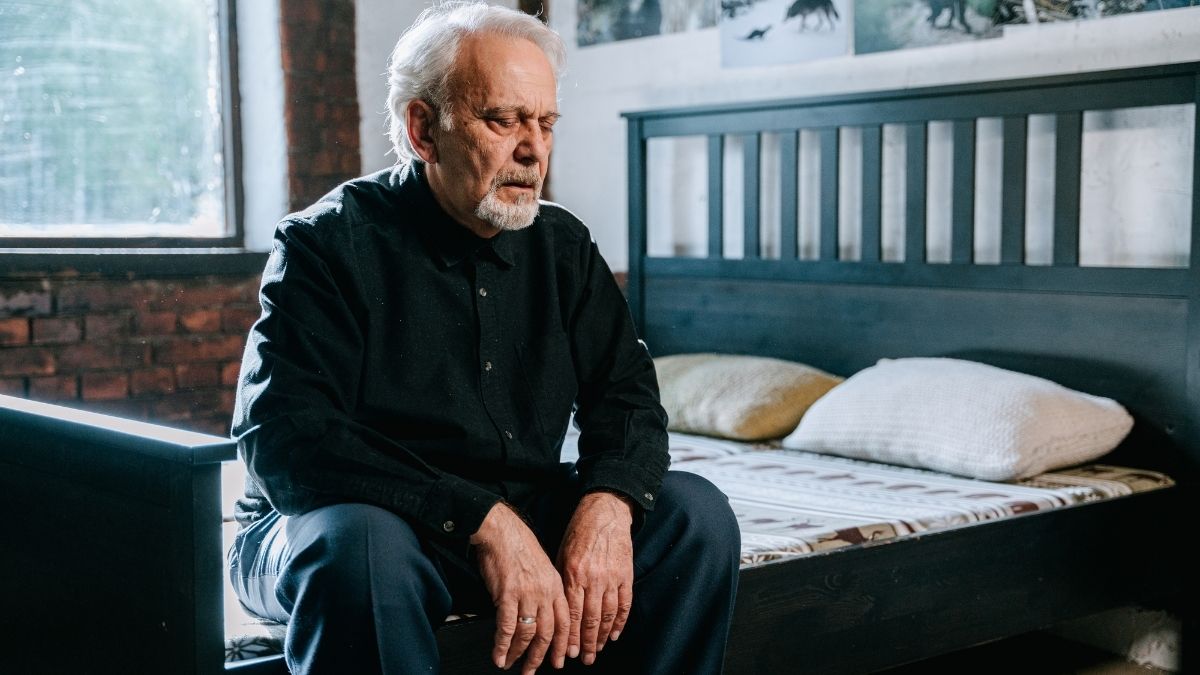
Being lonely or socially isolated increases your risk of early death by up to 50%. That’s as deadly as smoking 15 cigarettes a day. This isn’t about feeling sad. It’s about real physical damage to your body.
Strong relationships reduce your stress response. They keep your brain sharp. They improve your mood and boost your immune system. An October 2025 study in Brain, Behavior and Immunity showed that social relationships slow cellular aging at the DNA level. Quality beats quantity. It’s not how many friends you have. It’s about feeling genuinely connected to people.
Loneliness raises your risk of high blood pressure, depression, and Alzheimer’s disease. It increases inflammation. Every Blue Zone—places where people live longest—features strong social bonds as a key factor. Social engagement predicts longevity and quality of life better than almost anything else.
What to do: Schedule regular social time. Weekly coffee with a friend. Monthly family dinner. Join activity-based groups like book clubs, sports leagues, or volunteer organizations. Focus on real connections, not social media. Support others—reciprocal relationships work best.
6. Processed Foods Speed Up Your Body’s Aging
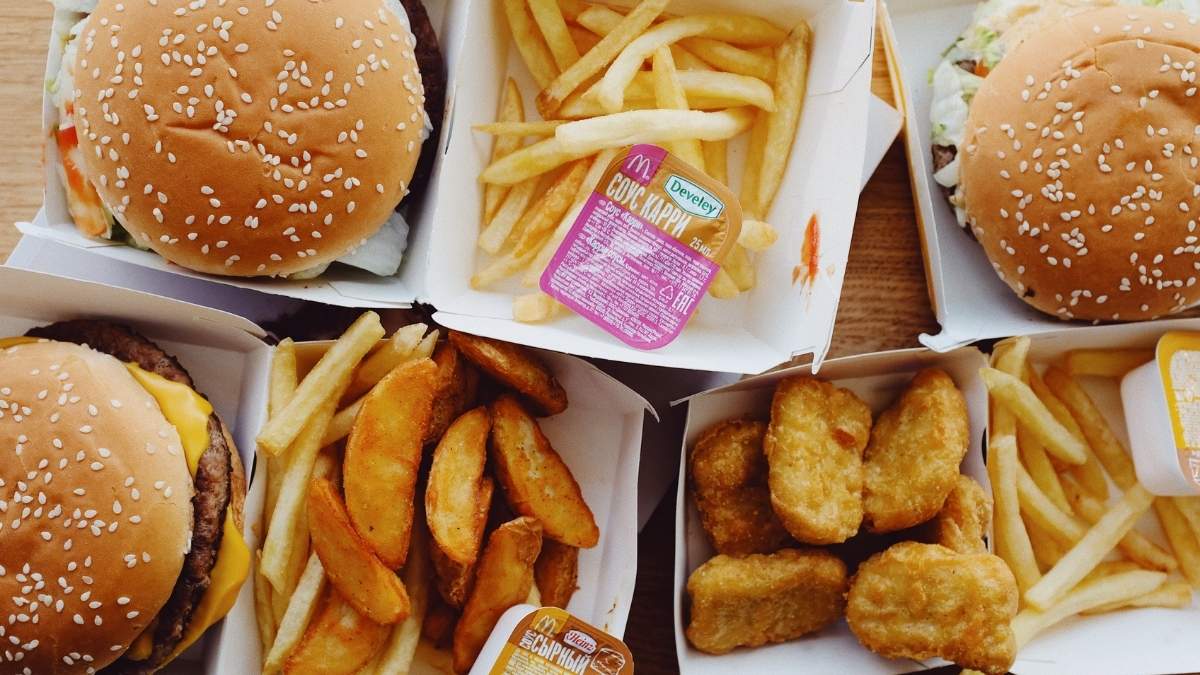
Ultra-processed foods do more than add weight. They trigger inflammation, damage your cells, and speed up aging. These foods lack fiber, antioxidants, and the nutrients your body needs to prevent cellular damage.
A UK study showed that replacing sugary drinks and processed meats with whole grains and nuts improved life expectancy. Here’s a specific problem: grilled, fried, and roasted animal foods contain AGEs—Advanced Glycation End Products. These compounds pile up in your tissues, cause stress on your cells, and speed aging. They contribute to diabetes, heart disease, and Alzheimer’s.
The January 2026 study found something practical. Adding just half a serving of vegetables or 1.5 servings of whole grains daily improves your diet quality enough to add years to your life. Stanford Medicine ranked the Mediterranean diet number one for health in January 2026. Plant-forward diets consistently support longevity across all populations.
What to do: Replace one processed food daily with a whole food. Add half a serving of vegetables to dinner—research shows this adds a year to your life. Focus on plant proteins like beans, lentils, and nuts, plus fish. Meal prep on weekends to avoid grabbing processed options when busy.
7. Skipping Doctor Visits Costs You Years

Your 40s and 50s are critical. This is when chronic diseases start developing. Early detection means treatment works better. But many people skip preventive care until something goes wrong.
Key screenings get ignored. Blood pressure checks matter because high blood pressure has no symptoms. Same with cholesterol and diabetes screening. Colonoscopy screenings now start at 45, not 50. Finding high blood pressure or pre-diabetes early lets you fix it with lifestyle changes before it becomes serious.
Many people also miss nutritional screenings. Deficiencies in vitamin D, B12, or iron affect your energy, mood, and long-term health. People without regular healthcare access have higher mortality risk.
The U.S. Preventive Services Task Force recommends annual blood pressure checks, cholesterol screening, and diabetes screening. Healthcare access plays a major role in both life expectancy and health span.
What to do: Schedule your annual physical if you haven’t had one in 12+ months. Track your key numbers: blood pressure, cholesterol, blood sugar, and BMI. Start colonoscopy screenings at 45. Ask your doctor about nutritional deficiency screening if you feel tired or your mood has changed.
LIFE EXTENSION INC.
Final Words,

The 2025-2026 research shows a simple truth. Small, consistent changes add years to your life. You don’t need to overhaul everything. Just 5 extra minutes of sleep, 2 minutes of movement, and awareness of these seven habits make a real difference.
Pick one habit from this list. Start this week. Track it for 21 days. Then add another. Your everyday habits determine your life expectancy more than genetics. Now you know how to make them work for you.