
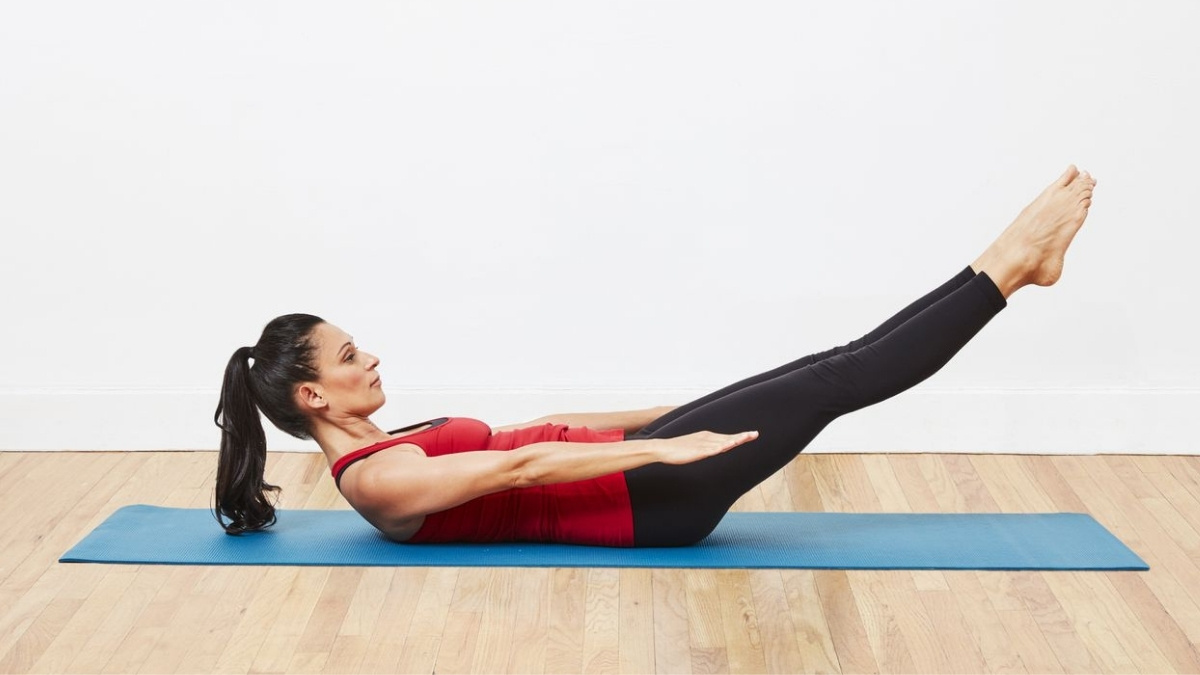
At 72, climbing a single flight of stairs left me breathless—until I discovered a two-minute Pilates exercise that changed everything.
Maybe you’ve noticed it too. Walking to the mailbox winds you. Playing with grandkids leaves you gasping. Your doctor says your lungs are “fine for your age,” but you remember when breathing felt easy.
I’m going to show you exactly how the Pilates Hundred breathing exercise fixed my respiratory function. You’ll learn the proper technique, see what science says about it, and get a realistic timeline for results.
No gym membership needed. No expensive equipment. Just you, a mat, and two minutes a day.
This works for older adults at any fitness level. I’ll give you modifications that make it safe and doable, even if you haven’t exercised in years.
Understanding the Pilates Hundred: More Than Just Core Work
Joseph Pilates created this exercise in 1945. The name comes from 100 arm pumps you do while controlling your breath. You breathe in for 5 pumps, out for 5 pumps, repeating 10 times. Takes under two minutes.
That 5-in, 5-out pattern forces your lungs to work harder than normal breathing. A 2017 study found it increases activity in core muscles that support breathing.
This Pilates breathing technique trains your respiratory muscles like lifting weights trains your arms.
The exercise works as a total-body warm-up. Your heart rate goes up. Blood flows better.
But the real magic happens in retraining your respiratory system. No equipment needed. No standing required. Just consistent practice.
The Science Behind How the Hundred Transforms Breathing

Normal breathing uses your diaphragm to pull air down. The Pilates Hundred uses lateral breathing. You expand your ribcage sideways instead of letting your belly puff out.
A 2025 study showed combining breathing exercises with Pilates improved lung function. Participants had better Forced Vital Capacity and Minute Ventilation. Those are fancy terms for “your lungs hold more air and move it better.”
The percussive breathing pattern increases oxygen intake. Research on elderly people shows Pilates improves balance, strength, and aerobic capacity. Deep breathing exercises also reduce oxidative stress in older adults.
After just four weeks, people noticed stronger cores and better balance. Your diaphragm, transversus abdominis, and pelvic floor all activate together.
My Personal Journey: From Breathless to Breathing Easy
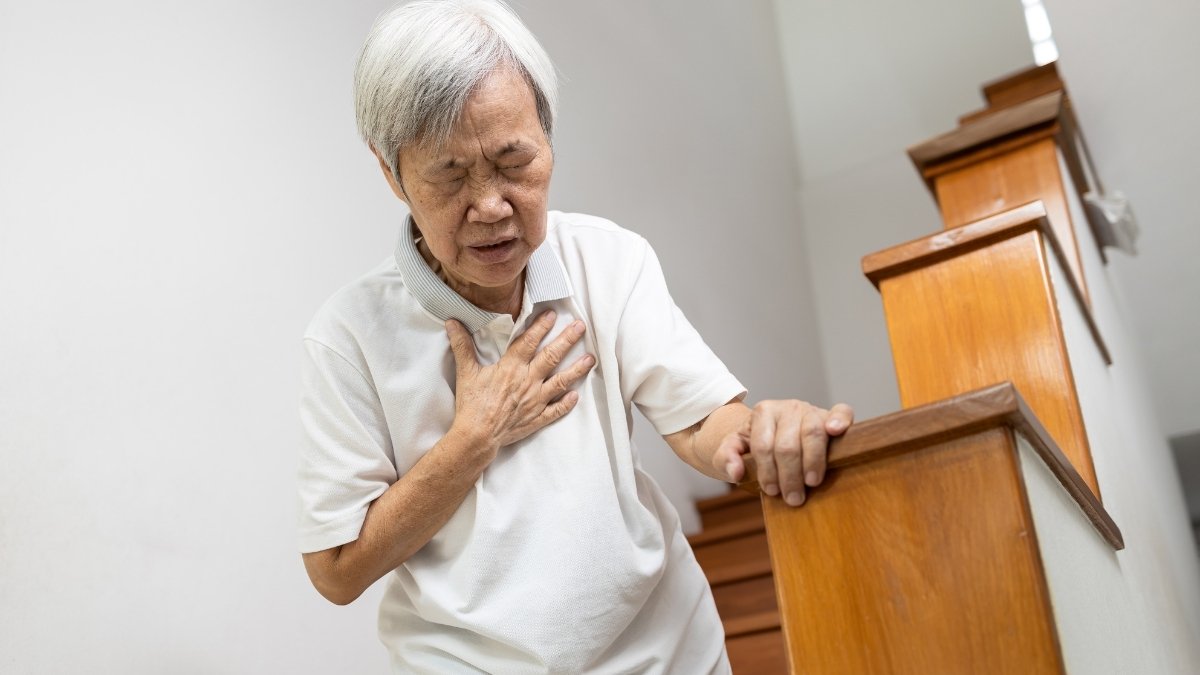
Six months ago, I avoided stairs. I’d plan my entire day around staying on the ground floor. Grocery shopping meant asking for help. Gardening left me exhausted.
My first attempt was rough. I couldn’t coordinate my arms and breathing. My neck hurt. I made it to 30 pumps and quit.
Week two brought small wins. I completed 50 pumps with my head down. Week four, I did the full 100. By week eight, I climbed stairs without stopping halfway. My breathing rate during walks slowed down noticeably.
Now I do it every morning. I garden for hours. Play with my grandkids without gasping. The changes felt subtle at first, then suddenly everything got easier.
Step-by-Step Guide: How to Perform the Pilates Hundred Safely at 72+
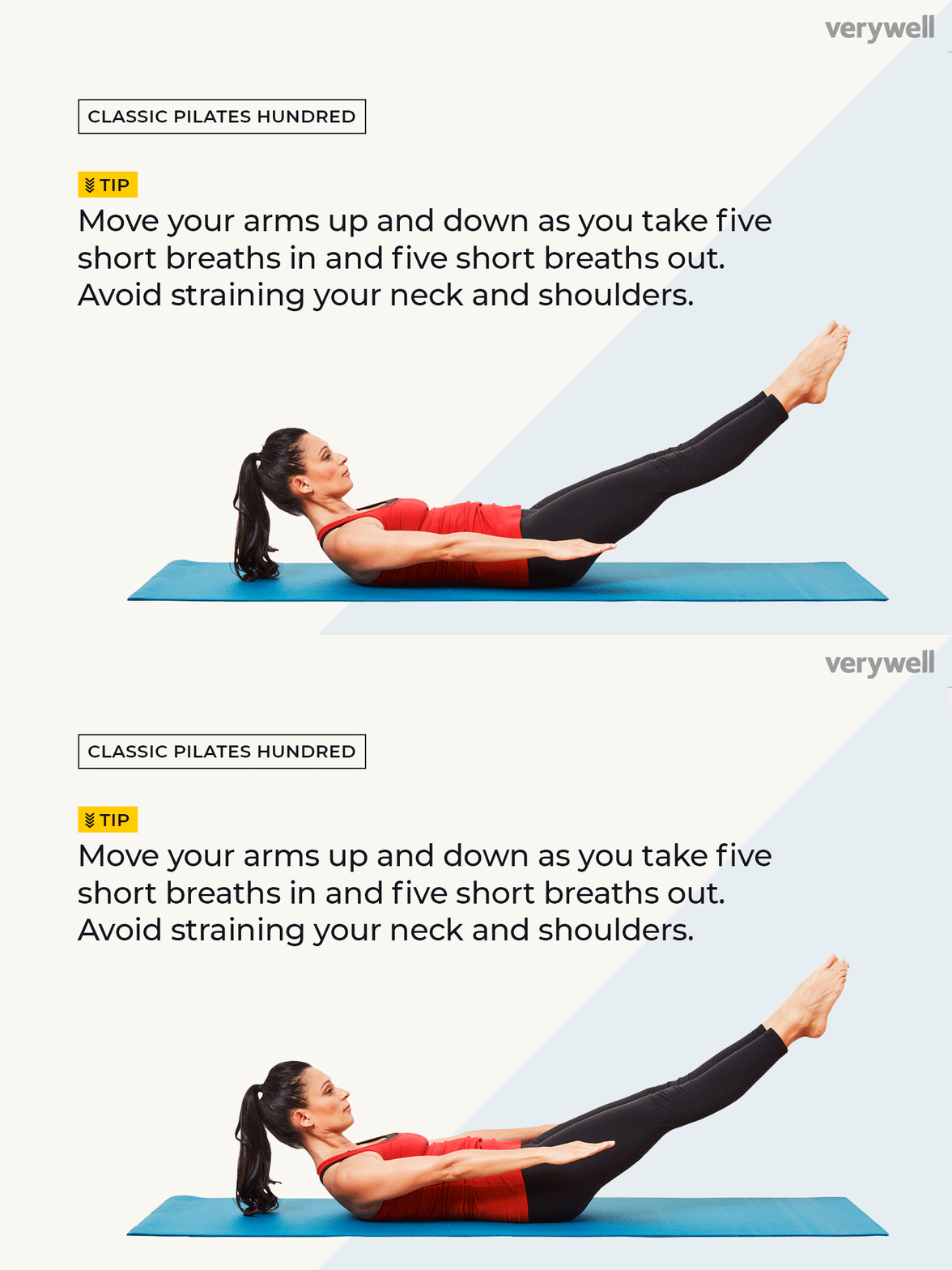
Start lying on your back. Bend your knees, feet flat on the floor. This is your safe starting position.
Lift your head and shoulders slightly off the mat. Look toward your belly button, not the ceiling. This protects your neck. If your neck hurts, keep your head down on a pillow.
Extend your arms by your sides, palms down, hovering a few inches above the floor. Keep them above your hips, not by your thighs.
Start pumping your arms up and down, small movements. Breathe in through your nose for 5 pumps. Breathe out through your mouth for 5 pumps. That’s one cycle. Do 10 cycles total.
Common mistake: holding your breath. Keep breathing steady. Another mistake: tucking your chin too much. Keep a fist-sized space between chin and chest.
Beginner Modifications: Making the Hundred Work for Your Body
Can’t lift your head? Don’t. Keep it resting on a pillow or folded towel. You still get the breathing benefits.
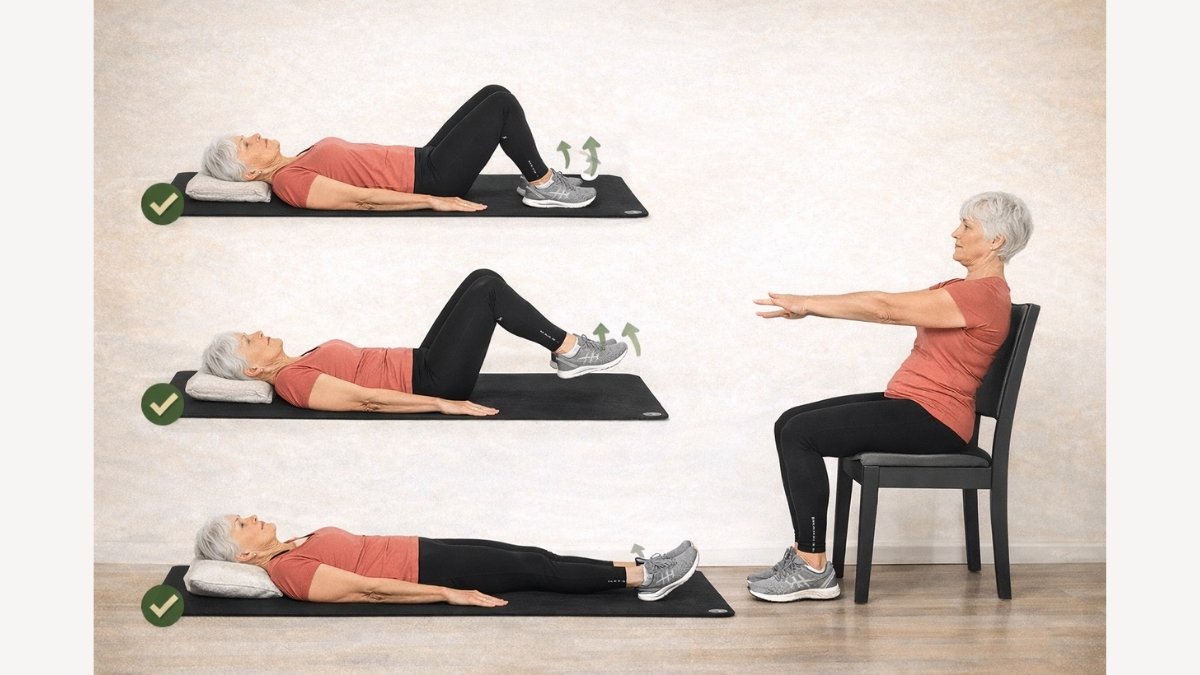
Legs giving you trouble? Keep both feet flat on the floor, knees bent. As you get stronger, try tabletop position—knees bent at 90 degrees, shins parallel to the floor. Extended legs come much later.
Can’t do 100 pumps? Start with 30. Then 50. Work up slowly. There’s no prize for rushing.
Some people flatten their spine completely to the mat. Others keep a natural curve. Beginners should flatten it—this protects your lower back.
Avoid this exercise if you’re pregnant or have severe neck issues. Chair-based versions exist for those uncomfortable lying down. Sit tall, pump arms, and follow the same breathing pattern.
What the Research Says: Evidence-Based Benefits for Seniors
A systematic review looked at 30 studies on Pilates for elderly people. Results showed improved balance, strength, and reduced fall risk. This isn’t just about breathing.
Pilates may work better than traditional resistance training for reducing belly fat and BMI. A 2022 study suggests it improves cognitive function and memory in older adults.
One 12-week program showed improvements in physical, social, spiritual, and emotional wellness. Sessions ran 58 minutes, twice weekly.
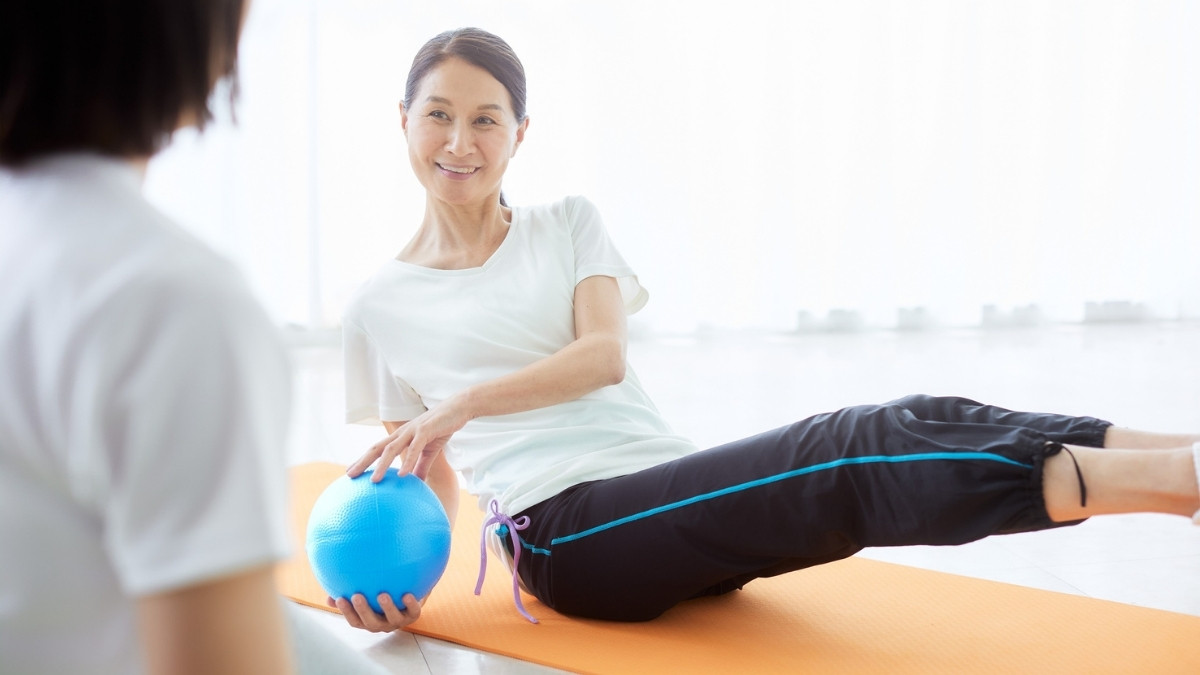
A meta-analysis of 1,017 people averaging 69 years old showed better static and dynamic balance.
Nearly 12 million Americans tried Pilates in 2023. Training over 16 weeks appears best for lasting results. Mental health benefits include reduced anxiety and depression. The evidence is solid.
Beyond Breathing: Unexpected Benefits I Discovered
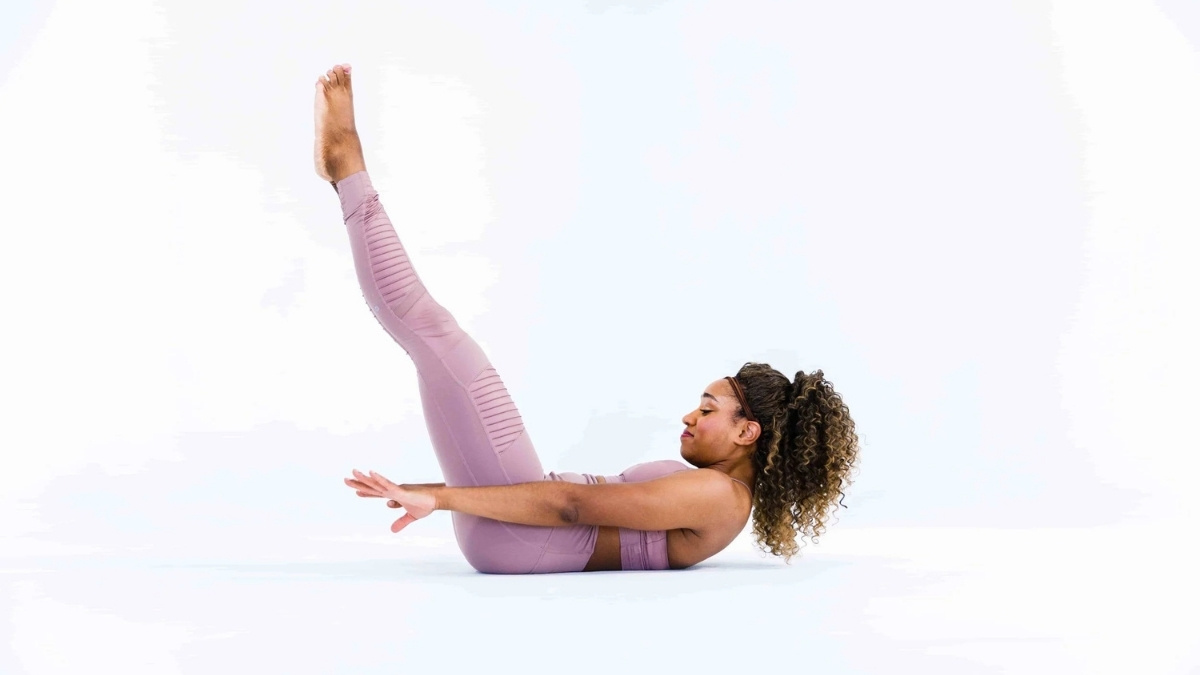
My posture improved without me trying. Years of slouching started reversing. My chronic lower back pain reduced by half within three months.
Balance got better fast. I stopped grabbing railings constantly. Studies confirm Pilates reduces fall risk and improves functional capacity in older adults.
Energy levels surprised me most. I used to nap every afternoon. Now I skip naps three days a week. My mind feels sharper.
The mind-body connection grew stronger. I became more aware of how I move, sit, and stand. Pilates may help maintain bone density during postmenopausal years, though I can’t prove that personally yet.
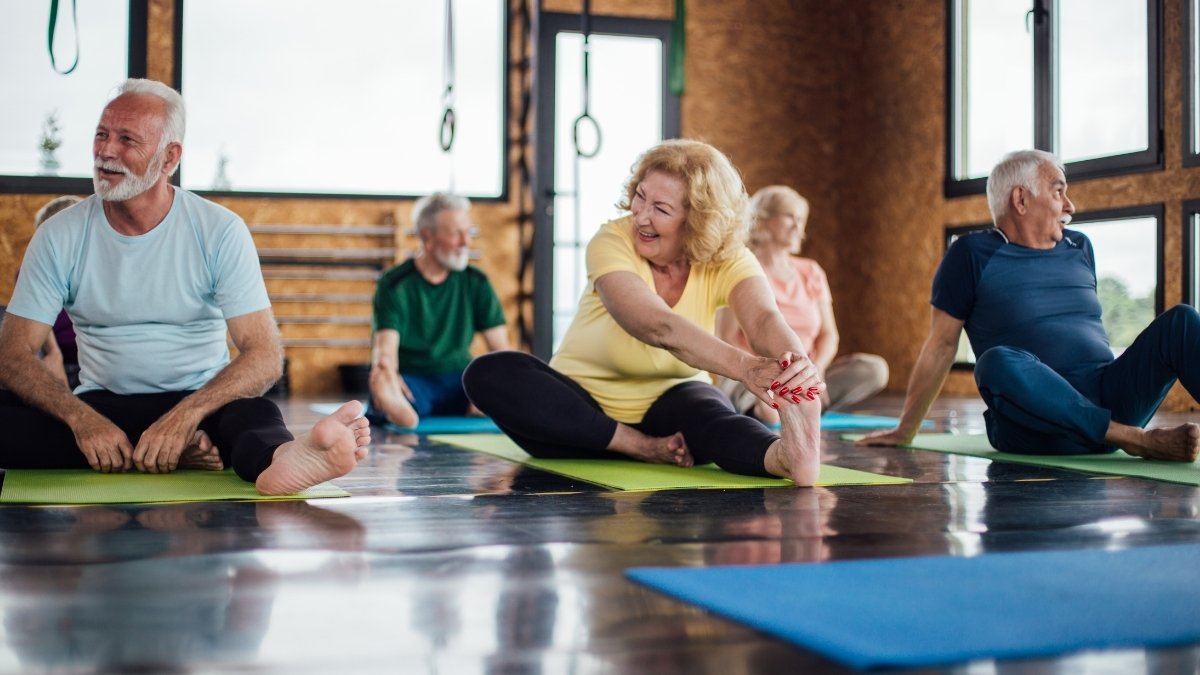
I joined a seniors class and made friends. That social connection matters more than I expected.
Building Your Practice: A Realistic 12-Week Timeline
Practice Builder
Common Challenges and How to Overcome Them
Neck tension is the biggest complaint. If your neck hurts, you’re lifting too high or looking wrong. Lower your head. Use a pillow. Try the Dead Bug exercise first to build strength.
Can’t coordinate breathing and movement? Separate them at first. Practice just the breathing pattern while sitting. Then add gentle arm movements. Combine them when ready.
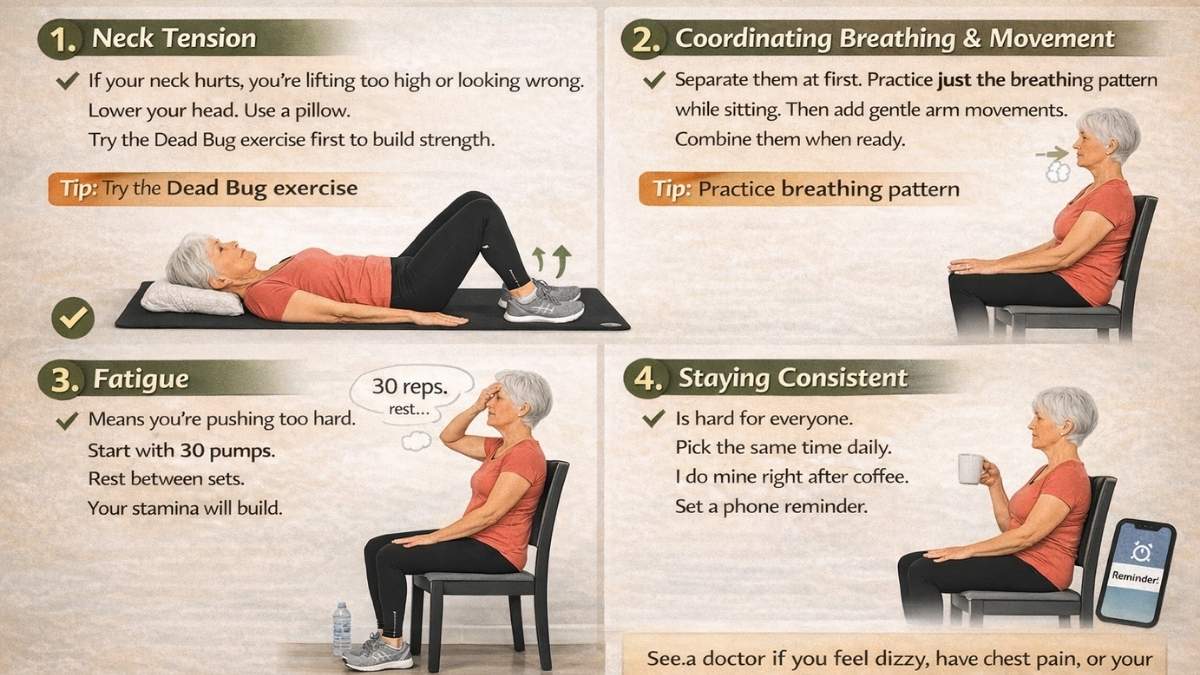
Fatigue means you’re pushing too hard. Start with 30 pumps. Rest between sets. Your stamina will build.
Staying consistent is hard for everyone. Pick the same time daily. I do mine right after coffee. Set a phone reminder.
See a doctor if you feel dizzy, have chest pain, or your breathing gets worse instead of better.
Resources and Next Steps for Your Breathing Journey
Find instructors certified in Pilates who offer senior classes. Look for “Pilates for seniors” or “gentle Pilates” specifically. Many community centers offer affordable classes.
Online platforms worth trying: Pilates Anytime and Alo Moves both have senior-focused programs. YouTube has free tutorials—search “Pilates Hundred for beginners.”
You need a basic exercise mat. Foam costs around $20. Props like pillows and folded towels work fine instead of fancy equipment.
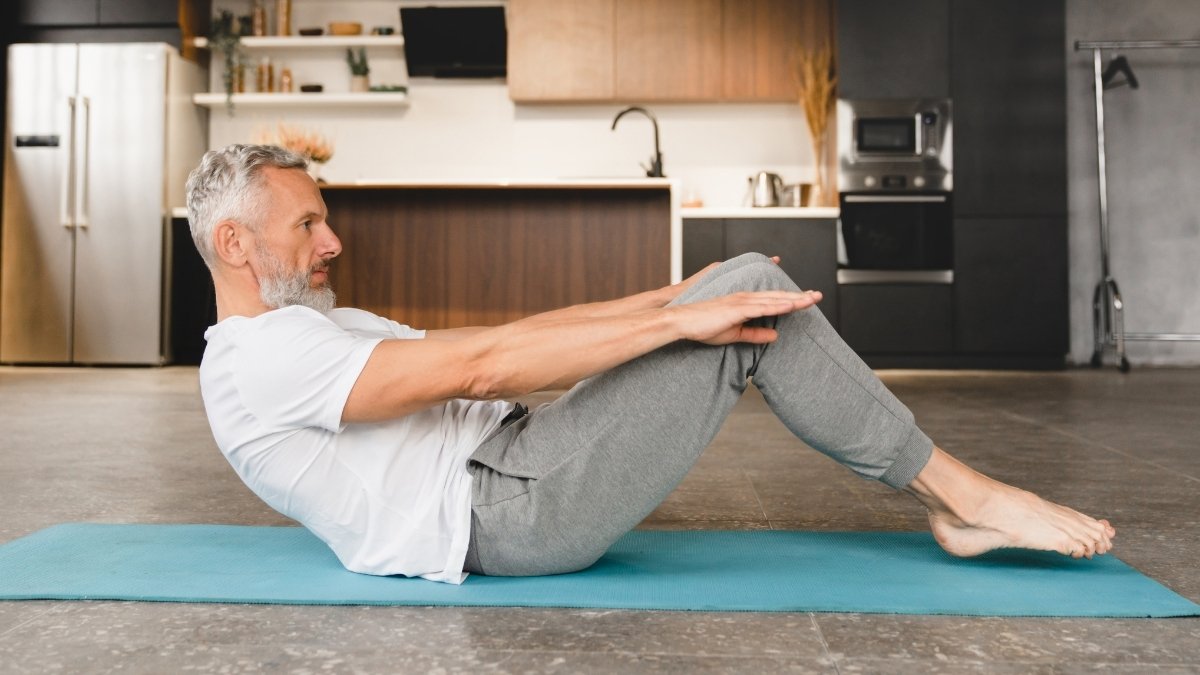
Complementary breathing exercises include diaphragmatic breathing and box breathing. Track your progress with a simple notebook. Write down how many pumps you complete and how you feel.
Start with an experienced instructor if possible. They’ll correct your form and prevent injuries. Your breathing transformation starts today.
Final Words:
The Pilates Hundred offers evidence-based breathing benefits for seniors. Just two minutes daily can transform respiratory function and overall wellness.
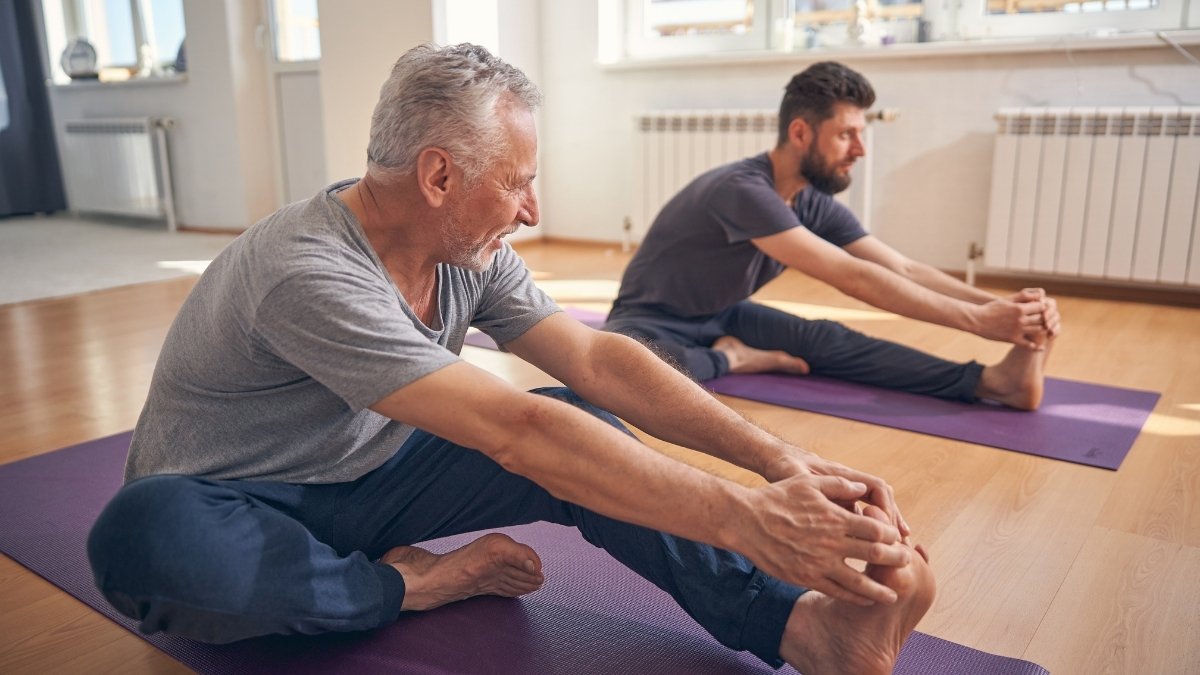
With proper form and consistent practice over 12 weeks, you’ll see real improvements in lung capacity and quality of life at any age. Start with 50 counts today, focus on your breathing, and commit to the process. Your lungs will thank you.