
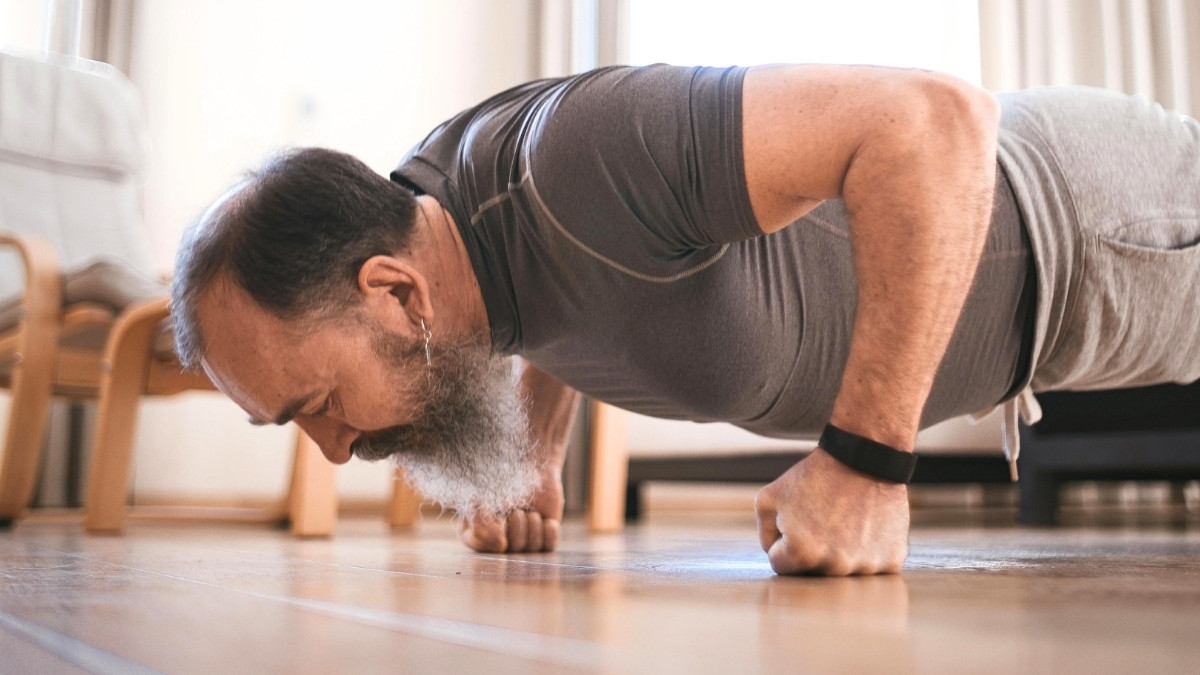
Last week, I helped my 28-year-old son move furniture into his new apartment, and by the third hour, he was the one asking for breaks—not me.
You’ve been told that getting older means getting weaker. That losing muscle is just part of aging. Your knees hurt. You’re tired. You watch younger people do things that feel harder for you each year.
But here’s what no one tells you: you can reverse this.
The six habits I’m about to share are backed by 2025 research. They can stop age-related muscle loss and build real strength. I’m 64 and stronger than sedentary people half my age. These habits work for building muscle after 60, and they’ll work for you too.
Why Adults Over 60 Can Build Serious Strength
The Truth About Aging and Strength
Your body doesn’t have an expiration date for building muscle. Research shows adults in their 60s and 70s can gain significant strength when they train correctly.
From age 50, you lose 1-2% of muscle mass yearly if you do nothing. But studies prove older adults can grow muscle almost as fast as younger people when they follow the right program.
Why These Six Habits Work Together
Each habit supports the others. You can’t build muscle by just lifting weights if you’re not eating enough protein.
You won’t see results from good nutrition if you’re sleeping only 5 hours a night. These six habits create a complete system that transforms your strength in months, not years.
What You’ll Gain Beyond Strength
Building muscle after 60 does more than make you look better. Stronger muscles protect your joints, improve balance, and prevent falls.
Research shows stronger older adults live longer than weak ones. This isn’t about vanity—it’s about keeping your independence and doing what you want for decades to come.
Habit 1 – Train With Progressive Overload (Not Just Movement)
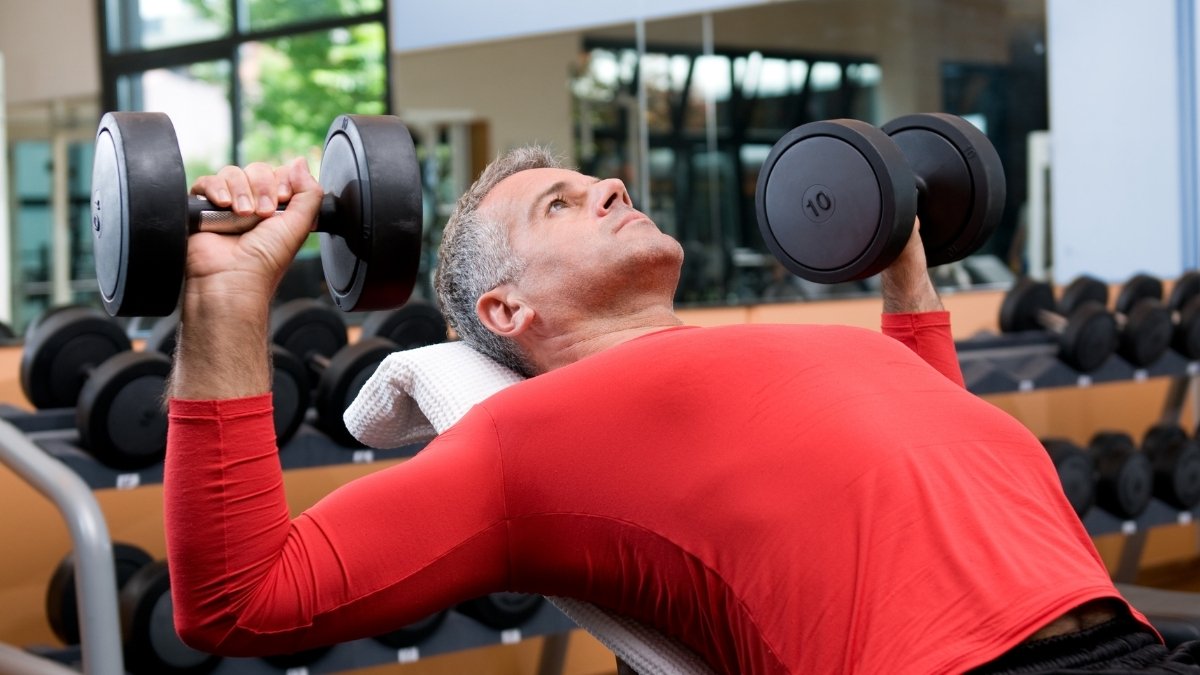
Moving your body is good. But it won’t make you stronger.
Progressive overload means you gradually lift heavier weights, do more reps, or increase intensity over time. Your muscles only grow when you challenge them beyond what they’re used to.
Ten to 30 minutes of focused resistance training creates real results. You don’t need hours at the gym. You need effort and a plan.
Start at 50% of your maximum strength. If you can bench press 50 pounds once, start with 25 pounds. Do 3 sets of 10 reps. Next week, try 27.5 pounds. Small jumps work. Add 10% or less each week.
You can train at a 6 out of 10 effort level safely. You don’t need to push to complete failure. Track everything in a notebook or fitness app.
I started with 10-pound dumbbells for bicep curls. It felt embarrassing. Six months later, I’m at 25 pounds. That’s 150% stronger.
One warning: if you have osteoporosis or joint problems, work with a physical therapist first. They’ll show you safe movements. Progressive overload works, but form matters more than weight.
Habit 2 – Eat 1.2-1.6g Protein Per Kilogram Daily

Most older adults don’t eat enough protein. This kills your muscle growth.
Experts recommend 1.2 to 1.6 grams of protein per kilogram of body weight daily. That’s about 0.5 to 0.7 grams per pound. A 150-pound person needs 75 to 105 grams of protein each day.
The numbers are worse than you think. 30% of men over 71 and 50% of women don’t get adequate protein. Your body needs this fuel to build muscle.
Spread your protein across three meals. Aim for 25-30 grams per meal. This maximizes muscle protein synthesis. Your body can only use so much protein at once.
Here’s a key detail: you need 3 grams of leucine per meal. Leucine is an amino acid that triggers muscle building. It improves grip strength and walking speed in older adults.
Good protein sources include chicken, fish, eggs, Greek yogurt, cottage cheese, and whey protein. A 4-ounce steak has 3.4 grams of leucine. Cottage cheese has 2.9 grams per cup.
Sample day: Breakfast—Greek yogurt with nuts (20g protein). Lunch—grilled chicken salad (30g). Dinner—salmon with vegetables (35g). Total: 85 grams.
Whey protein works especially well for older adults. Mix it in smoothies if you struggle to hit your protein targets.
Habit 3 – Prioritize 7-9 Hours of Quality Sleep

Bad sleep destroys your muscle gains. No amount of training can fix this.
Growth hormone peaks during deep sleep. This hormone repairs your muscles after training. Without deep sleep, your body can’t rebuild what you broke down at the gym.
Missing just one night of sleep cuts your muscle-building ability by 18%. One night. If you sleep 5-6 hours regularly, your protein synthesis drops significantly. Your body can’t turn the protein you eat into muscle.
Sleep deprivation raises cortisol. This hormone breaks down muscle tissue. It also lowers testosterone, which helps build muscle.
Here’s the good news: strength training improves your sleep quality. A 2025 analysis found that exercise helps older adults sleep better. You create a positive cycle.
I track my sleep with a fitness watch. When I get less than 7 hours, my next workout suffers. I lift less weight. I feel weaker. The data doesn’t lie.
Sleep hygiene basics: go to bed at the same time each night. Keep your room cool (65-68°F works best). Stop looking at phones one hour before bed. The blue light messes with your sleep hormones.
Fix your sleep, and you’ll build muscle faster.
Habit 4 – Train 2-3 Times Per Week Consistently
Training once won’t cut it. Training every day will burn you out.
The CDC recommends strength training at least two days per week. But research shows three sessions weekly gives better results. Your muscles need both stress and recovery.
Your muscles need 48-72 hours to recover between training the same muscle groups. This is why you split your workouts. Monday: upper body. Wednesday: lower body. Friday: full body or light work.
Studies show the sweet spot is about 120 minutes of moderate training per week. That’s three 40-minute sessions. You don’t need marathon gym sessions.
Here’s what matters most: consistency beats intensity. Missing scheduled workouts kills your progress. Your body adapts when you show up regularly. Random hard workouts don’t work.
I schedule Tuesday, Thursday, and Saturday mornings. I haven’t missed a week in 18 months. That consistency built my strength, not the individual workouts.
A session includes your warm-up. Plan for 30-45 minutes total. Warm up for 5-10 minutes with light cardio and mobility work. Train for 25-30 minutes. Cool down and stretch for 5 minutes.
Training once weekly maintains strength but doesn’t build it. You need 2-3 sessions minimum to see real gains.
Habit 5 – Focus on Compound Movements
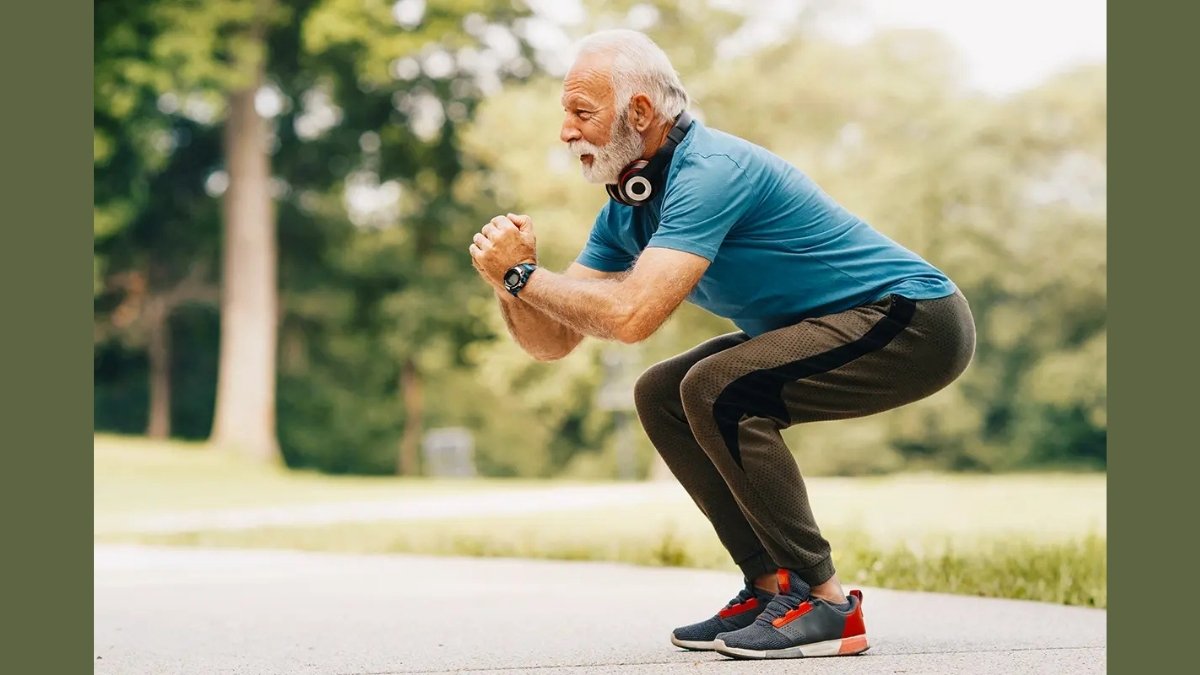
Bicep curls look cool. But they won’t make you stronger for real life.
Compound exercises work multiple muscle groups at once. They’re more efficient and more functional. These movements help you carry groceries, get off the floor, and move furniture.
The best exercises for older adults: squats, deadlifts, chest press, rows, and overhead press. These movements train your body how it actually moves in daily life.
Squats keep you able to get out of chairs without using your hands. Deadlifts teach you to pick things up safely. Rows fix your posture. These skills matter more at 64 than having big biceps.
Start with machines for safety. They guide your movement and reduce injury risk. Once you’re comfortable, progress to free weights. Free weights force you to balance and stabilize, which builds more strength.
Progression example: wall push-ups for two weeks. Then knee push-ups for two weeks. Then standard push-ups. For squats: bodyweight squats, then goblet squats holding a dumbbell, then barbell squats.
Mastering the deadlift at 62 changed everything about my posture. My back pain disappeared. I stand taller. One movement fixed multiple problems.
Habit 6 – Work With a Coach or Physical Therapist Initially
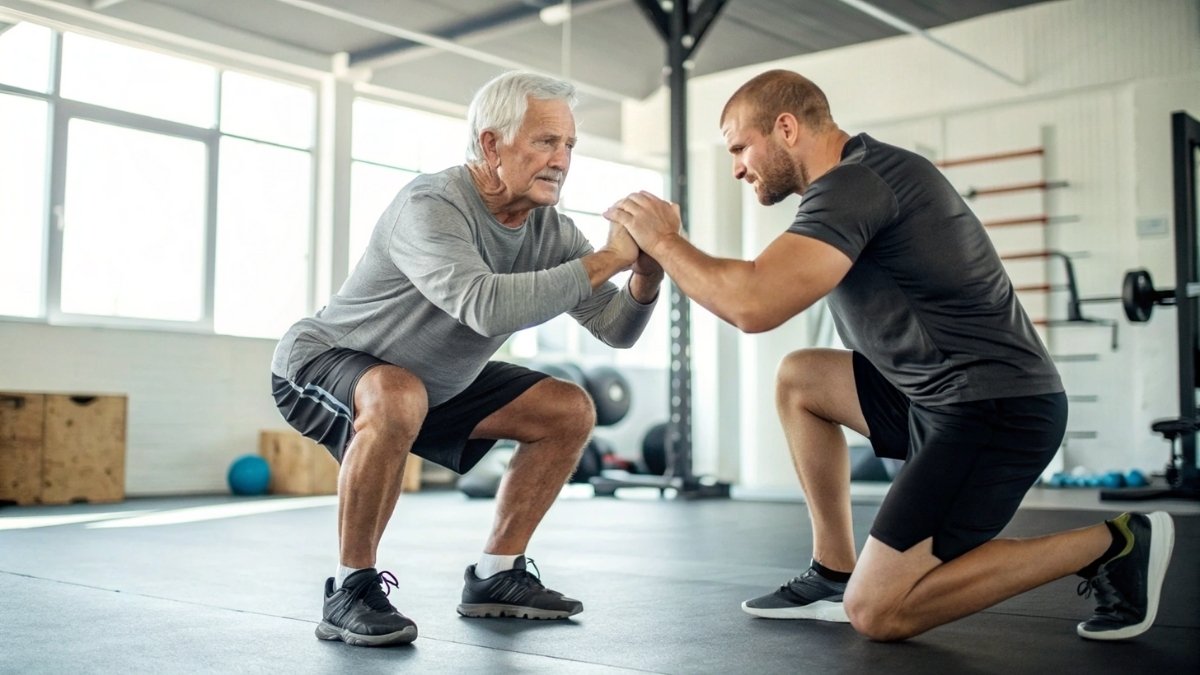
You can learn from YouTube. But you’ll make mistakes.
A professional creates a program tailored to your fitness level, health issues, and goals. They make sure you train safely and effectively. Most injuries happen from bad form, not heavy weights.
A trainer or physical therapist teaches proper form. They spot problems you can’t see. They design your progression so you don’t do too much too fast.
You have options: in-person trainers, online coaching, or physical therapists. If you have osteoporosis, heart problems, or joint issues, start with a physical therapist. Insurance often covers this.
Look for trainers with certifications and experience working with older adults. They should understand your limitations and goals. Ask them how they work with people your age.
Budget tight? Check community centers for senior fitness programs. Many offer group classes led by qualified instructors for $5-10 per class. You don’t need expensive gyms.
I did three sessions with a physical therapist. He taught me proper squat form that eliminated my knee pain. Those three hours saved me from months of injury and frustration.
Invest in 4-6 sessions to learn the basics. After that, you can train independently. Think of it as buying knowledge that lasts years.
Final Thoughts:
These six habits rebuilt my body at 64. Progressive overload training. Eating 1.2-1.6g protein per kilogram. Getting 7-9 hours of sleep. Training 2-3 times weekly. Focusing on compound movements. Working with a coach initially.

Start with one habit this week. Calculate your protein needs or schedule your first training session. Building muscle after 60 is one of the best things you can do for your longevity and independence.