

While the world expects you to wind down in your 60s, 2025 research from Stanford Medicine and the Alzheimer’s Association proves this decade can actually reverse your biological age by up to two years.
You’re facing society’s narrative that your 60s mean decline. Yet you feel capable of more. You just don’t know the exact protocols to make thriving in your 60s a reality.
This guide gives you the science-backed systems used in 2025-2026 studies. You’ll learn how to build strength, sharpen cognition, launch careers, and optimize finances during your 60s.
These aren’t theories. They’re proven results from thousands of people already living their most powerful decade.
Your transformation starts today.
Climb to Success in Your 60s
8 Steps to Transform Your Life
Why Your 60s Matter
Science shows this decade can reverse aging instead of speeding it up
How to Move Your Body
The exact number of steps and types of exercise you need daily
What to Eat
Simple protein targets and the best diet for your 60s
Keep Your Brain Sharp
Activities that protect your memory and thinking skills
Work and Purpose
Job options and opportunities available for people in their 60s
Money Moves for 2026
New savings limits and tax benefits you can use this year
Real Success Stories
People who achieved big things after 60
Your 90-Day Plan
Week-by-week steps to start your transformation
The Science Behind Why Your 60s Are Your Prime Years

Physical decline starts around age 35, but exercise at any age still meaningfully preserves fitness. Here’s what matters: what you do now changes everything.
The POINTER study tracked 2,100 people in their 60s and 70s. Intensive lifestyle changes made them cognitively function like someone 1-2 years younger. Not slower decline. Actual reversal of biological age.
Being physically active can help you perform the same as someone up to five years younger. Think about that. Your body can perform like 60 when you’re 65.
Staying professionally active keeps the brain ‘in training,’ much like exercise does for muscles. Work isn’t just a paycheck. It’s brain medicine that improves cognitive function.
Your 60s offer unique advantages. Freedom from others’ expectations. Accumulated wisdom. Often peak financial stability.

The Swedish 47-year study showed when physical decline starts. But 2025 research proved walking in 10-minute increments had the biggest impact on lowering mortality. Small actions create big results for health in your 60s.
The Movement Protocol: Building Unstoppable Physical Strength

Aim for at least 7,000 steps per day for significant health benefits. Not 10,000. Just 7,000 daily steps protect your heart and extend your life.
Walking in increments of 10 minutes or more had the biggest impact on lowering mortality and cardiovascular disease. Three 10-minute walks beat one 30-minute session for heart health. This matters because consistency beats intensity for exercise after 60.
42.3% of 2026 health goals focus on getting physically stronger, with 46.5% planning to lift more weights. Strength training matters more than cardio now. Your muscles protect your bones, balance, and independence.
The 60s and 70s are the ideal time to start working on balance to prevent falls. Falls cause more injuries than any other problem for people over 60. Simple balance exercises save lives.

You need four types of exercise: aerobic, strength training, balance, and flexibility. Exercise intensity drives reduced cardiovascular disease mortality risk more than exercise volume.
Start tomorrow with a 10-minute walk. Your first protocol for physical fitness begins now.
The Nutrition Formula: Eating for Power and Longevity
Your body needs more protein after 60, not less. Healthy older adults benefit from approximately 1.0 to 1.3 grams of protein per kilogram of body weight daily.
For a 150-pound person, that’s about 68-88 grams of protein per day through three meals containing 20-30 grams each. Here’s why: protein maintains muscle. Muscle maintains independence. This protein intake is critical for nutrition after 60.

The Mediterranean diet ranked #1 for weight loss and overall health in 2026. That means fish, olive oil, vegetables, whole grains, and nuts. Simple, real food.
Higher fiber intake consistently improves metabolic markers, satiety, and microbial diversity while lowering risks for colon cancer and Type 2 diabetes. Fiber also blocks microplastic absorption according to emerging 2025 research.
Calculate your protein target tonight. Multiply your weight in pounds by 0.5. That’s your minimum daily grams for healthy eating. A palm-sized piece of chicken has 30 grams. Two eggs have 12 grams.
Track it tomorrow. Most people eat half what they need.
The Brain Power Blueprint: Keeping Your Mind Sharp

Intensive lifestyle regimen including aerobic exercise, Mediterranean diet, cognitive training, and social activities improved mental abilities and reduced age-related decline. The POINTER study proved this with 2,100 people and measurable results for cognitive health.
Mental stimulation through crossword puzzles, learning new skills, or complex conversations helps maintain cognitive function. Regular crossword puzzles can delay memory decline by 2.5 years. That’s measurable protection for your brain.
Computerized brain games may improve executive function, processing speed, verbal memory, and working memory for people over 60. Brain fitness tools work when you use them consistently.
But here’s what matters more. Social connection is really important for healthy aging—for your brain and emotional health. Loneliness damages your brain faster than any puzzle can fix it.

Download a crossword app tonight. Call a friend tomorrow. Join a book club next week for mental sharpness.
Your brain needs exercise as much as your body. Start with one mental challenge daily. Memory improvement happens through consistent action.
The Career Renaissance: Working with Purpose After 60
The number of workers over 50 has increased by over 60% in the past 20 years. This isn’t desperation. It’s strategic reinvention into meaningful work and a second career.
Nearly two-thirds of people aged 55-64 are working or actively seeking a job, and almost a quarter of folks aged 65-74 are working. Why? Because career after 60 keeps your brain sharp and gives life purpose.

Nearly 1.6 million people 65+ work in healthcare and social assistance. Consulting, fractional executive roles, coaching, and teaching top the list for encore career options. These roles pay well and offer flexibility.
32% of people over 50 have taken job-related skills training or courses online, and 57% would learn new skills if asked. Learning isn’t just for young people. It’s essential for working in your 60s.
IBM SkillsBuild offers free online courses. The SCSEP program helps people 55+ find work. Coding bootcamps accept students of any age.
Update your LinkedIn profile this week. Your professional experience has value right now.
The 2026 Financial Power Moves: Maximizing Your Money
2026 401(k) contribution limit increased to $24,500, up $1,000 from 2025. But here’s the big move for retirement planning 2026 if you’re ages 60-63.
If you’re hitting 60, 61, 62 or 63 in 2026, take advantage of the super catch-up, a permanent $11,250 boost on top of the $24,500 contribution limit. That’s $35,750 total you can put away tax-free. This is huge for financial planning.
IRA standard contribution cap for 2026 is $7,500, up from $7,000 in 2025. Max out these 401k contributions if you can.

Social Security recipients get a 2.8% benefit bump in January 2026, with average monthly retirement payment increasing from $2,015 to $2,071. That’s an extra $672 yearly in Social Security benefits.
New senior deduction of $6,000 for those 65+ applies for tax years 2025-2028. Medicare Part B premium increased to $202.90 per month.
Schedule a contribution increase through your HR portal this week. Even 1% more compounds into thousands over time for retirement planning.
Real People Thriving: Inspiring 60+ Success Stories
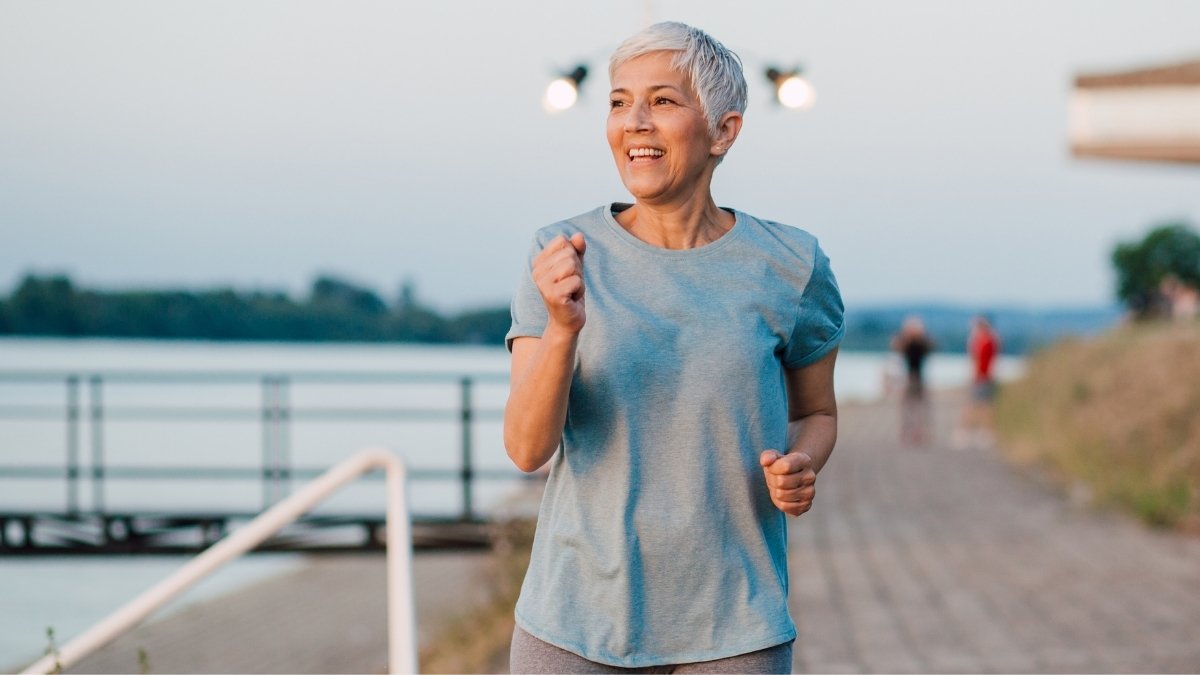
Betty Kellenberger completed the nearly 2,200-mile Appalachian Trail in September 2025, becoming the oldest woman ever to finish the 14-state trek. She trained by climbing hospital stairs in flat Michigan. That’s success after 60 at its finest.
Natalie Grabow at 80 completed the Ironman World Championship in Kona, Hawaii, becoming the oldest woman ever to finish. Eighty years old. Ironman. Proof of what’s possible.
Demi Moore won best actress at AARP’s 2025 Movies for Grownups Awards, capping a major comeback. Career resurgence at 62 shows thriving in your 60s is real.
Colonel Sanders started KFC at 65. Laura Ingalls Wilder published her first Little House book at 64. Frank McCourt published Angela’s Ashes at 66. These second act stories prove age is just a number.

These aren’t outliers. They’re proof of what the research predicts. Your 60s can be your launching pad, not your landing zone. This inspiration should fuel your own transformation.
The 90-Day Transformation Protocol
Week 1-4: Start with baseline assessment and habit foundations. Track your current steps, protein intake, and daily activities. Get a simple notebook. Write down your starting point for the 90-day protocol.
Week 5-8: Intensification and skill building begins. Add 1,000 more steps weekly. Increase protein by 10 grams daily. Add one new brain game. Join one social group for getting started on real change.
Week 9-12: Integration and optimization time. All habits should feel automatic now. Your action plan is working. Track your progress every week. Take photos. Measure your energy levels.

How to track progress: Use a fitness tracker for steps. Use a food app for protein. Write down one win daily. Small wins build momentum for transformation.
Common obstacles: Soreness, fatigue, forgetting. Solutions: Rest when needed. Start smaller. Set phone reminders. Ask a friend to check in weekly.
Mark day 90 on your calendar right now. Research shows 90 days of consistent action rewires habits permanently. Your most powerful decade begins today.
Conclusion:
Your 60s aren’t about decline. 2025-2026 research proves they can be your most powerful decade. Start with 7,000 daily steps, 20-30g protein per meal, daily mental challenges, and strategic financial moves.

Choose one protocol section and implement it this week. Your transformation begins with a single step toward thriving in your 60s.