

A 2025 University of Sydney study tracking research across 10 countries found something wild: walking 7,000 steps daily cuts your death risk by 47%. That’s almost the same as hitting 10,000 steps.
You’re stuck between conflicting advice. Gym people swear by heavy weights and intense workouts. Your doctor keeps pushing daily walks. Meanwhile, people in Blue Zones live past 100 without ever touching a dumbbell.
Here’s what you’ll learn: actual death rate data comparing walkers to gym-goers, the truth about extreme exercise, how mixing both approaches works best, and simple action steps based on 2025 research. No fluff. Just what the science actually shows about living longer.
The Walking Data: How Many Steps Actually Add Years
The 2025 Lancet study changes everything we thought about step counts. Researchers found 7,000 steps reduce death risk by 47%. Going to 10,000 steps? Almost identical benefits. You hit diminishing returns fast.
Every 1,000 extra steps links to 15% lower death rates. But here’s the kicker: benefits start at just 2,600 steps. That’s a 20-minute slow walk. Even tiny amounts help.
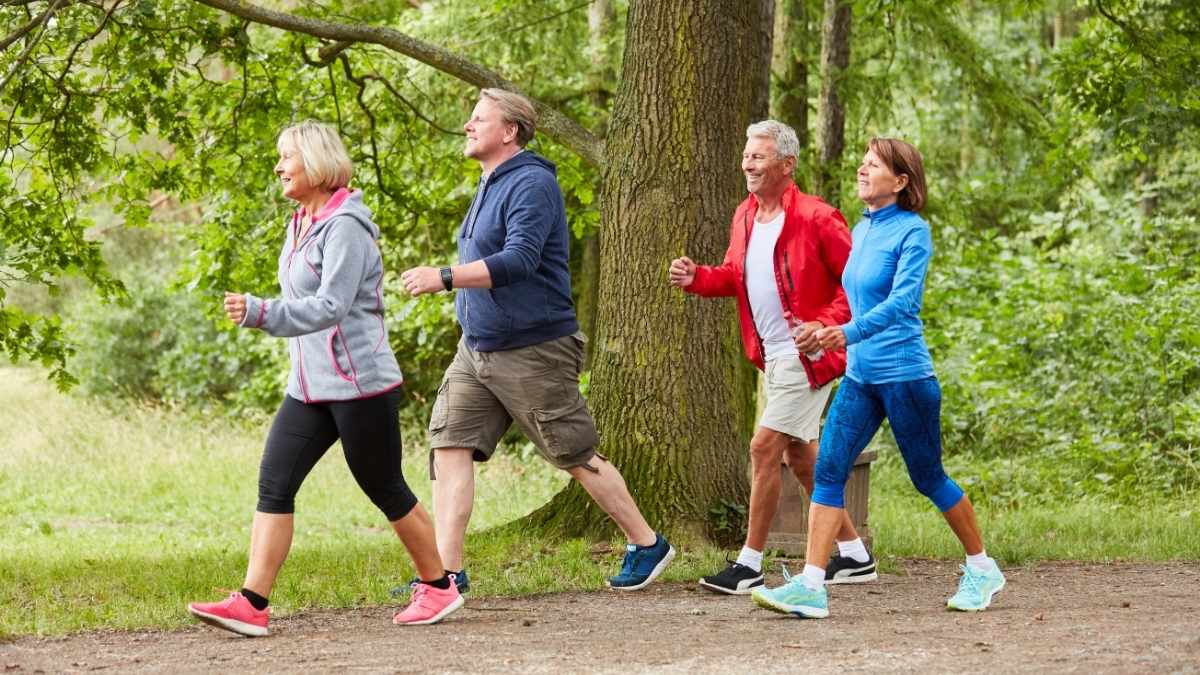
The sweet spot sits around 8,800 steps for overall death risk and 7,200 for heart disease. Adding 10 minutes of brisk walking daily gives inactive adults 0.9 to 1.4 extra years of life. Each 500-step bump means 7% less cardiovascular death.
Your body responds to movement fast. You don’t need to become a marathon walker. Start where you are. Add 500 steps weekly. Watch the benefits stack up. The data shows consistency beats intensity every single time.
The Gym Advantage: What Strength Training Actually Does
Strength training does things walking can’t touch. Ninety minutes weekly of lifting slows your biological aging by almost 4 years. That’s measured in actual cell aging, not just how you feel.
Just 30 to 60 minutes of resistance work each week drops all-cause death risk by 17%. But the real magic happens in muscle power, not just strength. How fast you can move weight predicts mortality better than how much you lift.

After age 30, you lose muscle yearly without training. By your 70s or 80s, you’ve lost 50% without resistance work. This muscle loss (sarcopenia) kills independence and increases fall risk.
Here’s something shocking: fitness cuts early death risk in half, even in obese people. Your body composition matters more than your weight. Strength training preserves telomeres (the caps on your DNA that show aging). It builds the metabolic machinery walking alone can’t create.
The Dark Side of Extreme Exercise

Professional bodybuilders face 5 times higher sudden cardiac death risk than amateur lifters. More isn’t always better. The benefits follow a U-shaped curve: they rise, plateau, then reverse at extreme volumes.
Research shows optimal vigorous exercise sits around 150 minutes weekly. Not more. Beyond that, you’re adding risk without adding years. Overtraining causes cardiac remodeling and atrial fibrillation.
The Harvard alumni study found benefits fade above 3,500 calories burned weekly through exercise. Marathon runners show higher rates of heart scarring than moderate exercisers. The European Heart Journal 2025 data confirms what we suspected: extreme training stresses your system.

Your heart needs recovery time. Constant intense work doesn’t give tissues time to repair. Moderate exercise beats extreme volumes for actually living longer. This isn’t about being lazy. It’s about being smart with your body’s limits and working with biology, not against it.
The Blue Zones Secret: Natural Movement Beats Gym Memberships
Sardinian shepherds walk over 5 mountainous miles daily. No gym membership needed. They’re moving constantly, not scheduling workouts. That’s the pattern across all Blue Zones.
Eighty-one percent of centenarian activities count as moderate intensity. They garden, walk to destinations, do manual labor. Movement weaves through their entire day. No fitness trackers. No gym equipment. Yet they have 10 times more people living past 100.

Okinawans spend hours in gardens, squatting and standing repeatedly. Nicoya Peninsula residents do physical labor into their 90s. Movement isn’t separated from life. It IS life.
Here’s what matters: lifestyle integration beats scheduled workouts. These people never “exercise” in our modern sense. They move naturally, constantly, at moderate intensity.
Their bodies don’t know the difference between a workout and daily living. The lesson? Find ways to build movement into your actual day, not just gym time.
The Winning Combination: What 2025 Research Actually Recommends
Combined strength plus walking delivers 40% lower death risk. Strength alone? Twenty-one percent. Walking alone? Twenty-four to thirty-four percent. Together beats either one by itself.
The American Heart Association recommends 150 minutes of moderate cardio weekly plus 2 strength sessions. This combination works because each fills gaps the other misses. Strength preserves muscle. Walking protects your heart. You need both.
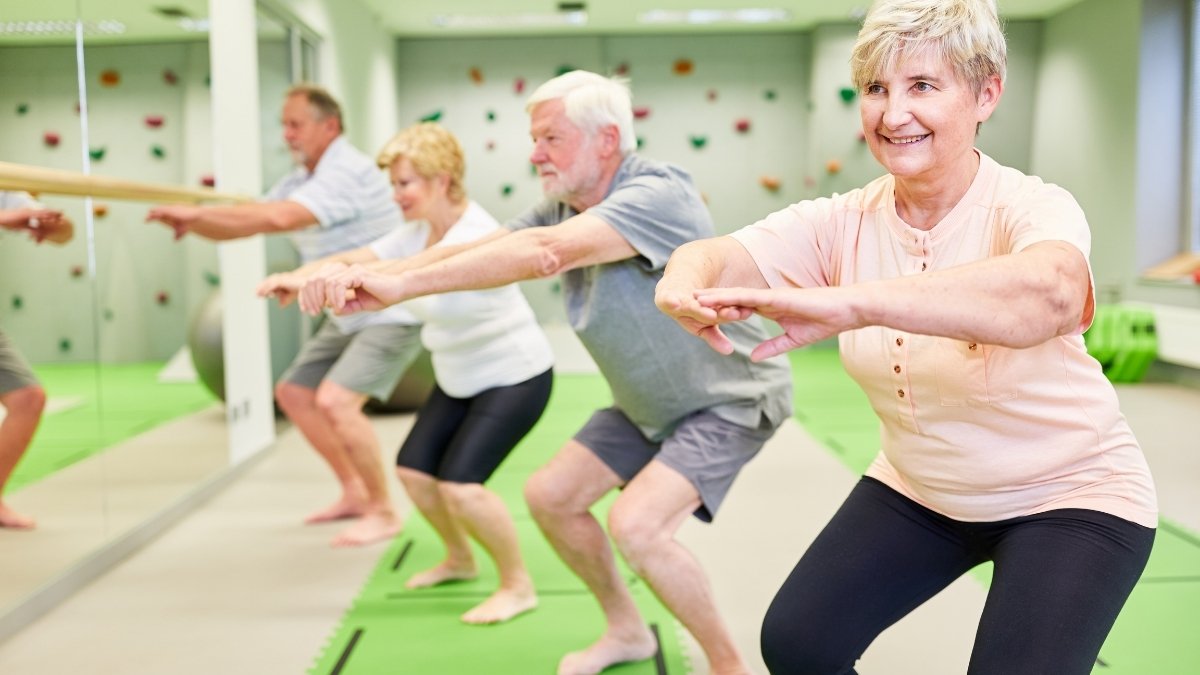
The synergy shows up everywhere: brain health, bone density, cardiovascular function. Your body responds better to variety than specialization. One study found combination exercisers had better outcomes than people doing triple the volume of just one type.
Minimum effective dose: 7,000 steps plus two 20-minute strength sessions weekly. Optimal zone: 8,000 to 10,000 steps plus three 30-minute strength sessions. Beginners start with bodyweight exercises. Advanced folks add weights gradually. The key is hitting both systems consistently, not perfectly.
Your Personalized Longevity Exercise Plan (By Age & Fitness Level)

Sedentary beginners: Start tracking steps today. Hit 4,000 this week. Add 500 steps weekly until you reach 7,000. Add one bodyweight strength session (squats, pushups, planks) for 15 minutes.
Ages 30 to 50: Prioritize strength training now. You’re losing muscle yearly. Hit 7,000 to 8,000 steps daily. Do 3 strength sessions weekly, 20 to 30 minutes each. Focus on compound movements: squats, deadlifts, presses, rows.
Ages 50 plus: Equal emphasis on both types. Add balance work (single-leg stands, yoga). Walk 7,000 to 10,000 steps. Strength train 2 to 3 times weekly. Watch for recovery needs.
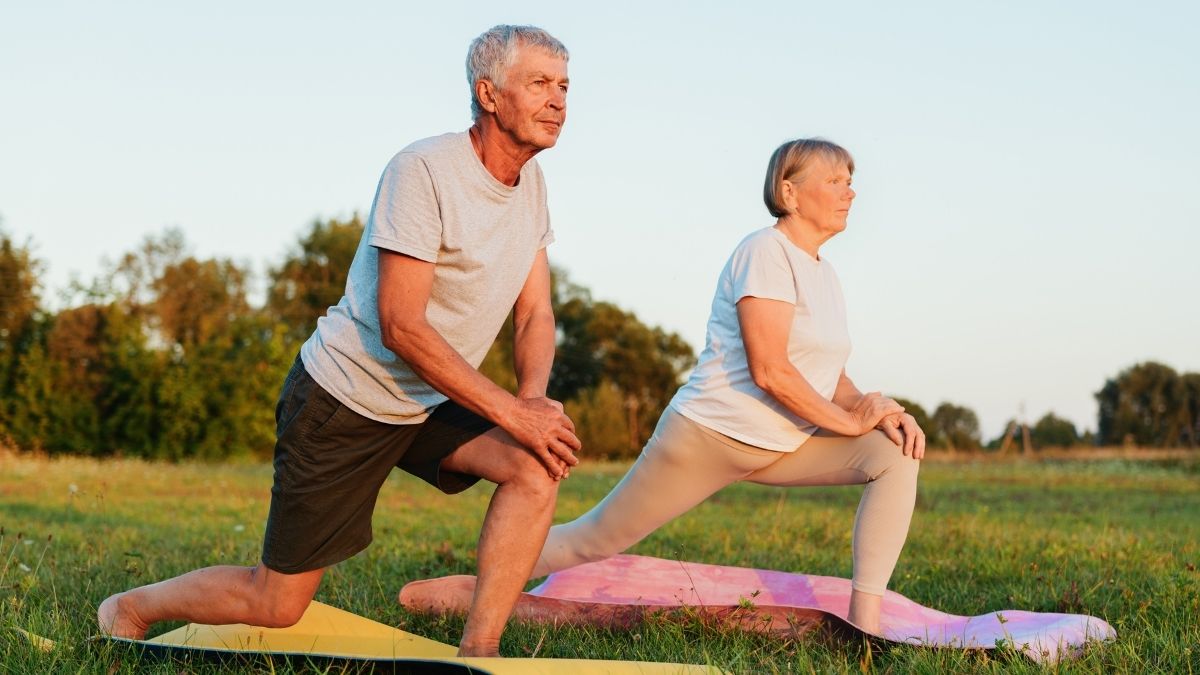
Already active: Check if you’re overdoing intensity. More than 150 minutes of vigorous work weekly adds risk. Scale back if needed. Build consistency over intensity. Week 1 to 4 protocol: establish baseline, add slowly, watch for overtraining signs (poor sleep, elevated resting heart rate, constant soreness, mood changes).
Conclusion:
Neither walking nor gym training wins alone. Science shows combining both delivers 40 to 47% mortality reduction. Start with 7,000 daily steps and two weekly strength sessions.
Your body responds to consistent, moderate movement paired with muscle maintenance. Track your baseline steps this week. Add one strength session. Build from there.