

What if you could turn back your biological clock by 2+ years in just 8 weeks—not with expensive treatments or restrictive fasting, but by adding specific foods to your grocery cart?
Most people in their 40s, 50s, and 60s notice aging signs. Reduced energy. Slower recovery. Cognitive changes. You want solutions that actually work. The anti-aging industry floods you with conflicting advice about supplements, superfoods, and miracle cures.
This guide reveals the exact foods scientists identified in April 2025 as having the strongest anti-aging effects. These findings come from epigenetic age reversal studies.
You’ll learn what to eat, how much, and why these specific anti-aging foods matter more than others for slowing biological aging and increasing longevity.
What Scientists Just Discovered About Anti-Aging Foods
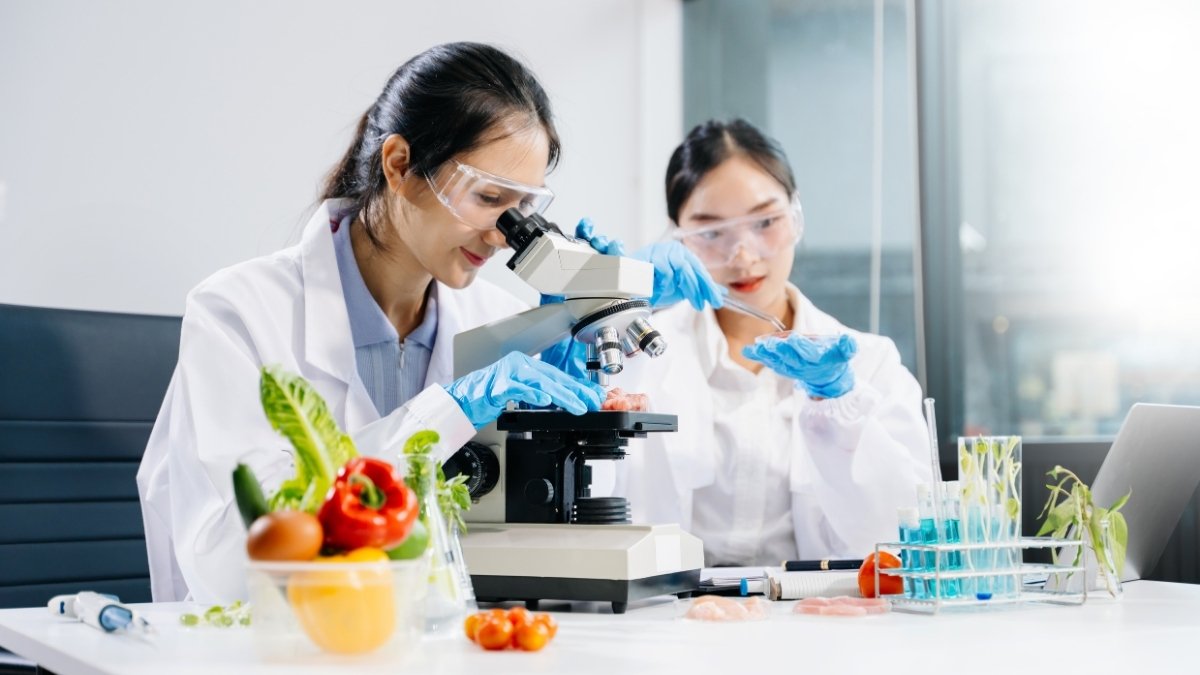
In April 2025, scientists publishing in the journal Aging identified a new category of anti-aging foods called methyl adaptogens. These foods don’t just nourish the body—they directly influence gene behavior through DNA methylation,
The chemical tags that turn genes on or off. The study followed 43 healthy men aged 50–72 and measured biological age using epigenetic clocks rather than calendar years.
After 8 weeks, the intervention group reduced their epigenetic age by an average of 2.04 years, while the control group aged 1.10 years. Some participants reversed up to nine years biologically.
The effect remained significant even after adjusting for weight loss, proving the mechanism works through epigenetic regulation, not calories.
The 6 Most Powerful Anti-Aging Foods (According to Research)
The study identified six specific foods that showed the strongest link with biological age reversal. Here’s what to add to your shopping list.
Green Tea
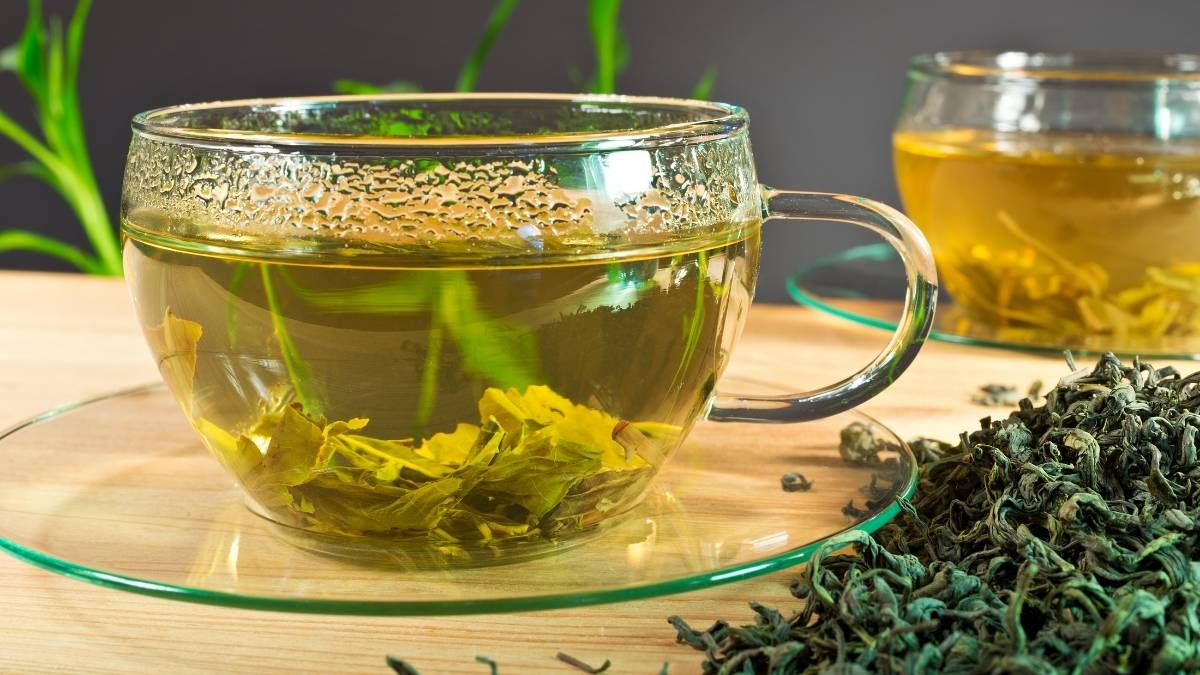
Green tea is rich in EGCG (epigallocatechin gallate). This compound modulates DNA methyltransferases—the enzymes that add those chemical tags to your DNA. A 2023 study showed green tea improved blood flow and cognitive performance in older adults. The polyphenols in green tea don’t just fight free radicals. They actively manage how your genes express themselves.
Berries (Especially Blueberries)
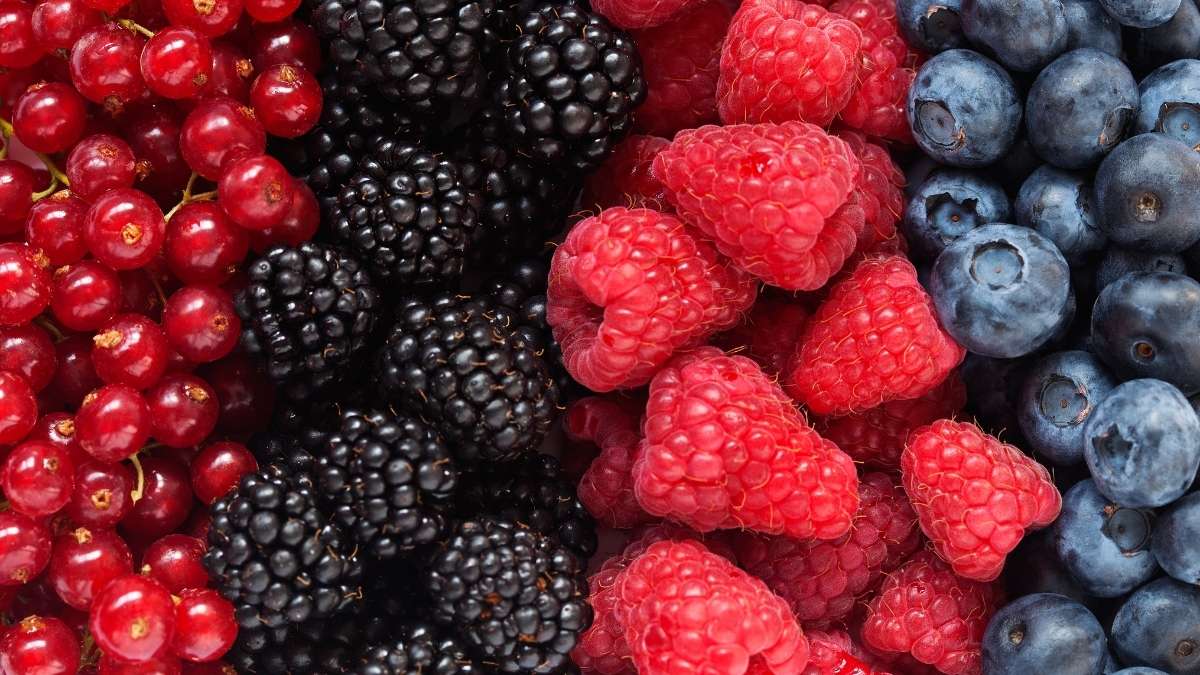
Blueberries pack the most powerful punch. They contain proanthocyanidins (PAC), which showed the strongest lifespan extension in studies. A March 2025 study of 105,015 participants in the Nurses’ Health Study found something surprising. Just 0.5 serving per day linked to a 12% lower frailty risk.
Wild blueberries showed impressive results too. In a 2023 study, 26 grams daily (about 3 tablespoons of freeze-dried powder) improved vascular function by 0.85% FMD. That same amount contains 302mg of anthocyanins. These compounds reduce biological age markers in ways that go beyond simple antioxidant activity.
Turmeric
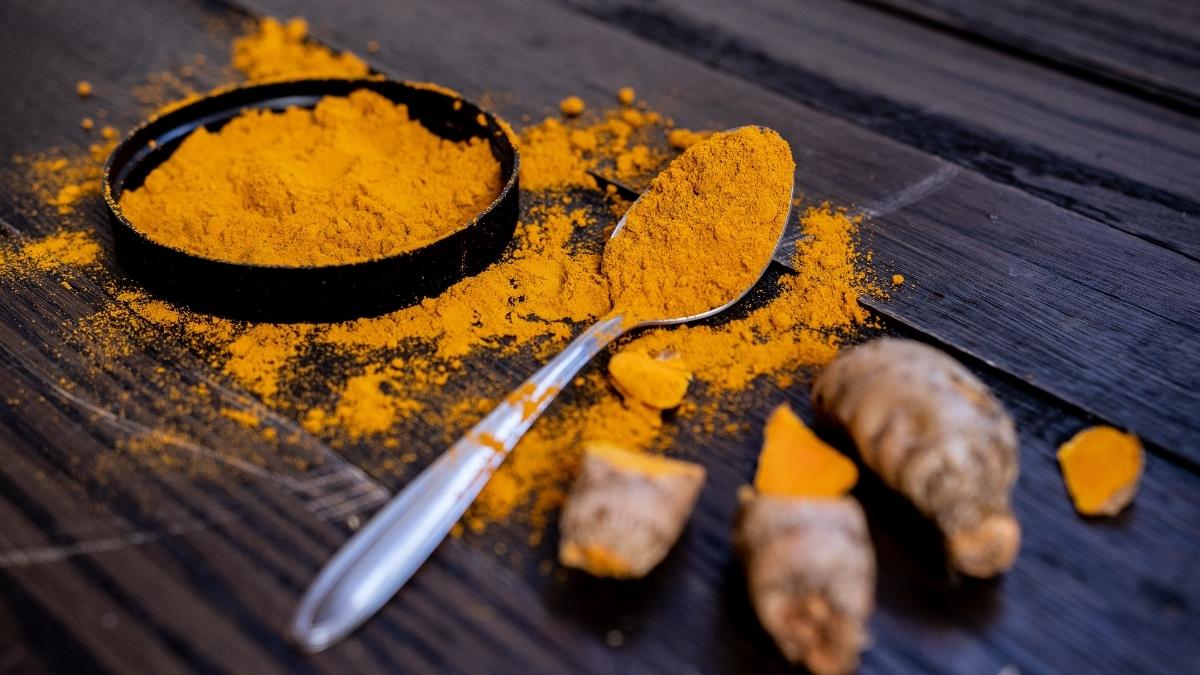
Curcumin, the active compound in turmeric, influences DNA methylation pathways. It doesn’t just reduce inflammation. It changes cellular aging at the genetic level. Researchers use turmeric in anti-aging studies focused on joint health and brain function because of these methylation effects.
Garlic
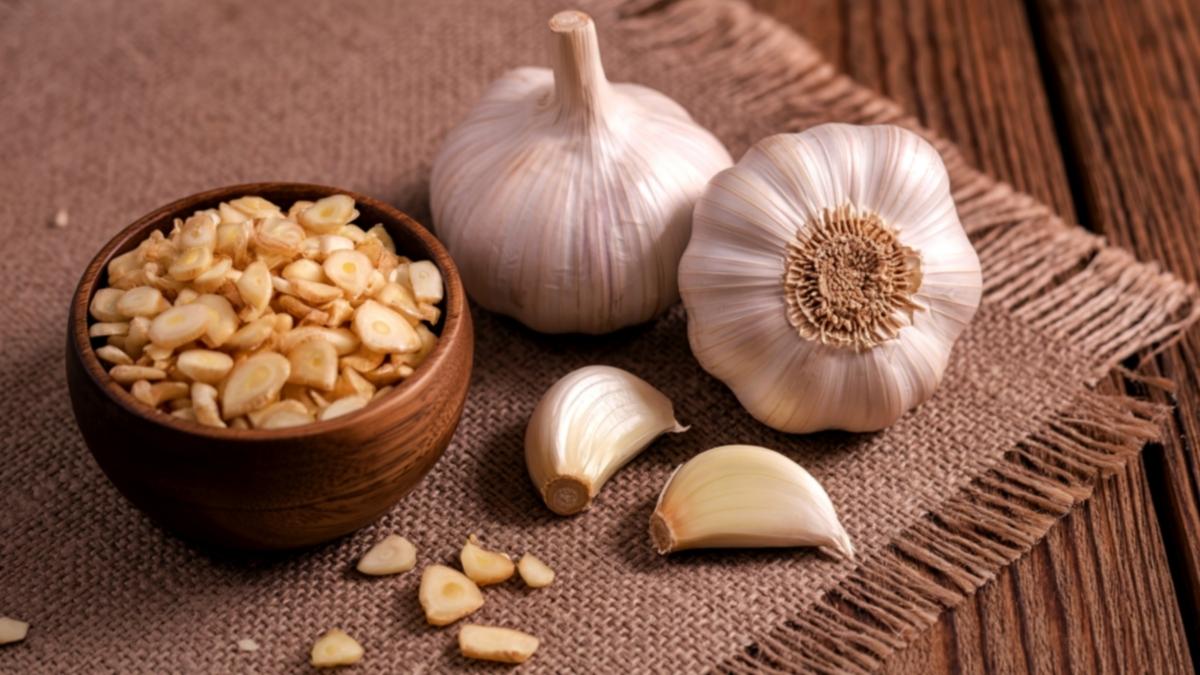
Garlic contains organosulfur compounds that affect gene expression. When you crush fresh garlic, these compounds activate and become part of the methyl adaptogen category. Garlic supports cardiovascular health markers, which connects to slower biological aging.
Rosemary
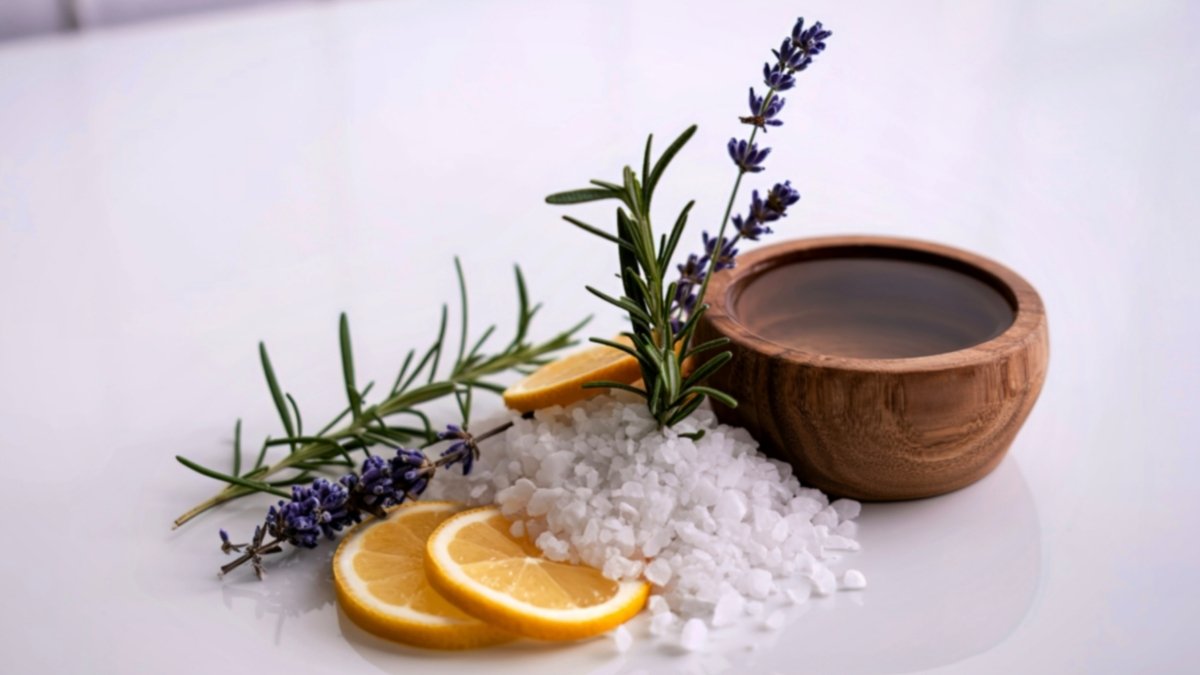
This common herb has high polyphenol content. Rosemary modulates oxidative stress pathways through gene expression changes. Traditional use of rosemary for memory and vitality now has validation through modern epigenetics research.
Oolong Tea
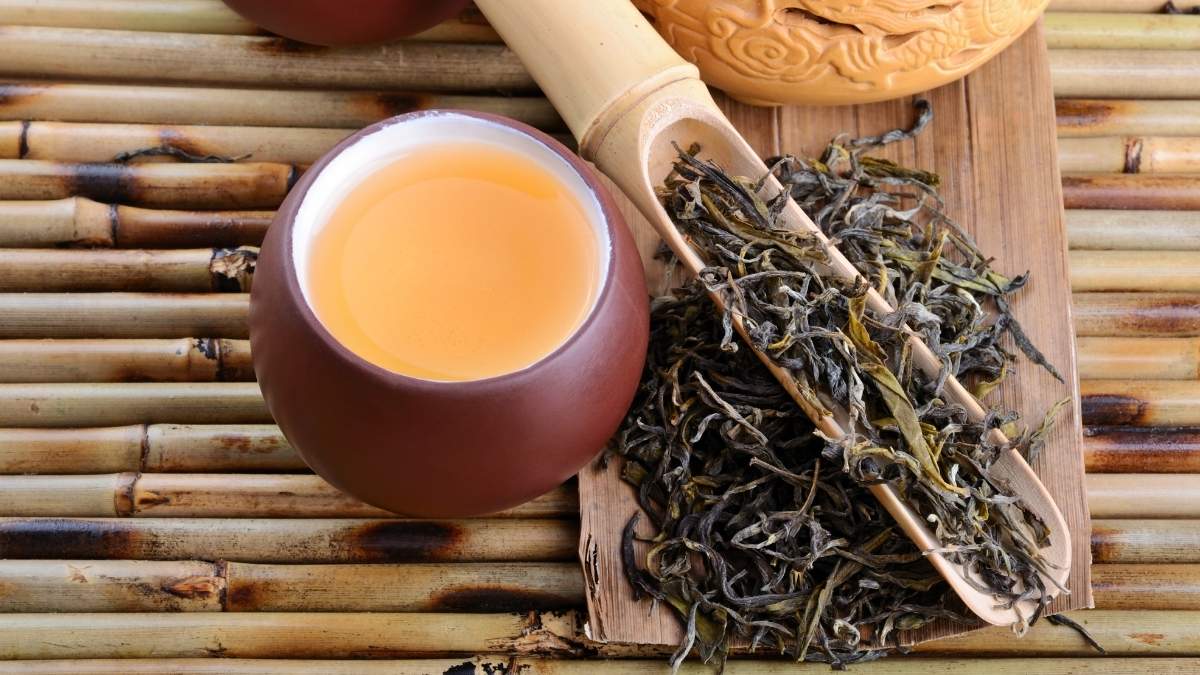
Oolong tea contains polyphenolic compounds similar to green tea. The mechanisms work the same way—influencing how your DNA expresses age-related genes. It’s less studied than green tea but was included in the methyl adaptogen group for good reason.
How These Foods Actually Reverse Aging (At the Cellular Level)

These foods slow aging by changing how your genes behave—not just by fighting antioxidants. Your DNA stays the same, but epigenetics (especially DNA methylation) decides which aging genes turn on or off.
Polyphenols in foods like blueberries regulate DNA methyltransferase enzymes, helping activate “youthful” genes and silence harmful ones. Surprisingly, studies found blueberries improved thermotolerance without reducing oxidative stress, proving the effect is driven by gene expression, not free-radical control.
These compounds also influence key pathways like Nrf2/EpRE and NF-κB, which control cellular inflammation. Lower inflammation slows cellular aging. They help maintain telomere integrity—the protective DNA caps linked to longevity.
Importantly, biological age improvement was independent of weight loss, showing the benefit comes from gene regulation, not calorie reduction.
The Complete Anti-Aging Food Protocol (What to Eat and How Much)

Based on the research, here’s your daily protocol. These amounts gave participants measurable results in 8 weeks.
Your Daily Checklist:

Drink 1-2 cups of green or oolong tea. Hot or iced both work. The polyphenols stay active either way.
Eat 0.5 to 1 cup of berries. Fresh blueberries, strawberries, or raspberries all count. You can also use 26 grams (about 3 tablespoons) of freeze-dried berry powder. This amount matches what worked in studies.
Add 1 teaspoon of turmeric to your food. Mix it into scrambled eggs, smoothies, or make golden milk. Black pepper helps your body absorb the curcumin better.
Use 1-2 cloves of fresh garlic daily. Crush it and let it sit for 10 minutes before cooking. This activates the organosulfur compounds. Aged garlic supplements work too, but fresh is better.
Cook with rosemary several times a week. Fresh or dried both provide polyphenols. Add it to chicken, roasted vegetables, or bread.
Aim for at least one methyl adaptogen food daily at minimum. But combining several gives better results based on the study data.
Foods to Limit:
Cut back on processed meats. Studies link them to shorter lifespan and faster biological aging.
Reduce added sugars. They reduce the longevity benefits of healthy foods you’re eating.
Swap refined grains for whole grains. White bread becomes whole grain bread. White rice becomes brown rice.
Add These Supporting Foods:
Eat 1 ounce of nuts daily, especially walnuts. Three or more servings per week reduces mortality risk.
Choose legumes like beans and lentils. They support longevity through multiple pathways.
Eat leafy greens rich in folate. The study showed a 15% increase in 5-methyltetrahydrofolate, which supports healthy DNA methylation.
Simple Meal
Ideas
Morning
Green tea with a bowl of berries and walnuts
Lunch
Large salad with grilled rosemary chicken and garlic vinaigrette
Dinner
Turmeric-spiced curry with vegetables over brown rice
Snacks
Trail mix with dried berries and almonds
Beyond Diet: The Complete Lifestyle Protocol That Worked

Diet drove the strongest results, but lifestyle amplified the effects. The 8-week protocol paired nutrient-dense foods with moderate daily movement, such as 30-minute walks, to support cellular signaling. Sleep was essential—7 to 9 hours allowed DNA repair and epigenetic regulation to occur.
Without quality sleep, the biological aging benefits were significantly reduced, even with a perfect diet.
Stress management and social connection further enhanced outcomes. Just 10 minutes of daily meditation lowered inflammation-related gene expression, while regular social interaction slowed cellular aging.
Weight loss occurred but didn’t predict epigenetic age changes, proving calories weren’t the mechanism. Vitamin D3 added another boost, reducing biological age by about three years. Together, these habits create the ideal environment for gene expression renewal.
⏱️ Realistic Timeline
& Results
Higher baseline epigenetic age = Bigger improvements (more room to reverse)
Consistency matters most – missing days reduces effect
DNA methylation tests available for tracking progress
Regular foods, not exotic supplements needed
Study focused on ages 50-72 (best data range)
Long-term sustainability matters more than quick results
Common Mistakes to Avoid

Even with the right foods, these errors can minimize your results.
Thinking Supplements Replace Whole Foods
Turmeric supplements aren’t the same as fresh turmeric in meals. The whole food matrix matters. Isolated compounds don’t work as well as the complete package nature provides. If you use supplements, use them alongside whole foods, not instead of them.
Inconsistent Consumption
Eating berries one day, then skipping for a week won’t work. Your DNA methylation patterns respond to consistent signals. Daily consumption gave results in the study. Occasional consumption probably won’t.
Ignoring Food Quality When It Actually Matters
Frozen berries work as well as fresh ones. The polyphenols survive freezing. Organic versus conventional? The polyphenol content is similar for most of these foods. Don’t let perfect be the enemy of good.
Not Addressing Other Lifestyle Factors
Food alone isn’t enough if you sleep 4 hours a night and never move. The study participants followed a complete protocol. Your body needs the full support system to reverse biological aging.
Unrealistic Expectations
Not everyone will reverse 9 years of aging. That was the maximum result, not typical. Set realistic expectations based on the 2-year average. Measure your own progress rather than comparing to the best-case scenario.
Relying on One “Superfood”
Diversity matters. Different polyphenol sources work through different pathways. Eating only blueberries misses the benefits of garlic’s organosulfur compounds or turmeric’s curcumin. Combine several methyl adaptogens for the best effect.
Start Your 8-Week Protocol Today

The April 2025 research confirms that specific foods—green tea, berries, turmeric, garlic, rosemary, and oolong tea—can measurably reverse biological aging through epigenetic mechanisms. Combined with basic lifestyle habits, these accessible foods reduced biological age by an average of 2+ years in just 8 weeks.
Start with adding one methyl adaptogen food daily this week. Choose the easiest one for your lifestyle. Maybe that’s a cup of green tea in the morning or a handful of berries with lunch.
Track how you feel after 8 weeks. More energy? Better sleep? Faster recovery from exercise? These are signs your cells are responding.
Consider epigenetic age testing if you want hard data. But you don’t need a test to start. The foods are safe, affordable, and beneficial even if you never measure your biological age.
These anti-aging foods offer a science-backed, practical approach to longevity that anyone can start today. Your future self will thank you for the changes you make now.