

While most Americans barely make it to 78, centenarians like 102-year-old Pearl Taylor are rewriting the rules of aging. And their secrets are simpler than you think.
You’re bombarded with conflicting anti-aging advice. Expensive supplements. Extreme diets. Biohacking gadgets. Meanwhile, you’re watching parents or relatives decline with preventable diseases.
You want to age well, stay independent, and avoid the nursing home. But you don’t know which strategies actually work.
This article reveals five evidence-based centenarian habits shared by people who’ve lived past 100. These findings come from the latest 2024-2025 research. You’ll discover exactly what to do (and what to skip) to maximize both your lifespan and healthspan.
No longevity protocol requires a trust fund or PhD. These are practical steps you can start today to live to 100 with vitality.
The best part? Science shows these work regardless of where you’re starting from.
What Science Says About Living to 100 (The Foundation)
Here’s what most people get wrong about aging. They think it’s all genetics. You either got lucky or you didn’t. Wrong.
Genetics accounts for only 20-25% of longevity. Lifestyle factors determine the other 75-80%. That means you control most of your aging process. The US now has 101,000 centenarians. By 2050, that number hits 400,000.
A 2024 Swedish study found something striking. Centenarians don’t just survive diseases longer. They delay or avoid them entirely. Scientists call this healthspan versus lifespan. Healthspan means years lived in good health. Most centenarians compress disability into their final months, not decades.
Boston University’s New England Centenarian Study tracked 3,000+ participants for 30 years. They found patterns anyone can follow. Get this: 85% of centenarians say they find it easy to laugh and maintain humor. The 2024 Lancet Commission reported that 45% of dementia cases could be prevented through lifestyle changes.
The good news? Most of what centenarians do is accessible to anyone starting today.
Step 1: Move Naturally Throughout the Day (Not Gym Workouts)
Forget the gym membership. The world’s longest-lived people have a different approach to fitness.
Centenarians don’t do CrossFit. They integrate movement into daily life. Walking to the market. Gardening with hand tools. Taking stairs. Doing household chores. This happens all day, not just during scheduled workouts.
The UnitedHealthcare 2025 survey found something surprising. Nearly 50% of centenarians do strength training weekly. Ruth Onley turned 110 and credits her active lifestyle. She never touched a dumbbell.
Here’s the science. A December 2024 study showed that strength training for 90 minutes weekly slows biological aging by nearly 4 years. Another 2024 study of 5,222 people aged 94 found that regular exercise gave them 31% higher odds of becoming centenarians.
Fauja Singh began running at 89. Completed marathons past 100. He didn’t train like a 20-year-old athlete. He moved in ways his body could handle.
The CDC recommends 150 minutes of moderate activity plus 2 strength sessions weekly. Centenarians hit these numbers without thinking. They walk instead of drive. They use hand tools instead of power tools. They carry their own groceries.
Build movement into your day so consistently that it becomes invisible.
Step 2: Eat Like a Mediterranean Centenarian (95% Plant-Based)
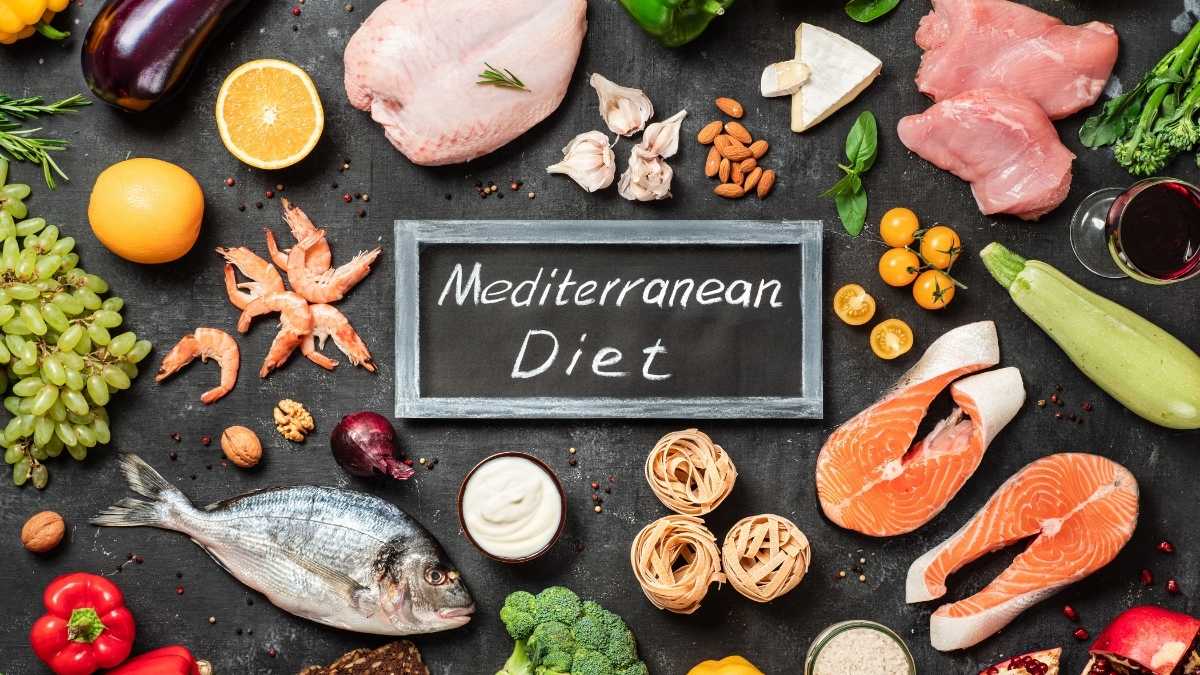
Blue Zones are five regions with the most centenarians. Researchers studied what these people eat. The pattern is clear.
Blue Zone populations eat 95% plant-based meals. They consume meat only about 5 times monthly. Their plates are loaded with beans, legumes, whole grains, and vegetables. Greek centenarians consume 400+ grams of vegetables daily. That’s 7+ servings.
A 2024 Chinese study found that centenarians eating 5-9 different foods regularly had 23% lower inflammation markers. Inflammation drives every major age-related disease. Lower inflammation means slower aging.
Pearl Taylor, 103, emphasizes home cooking and vegetables. No processed food. Felix Pelosi, 102, eats fish, pasta, and vegetables. Three good meals daily.
Here’s what matters for anti-inflammatory foods. Olive oil is a staple. Wild greens. Nuts. Beans every single day. Whole grains like barley and oats.
The Okinawans practice “hara hachi bu.” Stop eating at 80% full. Don’t stuff yourself. This helps maintain healthy weight and reduces digestive stress.
Skip excessive sugar, processed foods, and high salt. Shift your plate to look more like a centenarian’s. More plants. Less processed junk. More home cooking.
Step 3: Build Deep Social Connections (Your Longevity Network)
You can’t live to 100 alone. Social connection isn’t optional. It’s essential.
The UnitedHealthcare 2025 survey found that 80% of centenarians report weekly visits or get-togethers. Two-thirds maintain close family and friend relationships. These aren’t casual acquaintances. These are deep bonds.
In Okinawa, they have “moai.” It’s a social support group formed in childhood that lasts a lifetime. Members meet regularly for decades. Communities with the greatest social connection show lower chronic disease rates and longer life expectancy.
Marjorie Fiterman, 102, and Bernie Littman, 100, got married. Combined age: 202 years. Ruth Onley, 110, credits her family’s love and care. These connections matter more than any supplement.
Research shows social connections reduce inflammation, lower stress hormones, and boost immune function. Quality beats quantity. Three deep friendships trump 300 social media followers.
Make it practical. Schedule weekly family dinners. Join a faith community. Volunteer regularly. Take a class. Build your group. Your longevity network might be the most important health investment you make.
Step 4: Find Your Purpose (The 7-Year Life Extension)
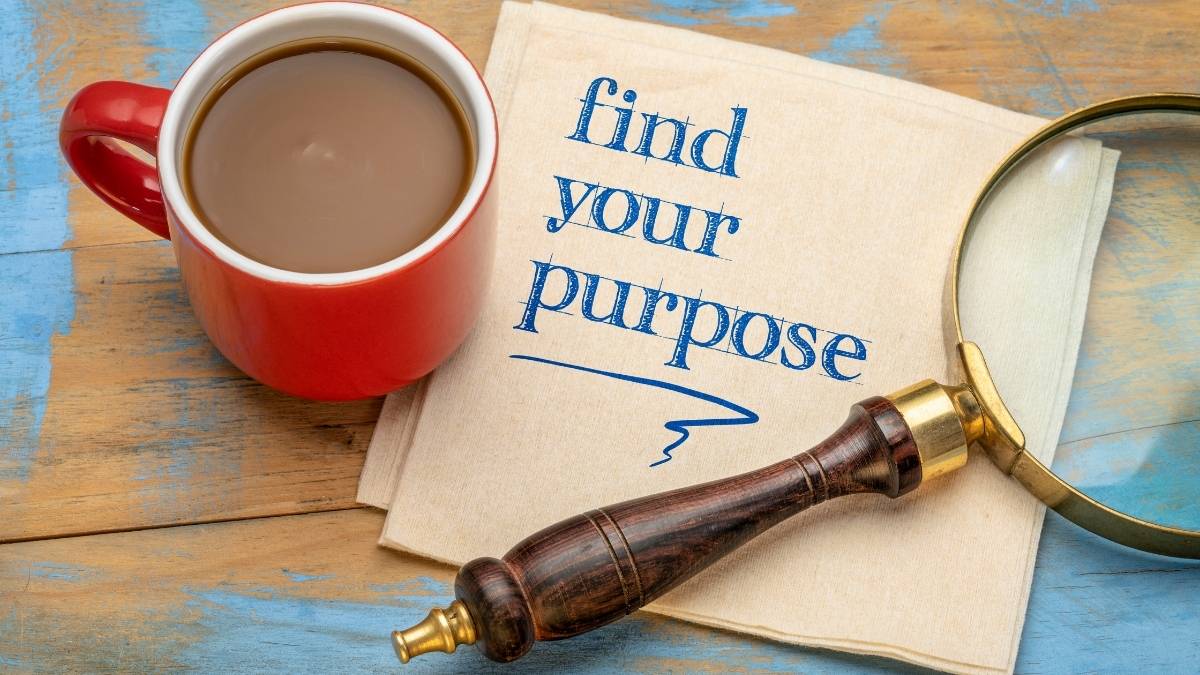
Beyond the physical habits, centenarians share something deeper. A reason to wake up every morning.
The Japanese call it “ikigai.” Your reason for being. Research shows that knowing your sense of purpose is worth up to 7 years of extra life expectancy. That’s more than most medications provide.
Sister Jean Dolores Schmidt works 5 days weekly at 105 as a basketball team chaplain. She’s never been depressed. Pearl Taylor, 103, shares life wisdom on TikTok as “Jamaican grandma.” These people wake up with things they want to do, not just exist.
Time Magazine research found centenarians score low in neuroticism and high in extraversion. They don’t worry excessively. They engage with life. Most don’t identify as “old.” They feel decades younger than their actual age.
Purpose keeps your brain sharp. It reduces stress. It gives you reasons to stay healthy and active. It’s never about retirement. It’s about reorientation.
Your purpose doesn’t need to be grand. Teach someone a skill. Volunteer at a food bank. Mentor young people. Garden. Create art. Stay curious. Find what makes you excited to wake up.
Step 5: Master Stress (Not Eliminate It)
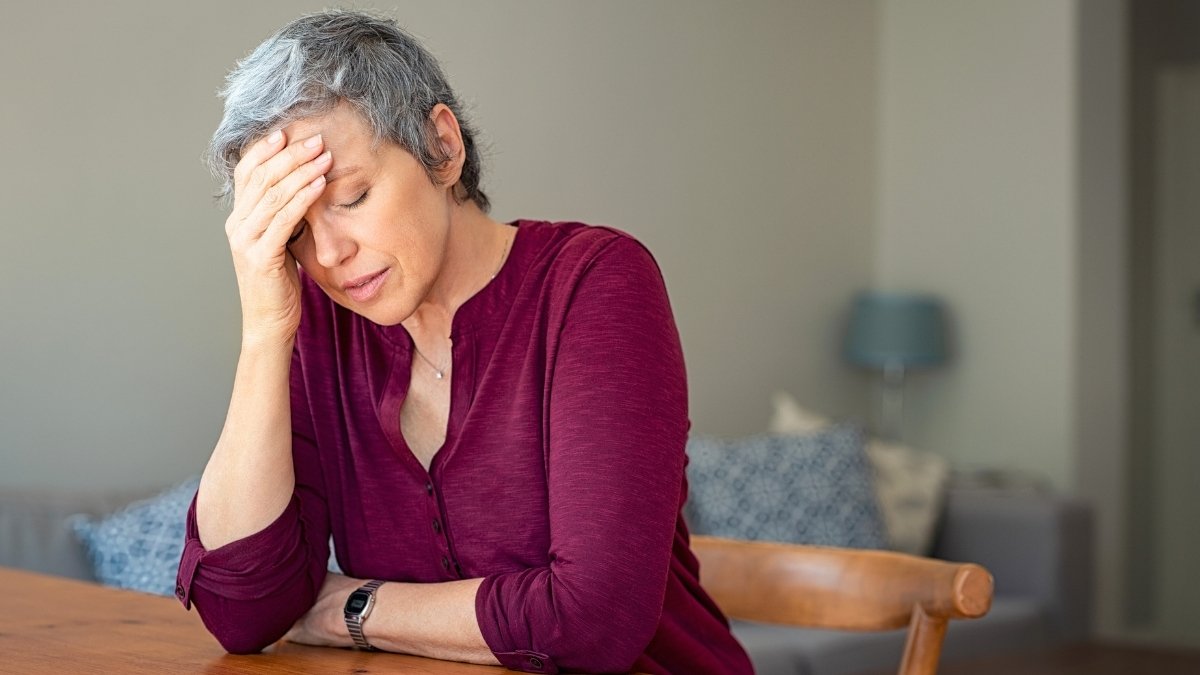
The longest-lived people don’t avoid stress. They’ve mastered the art of shedding it.
Centenarians experience stress but have daily recovery routines. In Ikaria, Greece, afternoon siestas are cultural practice. Sister Jean says, “It takes too much energy to be stressed out.” Angelina, 103, doesn’t stress about things outside her control.
The 2025 survey found 36% of centenarians participate in stress relief activities weekly. Prayer. Meditation. Afternoon naps. Wine with family. These aren’t optional luxuries. They’re essential practices.
Stress management reduces chronic inflammation, which is linked to every major age-related disease. Heart disease. Diabetes. Alzheimer’s. Cancer. All tied to chronic stress and inflammation.
Centenarians go to sleep early and wake early. Many nap in the afternoon. Quality sleep matters as much as diet and exercise. It’s when your body repairs and regenerates.
Make it practical. Set a consistent sleep schedule. Take 20-minute afternoon naps. Practice deep breathing for 5 minutes daily. Find what helps you shed stress before it accumulates. The goal isn’t eliminating stress. It’s building daily habits that help you recover from it.
Conclusion:
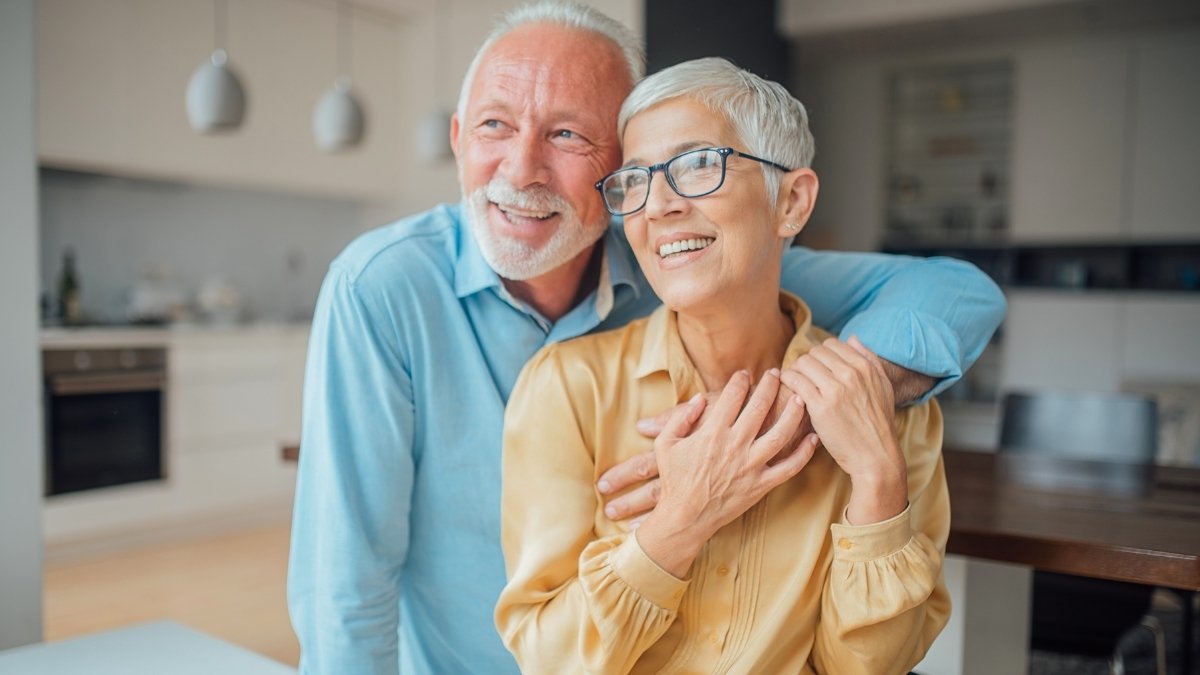
Living to 100 isn’t about perfect genes or expensive interventions. Research shows five core habits: natural daily movement, plant-rich Mediterranean eating, deep social bonds, clear life purpose, and stress mastery.
These centenarian practices are accessible starting today. No gym membership or supplements required.
Choose one step to implement this week. Track how you feel after 30 days. Your future 100-year-old self will thank you. This longevity protocol isn’t about adding years to life. It’s about adding life to your years.