
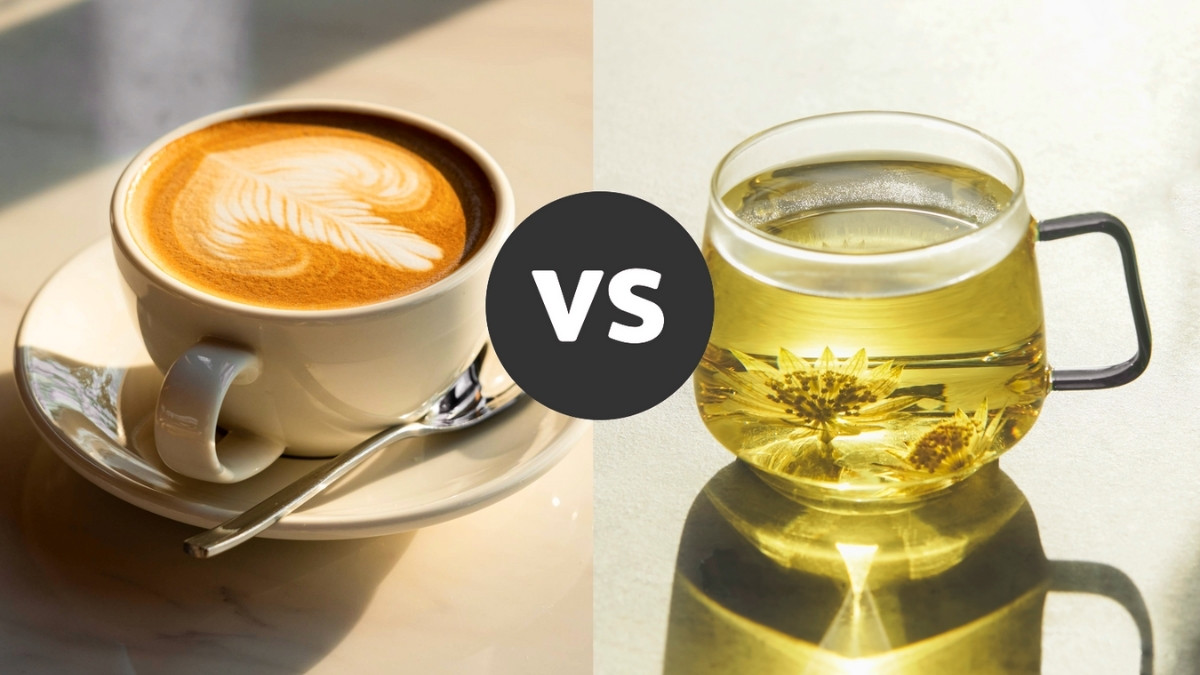
Your morning drink does more than wake you up. It might add years to your life. But which one wins: coffee or tea?
The answer surprises most people. New studies from 2024 and 2025 show both drinks help you live longer. Coffee drinkers gain almost two extra years. Tea drinkers get over a year. Scientists tested thousands of people and found real proof.
Here’s what you’ll learn: How much to drink each day. When to drink it for best results. Which type works better for you. The science behind why it works. And whether you can drink both for even bigger benefits.
This isn’t about opinions. We’re using fresh data from real studies. No guessing. No old information. Just what works in 2026 based on what scientists found recently.
Let’s look at what the research really says about your cup of life.
The Longevity Data: Coffee Drinkers
Large population studies consistently show that people who drink coffee regularly tend to live longer than those who don’t. When researchers combined data from many long-term studies, moderate coffee consumption was associated with nearly two additional years of life expectancy.
How much coffee is ideal?
The strongest benefits appear at 3–4 cups per day. Research on biological aging markers suggests that people in this range show signs of slower cellular aging, including better preservation of DNA structures linked to longevity.
Timing makes a difference
When you drink coffee matters. Studies published in major heart-health journals indicate that morning coffee consumption is linked to lower overall and cardiovascular death risk. Drinking coffee earlier in the day aligns better with circadian rhythms and sleep quality.
Coffee type matters less than consistency
Ground coffee, instant coffee, and even decaf have all been associated with health benefits. Large observational studies show reduced heart rhythm issues and lower early-death risk with moderate intake, regardless of coffee type.
The key factor isn’t premium beans—it’s regular, moderate consumption.
The Longevity Data: Tea Drinkers

Tea drinkers also experience meaningful longevity benefits. Long-term studies tracking tens of thousands of people show that habitual tea drinkers live over one year longer on average than non-drinkers.
The optimal tea range
The strongest results appear at 3–5 cups per day. Drinking less may not provide full benefits, while drinking more does not seem to add extra protection.
Tea and biological aging
Research measuring biological age—not just calendar age—shows that regular tea drinkers tend to age more slowly at a cellular level. This suggests tea supports not only lifespan but also healthspan.
Green tea vs black tea
Green tea shows stronger protective effects, particularly for heart health and overall mortality. Black tea still offers benefits, just to a lesser degree. The most important factor is daily consumption, not occasional use.
Who Should Choose Coffee vs Tea?
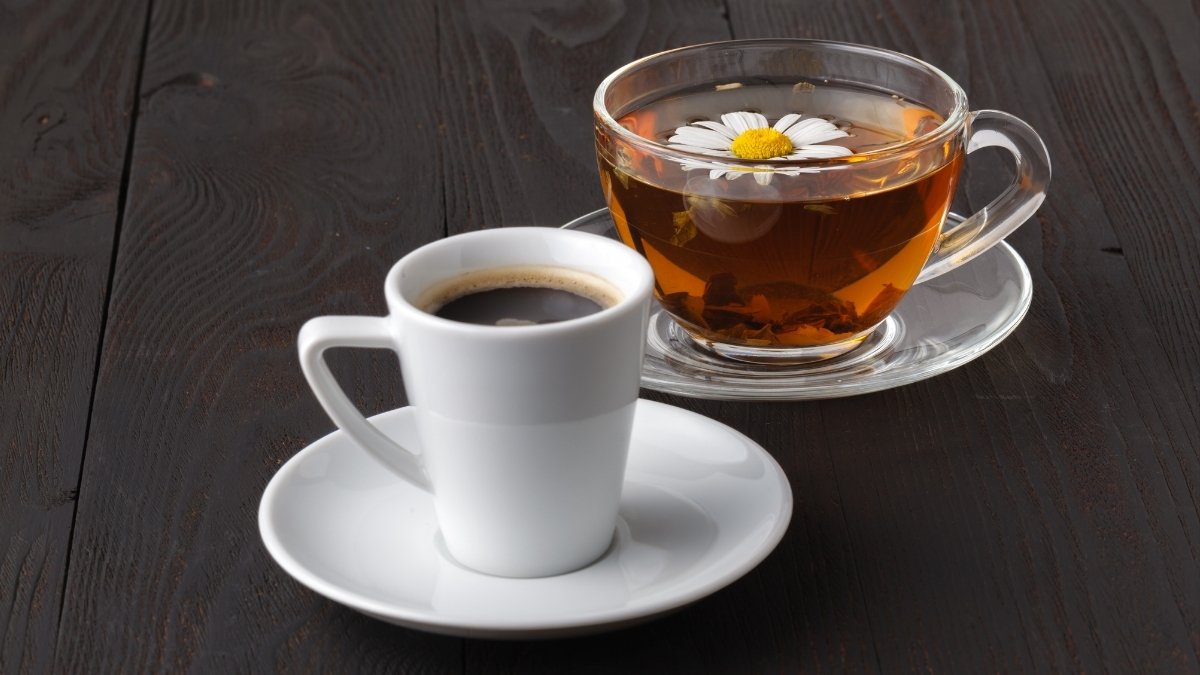
Choosing between coffee and tea depends largely on how your body responds to caffeine and stimulation. Coffee may be the better option if you tolerate caffeine well and enjoy a strong boost in alertness, especially in the morning.
It acts quickly, sharpens focus, and is often preferred by people who rely on early-day productivity. If you do not experience stomach irritation or anxiety from coffee, it can be a powerful and effective daily habit.
Tea, on the other hand, is ideal for people who feel jittery, anxious, or overstimulated after drinking coffee. Thanks to its lower caffeine content and the presence of L-theanine, tea provides a calmer, more balanced form of energy.
It is also gentler on digestion and easier to consume throughout the day without disrupting sleep.
Many people find that combining both—coffee in the morning and tea later—offers the best overall experience.
What About Sugar, Milk, and Add-Ins?
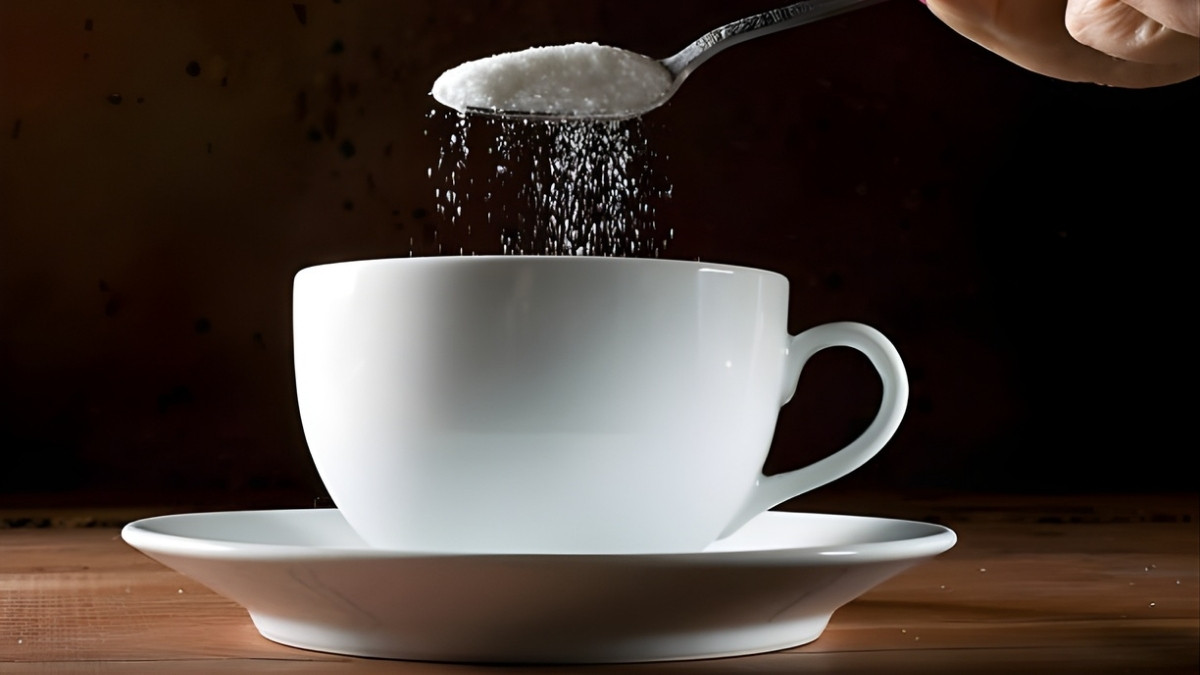
When it comes to longevity benefits, plain coffee and tea work best. Adding sugar significantly reduces their protective effects by increasing blood sugar spikes and promoting inflammation. Over time, excess sugar increases the risk of diabetes, heart disease, and accelerated aging, which counteracts the very benefits these drinks provide.
Heavy creamers and large amounts of milk can also interfere with how well your body absorbs polyphenols. Some proteins bind to these compounds, reducing their antioxidant impact. While small amounts may not eliminate benefits entirely, less is always better.
If plain coffee or tea feels too bitter at first, gentle flavor additions like cinnamon or ginger are better alternatives. Unsweetened plant milk in small quantities can be used during transition. Over time, most people adapt—and their taste preferences shift along with improved health outcomes.
Final Takeaway for Readers

Coffee and tea are not just beverages—they are long-term health habits. Both are strongly linked to slower aging and longer life when consumed regularly and in moderation. Coffee offers a slightly stronger longevity signal, especially when consumed in the morning, while tea provides smoother, more tolerable protection throughout the day.
The most important factor is consistency. A drink you enjoy and can maintain daily for years will always outperform a “perfect” option you abandon. Whether you choose coffee, tea, or a thoughtful combination of both, aligning intake with your body’s tolerance and lifestyle is what truly supports longevity.
At the Last,
Both coffee and tea are associated with longer life and healthier aging. Coffee offers a slightly stronger longevity advantage, especially when consumed in the morning. Tea provides gentler, all-day protection with fewer side effects. For many people, combining both delivers the best overall results.
Consistency matters more than perfection. Choose the drink—or combination—you can enjoy daily for years to come.
This article is for informational purposes only and does not replace professional medical advice.