
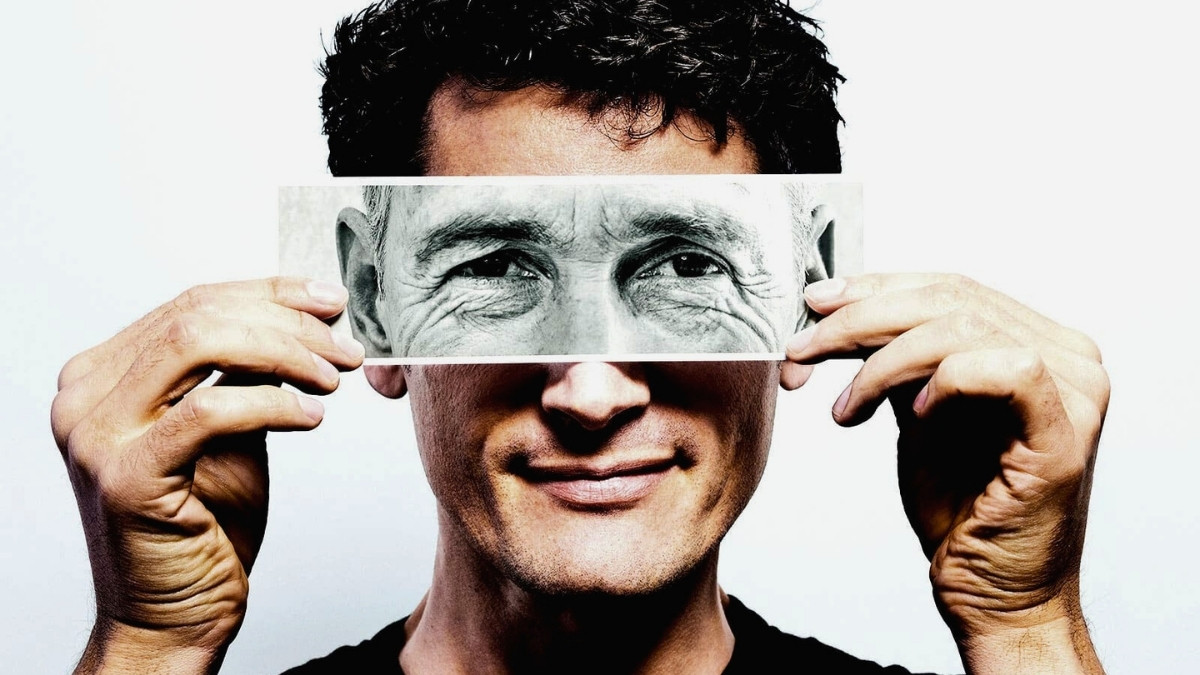
Your birth certificate tells one story, but your body might be telling another. Recent research reveals that biological age—how quickly your cells are actually aging—can differ dramatically from your chronological age, and the gap matters more than scientists once thought.
Most people know lifestyle affects health, but they don’t realize that specific habits can literally slow or accelerate aging at the cellular level. Research from 2025 shows that 90% of longevity is shaped by modifiable lifestyle factors, not genetics.
You’re about to learn the exact habits that slow biological aging, backed by 2025-2026 research.
What You’ll Discover
Measure
Learn how to accurately measure biological age markers.
Implement
Get practical steps to implement each habit into your routine.
Understand
Dive into the science behind why these habits actually work.
Your healthspan—the years you live with vitality—depends on the choices you make today.
What Biological Age Really Means (And Why It Matters More Than Your Birthday)
Your chronological age is simple math. You were born on a specific date, and the years add up. But your biological age tells a different story. It measures how well your cells, tissues, and organs are actually functioning right now.
Two 50-year-olds can have wildly different biological ages. One might have the body of a 43-year-old, with strong bones, sharp memory, and healthy arteries. The other might be biologically 57, with inflammation, muscle loss, and early signs of disease. Same birthday, different bodies.
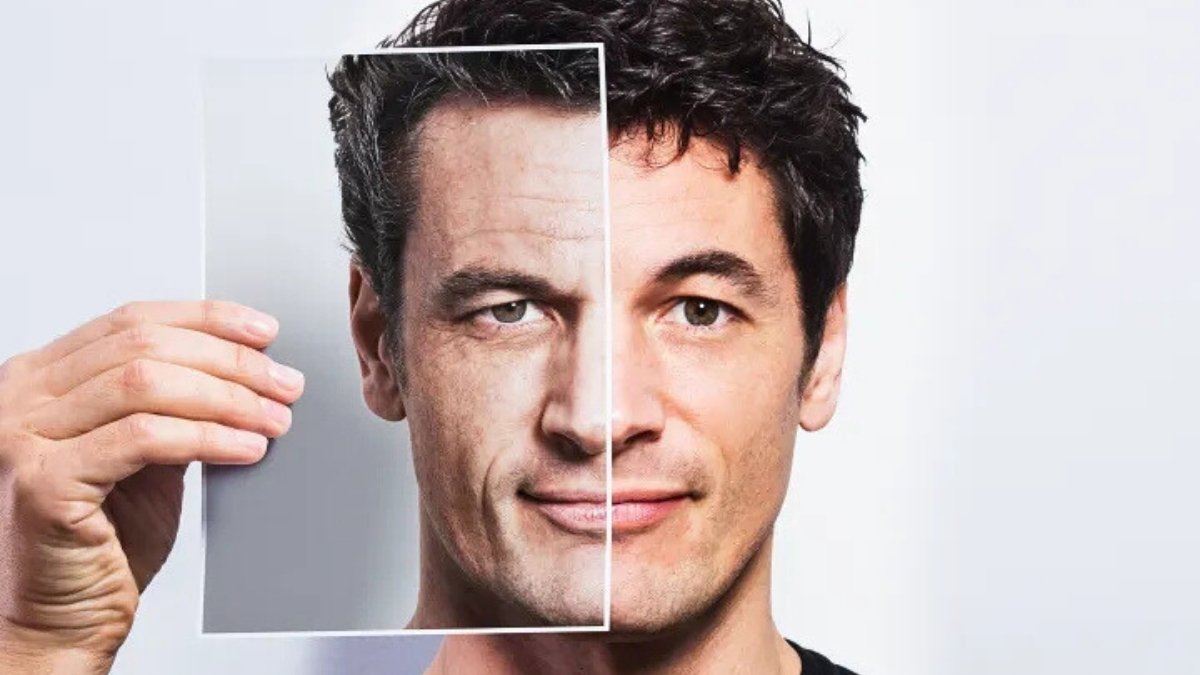
Scientists now use epigenetic clocks to measure biological age. These tests look at DNA methylation patterns—chemical tags on your DNA that change as you age. The GrimAge and DunedinPACE clocks can predict your risk of mortality, heart disease, and chronic conditions better than your actual age can.
Here’s the exciting part: biological age is modifiable. Over 27,500 people in a UK Biobank study proved this. Dr. Michael Roizen from Cleveland Clinic confirms that 90% of longevity comes from lifestyle factors you control, not genetics you inherited.
Personal trainer Noelle McKenzie reduced her biological age by 4 years through targeted fitness changes. You can do the same. The difference between healthspan and lifespan comes down to daily habits. Now let’s look at what actually works.
Sleep Quality: The Most Powerful Longevity Habit You’re Probably Missing

Sleep matters more than you think. A 2025 study of 27,500 people found that poor sleep increased brain age by 6 months for every 1-point decrease in a healthy sleep score. That’s faster aging than missing workouts or eating poorly.
Oregon Health & Science University discovered something remarkable: sleep insufficiency had a stronger link to life expectancy than diet, exercise, or loneliness. Only smoking ranked higher. Both short sleep (under 6 hours) and long sleep (over 8 hours) were linked to elevated biological age across 9 brain and body systems.
But here’s what most people miss: sleep regularity matters as much as duration. Going to bed at 11pm one night and 2am the next damages your body, even if you get 7 hours total. Irregular sleep patterns are linked to depression, cardiovascular disease, obesity, and early death.
The five healthy sleep characteristics are: early chronotype (going to bed earlier), 7-8 hours daily, no insomnia, no snoring, and no daytime sleepiness. Sleep allows your body to clear inflammation and remove free radicals. Someone with regular 7-hour sleep ages slower than someone with irregular 6-hour sleep, even though the difference is just one hour.
Master your rest for
peak performance
Aim for 7-9 hours consistently
Same bed & wake times every day (even weekends)
Reduce disruptions – address snoring or insomnia
Track patterns with wearable devices or apps
Dark, Cool & Quiet Environment
Build Muscle, Build Longevity: Why Strength Training Is Non-Negotiable

Muscle mass is a key biomarker of healthspan. After age 30, adults lose 3-8% of muscle mass per decade. After 60, this loss accelerates. By age 40, you’re losing about 1% per year without intervention. This isn’t just about looking fit—it’s about survival.
A 2025 Mayo Clinic study found something critical: muscle power matters more than muscle strength alone. Power is how fast you can move weight, not just how much you can lift. Lower muscle power was more strongly linked with mortality risk than strength.
Northeastern University researchers discovered that strength training reversed muscle loss and improved blood sugar levels better than diabetes medications. That’s not a typo. Lifting weights controlled blood sugar better than pills designed specifically for that purpose. Muscle-strengthening activities are linked to 10-17% lower risk of all-cause mortality, cardiovascular disease, cancer, and diabetes.
George, 68, started resistance training at 63 after hip surgery. He regained his independence, improved his balance, and boosted his metabolism. Strength training builds bone density, prevents falls, and keeps you functional as you age. Cardio alone won’t do this.
Train 2-3 Days Weekly
CDC recommends minimum 2 days of muscle work for optimal results.
Progressive Overload
Gradually increase difficulty and exercise to near-fatigue for muscle growth.
Target All Muscle Groups
Focus on squats, lunges, push-ups, and functional movements.
Equipment Progression
Bodyweight ➔ Resistance Bands ➔ Free Weights
The Mediterranean Diet: More Than Food, It’s a Longevity Strategy
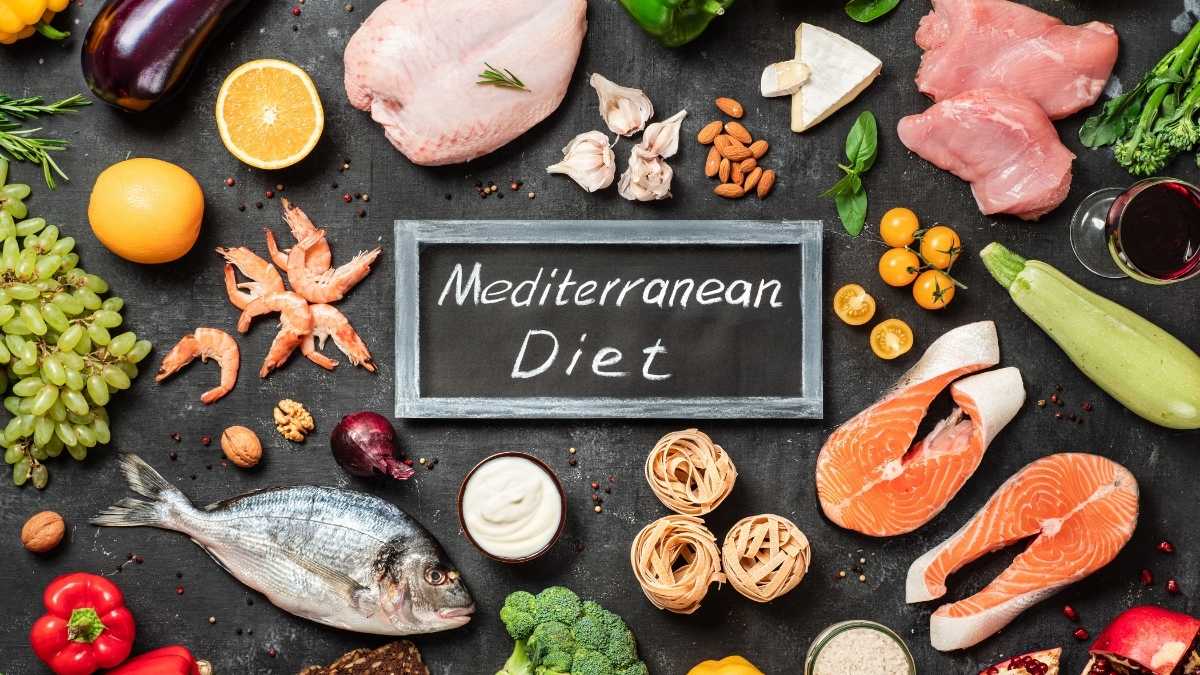
The Mediterranean diet consistently ranks first for health and longevity. A Harvard study tracked 105,000 adults for 30 years. Healthful dietary patterns increased the odds of healthy aging by 45-86%. That’s nearly double your chances of aging well, just from eating differently.
An 18-month Israeli study focused on Mediterranean foods rich in polyphenols—walnuts, green tea, and Mankai (a type of duckweed). Participants saw significant reductions in visceral fat and brain atrophy. The diet literally slowed brain shrinkage and belly fat accumulation at the same time.
Older adults need more protein than younger people: 1.0-1.3 grams per kilogram of body weight daily. For a 150-pound person, that’s 68-88 grams daily. Most people don’t hit this target. Aim for 20-30 grams per meal from sources like chicken, Greek yogurt, eggs, or tofu.
The Mediterranean diet reduces chronic inflammation through polyunsaturated fats. Key foods include extra virgin olive oil, fatty fish, vegetables, fruits, nuts, and whole grains. Polyphenol-rich foods like coffee, tea, blueberries, and avocados provide additional anti-aging compounds.
Reduce inflammation & support cellular health
Vegetables & whole grains
Extra virgin olive oil
Fatty fish 2-3x/week
Nuts & seeds daily
Berries & polyphenols
Green tea & coffee
Unmanaged stress accelerates aging faster than almost anything else.
Manage Stress or Age Faster: The Cortisol-Aging Connection

Chronic stress accelerates biological aging through cortisol, your body’s main stress hormone. A 2025 Japanese AI study found that when cortisol levels doubled, biological age increased by about 50%. That’s not a gradual effect—it’s dramatic and measurable.
Chronic stress shortens telomeres, the protective caps on your chromosomes. Think of telomeres like the plastic tips on shoelaces. As they fray, your DNA becomes damaged. Stress also increases inflammation and weakens your immune system. People who manage emotions effectively show slower biological aging across multiple markers.
Cortisol damages mitochondria—your cells’ power plants—and increases oxidative stress. Managing stress levels reduces chronic inflammation and lowers your risk of neurodegenerative diseases like Alzheimer’s. Stress management is as crucial as diet and exercise, not optional.
The key is balance across work, family, friends, spirituality, and exercise. When one area dominates your life, stress builds. Mind-body interventions like meditation, yoga, and breathing exercises reset your biological stress response.
Reduce Stress Aging
Mindfulness meditation 10-20 minutes daily
Paced breathing exercises via apps
Nature walks – even 15 minutes helps
Gentle yoga or tai chi weekly
Consistent sleep schedule lowers cortisol
Mediterranean diet for stress hormones
💕 Most powerful longevity factor isn’t what you do—it’s who you’re with
Your Relationships Are Medicine: How Social Bonds Slow Cellular Aging
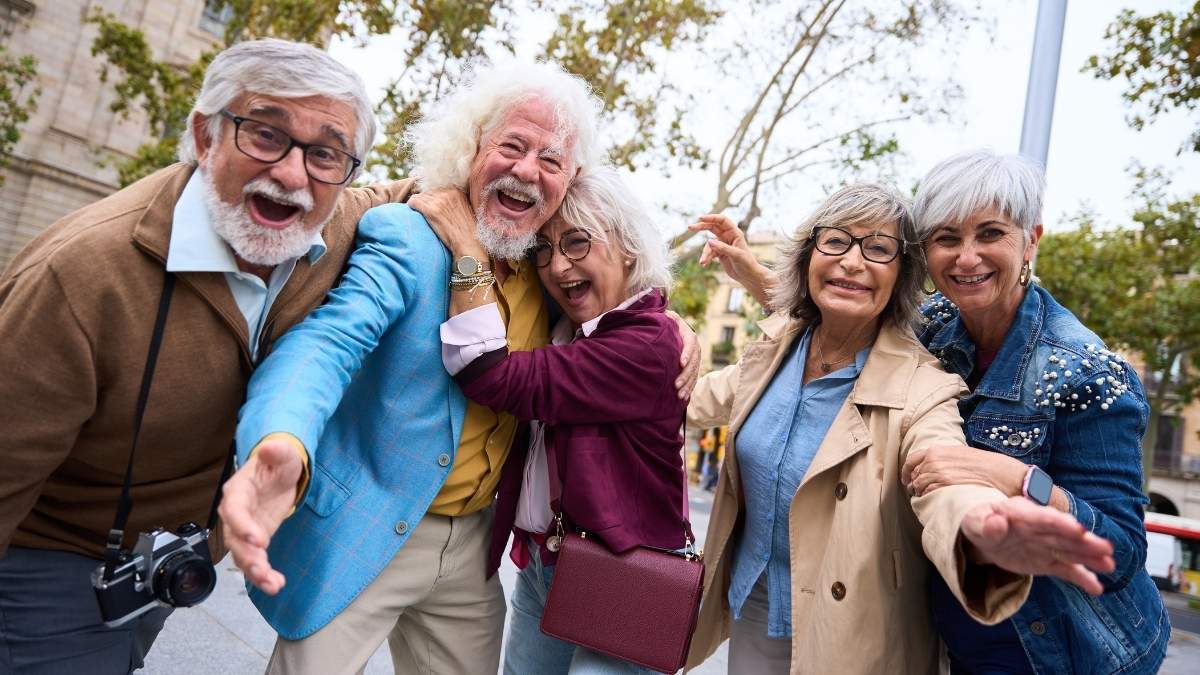
Social connections slow epigenetic aging and reduce inflammation. A 2025 Cornell study published in Brain, Behavior & Immunity found that higher cumulative social advantage showed slower epigenetic aging and lower chronic inflammation. People with weak social connections face up to 29% higher risk of early death.
Strong social ties slow biological aging by reducing chronic, low-grade inflammation. Specifically, social connections reduce interleukin-6, an inflammatory molecule linked to disease. Strong relationships increase longevity by roughly 50%. That’s comparable to quitting smoking.
The Cornell research identified four key areas: parental warmth growing up, community connection, faith involvement, and emotional support from friends and family. Social connections work like a retirement account—early investment and consistent contributions pay off over decades.
Think about quality, not just quantity. Having 500 Facebook friends means nothing if you can’t call anyone when you’re struggling. Deep, meaningful relationships matter. Older adults with strong support networks are often biologically younger than isolated peers of the same age.
Find Your Purpose: The Longevity Factor That Brings It All Together

A sense of purpose is a powerful predictor of longevity. People with meaningful pursuits have lower levels of chronic inflammation and reduced risk of early death. Continued engagement in work or purpose-driven projects is linked to better cognitive resilience, cardiovascular health, and longevity.
Purpose activates both psychological and biological pathways. Staying professionally active keeps your brain in training, like exercise for muscles. This doesn’t mean working a stressful 60-hour week until you’re 80. It means staying engaged in meaningful pursuits that give your life direction.
Purpose reduces the risk of neurodegenerative diseases. It stimulates brain metabolism and neuroplasticity—your brain’s ability to form new connections. Dr. Joseph Maroon, an 84-year-old NFL neurosurgeon, continues working because it keeps him sharp, social, and engaged with younger colleagues.
Examples of purpose include part-time work, volunteer work, creative projects, or mentoring. The key is finding activities that matter to you personally. Balance is critical—purpose should enhance your life, not consume it at the expense of sleep, relationships, or health.
Find Your Purpose
Discover meaning and accomplishment
Part-time work or consulting in your field
Volunteer for causes you care deeply about
Mentor younger people in your profession
Creative projects like writing, art, or music
Learn new skills and take classes
Your Path to Slower Biological Aging Starts Now

The science is clear: biological aging isn’t just about genetics—it’s largely within your control. These seven habits are evidence-based strategies proven in 2025-2026 research to slow aging at the cellular level.
You don’t need to overhaul everything overnight. Start with one habit, track your progress, and gradually add more. Small, consistent changes compound over time. Your biological age doesn’t have to match your birthday.