

When my partner died, I discovered a type of loneliness that no amount of friends, family gatherings, or well-meaning advice could touch. A loneliness so profound that recent research shows it persists regardless of your social network, health, or financial stability.
You might have people around you. Maybe your calendar is full of coffee dates and dinner invitations. But you still feel empty inside. Like you’re watching life happen through a thick window. That’s the loneliness after losing a partner, and it’s different from anything else.
Here’s what surprised me most: this feeling is backed by science. A January 2025 study found that having good health, money, or confidence doesn’t protect you from this pain. Social support helps with many things, but not this specific type of grief and loneliness.
In this article, you’ll learn why partner loss creates unique existential loneliness. I’ll share the three-phase framework that helped me rebuild my identity and create meaningful connections again. You’ll get specific resources and support communities that actually work. And you’ll understand that what you’re feeling is normal, validated by research, and most importantly—it can get better.
The Science Behind Partner Loss Loneliness
Identity Grief vs. Regular Loneliness
This isn’t just missing someone. The world is built for couples. When you lose the person who knew you best, you grieve your identity as part of a “we.” Suddenly, you don’t fit in the system you were built for.
Shocking Finding: Good health, wealth, or confidence provided ZERO protection from this specific pain.
My Personal Journey Through the Loneliness Epidemic
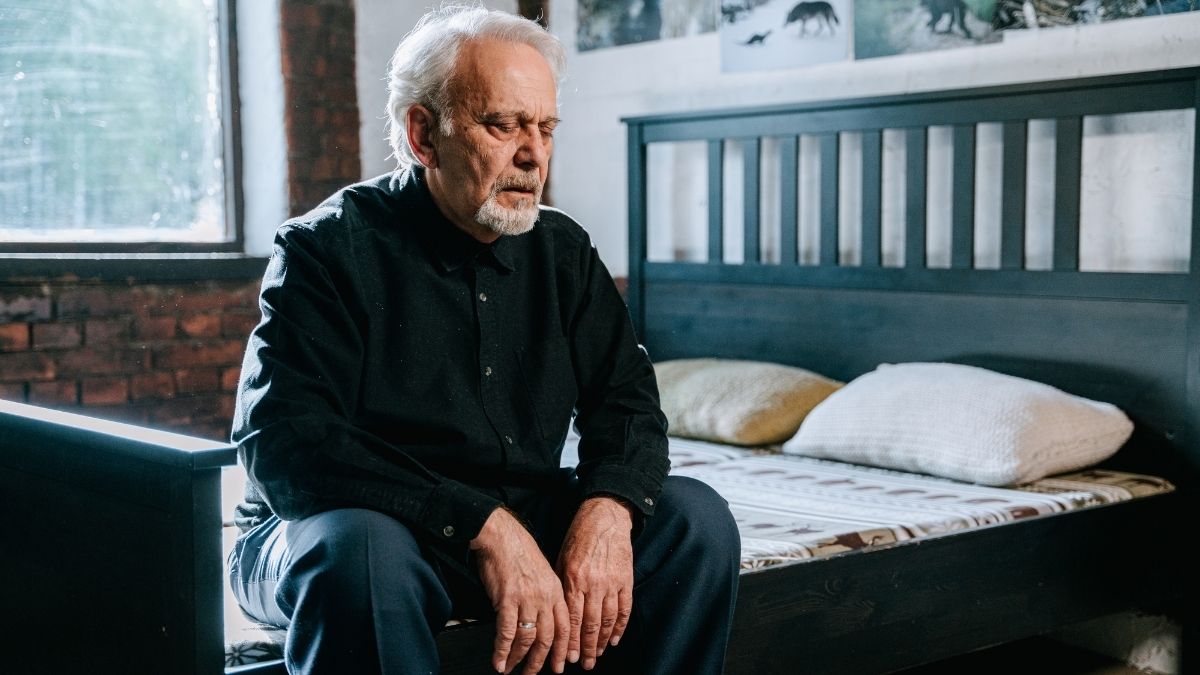
Three months after my partner died, I found myself standing in my kitchen at 2 AM, staring at nothing. The silence was disorienting. I’d lost myself in my partner’s eyes—for years, I saw myself reflected in the way they looked at me. When they died, I didn’t know who I was anymore.
Social situations became torture. I was the odd one out at dinner parties with couples. Friends wanted to help but had no idea what to say. Some avoided me because my grief made them uncomfortable. I could be surrounded by people at a party and feel completely alone.
My lowest point came at a friend’s wedding. Watching the couple exchange vows, I suddenly couldn’t breathe. I sat in my car crying for an hour. That’s when I realized I was fading away—I’d stopped exercising, cooking, calling people back.
The turning point came when I stopped expecting others to fill the void. This wasn’t about finding a replacement. It was about rebuilding ME as an individual carrying this loss forward.
Phase 1—Breaking Down Barriers (Understanding Your Loneliness)

Before you can rebuild, understand what you’re working with. Research shows addressing psychosocial barriers matters: overcoming anxiety, feeling safe socially, and building confidence. You’re allowed to grieve both the person AND your identity.
You’re experiencing three types of loneliness. Social loneliness is lacking a network. Emotional loneliness is lacking intimate attachment—no one to share deepest thoughts with. Existential loneliness is loss of identity and purpose. Who are you now? What’s your role?
Seek professional help when needed. A grief counselor helps process the loss itself. A therapist helps if grief triggered depression or anxiety. Recent 2025 research confirms prolonged grief symptoms predict higher loneliness and depression. If you’re stuck in intense pain after 6-12 months, get help.
Track your patterns. Note when loneliness hits hardest—mornings, weekends, holidays. Write down physical symptoms: headaches, insomnia, chest tightness. Recognize the difference between healthy alone time and isolation that makes everything worse.
Phase 2—Finding Fit With Others (Connecting Meaningfully)

You need people who’ve been through it. Regular friends don’t understand widowhood loneliness—they still have their partners. You need grief-specific support groups.
GriefShare (griefshare.org): 13-week program, in-person and online, $0-20. Structured format that gives you a roadmap.
Soaring Spirits International (soaringspirits.org): Camp Widow weekend retreats, regional groups, online Widowed Village. I felt seen for the first time in months.
The Sisterhood of Widows (sisterhoodofwidows.com): Free Facebook group, 20,000+ members who get it.
National Widowers Organization (nationalwidowers.org): Men-specific grief resources.
W Connection (widowsconnection.org): Topic-based meetings and wellness webinars.
Healthcare providers now recommend social prescribing—activities like walking groups or cooking classes alongside or instead of medication. Choose activities matching YOUR interests. I found a hiking group because I’m not into cooking classes.
Start with one-on-one time before groups. Choose structured activities—fitness classes, workshops, volunteer shifts. Structure makes connection easier.
Phase 3—Rebuilding Your Sense of Self (The Identity Work)
No one else can rebuild your identity for you. Research identifies this as critical: reasserting positive identities and finding meaning beyond being someone’s partner. You need to move from “we” to “me.”
Create new routines that combat empty time. Build morning rituals—mine is coffee, journal, ten-minute walk. Evening rituals signal the day is ending on purpose. Weekly structure should include social connection. Every Tuesday I have lunch with a friend. I don’t wait to feel like it. I just do it.
Rediscover or develop interests. Think about things you did before the relationship. Or try completely new skills—learn Spanish, take woodworking, try photography. These activities give you purpose beyond grief.
Set small, achievable goals. Have coffee with one person this week. Walk a 5K by spring. Finish one book this month. Celebrate small victories—you got out of bed every day? That counts.
Honor your partner while living fully. Create meaningful memorials without making your life a shrine. You’re allowed to laugh and feel joy. Living well honors their memory.
What Actually Helped Me Thrive (Practical Tools & Resources)

Daily Practices: Morning gratitude—write three things you’re grateful for. “My coffee is hot” counts on bad days. Evening reflection—what went well, what was hard, what do I need tomorrow. Five minutes max. Weekly social commitments became non-negotiable appointments.
Apps: Grief Journal and Bereaved for tracking emotions (free). Headspace and Calm for anxiety and insomnia. Meetup for finding local walking groups and book clubs.
Books: “It’s OK That You’re Not OK” by Megan Devine. “The Year of Magical Thinking” by Joan Didion. “Bearing the Unbearable” by Joanne Cacciatore.
Financial Resources: Social Security survivor benefits—call 1-800-772-1213 or visit ssa.gov. Legal aid for estate issues. AARP’s Widow Network for free financial guidance.
Crisis Resources: 988 Suicide & Crisis Lifeline (call or text 24/7). Crisis Text Line: Text HOME to 741741.
Real impact: W Connection taught me grief has no timeline. GriefShare gave me structure. Volunteering at an animal shelter gave me purpose.
Choose one thing. Start there.
Red Flags: When to Seek Professional Help

Watch for these signs loneliness has become clinical depression: can’t care for basic needs for over a week (not showering, eating, getting out of bed). Persistent suicidal thoughts with actual plans—call 988 immediately. Complete social withdrawal for weeks. Can’t function at work or handle daily tasks beyond a few weeks.
Prolonged Grief Disorder is officially recognized in DSM-5 after 12 months. Intense yearning that prevents normal functioning and difficulty accepting the death means specialized treatment helps.
Start with your primary care physician to rule out physical issues. Find grief-specialized therapists who understand bereavement specifically. Consider medication when therapy alone isn’t enough—antidepressants can lift the fog enough to do healing work.
The widowhood effect is real: increased death risk for widowed individuals. Your immune system weakens, chronic conditions worsen, cardiovascular risk goes up. Keep doctor appointments, take medications, don’t ignore new symptoms. Your body needs extra attention under this stress.
Get help early rather than waiting for crisis.
From Surviving to Thriving
Understand Your Barriers
Recognize that grief is physical and mental. Stop fighting the feelings; start understanding the triggers.
Find Meaningful Connections
Not just “company,” but people who understand your new reality. Validating your grief is the first step to healing it.
Rebuild Your Identity
Moving from “We” to “I” isn’t abandonment—it’s survival. Create new routines that belong solely to you.
Essential Communities
Loneliness after losing a partner is one of life’s most challenging experiences, but with the right support and actionable strategies, you can move from surviving to thriving. You’re not alone in this grief process. Take that first small step today.