
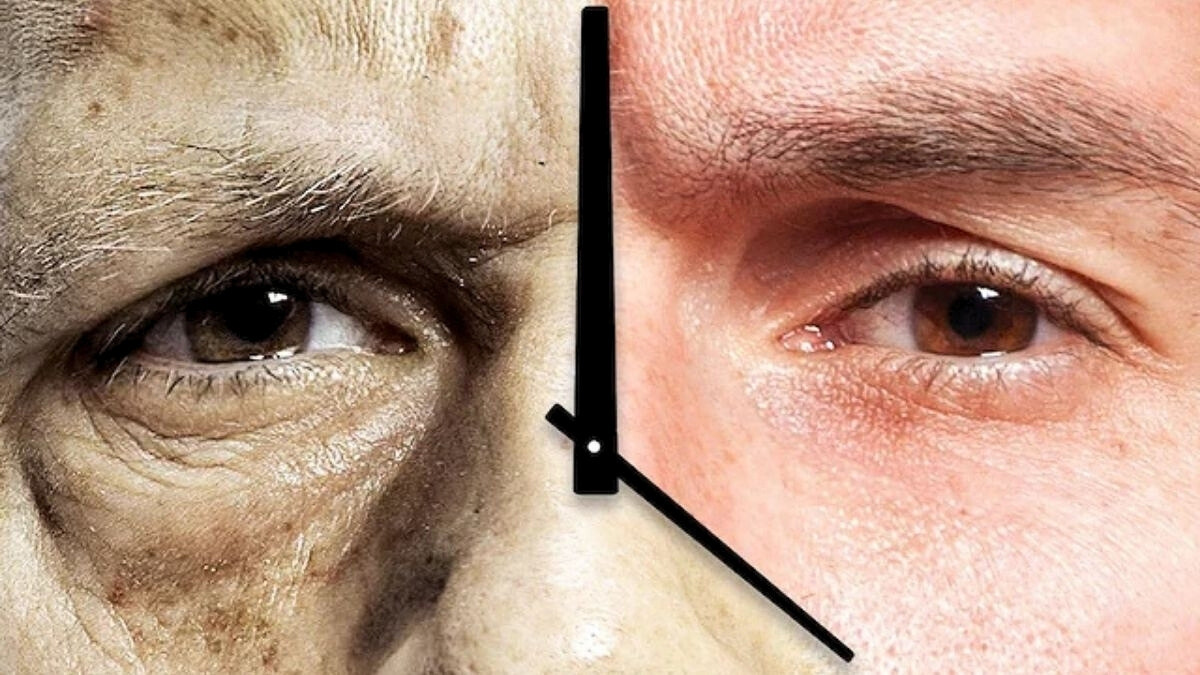
You want to live longer. You know you should exercise more, sleep better, eat healthier. But nothing seems to work. You try hard for a few weeks, see zero results, and quit.
Here’s what most people miss: your body doesn’t change in a straight line. It compounds. You make small changes every day, and for weeks—maybe months—nothing visible happens. Then suddenly, everything shifts.
Your energy skyrockets. Your doctor is shocked by your blood work. Your friends ask what you’re doing differently.
This is the longevity tipping point. It’s the moment when your daily habits stop feeling pointless and start creating real results. Recent surveys show 82% of Americans plan to focus more on health in 2026, with longevity identified as the top wellness trend. But most will quit before reaching their tipping point.
This article shows you exactly when small habits compound into measurable longevity gains. You’ll learn why just 15 minutes of fast walking reduces mortality by nearly 20%. You’ll discover which changes matter most and how long before you see results.
No extreme diets. No expensive supplements. Just science-backed strategies that actually work in 2026.
Understanding the Longevity Tipping Point

Think about compound interest. You put $100 in a savings account. After a month, you have $100.50. Feels pointless, right? But wait 30 years. That same account has $10,000. The money didn’t grow slowly and steadily. It exploded after years of invisible growth.
Your health works the same way. You walk 15 minutes daily. You sleep seven hours instead of six. You eat vegetables with dinner. For the first month, you feel nothing. Your scale barely moves. Your energy stays flat. This is what James Clear calls the “Valley of Disappointment”—the period where you’re making changes but seeing no results.
But here’s what’s happening beneath the surface. Your cells are repairing. Your metabolism is shifting. Your inflammation markers are dropping. Danish Twin Study researchers found that only 20% of longevity is genetic. The other 80%? That’s lifestyle. That’s you, making daily choices.
The tipping point arrives when these invisible changes suddenly become visible. Your doctor tells you your blood pressure dropped 20 points. You climb stairs without getting winded. You sleep through the night. This breakthrough moment isn’t magic. It’s accumulated small changes finally reaching critical mass. And once you hit that tipping point, the gains accelerate fast.
The Longevity Blueprint
Blood sugar issues, BP, cholesterol. It is not just about willpower.
Addressing 14 modifiable risk factors. Genetics is not destiny.
The Walking Tipping Point: 15 Minutes That Change Everything

Here’s a stat that should change your life: fast walking for just 15 minutes daily reduces your total mortality risk by nearly 20%. Not jogging. Not CrossFit. Walking. Fast.
Researchers compared slow walkers and fast walkers. People who walked slowly for three hours daily got some benefits. But people who walked fast for just 15 minutes got better results. Pace matters more than duration. Your body responds to intensity, even in small doses.
The maximum benefit? Walking 160 minutes daily at a moderate pace could add 5 to 11 years to your life expectancy. But even if you can’t do that, 15 minutes works. If the least active individuals increased exercise to the most active level, they could gain 11 more years of life. For every hour of fast walking, inactive people gain six more hours of life.
What counts as “fast walking”? You should be breathing harder but still able to talk. Your heart rate goes up. You might sweat a little. This isn’t a casual stroll. It’s purposeful.
How to start: Set a timer for 15 minutes. Walk around your block. Walk during lunch. Walk before breakfast. Make it non-negotiable. Do it every single day. After 30 days, your cardiovascular system adapts. After 60 days, your metabolism shifts. After 90 days, you’ve hit the tipping point. Your body is different.
Sleep: The Most Underestimated Longevity Factor

New research from Oregon Health & Science University found something shocking: sleep has a stronger connection to living longer than diet and exercise. Read that again. Sleep outranks what you eat and how you move.
Sleep ranked as the second-strongest predictor of reduced life expectancy. The first? Smoking. That’s how critical sleep is. The effect of insufficient sleep swamped the impact of diet and exercise as a predictor of life expectancy. You can eat perfectly and exercise daily, but if you’re sleeping five hours a night, you’re in trouble.
The numbers are brutal. Sleeping less than seven hours increases your mortality risk by 14%. Sleeping more than nine hours increases it by 34%. The sweet spot is 7-8 hours. Adults should get between 7-9 hours nightly to support brain, immune, and cardiovascular health.
But here’s what’s even more important: regularity. Sleep regularity is a stronger predictor of mortality risk than sleep duration. Going to bed at 10 PM every night beats sleeping eight hours on random schedules. Your body craves consistency.
How to optimize: Pick a bedtime and stick to it. Every night. Even weekends. Set an alarm for bedtime, not just wake-up. Make your room dark and cool. No phones for 30 minutes before bed. After two weeks, your circadian rhythm adjusts. After 60 days, you’ll wake up naturally. That’s your tipping point.
The Nutrition Tipping Point: Quality Over Quantity

Okinawa residents practice Hara Hachi Bu. It means “eat until you’re 80% full.” Not stuffed. Not hungry. Just satisfied. This simple rule creates a massive compound effect over decades.
Most longevity experts encourage a diet centered around whole foods, especially green leafy vegetables. Blue Zone residents eat a 95% plant-based diet, consuming meat only about five times per month. Notice: they don’t eliminate meat. They just don’t make it the center of every meal.
The most impactful change you can make? Eliminate ultra-processed foods. Not reduce. Eliminate. Higher fiber intake consistently improves metabolic markers while lowering risks for colon cancer and Type 2 diabetes. Diverse fiber types feed different microbes, translating to lower inflammation and stronger immune resilience. Early data even suggest certain fibers may help reduce microplastic absorption.
Protein matters too. As you age, you lose muscle mass. Eating adequate protein—especially with strength training—preserves that muscle. Aim for 0.8-1 gram per pound of body weight.
Your 30-day reset: Eat vegetables with every meal. Add beans, lentils, or chickpeas three times weekly. Cut out one ultra-processed food category—soda, chips, or packaged desserts. Cook one more meal at home each week. These aren’t extreme. But after 90 days, your gut microbiome shifts. Your inflammation drops. Your energy stabilizes. Small changes. Exponential results.
Strength Training: The New Longevity Essential
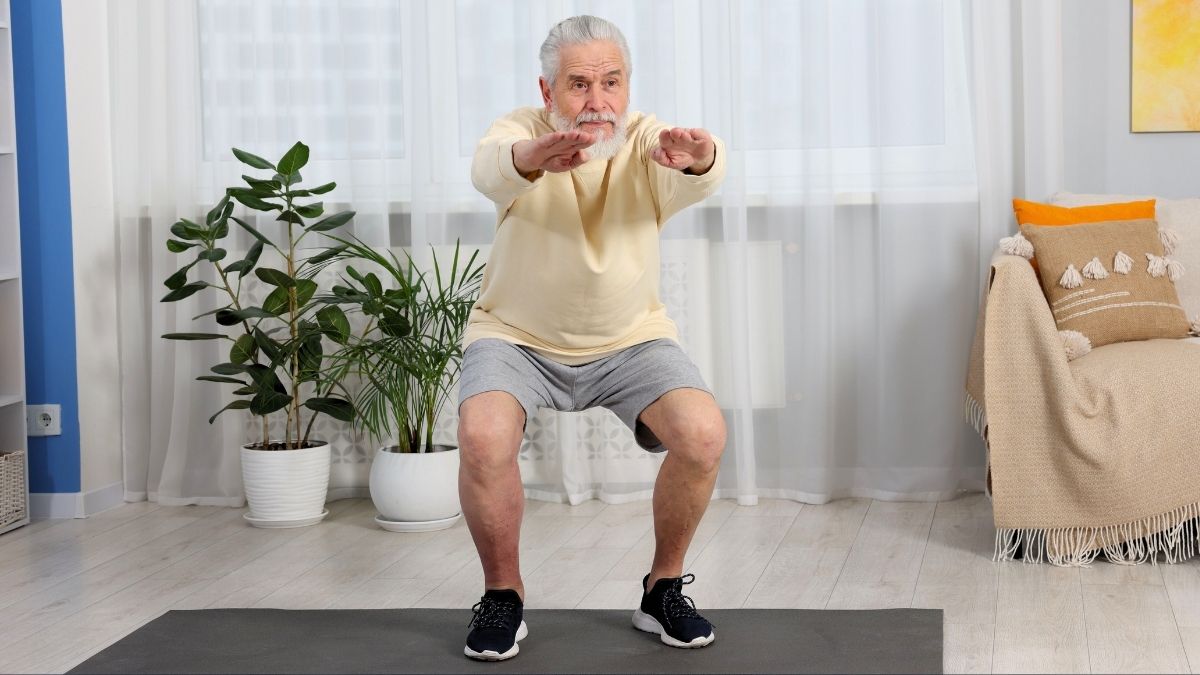
Cardio used to be king. Now? Strength training is the new longevity essential. People are training more intentionally to feel and perform better for longer.
Here’s why muscle matters: nearly half of centenarians do some form of strength training at least once a week. Not intense bodybuilding. Just consistent resistance exercise. Muscle mass protects you. It stabilizes your blood sugar. It prevents falls. It keeps you independent.
Life Time’s 2026 survey shows strength training and longevity lead New Year priorities. Exercise and diet rank as cornerstones of aging well, with nearly half of experts prioritizing physical activity.
You don’t need a gym. Start with bodyweight exercises. Squats. Push-ups. Planks. If you can only do one push-up, do one. Tomorrow, try two. This is progressive overload—small, consistent increases over time.
Frequency beats intensity. Lifting twice weekly produces significant benefits. You don’t need to train like an athlete. You just need to challenge your muscles regularly.
Your starter protocol: Pick three exercises. Do two sets of each. Rest one day between sessions. Week one might feel hard. Week four feels easier. Week eight, you’re stronger. Week twelve, you’ve built muscle you can measure. That’s your tipping point. Once you’re stronger, everything else gets easier—carrying groceries, playing with kids, living without pain.
Social Connection and Stress: The Hidden Multipliers

In Okinawa, they have moais. These are committed social networks that meet regularly. One moai had been together for 97 years with an average age of 102. Read that again. Friends for nearly a century. Still meeting. Still supporting each other.
Social isolation was identified as one of 14 modifiable risk factors for dementia. Being lonely literally changes your brain. Managing stress levels and prioritizing peace came up repeatedly when researchers spoke to longevity experts. Happiness and proper attention to mental health is critical for a longer life full of healthy days.
Purpose matters too. It’s called ikigai in Japan—your reason for waking up. Continued engagement in purpose-driven projects is associated with better cognitive resilience and cardiovascular health. You need something to live for beyond just living longer.
Digital connection doesn’t count the same way. Video calls help. But sitting face-to-face with someone releases different hormones in your body. Quality matters more than quantity.
Your action plan: Text three friends today. Schedule coffee with one. Join a weekly group—book club, walking group, volunteer organization. Commit to something bigger than yourself. Pick a cause or project that matters to you. After 30 days, you’ll feel less stressed. After 90 days, you’ll have built real relationships. That social safety net becomes your longevity multiplier.
The 2026 Longevity Landscape: What’s Actually Working

The longevity field is changing fast. Some interventions work. Many don’t. Here’s what matters in 2026.
Continuous glucose monitors are going mainstream with smaller sensors, longer wear times, and smarter insights. Only 12% of American adults are metabolically healthy. CGMs show you exactly how your body responds to food in real-time. This feedback loop accelerates behavior change.
Epigenetic clocks are getting cheaper. These tests analyze DNA methylation patterns to estimate your biological age—a stronger predictor of healthspan than chronological age. You might be 45 chronologically but 38 biologically. Or vice versa. Knowing this helps you track progress.
GLP-1 medications like Ozempic are being studied beyond weight loss. Human studies show GLP-1s reduce systemic inflammation, improve insulin sensitivity, and normalize glucose levels. These aren’t magic pills, but they’re showing promise for metabolic health.
Respondents identified longevity at 37.8% as the wellness trend most likely to define 2026. But here’s the shift: longevity is becoming less about chasing superhuman status and more about evidence-based habits.
The interventions that work? They’re accessible. Walking. Sleeping. Eating vegetables. Lifting weights. Connecting with friends. You don’t need a $10,000 biohacking protocol. You need consistency. The democratization of longevity means normal people can get extraordinary results.
The 90-Day Protocol
Sleep Foundation
This is the hardest part. Your body will resist as it adjusts.
Movement Baseline
Build the habit, don’t train for a marathon yet.
Nutrition Reset
Small swap, big impact. Pick your weakest link.
Strength Intro
Squats, push-ups, planks. Just ten minutes total.
Measure & Optimize
You are now building on momentum, not fighting resistance.
Final Words,
The longevity tipping point isn’t about perfection. It’s about consistency. Small changes that feel pointless today compound into massive results tomorrow.
Just 15 minutes of fast walking daily can reduce your mortality risk by 20%. Sleep quality outranks diet and exercise as a longevity predictor. Eighty percent of longevity is lifestyle-driven. Only 20% is genetic. You control most of your health destiny.
The Valley of Disappointment is where most people quit. They make changes for four weeks, see nothing, and give up. But the tipping point comes around day 60-90. That’s when your biomarkers shift. Your energy changes. Your body responds.
You don’t need to do everything. Pick one change. One. Set a bedtime. Walk 15 minutes. Eat vegetables with dinner. Do it today. Not tomorrow. Today.
In 90 days, you won’t recognize your blood work. In a year, you won’t recognize yourself. The compound effect doesn’t care if you start small. It only cares that you start.
Your longevity tipping point is waiting. It’s not about working harder. It’s about being consistent long enough to break through. And once you break through, everything accelerates.
Start now.